DaRmaZat
 Imagine the world is fracturing around you. Who is the final person you would reach out to? Confronted with souls drifting in the final seconds before nonexistence, how would you guide them through their parting regrets? This is the heavy, haunting question at the absolute core of Schrödinger’s Call. Set in a world where a mere twenty-one nanoseconds separate life from death and the moon is actively about to fall, this visual novel lets you experience the pain and salvation of human connection as if you were turning the pages of a melancholic picture book.
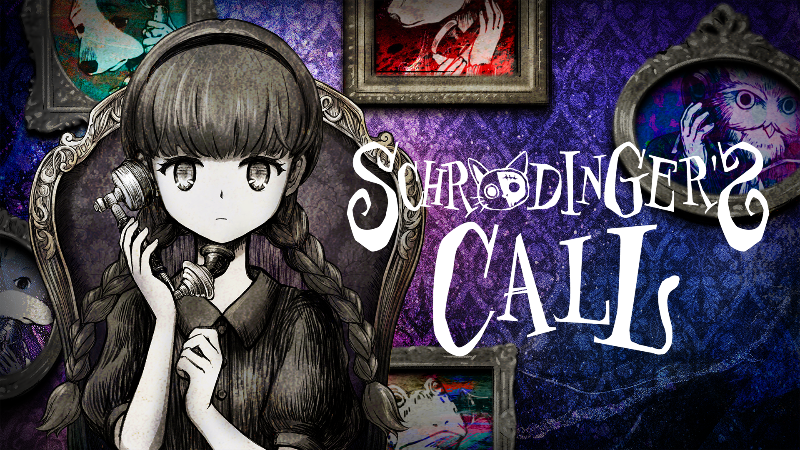
The setup immediately signals that Schrödinger’s Call is something truly special. An imminent apocalypse, an old-fashioned telephone, a talking cat named Hamlet acting as your guide, and a heavy influx of lost souls in desperate need during their final moments on earth. Into this chaos steps Mary, a young woman suffering from total amnesia who has suddenly been dubbed “the World’s Last Confidant”. With only a rotary phone by her side, this vintage piece of technology becomes the ultimate and only link between Mary and the voices on the other end.
First and foremost, this is an intensely narrative-driven game. The core loop revolves around maintaining interpersonal contact with others via the telephone, but it is just as much about intrapersonal contact. As Mary, you are constantly peering into your own soul, trying to remember who you were before your memory vanished, questioning why you were shoved into this bizarre role, and wondering what exactly comes next when the literal end of the world is staring you in the face.
Naturally, this translates to a game with massive amounts of reading and very limited, traditional gameplay. It is an experience controlled entirely with your mouse as you read and make dialogue choices, occasionally punctuated by looking up previously obtained information in your notebook to help you better visualize and piece together what is going on. In that sense, Schrödinger’s Call is a textbook visual novel, but one that leaves a uniquely powerful and deep impression.

The underlying themes are simultaneously dark and deeply hopeful. Every single character, including Mary herself, constantly floats in a limbo between doubt and hope, plagued by the uncertainty of whether they are currently more alive or more dead. Within this bleak darkness, the telephone transforms into the ultimate tool for healing and salvation. It is a way to reach out, to share an immense burden of grief, and to validate each other’s lingering existence. By listening to their stories and regrets, you actively keep everyone’s memories alive and intact. It ultimately feels like a giant allegory about communication, memory, and human connection, carrying a surprising amount of emotional weight. In an era increasingly shaped by digital interactions and artificial intelligence, its focus on genuine human contact feels particularly relevant.
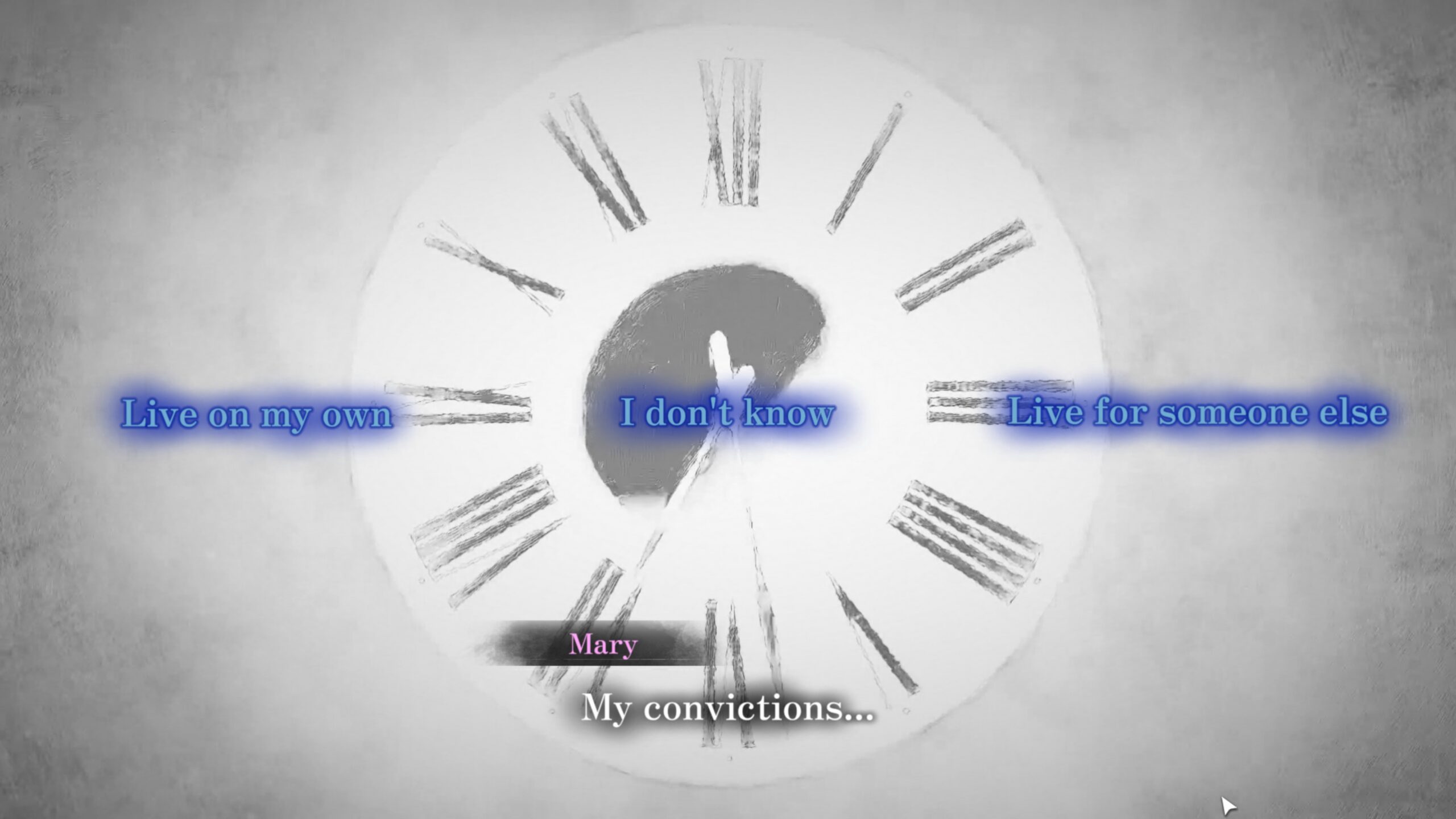
During these phone calls, the game grants you an immense amount of agency through clickable dialogue options that steer the conversation. This control manifests the second you pick up the receiver. Do you open with a traditional “Hello”, or do you choose to stay completely silent and force the caller to take the initiative? From there, you can choose to shift the focus to yourself, or take an altruistic approach by centering the entire conversation around the caller’s personal backstory. You can actively give advice while moving the conversation forward, or choose to pause and wait for them to remember a crucial detail on their own.
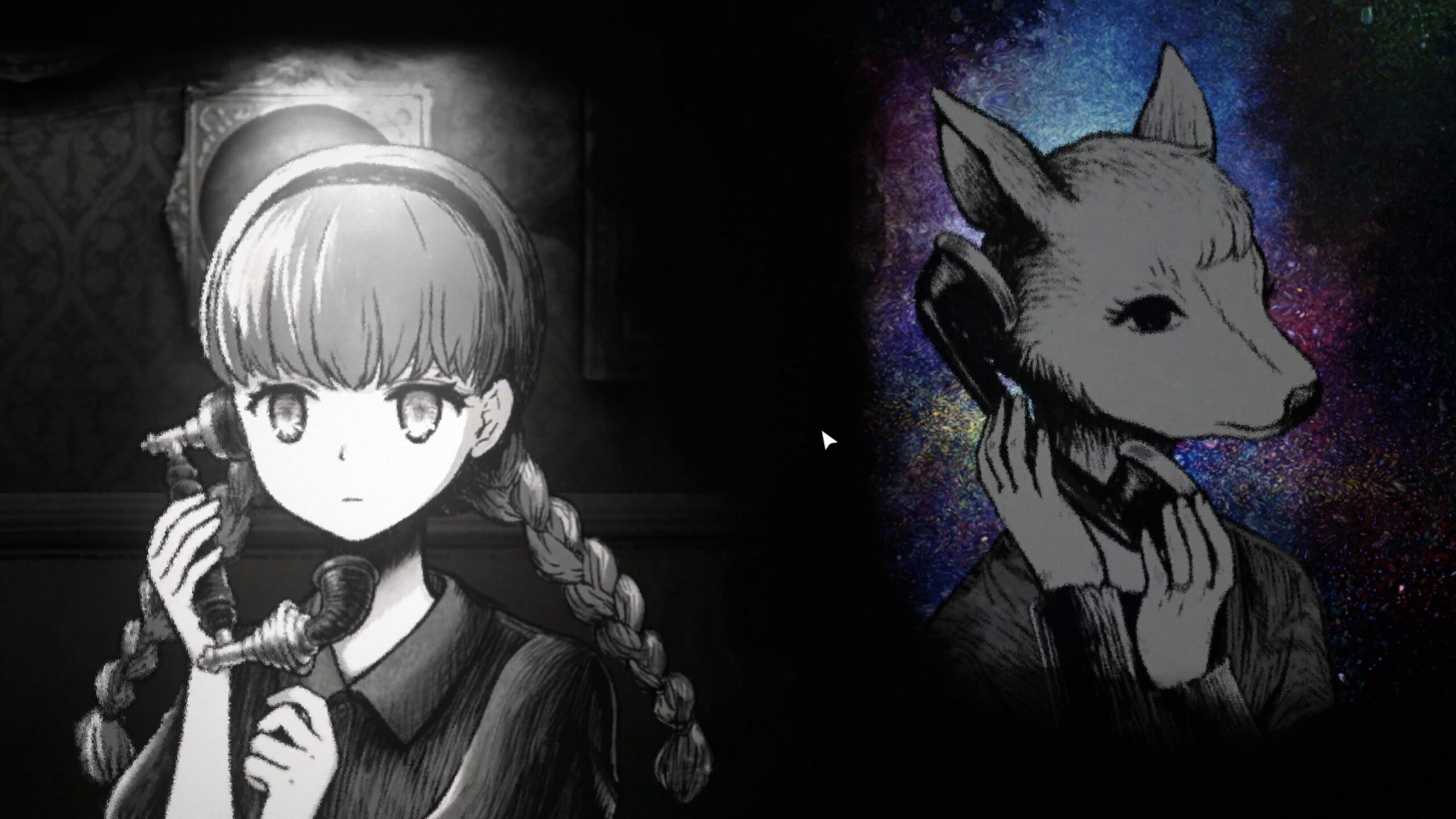
Whether all of these choices drastically alter the grand scheme of things can initially feel a bit ambiguous, but certain subtle visual clues on-screen hint at the weight of your words. While conversations generally continue toward the same broad destination, certain moments later on suggest that your choices may matter more than they initially appear. Over the course of the eight-hour campaign, you will make countless decisions, though you can clearly tell when you have exhausted a specific branching dialogue path; the sentences will begin to repeat themselves or throw a familiar platitude your way.
Still, the emphasis is not so much on changing the destination, but on deciding how Mary listens, responds, empathizes, and walks alongside the lost souls reaching out through the telephone. It is the conversational journey, the varying paths to get there, and the emotional response it evokes that truly matters, making the entire experience incredibly immersive.
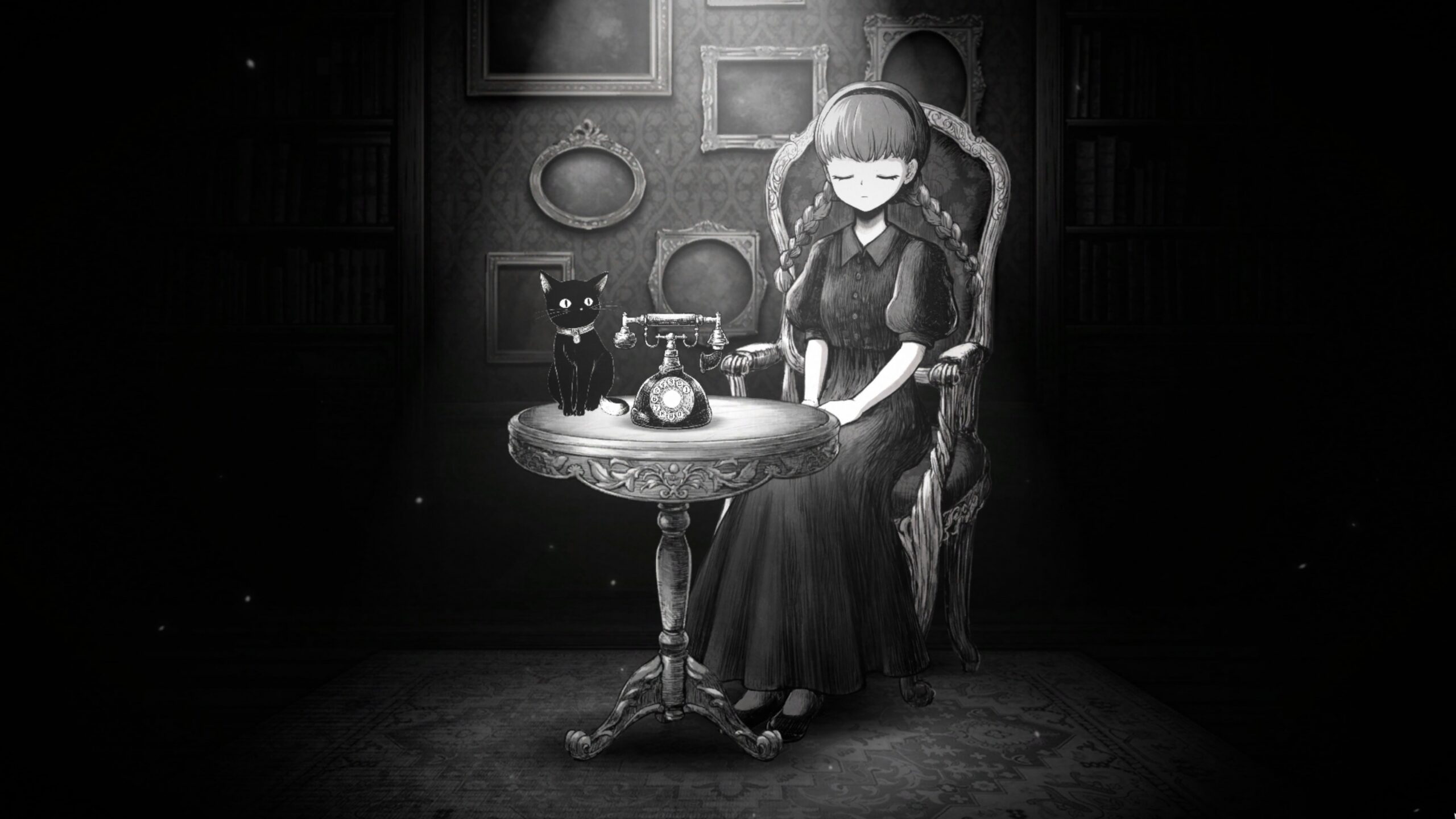
Audiovisually, the game is stunning despite its minimalist animation. The art direction masterfully blends a monochrome, black-and-white aesthetic with sudden, stark contrasts of sober yet vivid colors. This is brought to life through subtle visual details, such as delicate eye movements and floating particle effects that drift across the screen. The audio design is equally intriguing, featuring a highly unusual soundtrack laced with mysterious, low-fidelity static noise. With the voice work being presented as muffled speech, the game sounds exactly as if the voices are traveling directly through a physical phone receiver, which ties the atmospheric presentation together perfectly.
However, there is one particularly frustrating flaw that held the experience back a bit for me, and that is the way the game handles your progression. Auto-saves occur only on very sporadic occasions, and manual saving is completely unavailable. When you consider that each individual phone conversation is quite long, having to completely replay massive chunks of dialogue and re-select your choices simply because you had to close the game unexpectedly is a major downside. This is very much an experience that rewards uninterrupted play sessions, as conversations can easily stretch on for quite some time.
Final Thoughts
Ultimately, Schrödinger’s Call is an atmospheric and emotionally absorbing visual novel that delivers a brilliant concept through a remarkable, artistic lens. It pulls heavily on the universal human desire for contact and connection, and by chronicling these final thoughts, you offer these lost souls closure while piece by piece uncovering who Mary really is. Aside from the archaic save system, it stands as a beautiful, thought-provoking niche title that rewards those willing to slow down and simply listen.
Additional Information
Release Date: May 27, 2026
Reviewed On: PC. Download code provided by the publisher and PR agency.
Developer: Acrobatic Chirimenjako
Publisher: SHUEISHA GAMES
Relevant links: Available on Steam.