DaRmaZat
 With the release of Echo Generation 2, Canadian developer Cococucumber returns to the world of its award-winning cult hit with a far more ambitious sequel. While the original Echo Generation focused on a group of kids caught in a supernatural mystery, this follow-up shifts the spotlight to Jack, the father, while introducing an entirely new combat design built around deckbuilding, stance-breaking mechanics, and party synergies.
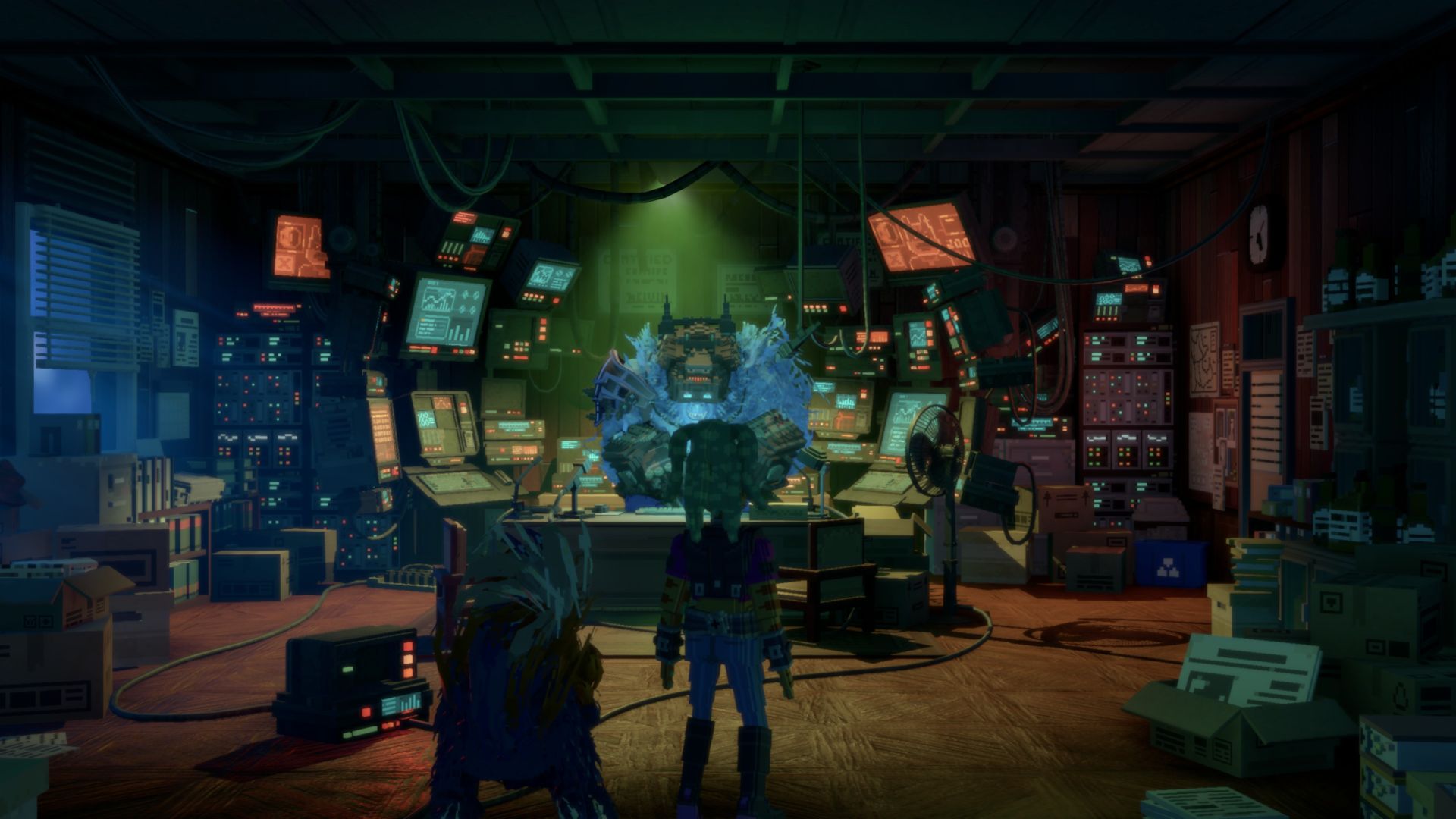
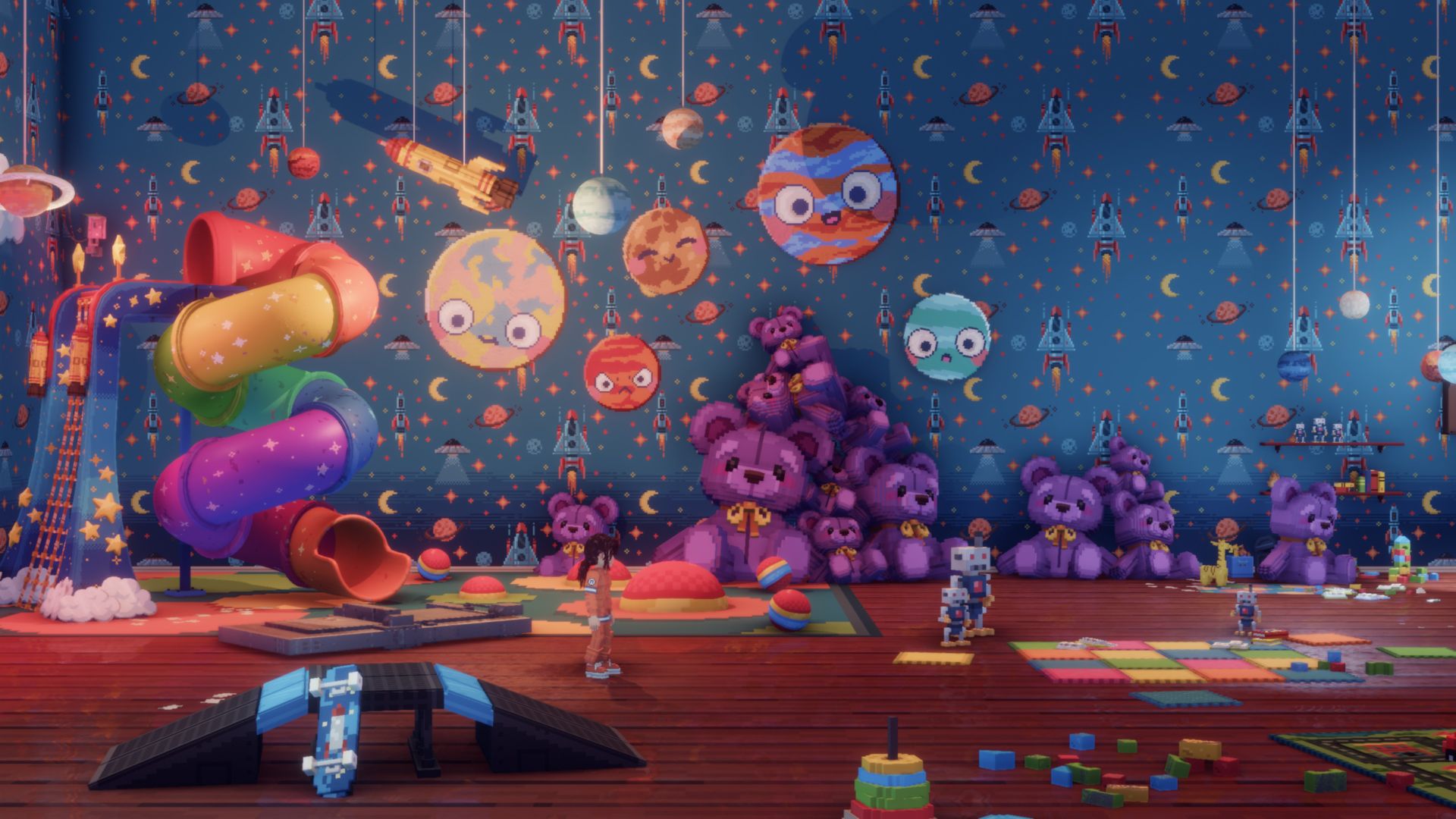
It also marks a return to the studio’s signature voxel art style, made famous through the so-called Voxel Trilogy – consisting of Riverbond, Echo Generation, and Ravenlok – although Echo Generation 2 itself stands apart as a direct sequel. It’s a sci-fi deckbuilding RPG wrapped in stunning voxel visuals, drenched in cyberpunk atmosphere and backed by another excellent synth-heavy soundtrack from Pusher.
Confusion, Coins, and Cards
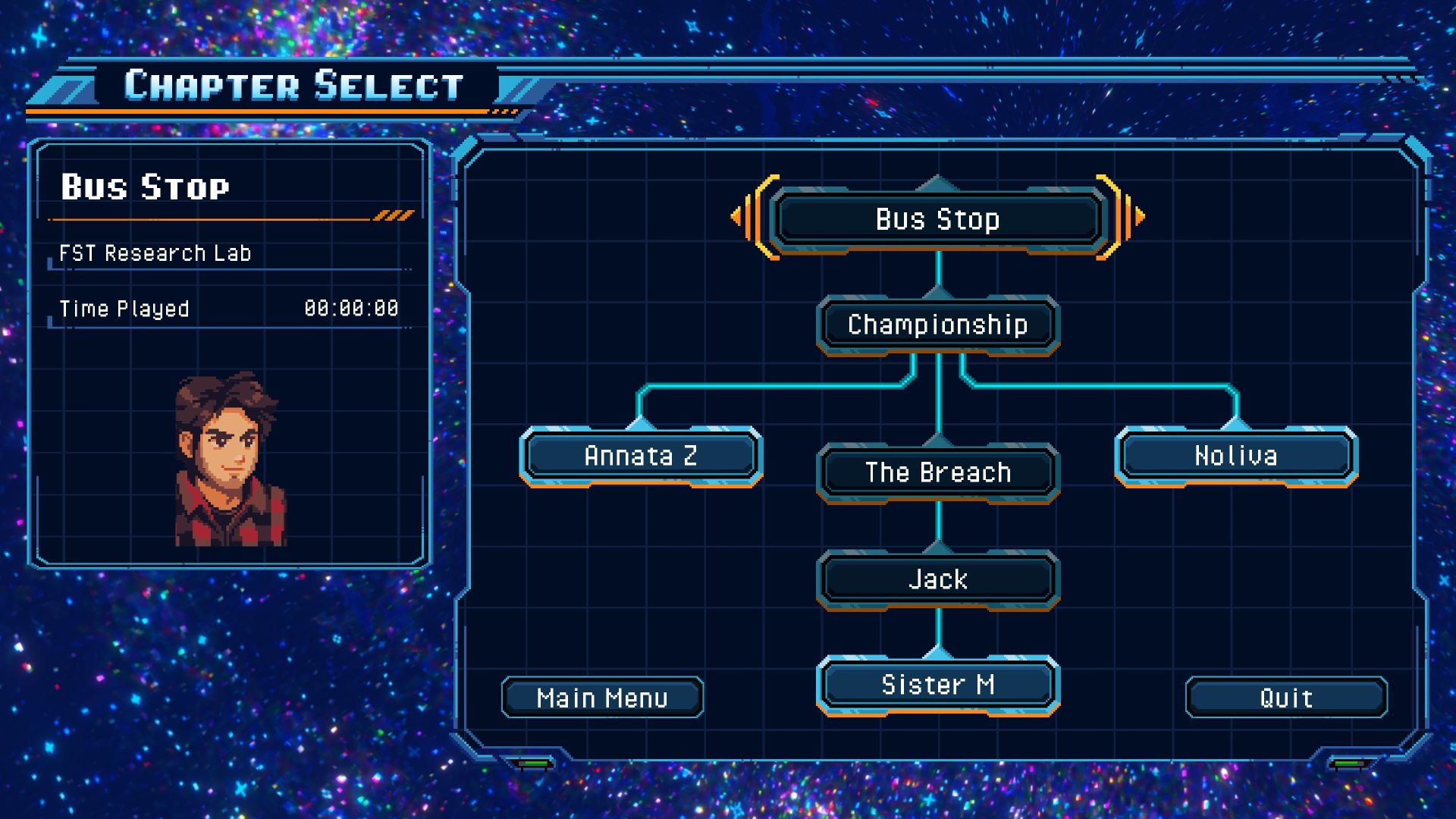
Starting the campaign in Echo Generation 2 is certainly confusing, because almost nothing about its structure is linear. While Jack is presented as the central protagonist of this adventure, you do not begin your journey with him. Instead, you are dropped into a sprawling progression tree filled with inaccessible nodes and future chapters, and are asked to choose between three characters positioned along its outer perimeter. The game eventually expands beyond its initial protagonists and introduces a roster of six playable heroes in total. Each character comes with their own deck archetypes, abilities, and progression paths.
You can begin with Noliva, a punk bounty hunter; Annata Z, a zombie desperately searching for her missing child; or Sister M, a young girl with a knack for supernatural combat, each starting in a completely different location. The freedom to tackle these opening chapters in any order is interesting, but it also makes the first hours feel fragmented and somewhat disconnected.
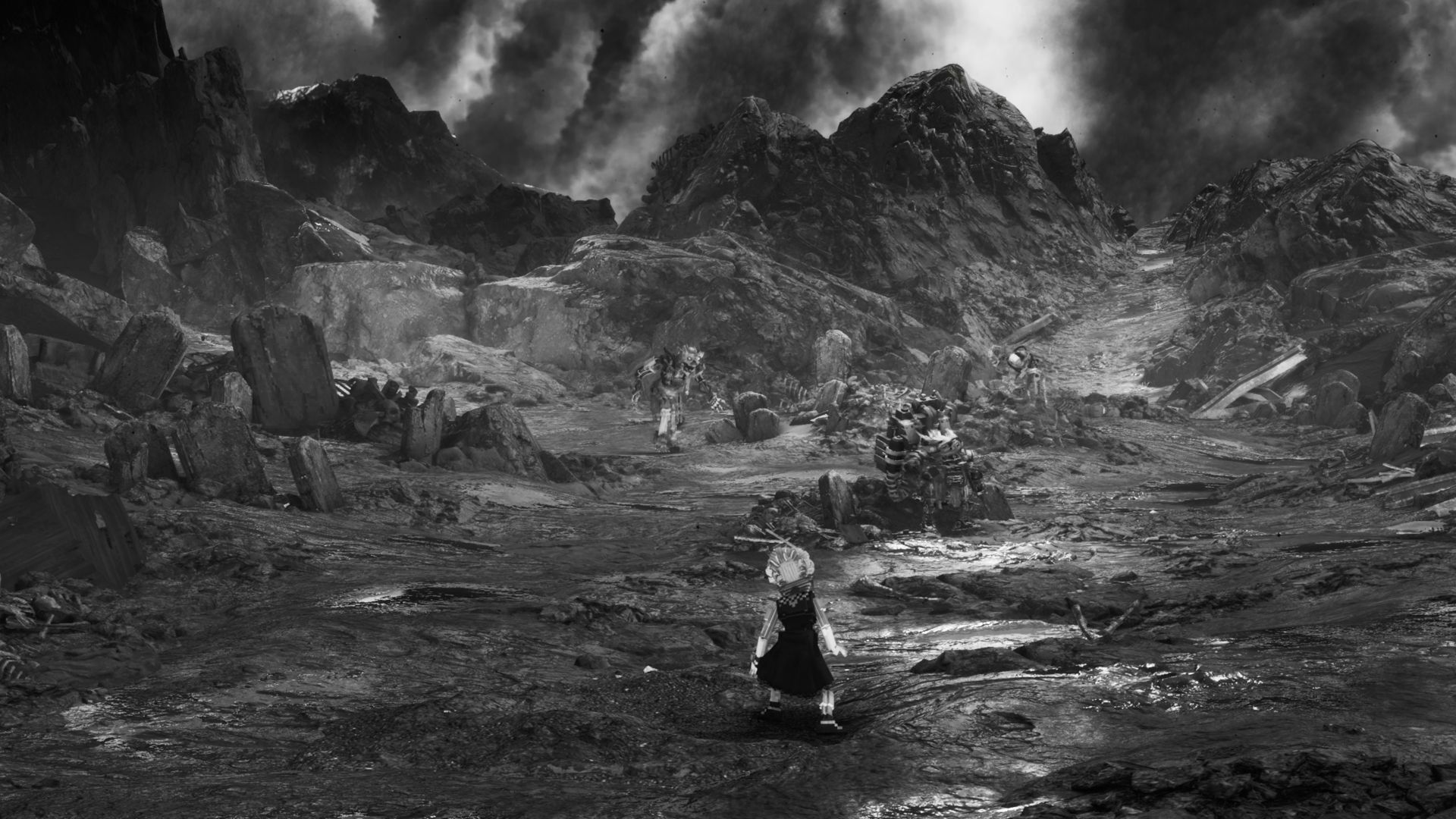
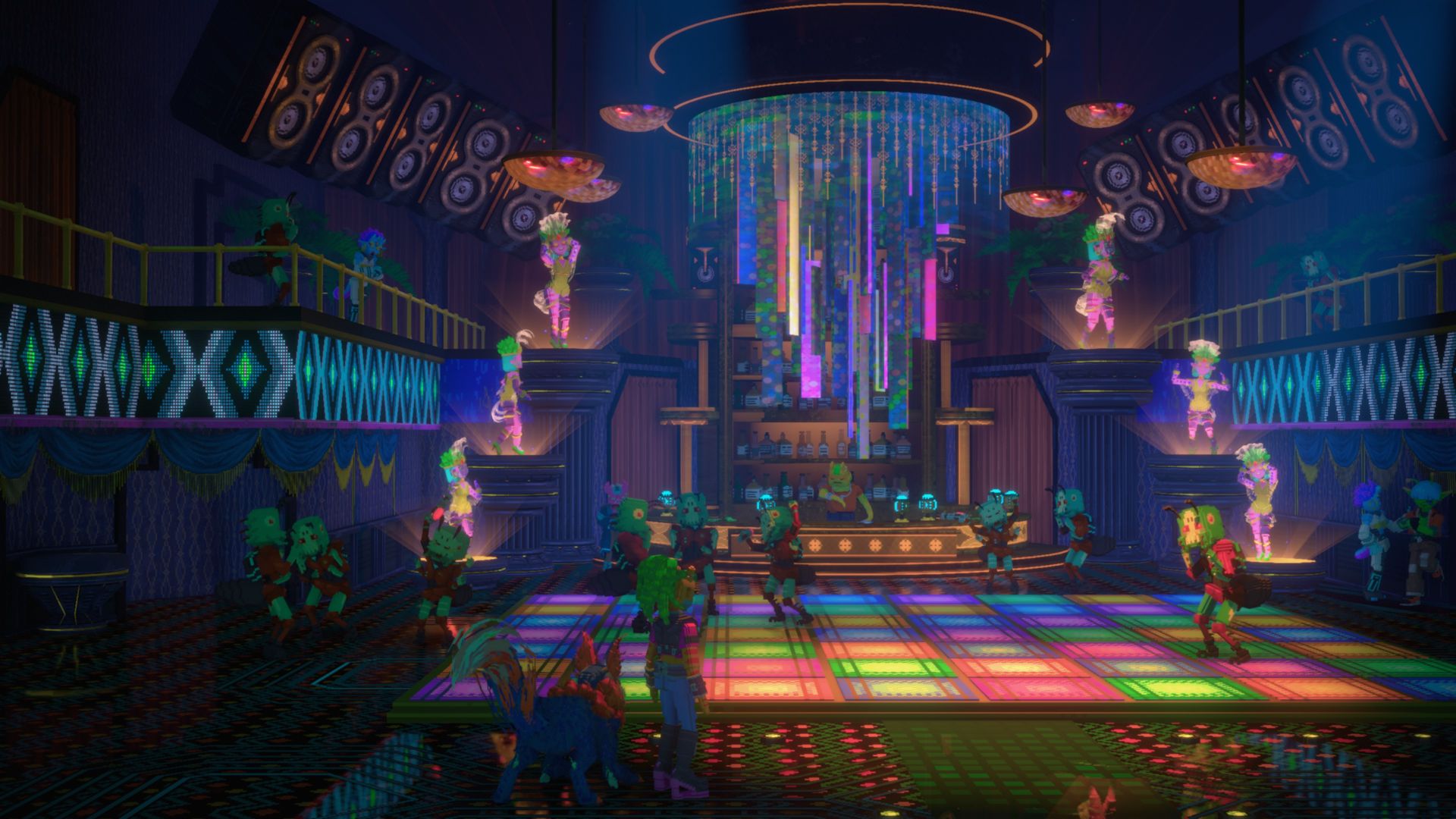
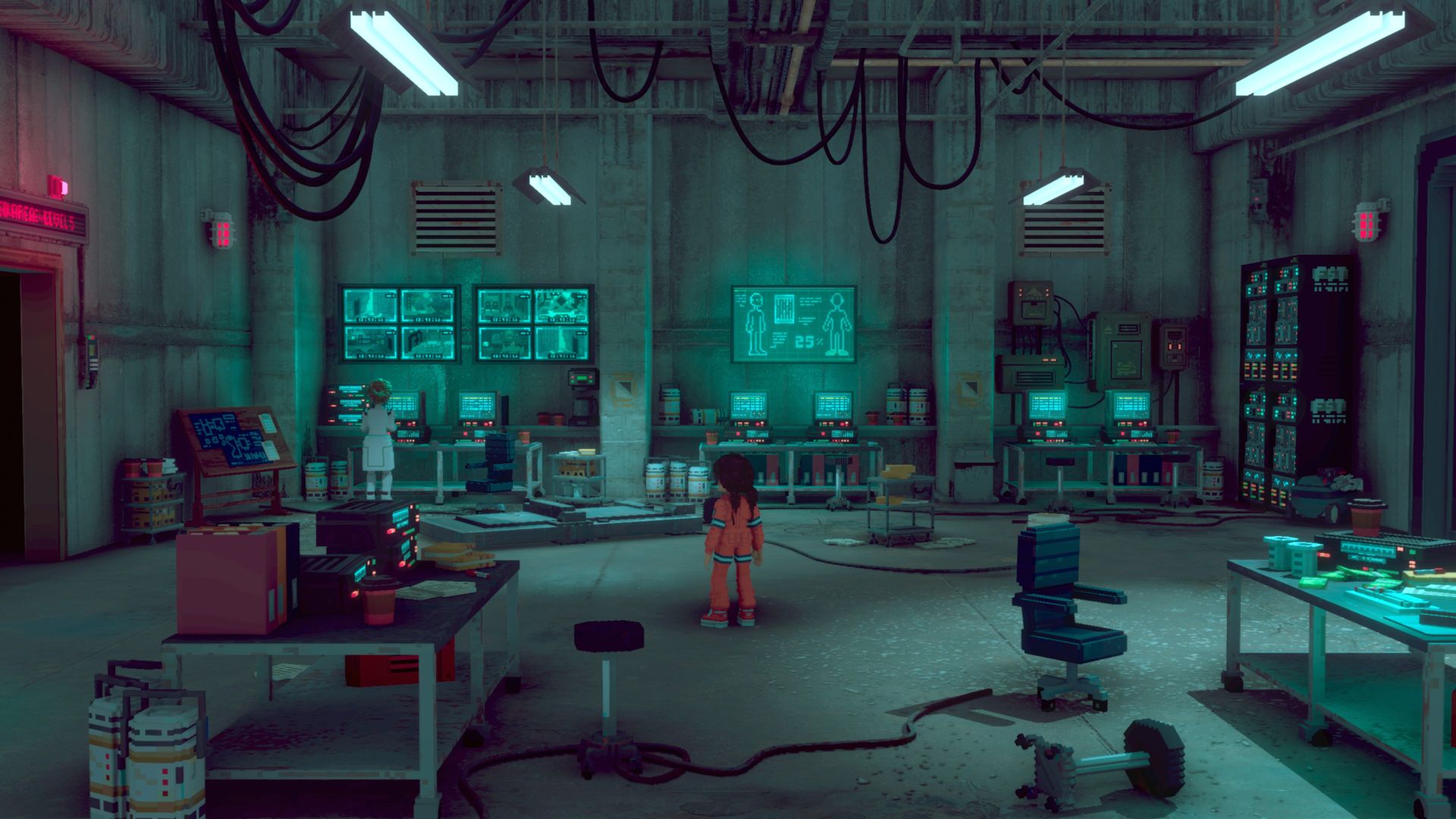
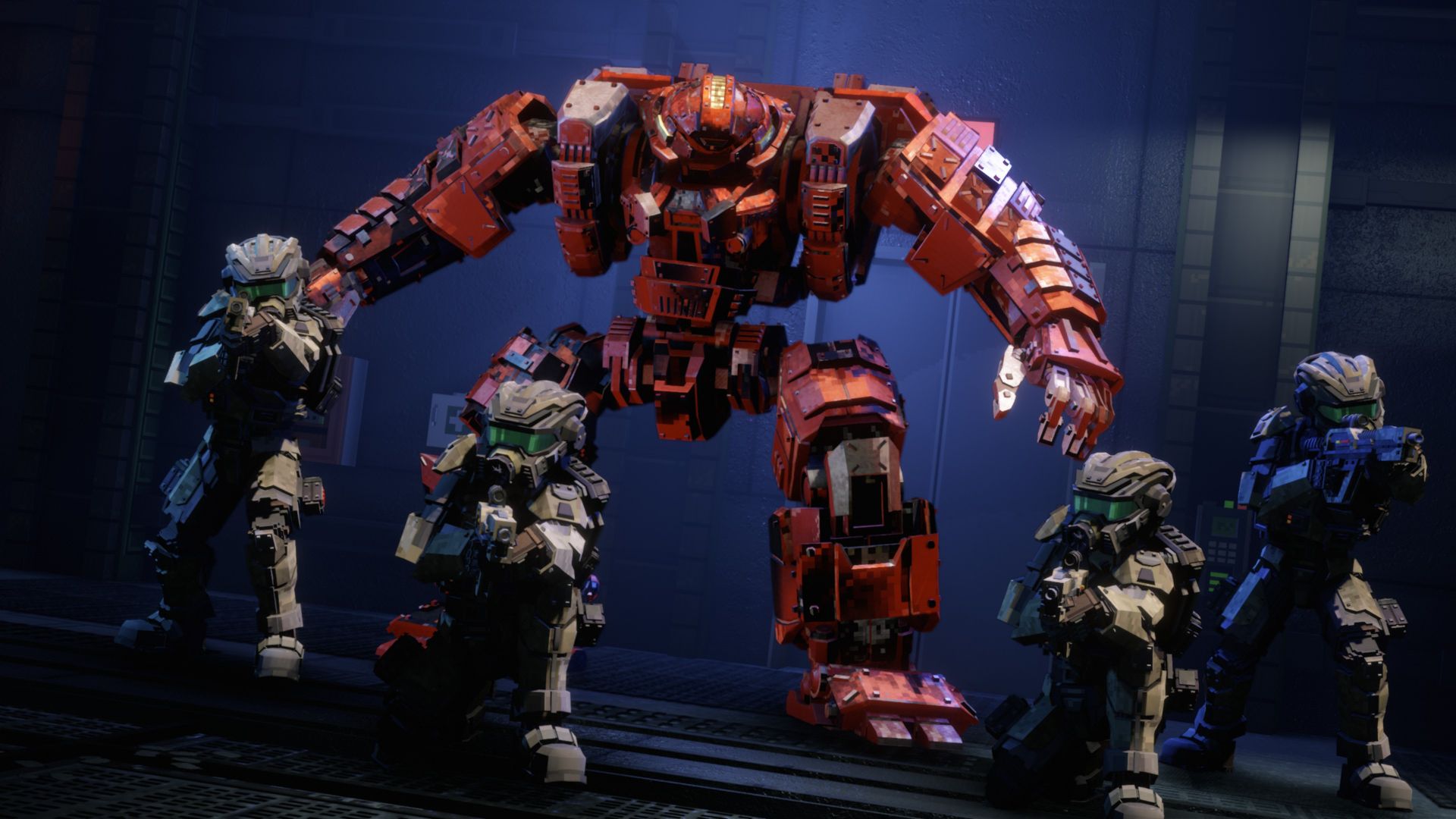
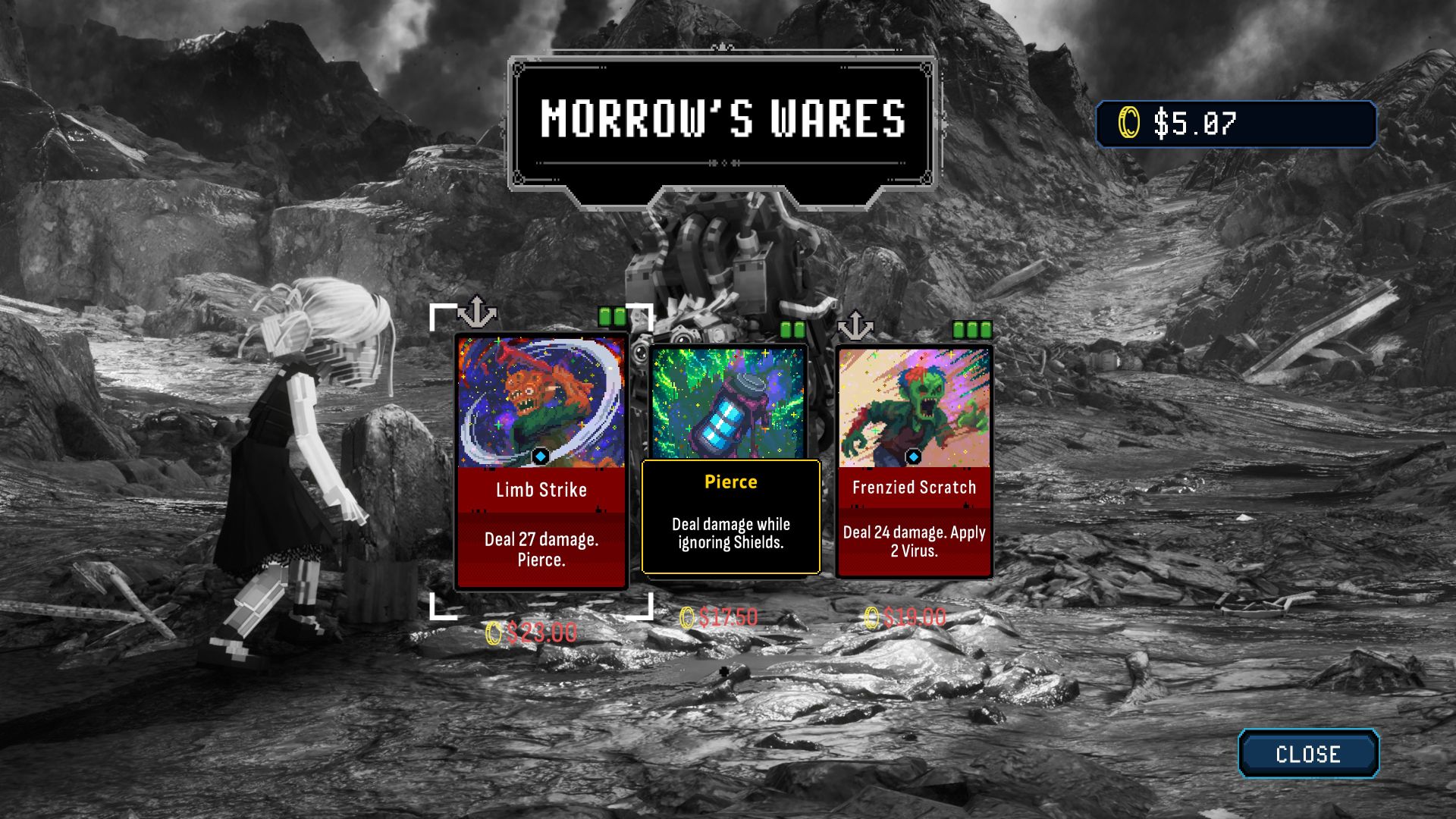
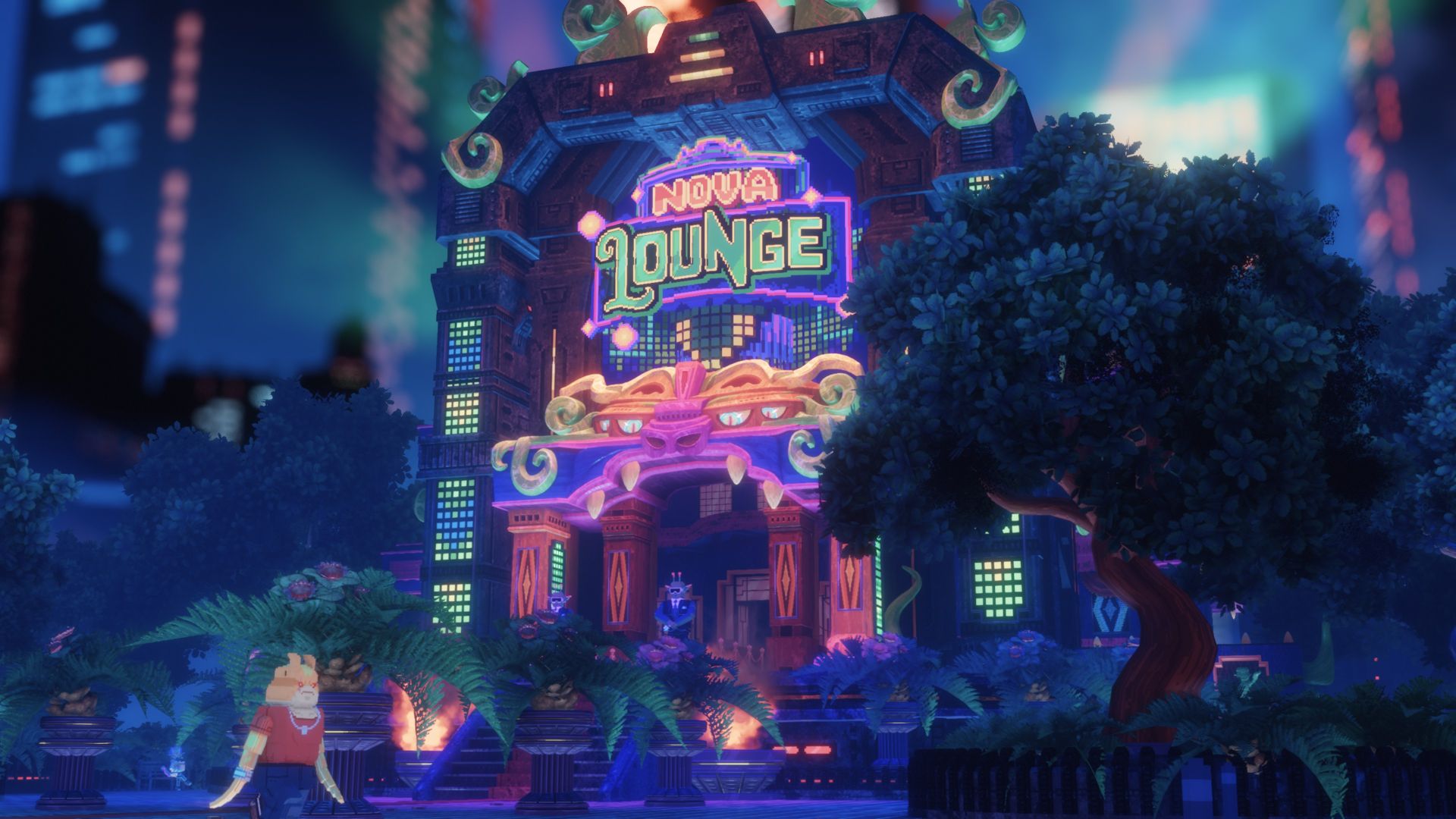
Regardless of which character you choose, the game immediately impresses with its post-apocalyptic cyberpunk atmosphere. Neon District is an absolute visual feast, while the stark, grayscale dystopian wasteland of Fisterra delivers some of the game’s most memorable scenery. As you explore, you’ll gather coins and cards to improve your deck while deciding whether to fight, avoid, or converse with the strange inhabitants of this universe. Fellow exiles, hostile robots, bizarre creatures, and towering mechs all populate the world, creating a constant sense of danger and mystery.
Stance-Breaking Punishment
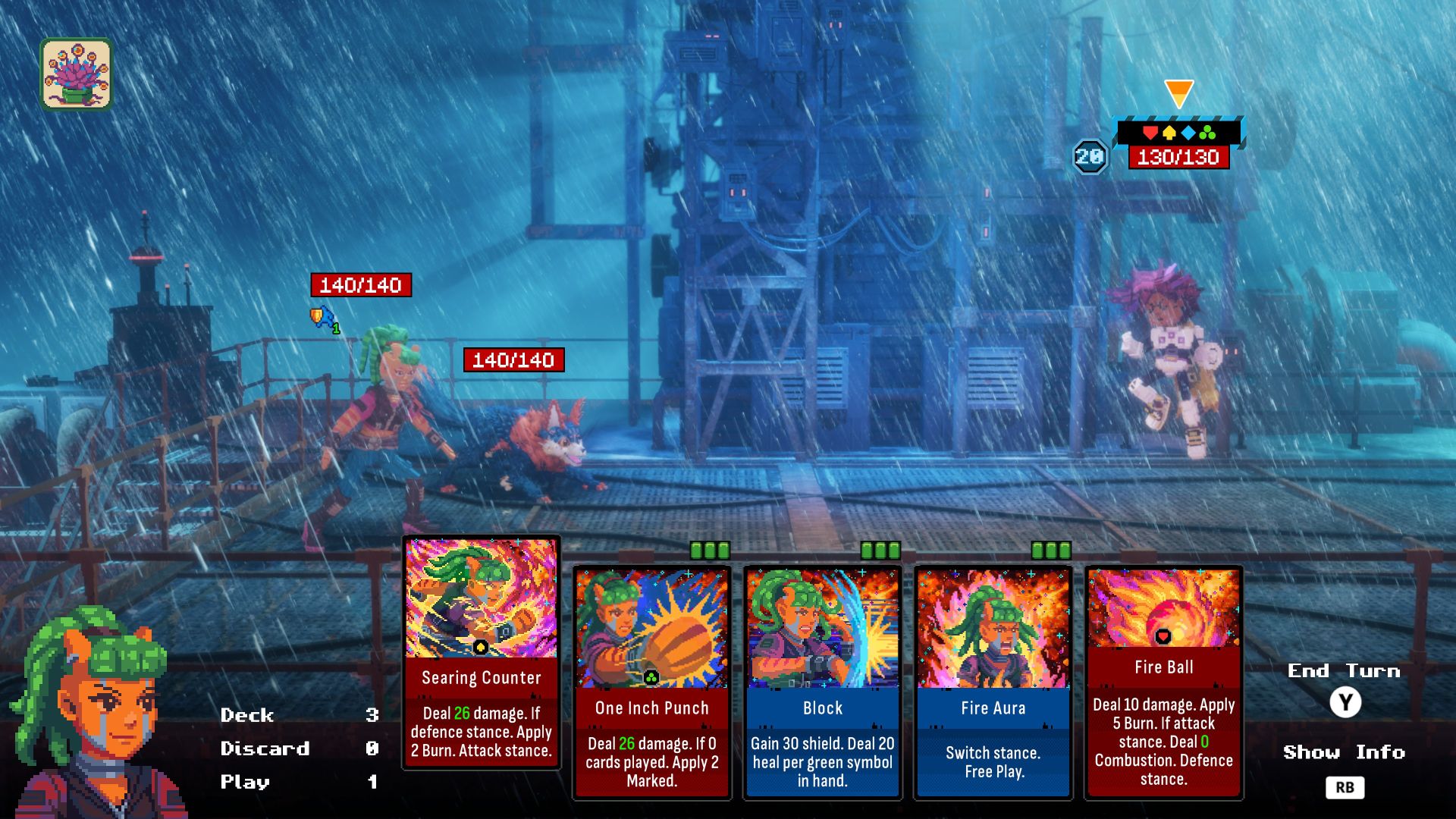
Echo Generation 2‘s combat represents the biggest departure from the original game. Instead of relying primarily on traditional turn-based attacks, battles now revolve around deckbuilding mechanics, enemy weaknesses, stance-breaking systems, while preserving the timed button presses used to mitigate incoming damage. The foundation is solid and easy to understand. The gameplay certainly provides a satisfying sense of progression during the early hours, and on paper, the stance-breaking mechanic seems poised to add meaningful tactical depth.
In practice, however, the combat system often feels more rigid than strategic. Most encounters play out according to a fairly predetermined rhythm where success depends heavily on exploiting displayed symbols and maximizing raw damage output. While status effects occasionally introduce some unpredictability, the promising card synergies rarely feel impactful enough to fundamentally alter your approach. To be fair, I rarely felt these combinations created the kind of strategic depth the game seems to be aiming for.
The result is a system that remains accessible but never evolves into something particularly nuanced. Enemy counterattacks are also remarkably punishing. Despite the active-defense button prompts, opponents frequently hit hard enough to send you back to the game over screen. Fortunately, failures usually allow for immediate retries within the current section, reducing some of the frustration.
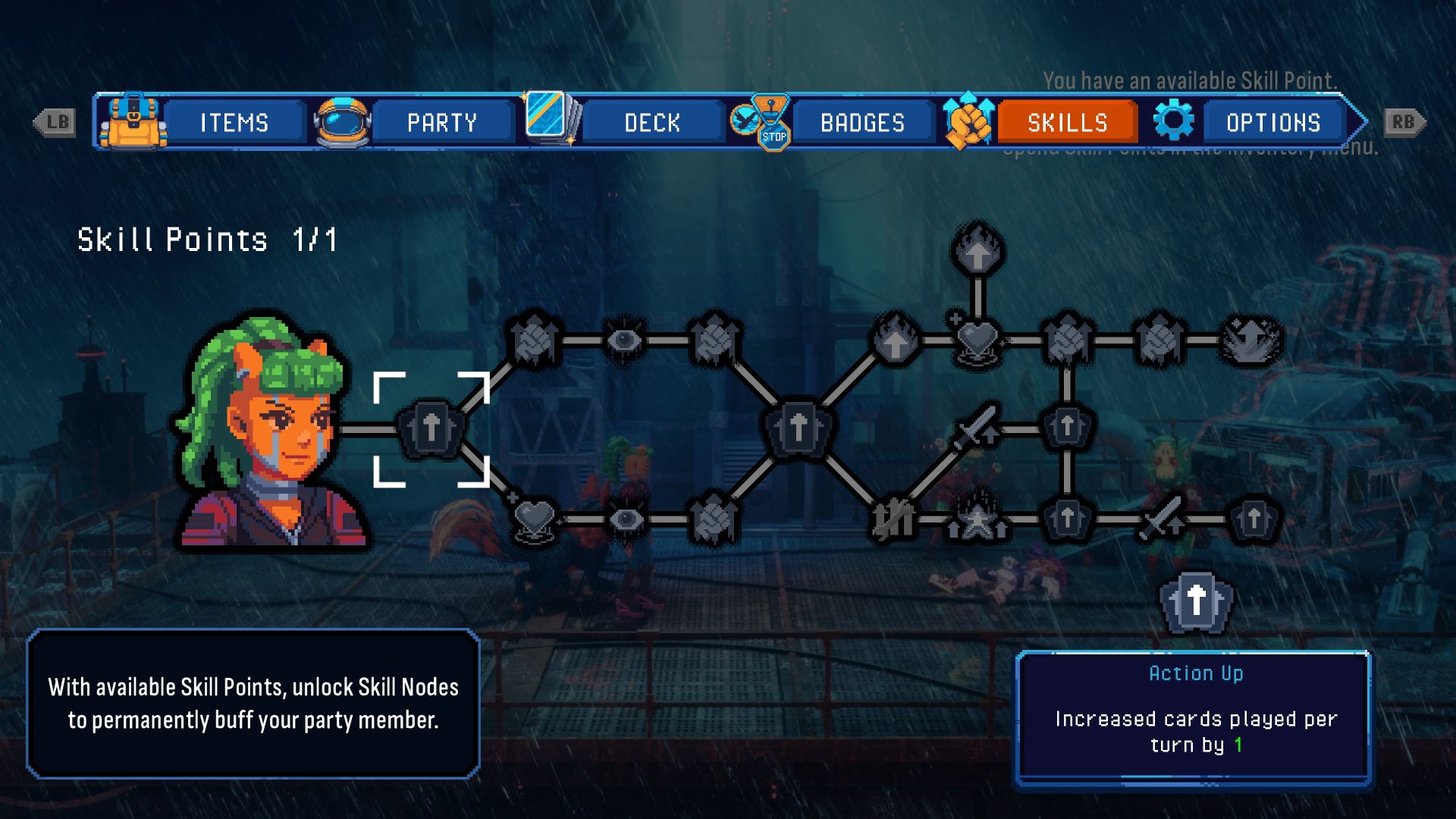
Outside combat, deck management remains straightforward. The Card Deck menu allows you to swap and upgrade cards earned through battles, while the Badge system acts as a basic perk mechanic. Victories reward new cards alongside experience gains for health and damage, while completing major objectives can unlock bonuses that benefit your entire crew, such as additional card draws and passive upgrades.
Near-Softlock Situations
One of my biggest frustrations is the complete absence of difficulty settings. This is not a casual turn-based RPG for newcomers. Difficulty spikes are frequent, and some encounters feel balanced around very specific deck compositions or upgrades. Combined with the lack of manual rollback saves, this can occasionally create situations that feel dangerously close to softlocking your progress.
The game never technically trapped me in an unwinnable state, but there were several moments where advancing became an exercise in repeated failures because I lacked specific cards or upgrades. In those situations, restarting the level often felt like the only practical solution.
And while real-time stealth mechanics occasionally let you bypass overpowered enemies, you can only avoid or delay an unfair battle for so long. Eventually, progression inevitably forces you into confrontations with powerful opponents. Certain side paths can even trigger multiple such enemies rushing toward you simultaneously. These encounters often feel brutally unforgiving regardless of how cleanly you execute the timing mechanics or how large your card collection has become. Still, the hardcoded difficulty will hit hard. Maybe too hard.
Audiovisual Excellence
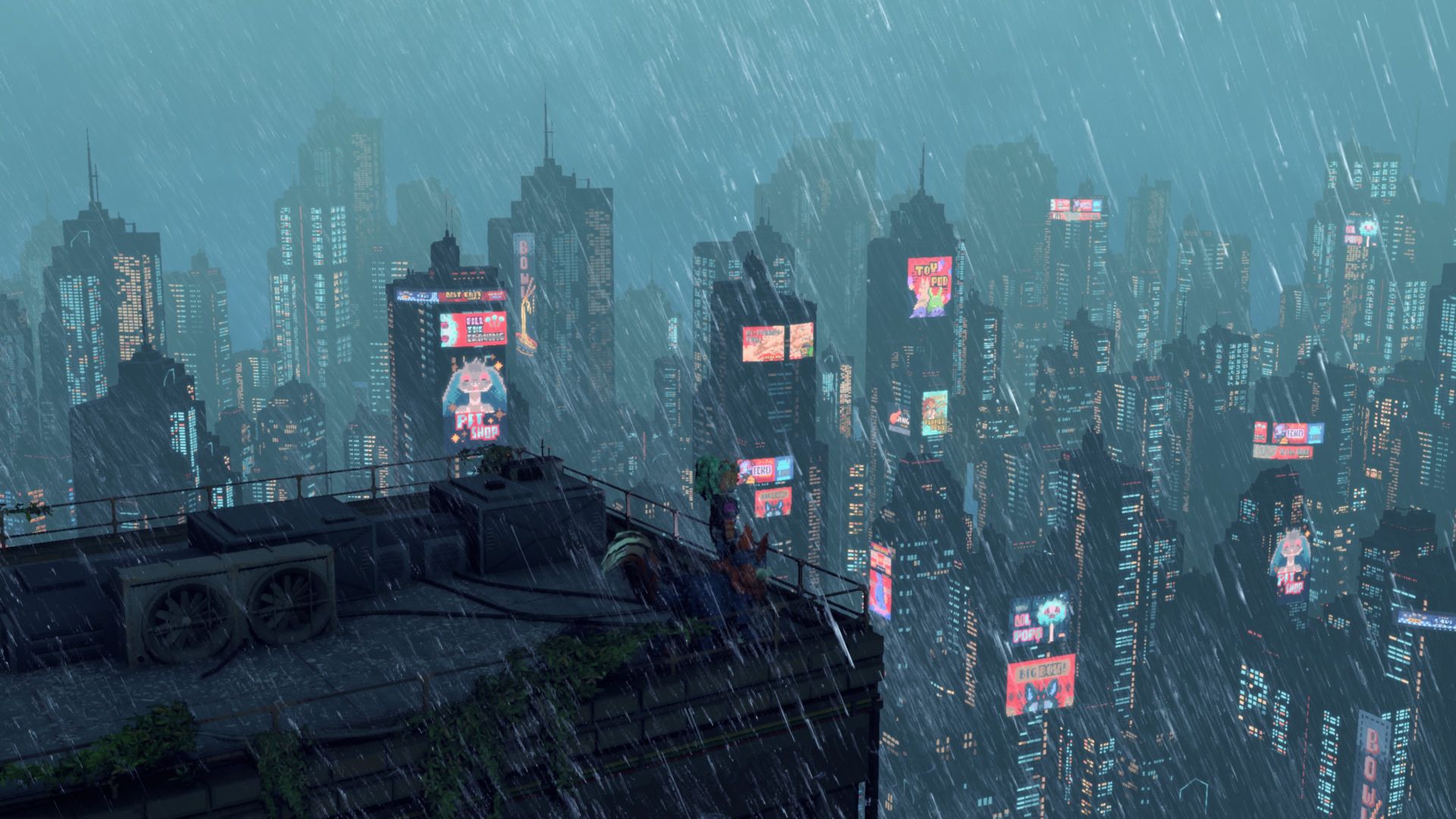
If there is one area where Echo Generation 2 rarely stumbles, it is presentation. Performance remains consistently stable throughout the adventure, while the environments showcase some of Cococucumber’s best work to date. The contrast between monochromatic despair (such as Fisterra) and vibrant neon glow (like Neon District’s towering skyscrapers) creates a world that is constantly captivating to look at. Tower 92, where Noliva lives alongside her dog-like companion Strix, offers one of the game’s standout vistas. Looking out across the rain-soaked city, illuminated by endless screens and towering structures, perfectly captures the game’s cyberpunk identity.
The soundtrack deserves equal praise. Composer Pusher returns with another collection of dreamy, retro-inspired synthwave tracks that effortlessly elevate the mesmerizing environments. Even during some of the game’s more frustrating moments, the music remains a compelling reason to keep exploring. Yes, audiovisually, Echo Generation 2 is an undeniable success.
A Mystery That Never Fully Comes Together
Unfortunately, the same level of praise cannot be extended to the narrative structure. The multi-perspective storytelling frequently shifts between characters, locations, and tones. Although this variety keeps the adventure visually fresh, it also contributes to a fragmented pacing structure. Compounding the issue is the lack of a quest log or reliable reference system. Important objectives can become surprisingly easy to lose track of, leaving you wondering where to go next or why you arrived there in the first place.
And while the various storylines eventually begin to converge, the overall narrative never fully clicks together. The individual threads are often interesting on their own, but the larger mystery connecting them all ultimately feels less impactful than it should.

Final Thoughts
Echo Generation 2 is a visually stunning but frustratingly uneven sequel. Its gorgeous voxel art, atmospheric cyberpunk settings, memorable synth soundtrack, and ambitious multi-character structure constantly pull you forward. Yet those strengths are repeatedly undermined by rigid combat design, limited strategic depth, harsh difficulty spikes, and a narrative that struggles to cohesively tie its many perspectives together.
Cococucumber has successfully expanded the scale and scope of the original Echo Generation, but the result often feels more impressive to admire than it is enjoyable to play. Audiovisual excellence is easy to find here. Genuine gameplay satisfaction, however, may prove considerably harder to uncover.
Additional Information
Release Date: May 27, 2026
Reviewed On: PC. Download code provided by the publisher and PR agency.
Developer: Cococucumber
Publisher: Cococucumber
Relevant links: Available for Xbox Series X|S and PC through Steam and the Microsoft Store. Subscribers to Game Pass will also have day-one access to the game.