DaRmaZat
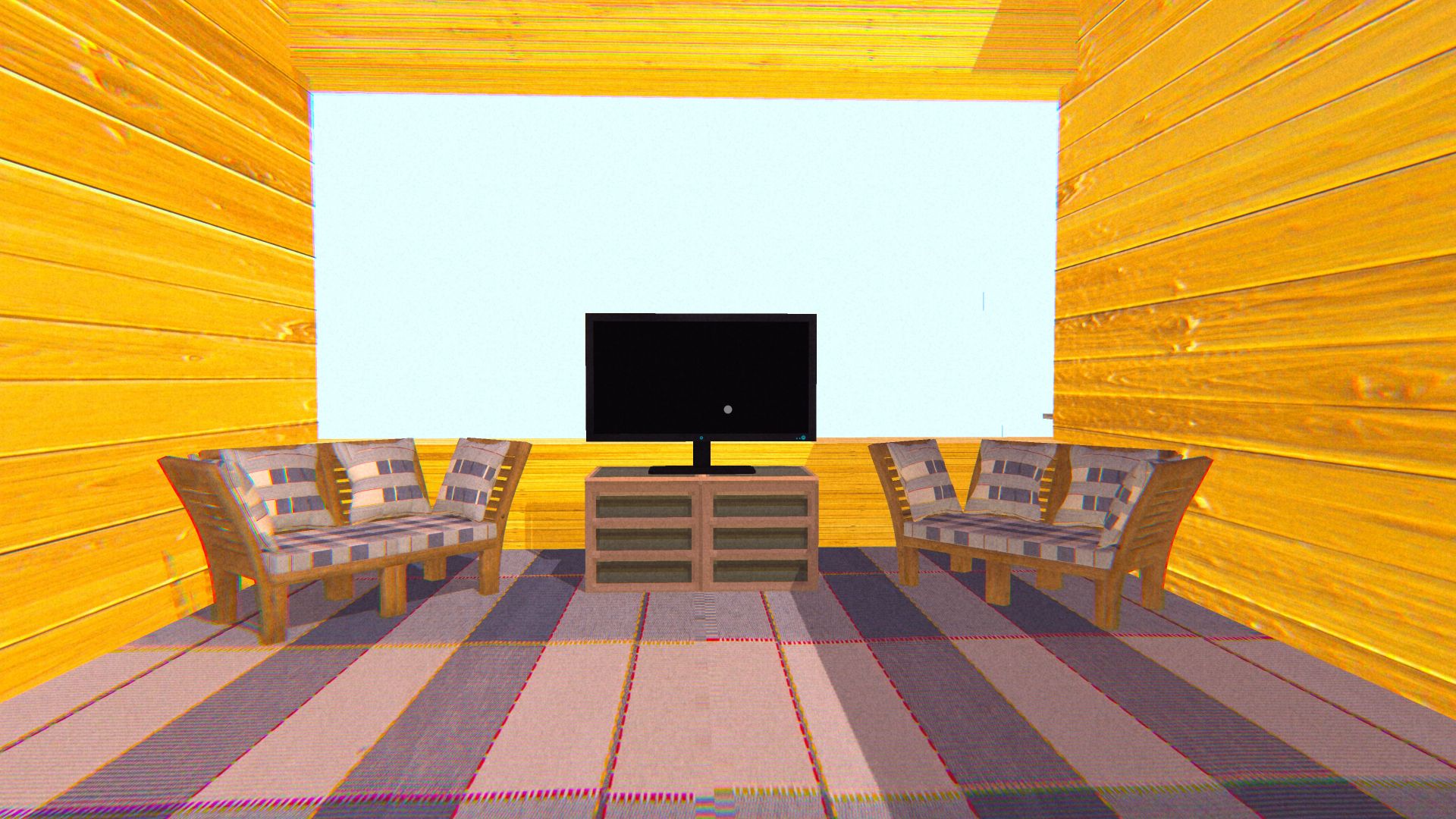
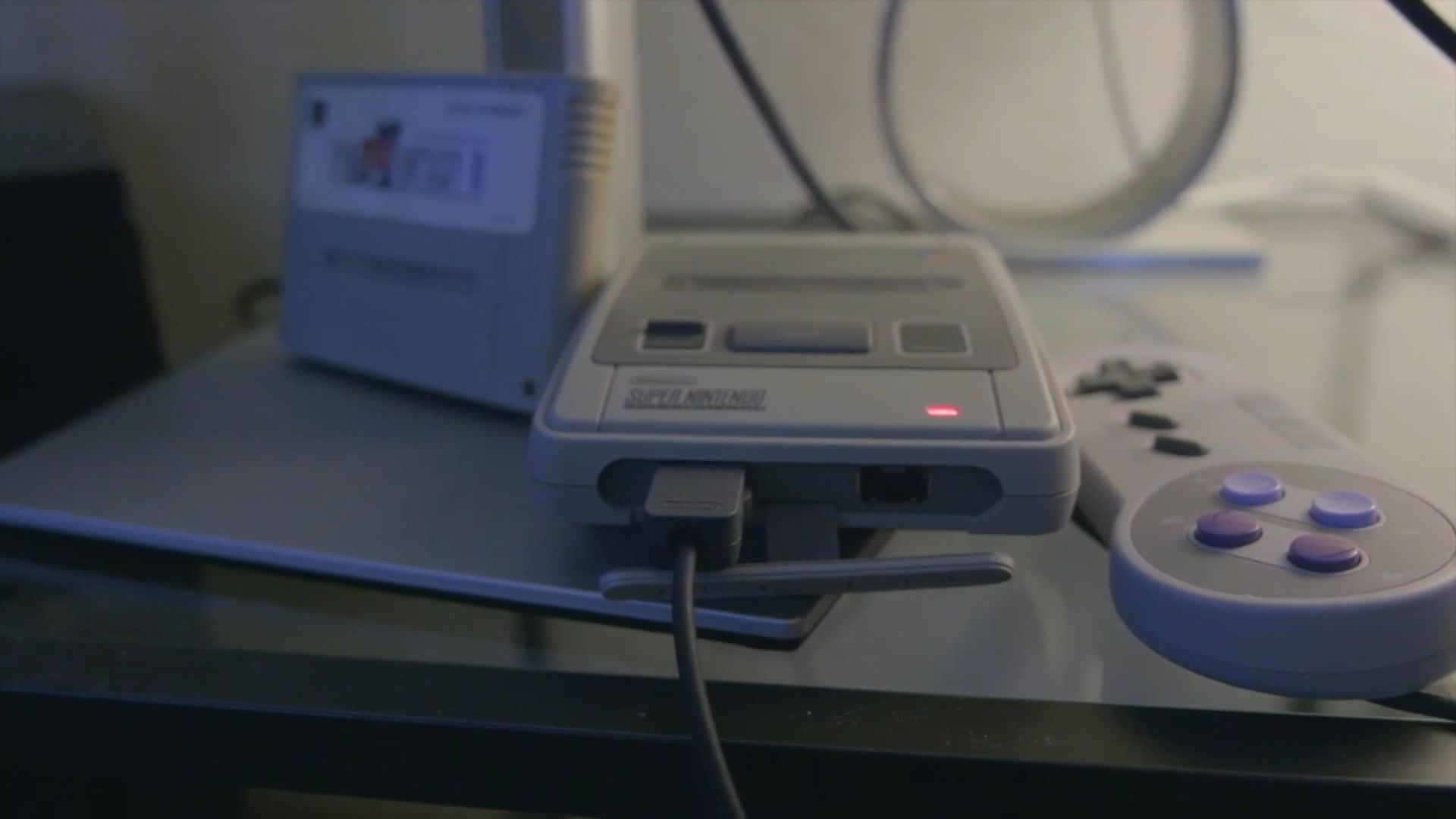
 Dropping today, The Remake of the End of the Greatest RPG of All Time introduces one of the most intriguing premises of the year. In this deduction puzzle game, you find yourself inside the final hour of a fictional lost ’90s JRPG. Through a combination of gameplay, a partially restored game manual, director’s commentary tracks, and unreleased amateur documentary footage, you are tasked with uncovering the mystery at its center: what exactly is the greatest RPG of all time?
While this meta-conceptual approach is not entirely unique – titles like Tunic and Inscryption immediately come to mind – the execution feels remarkably distinct. Here, The Remake of the End of the Greatest RPG of All Time turns understanding the game itself into the puzzle. But in the end, is it actually comprehensible? Or is that rather the intention that it not be?
Mind Games and a Cast of Misfits
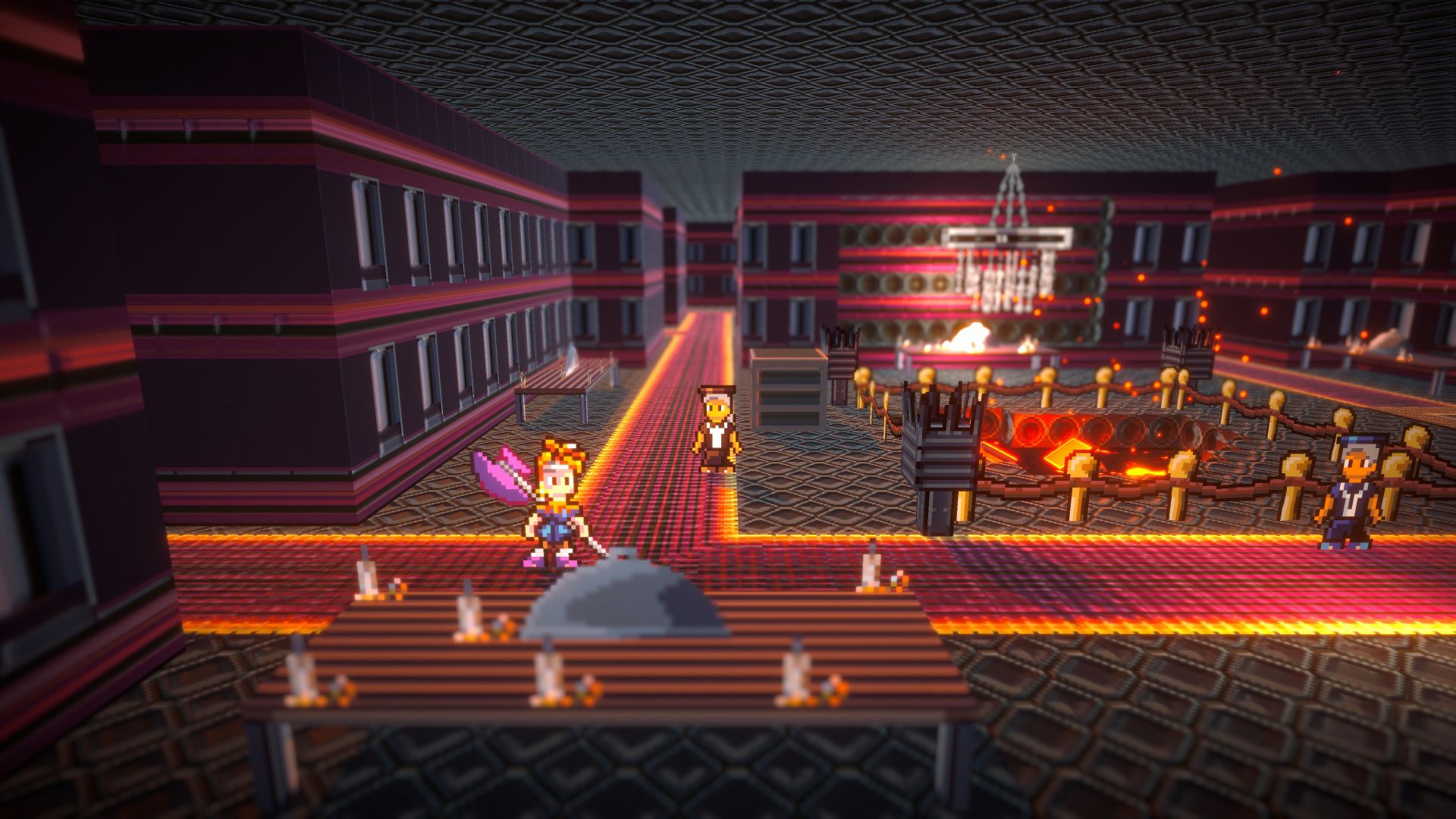
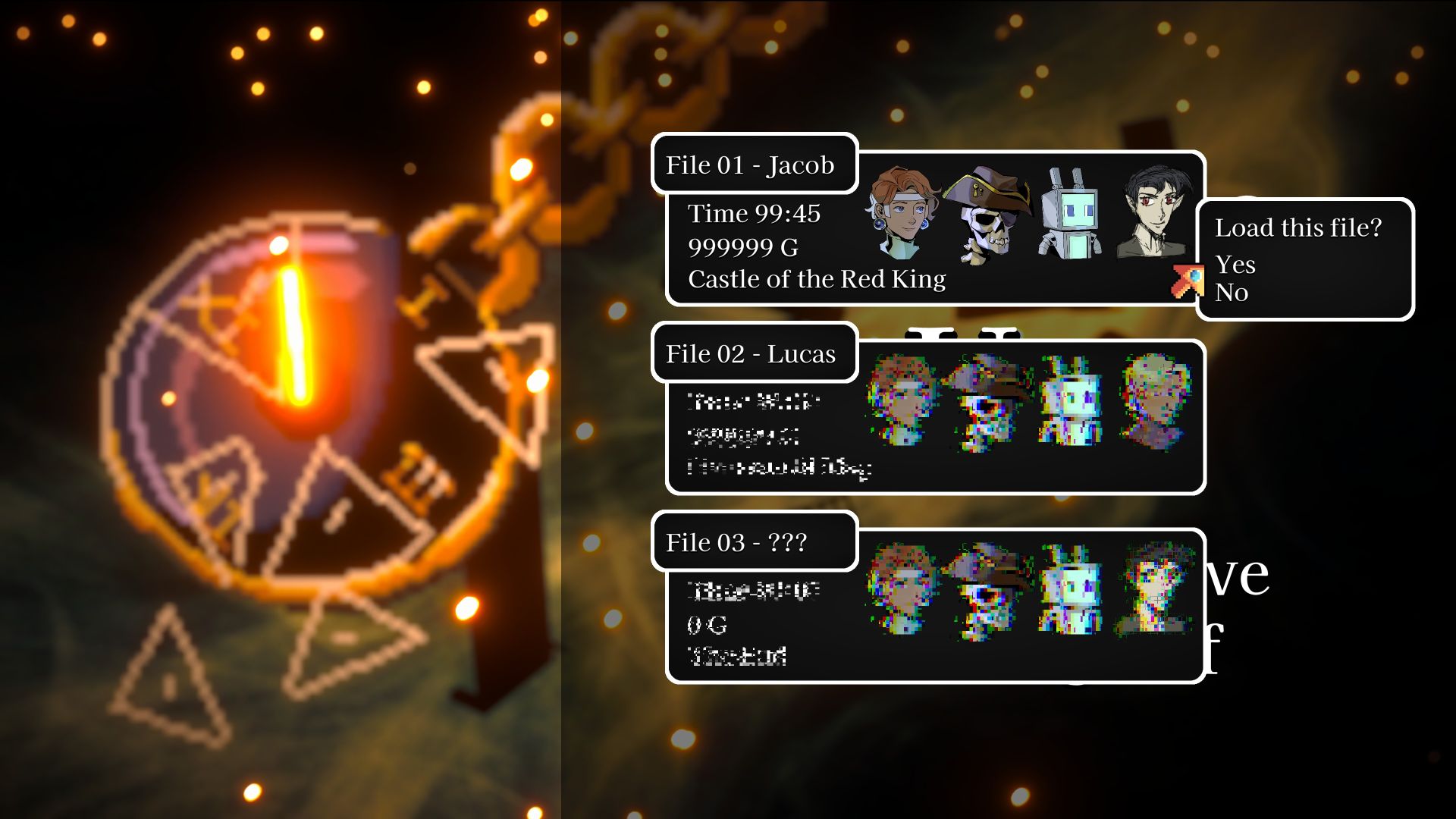
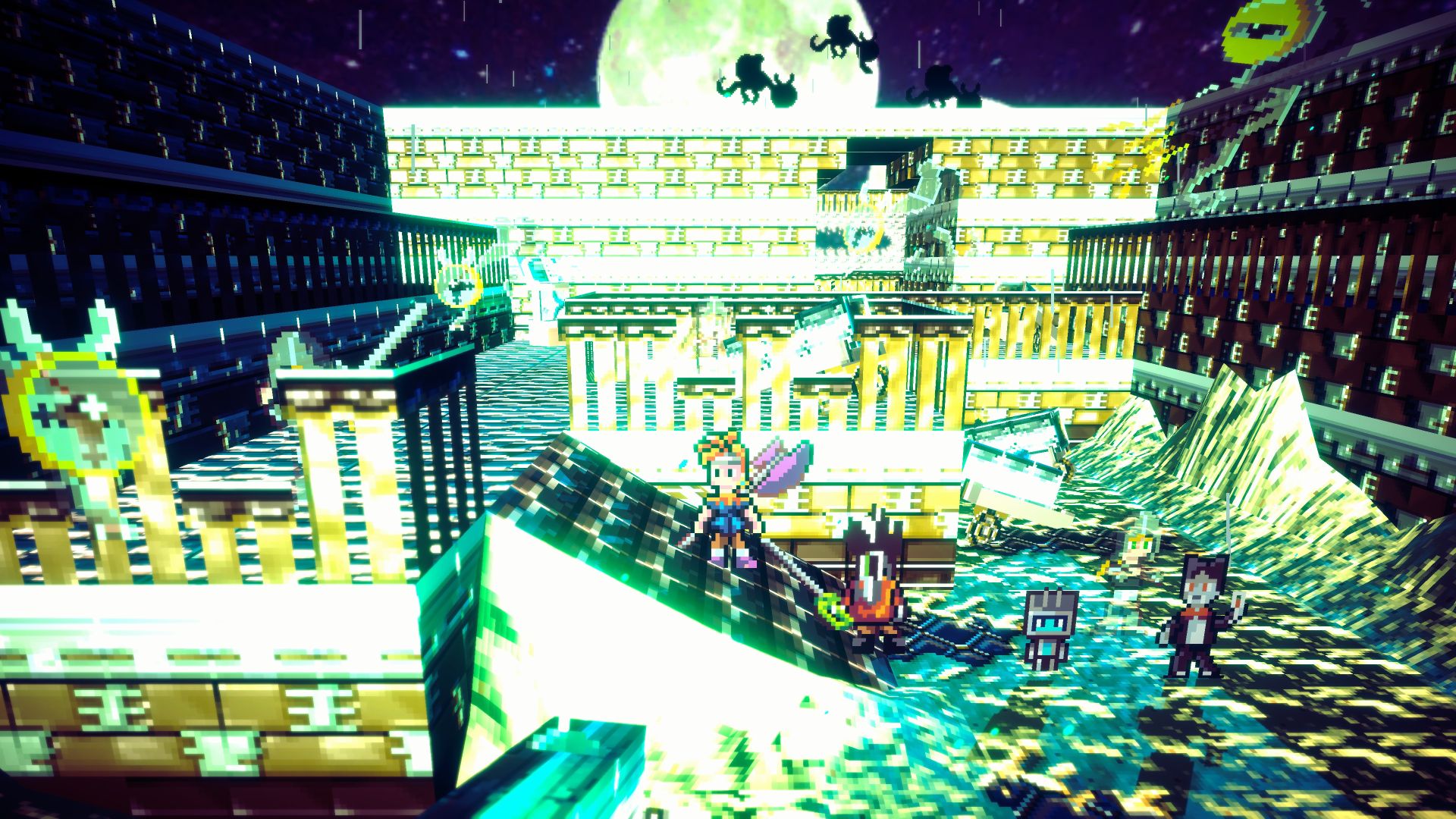
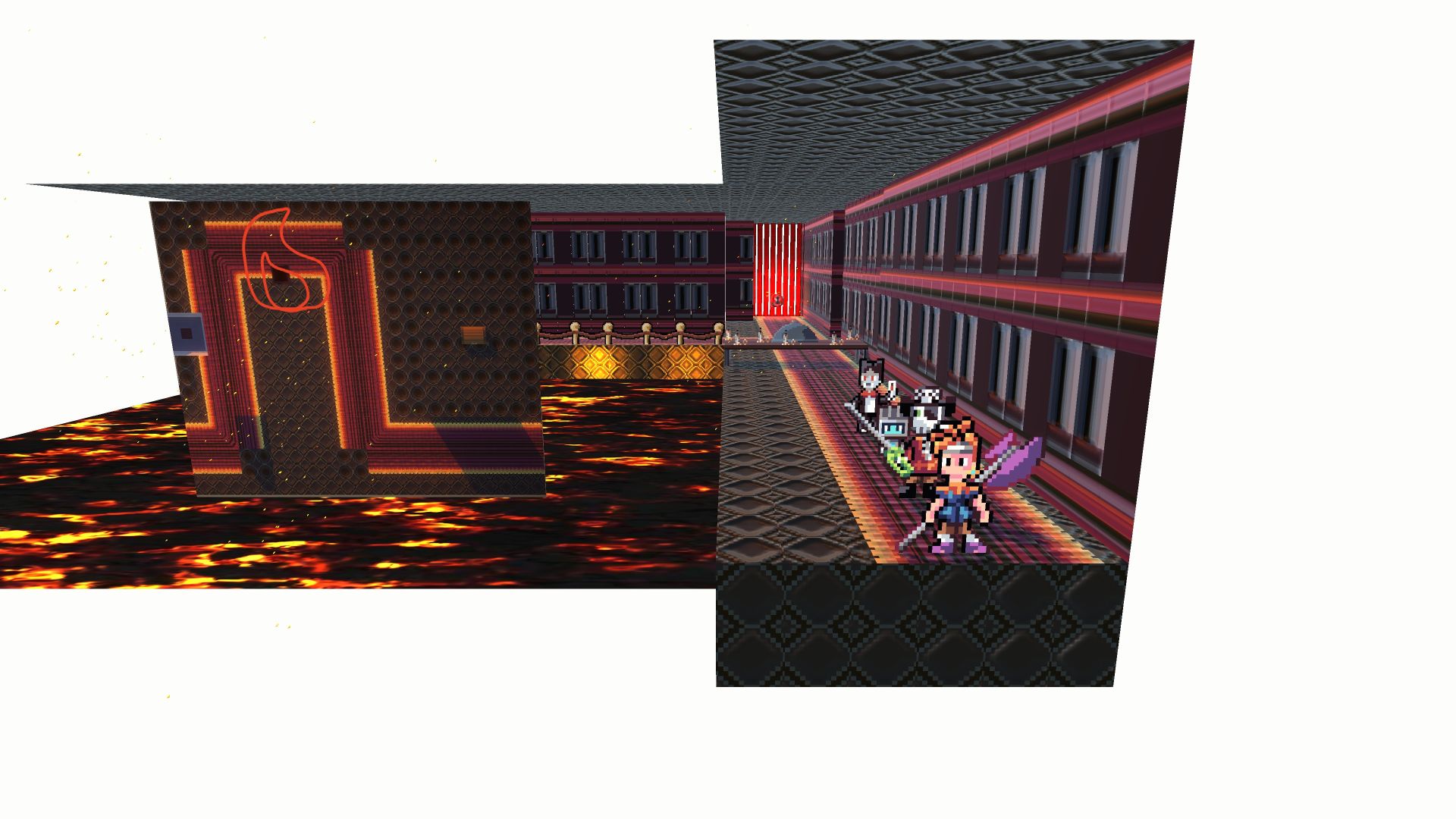
Right from the opening screen, it becomes obvious that this game delights in messing with your head. Rather than beginning at the start of a grand adventure, you are effectively dropped into what feels like someone else’s completed save file, in the Castle of the Red King, with an endgame party, established lore, and an absurd amount of playtime behind it.
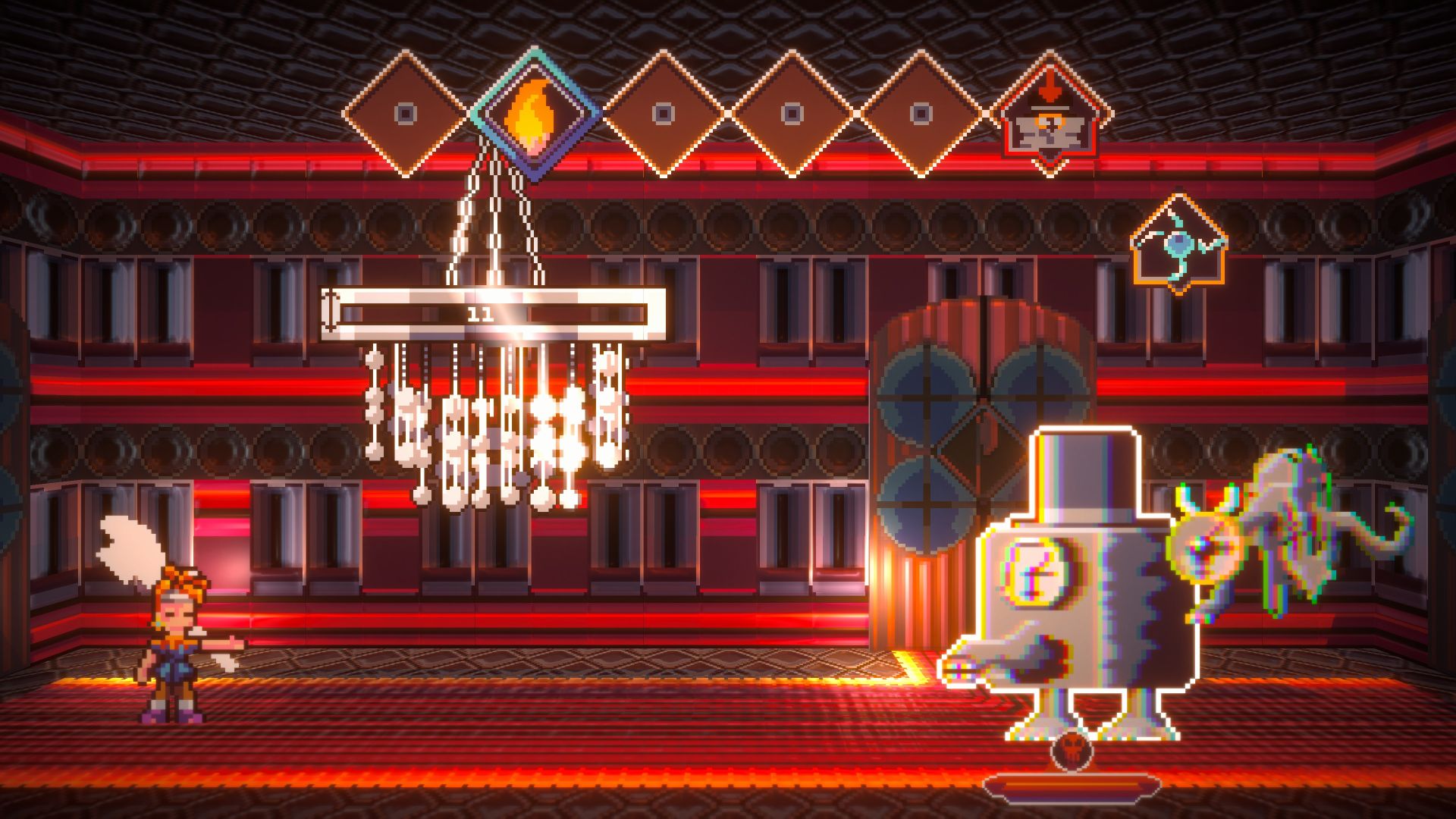
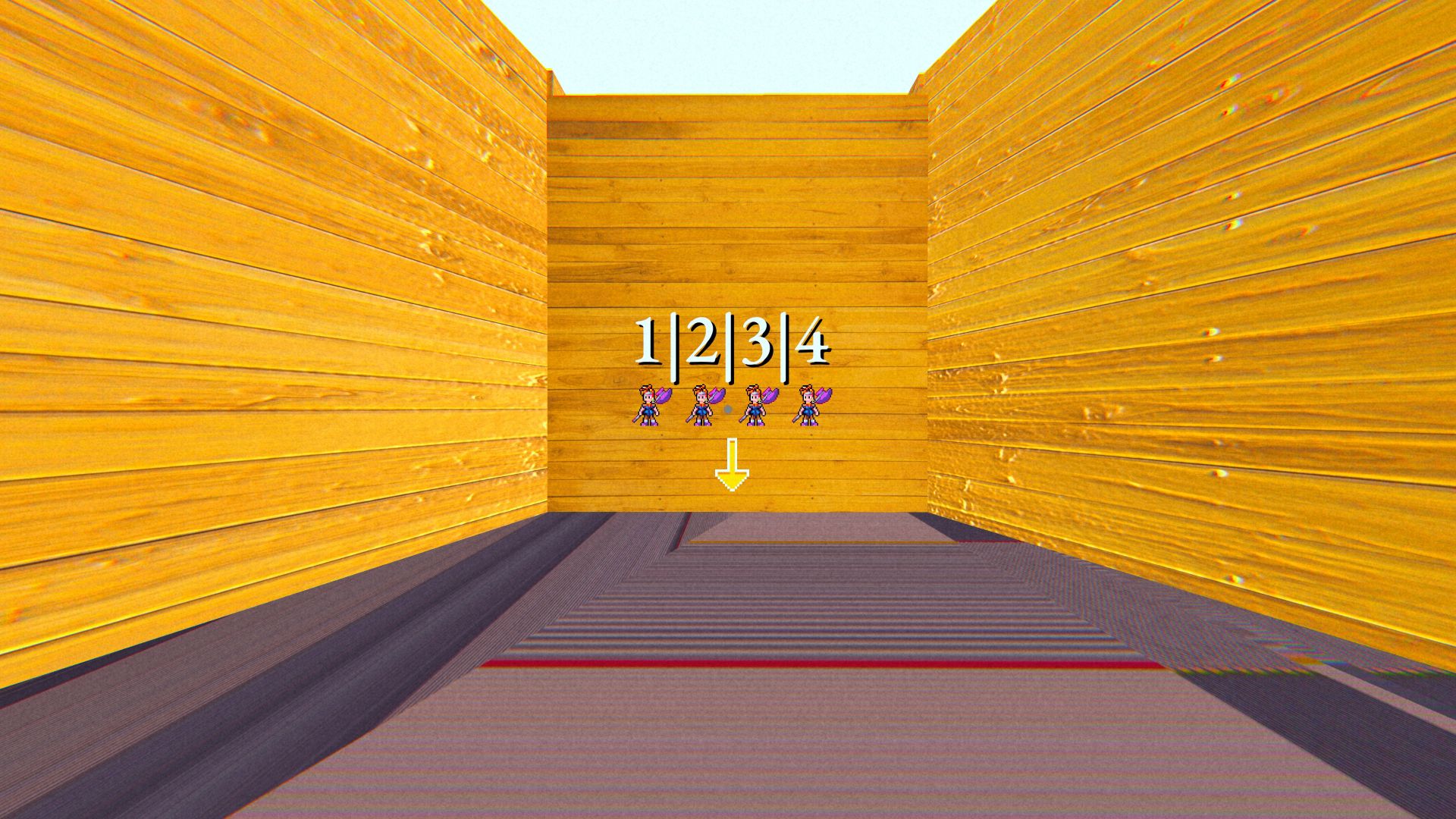
Nevertheless, within moments of loading in, your entire party is instantly wiped out. You stand absolutely no chance against the Chronobeast, a massive encounter that is not even the actual final boss. Watching your party drop dead immediately is strangely comical, especially given the motley crew of pixelated adventurers under your command. You control Rose, the rather traditional heroine; Robert, an awkward robot; Darkhart, a vampire inexplicably carrying a lit candle; and Captain No Beard, an undead pirate who, true to his name, completely lacks a beard, duh, he is a skeleton.
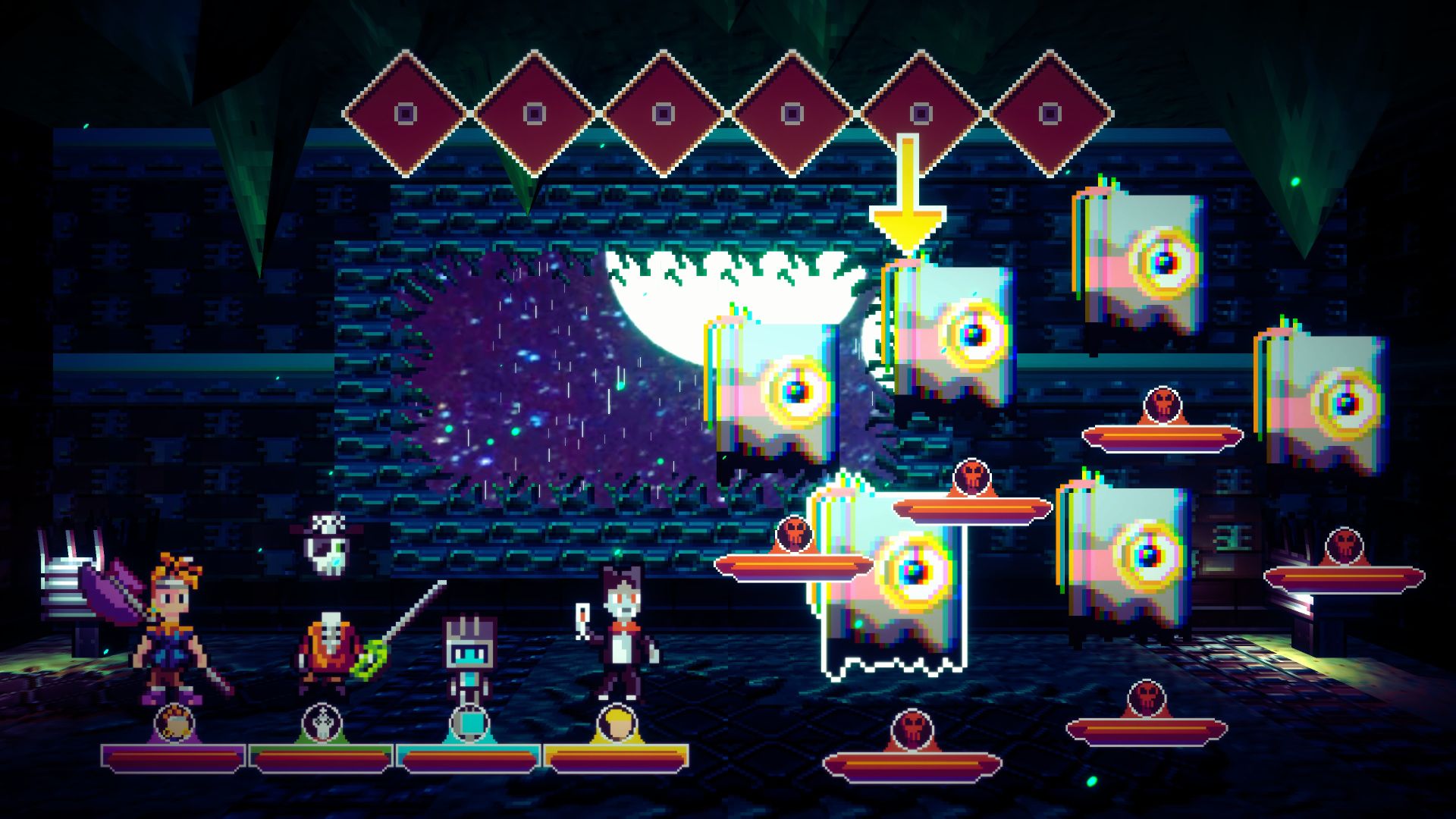
Dying so helplessly and being forced back to the beginning of the level acts as a harsh wake-up call. As expected in a meta sense, every encounter in this game is a puzzle first and a battle second. Before engaging any enemy, your objective is always the same: observe, listen, interpret, and only then dive straight into the battlefield, and apply what you have learned.
Deciphering the Obscurity
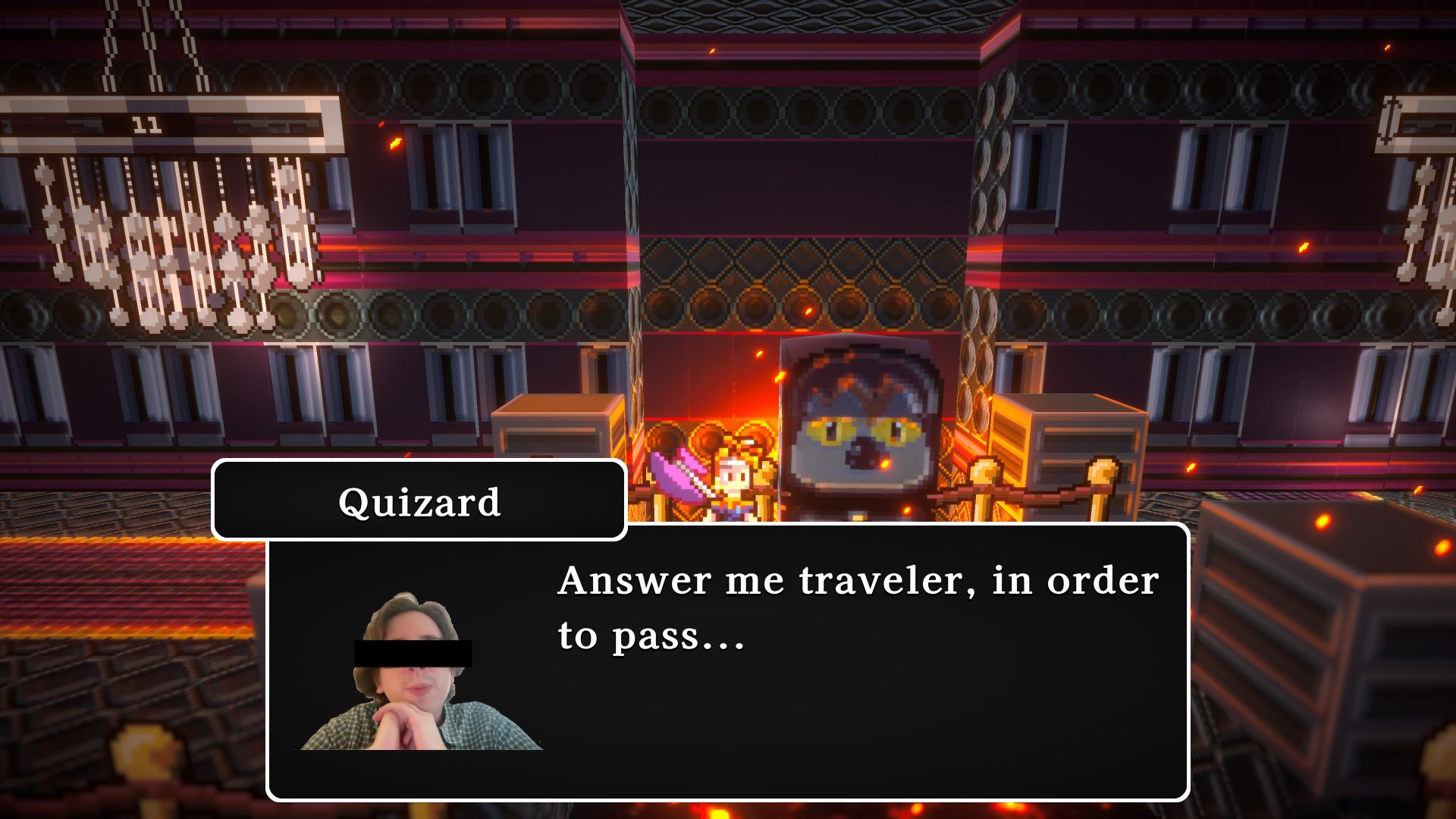
Sometimes the solution to progression is surprisingly logical. Other times, it requires completely abandoning conventional logic. Even the dialogues with the strange NPCs found throughout the end level and the audio logs with dev comments try to confuse you. Adding to this is how deliberately obscure the game remains about its mechanics. You collect Solar Fragments without any explanation of their purpose. At the same time, you find many treasure chests, each requiring the reuse of the same type of key, only to often reveal nothing inside. All while your inventory is already filled with dozens of seemingly unusable items. Is it satire? Or is it meta-irony? Are these items important somewhere, or at least at some point in time? It doesn’t really seem like it.
It’s no wonder that the combat system itself is one giant meta-puzzle. Victory depends on discovering enemy weaknesses and carefully stacking attacks from party members in a specific sequence. Understanding which abilities to use, when to use them, and in what order often determines whether a battle becomes a triumphant breakthrough or another immediate game over. What makes this mechanic particularly satisfying and punishing at the same time is how it rarely rewards brute-force experimentation. Nearly every aspect of the game demands patience during investigation and deduction, while combat is only the means to solve the larger mystery. And for once, trial and error is not the answer.
A Pacing Problem
While the developers market this as a four-to-six-hour adventure, most players will likely spend significantly longer with it. The reason is simple: the game is often so cryptic that progress can grind to a halt. You will repeatedly revisit environments and interact with their characters, reread sections of the retro game manual, replay commentary logs, and scrutinize documentary footage searching for clues hidden in seemingly insignificant details. Eventually a connection clicks into place and the path forward becomes obvious, but reaching that realization can take considerable effort. This level of meticulous deduction will absolutely appeal to some players, but for others, it may feel tedious. An optional hint system would have gone a long way toward smoothing out these rough edges without compromising the game’s central design philosophy.
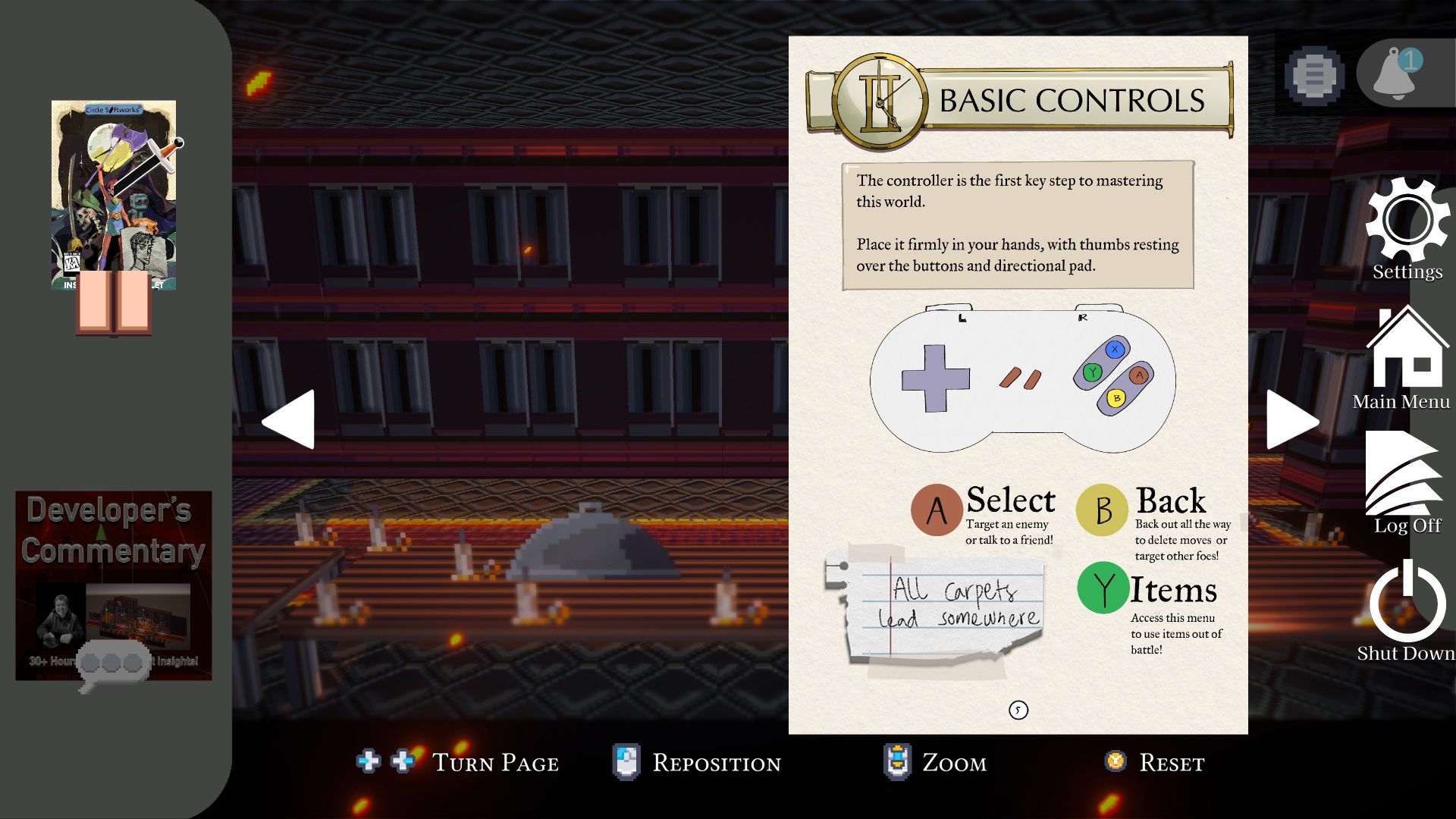
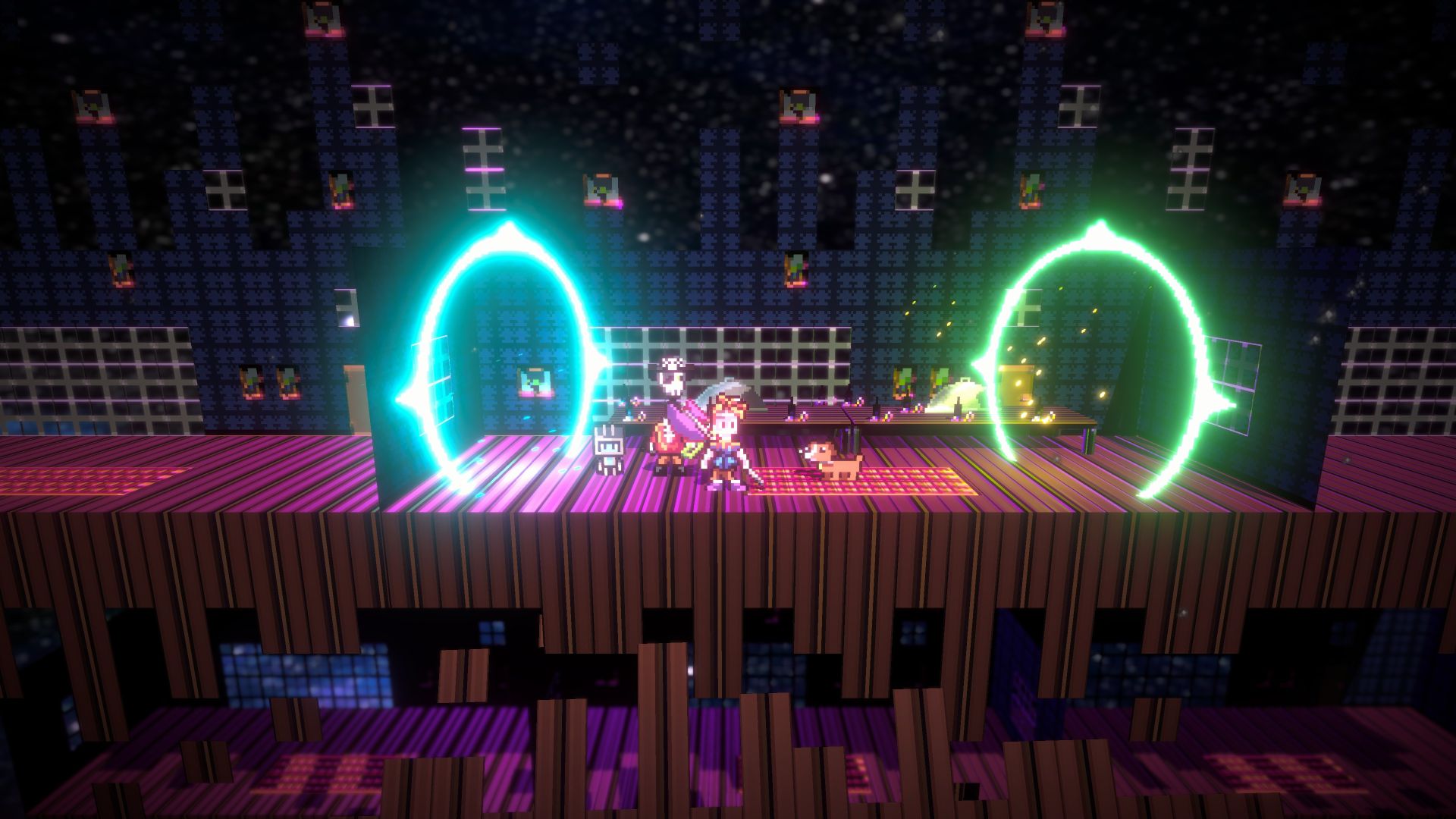
Compounding these pacing issues is a remarkably barebones UI. The pause menu lacks standard conveniences such as quicksave or quickload functionality, and there is no “Retry Battle” option either. Every failed encounter requires a trip back through the title screen before reloading your latest save. During battle, the controls themselves can also feel similarly unintuitive at times. A simple option to permanently display button functions on the HUD would have improved usability considerably. Thankfully, the pixel art perfectly captures the feel of an RPG from the nineties, while the soundtrack is consistently excellent. Its retro-inspired compositions do far more than evoke nostalgia; they genuinely sell the illusion that this strange fictional RPG once existed somewhere in gaming history.
Final Thoughts
The Remake of the End of the Greatest RPG of All Time is one of the most inventive games released this year. Its commitment to the illusion of a lost RPG is impressive, its humor consistently lands, and it is packed with audiovisual charm throughout. The combination of exploration, deduction, and metafiction creates an experience unlike almost anything else available currently.
Yet that same ambition ultimately becomes the game’s greatest weakness. The deeper mysteries are fascinating to unravel, but the solutions are often so well hidden that many players will inevitably find themselves consulting a guide, community discussion, or online walkthrough. Constantly getting stuck damages the pacing and interrupts the playful momentum established by the game’s clever writing and impeccable presentation. While the game itself rarely takes its premise too seriously, its puzzles, however, sometimes do. And that, unfortunately, prevents this brilliant meta-concept from fully realizing its potential.
Additional Information
Release Date: May 28, 2026
Reviewed On: PC. Download code provided by the publisher and PR agency.
Developer: Coin Drop Games, Lucas Immanuel, jucobee, Kyle Chuang
Publisher: Coin Drop Games
Relevant links: Available on Steam.