DaRmaZat
 Whenever you step into the world of a new action RPG for the first time, you expect to be pulled into its story, lore, and the ever-present threat of the unknown. That’s especially true when the title takes place in the Sword Art Online universe, a franchise that earned its legendary status through the terrifying concept of a Death Game where dying in-game means dying in real life. Naturally, you’d expect that crushing sense of pressure and the desperate struggle for survival to define your adventure. Unfortunately, this latest entry takes a very different approach, setting the stage for a surprisingly confusing experience.
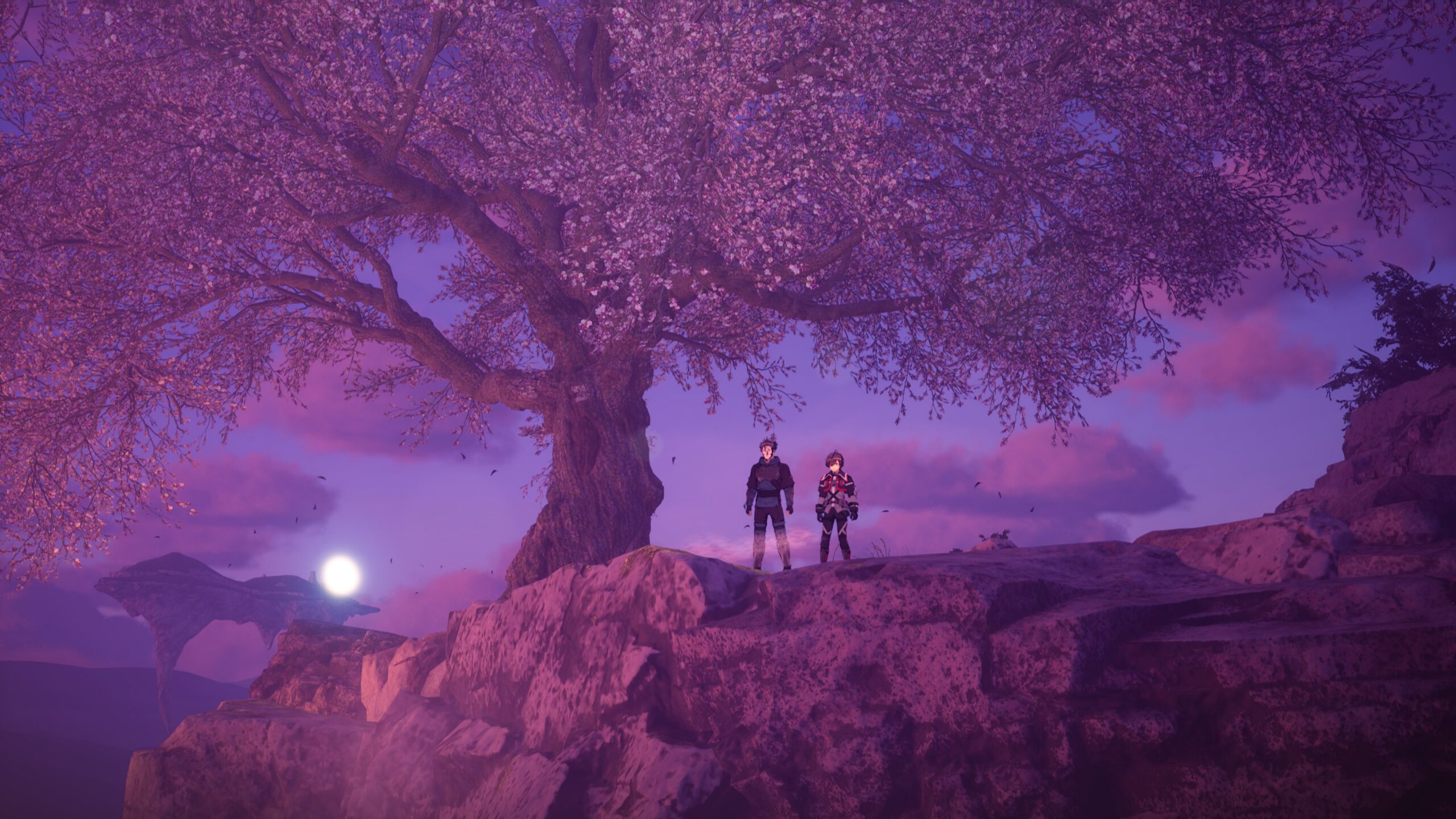
Echoes of Aincrad revolves around a metagame – a game within the game – in which players participate in a VRMMORPG. Anyone who dies simply respawns and continues playing. It’s a remarkable, almost ironic design choice considering that the very foundation of Sword Art Online‘s lore is built around a ruthless Death Game where every mistake is fatal. Here, however, that legendary fight for survival is nowhere to be found. Unless you enable the unlockable difficulty named Death Game Mode, the characters themselves make it abundantly clear that nothing happening inside this virtual world truly carries any lasting consequences.
As a result, it’s much harder to become invested in the world or its lore. The game constantly reminds you that none of it is truly real within this universe, and this version of SAO takes place in a universe without magic, making weapons and equipment your primary tools for survival. Along the way, you’ll run into conflicts with other players, with Stella and her pink-haired lackey standing out as some of the game’s most obnoxious antagonists, at least early on. Yet despite these elements, the world never manages to capture the sense of danger or immersion you’d expect from an SAO story.
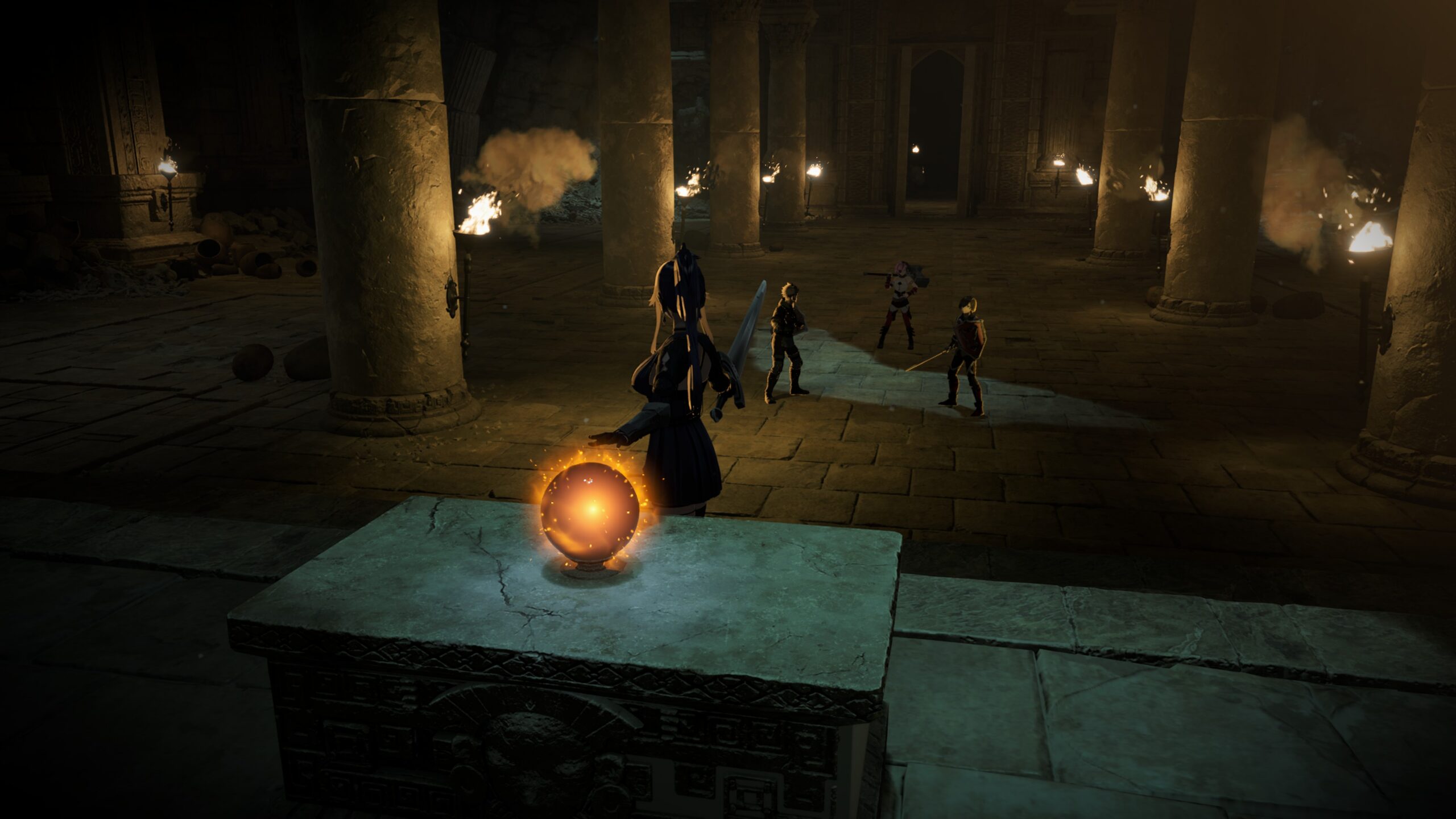
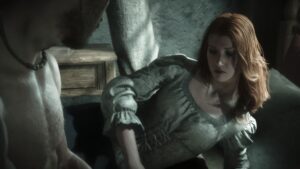
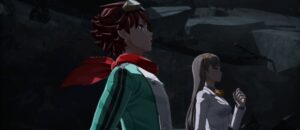
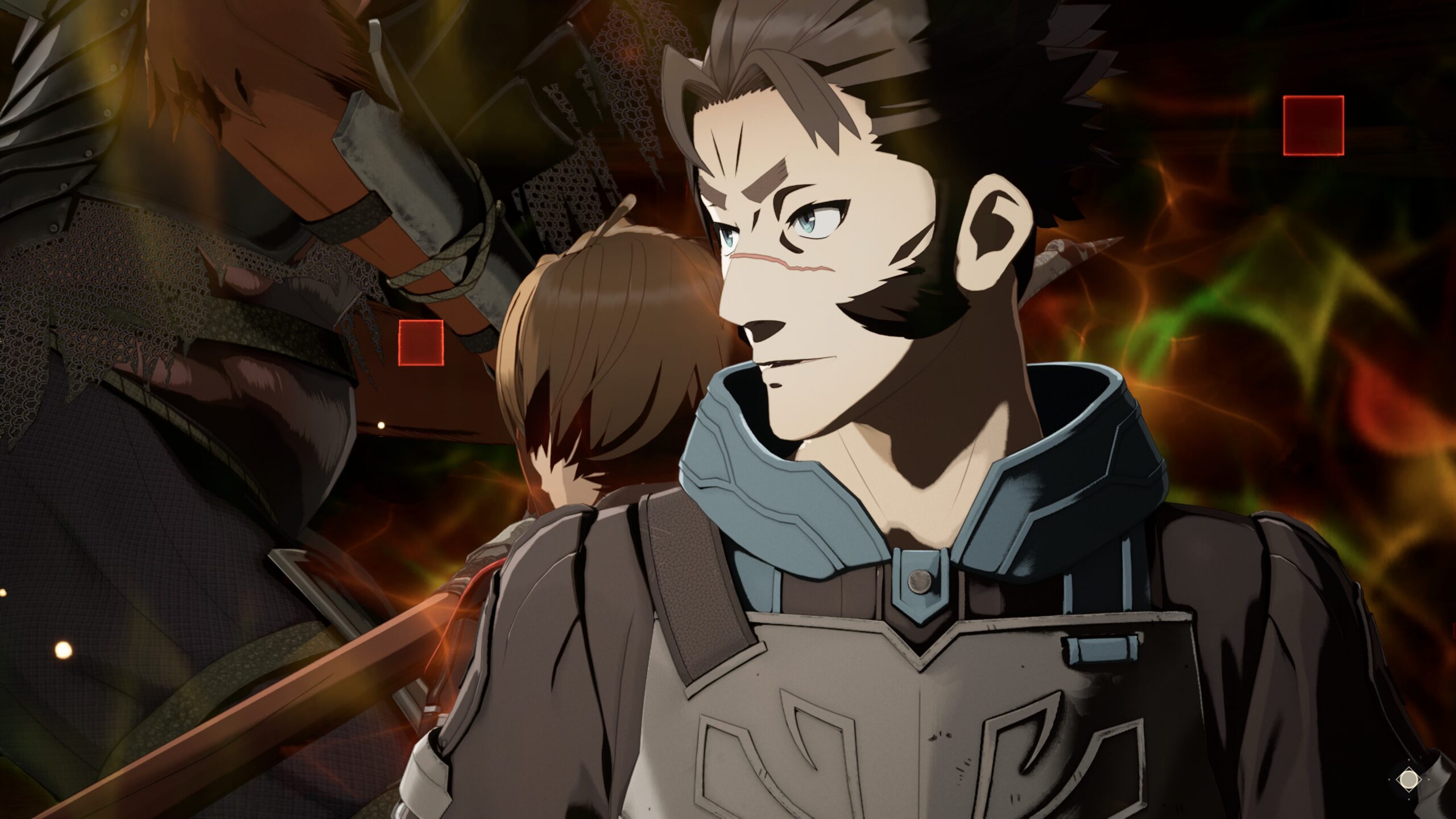
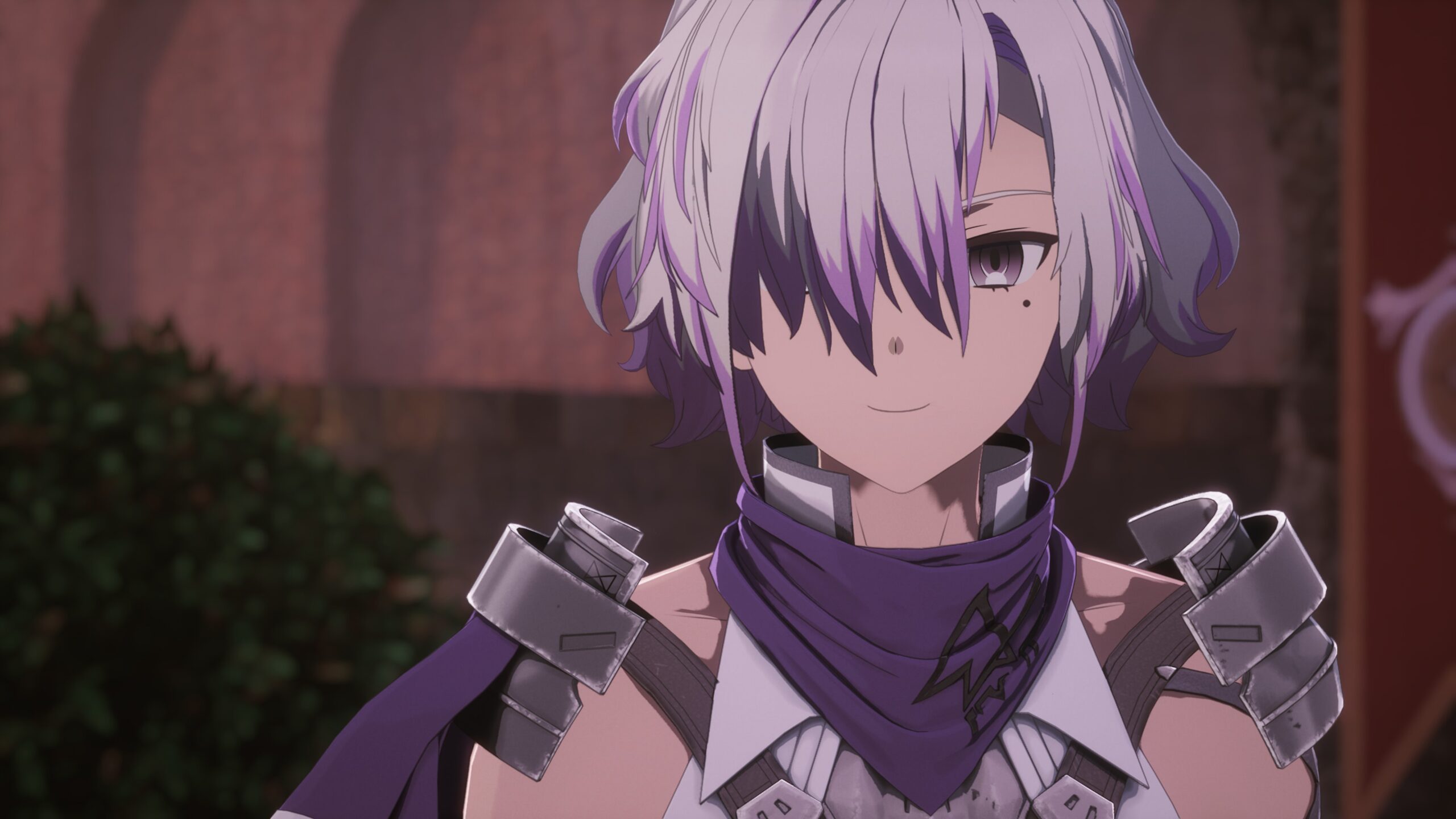
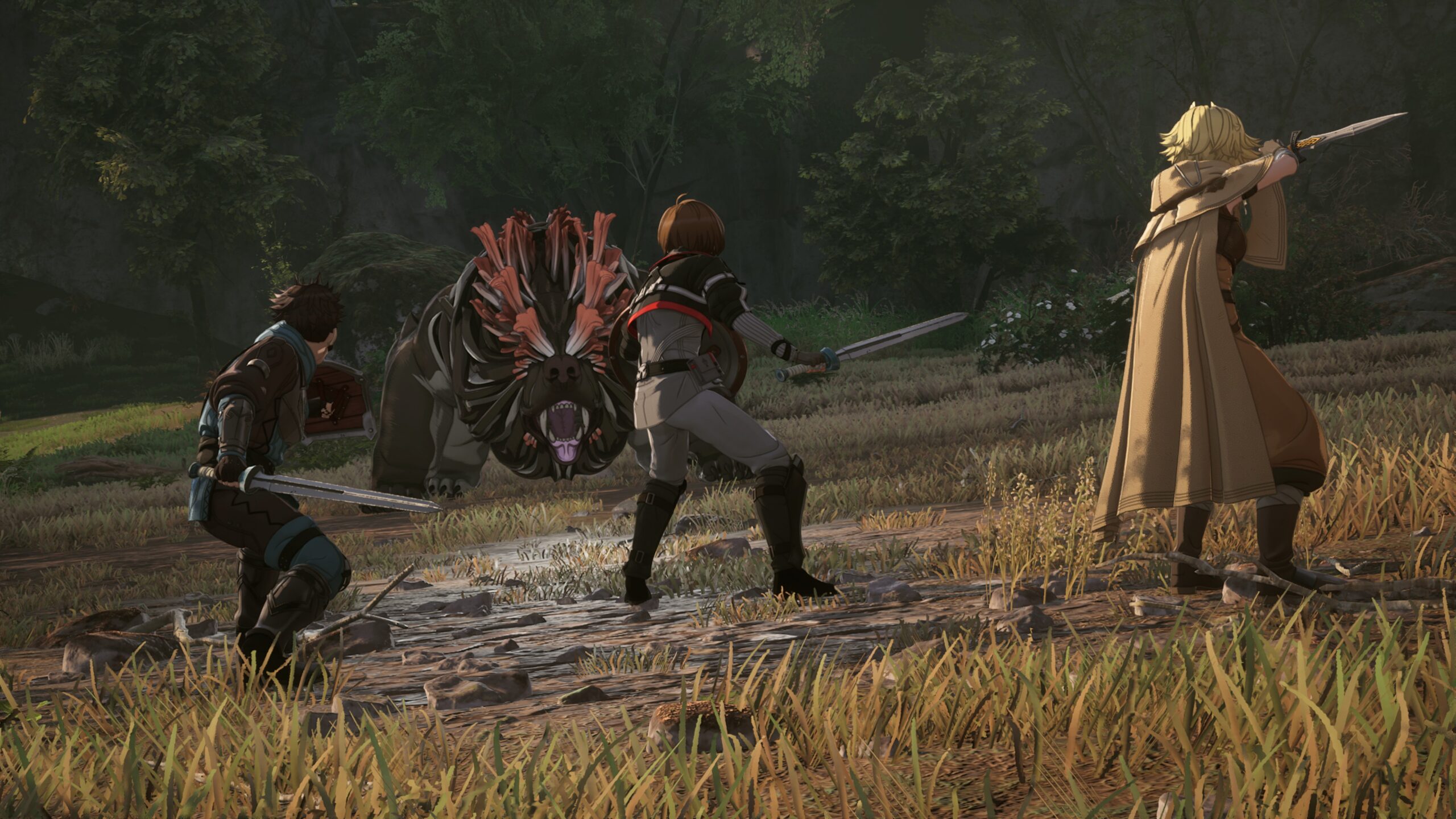
Unfortunately, the same issue carries over to the characters. Echoes of Aincrad gradually builds a sizeable roster of companions, eventually introducing both original characters and iconic Sword Art Online heroes like Kirito and Asuna. Iori is your first true companion, with Argo and Cal joining the party later on. Despite the steadily growing cast, the dialogue is pretty forgettable, your companions lack personality, and few of them leave any lasting impression. While the anime-inspired art style is pleasant enough, it’s also incredibly familiar. Meanwhile, the script never quite decides whether it wants to be funny or dramatic, leaving most scenes feeling oddly awkward rather than emotionally engaging.
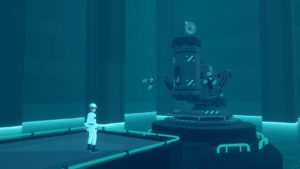
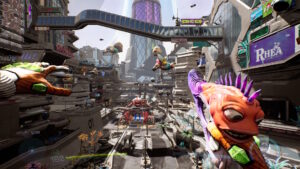
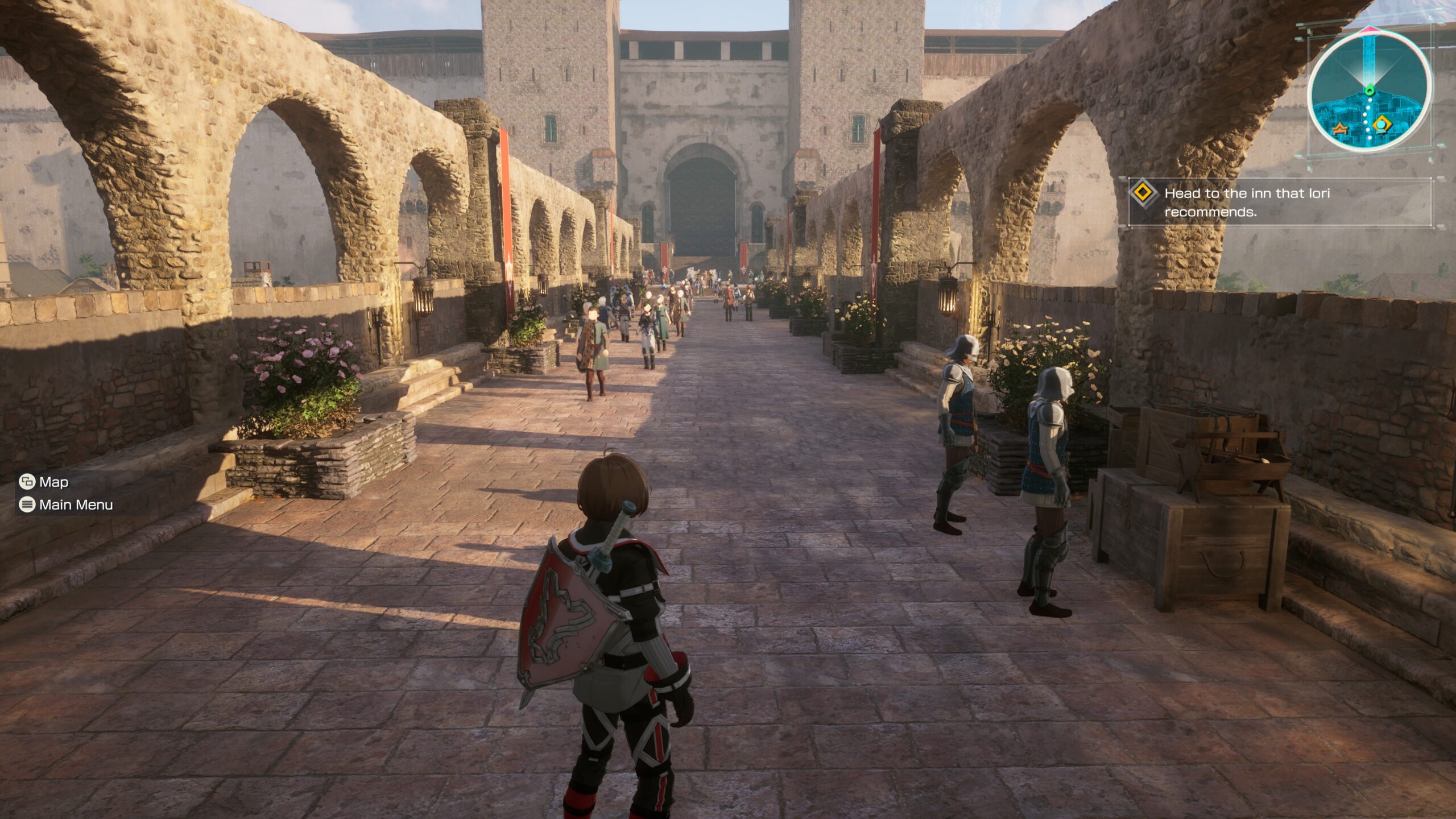
Ironically, after suffering through an incredibly dull prologue in the ruins – where you’ll spend what feels like an eternity slaughtering the same kobolds that honestly look more like kangaroos – the game briefly hints at something better once you arrive in the Town of Beginnings. Even though you can’t meaningfully interact with its inhabitants, the city itself feels lively, and you’re immediately given the usual assortment of RPG chores: rent a room, upgrade your weapons and armor at the blacksmith, and sell unwanted gear to the item vendor.
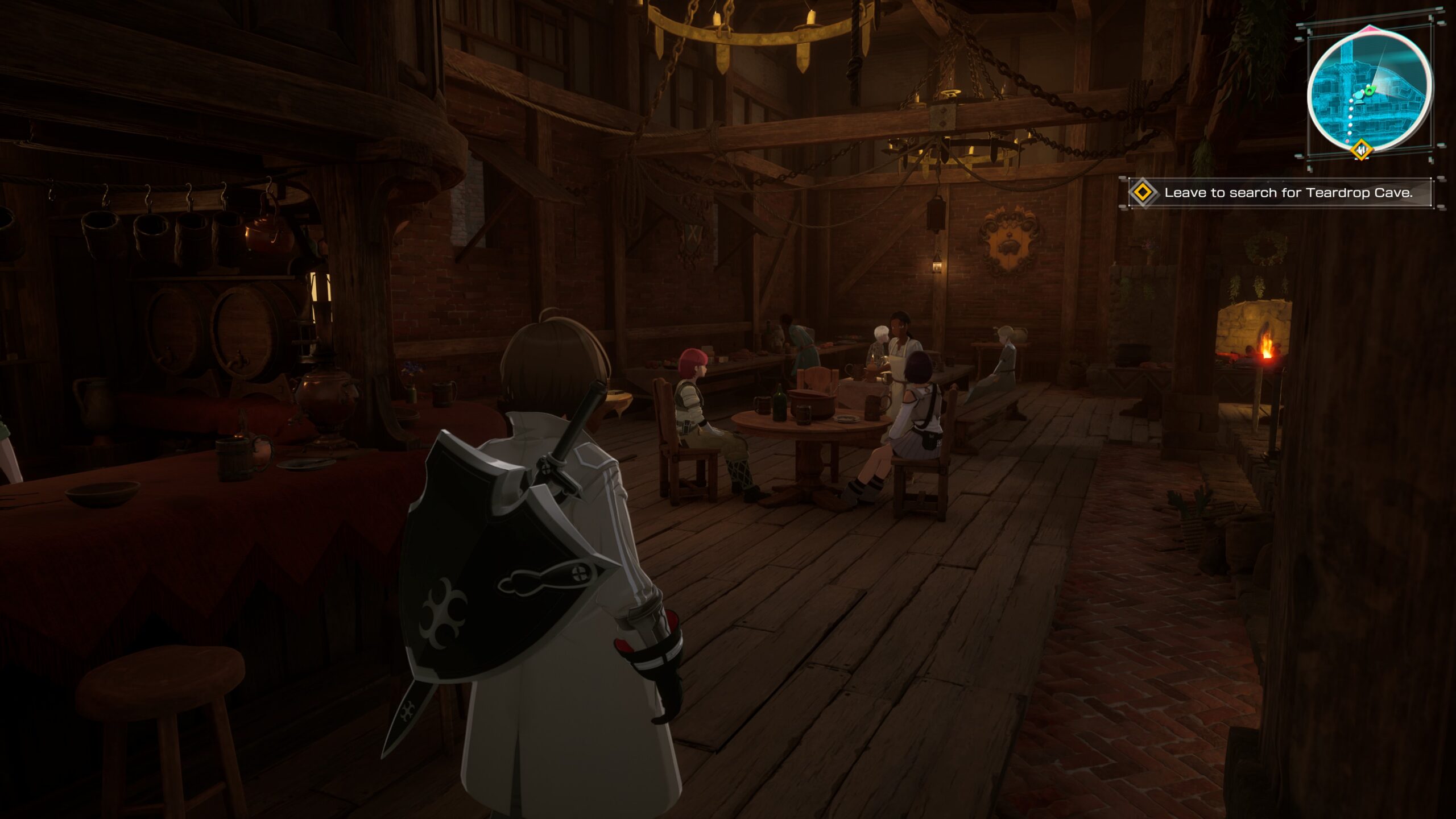
However, the game conveniently neglects to tell you that you should also stock up on items (like bombs or mines) before leaving town. Otherwise, you’ll be unable to access certain sections of the next quest area. Worse yet, if you decide to backtrack to town during the current quest, the shop becomes unavailable until the mission is completed. It’s one of several baffling design decisions that perfectly illustrates the strange logic running throughout Echoes of Aincrad.
Gameplay is equally conventional. Like many party-based action RPGs – Dragon’s Dogma immediately comes to mind – both the progression system and combat feel perfectly serviceable but rarely exciting. The absence of magical abilities only makes the combat feel even more restrained. Calling it uninspired wouldn’t be unfair, especially when every mission feels as though it was lifted directly from an MMO quest log.
Objectives in Echoes of Aincrad rarely deviate from the familiar formula: travel to a location, unlock access to the next area, defeat a boss, and collect a handful of largely meaningless rewards displayed on a rather odd Congratulations screen. The quests become repetitive almost immediately, while recycled environments and copy-pasted dungeon layouts become increasingly difficult to ignore. Boss encounters follow the same pattern, favoring waves of generic enemies over memorable mechanics or encounter design.
Whether you’re fighting a towering colossus or an enchanted boar, the boss battles themselves offer very little excitement. Thanks to the Team Attack mechanic, most bosses go down surprisingly quickly, while party synergy remains practically nonexistent. Experienced players should absolutely consider raising the difficulty above Normal, because otherwise you’ll forget what the word challenge even means. The complete absence of the franchise’s signature permadeath mechanic only reinforces this issue, stripping away any natural sense of tension that higher difficulty settings simply cannot replace.
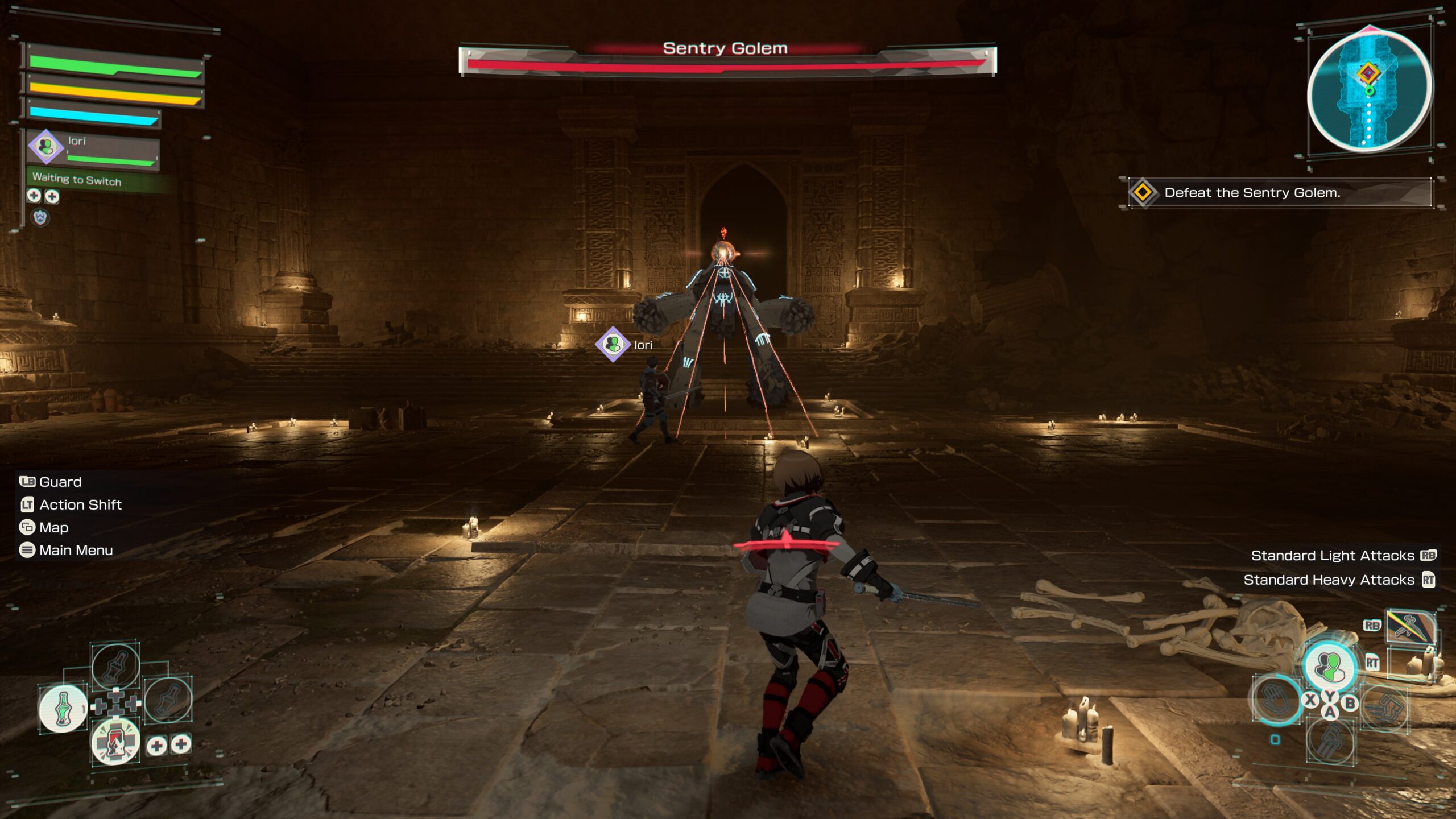
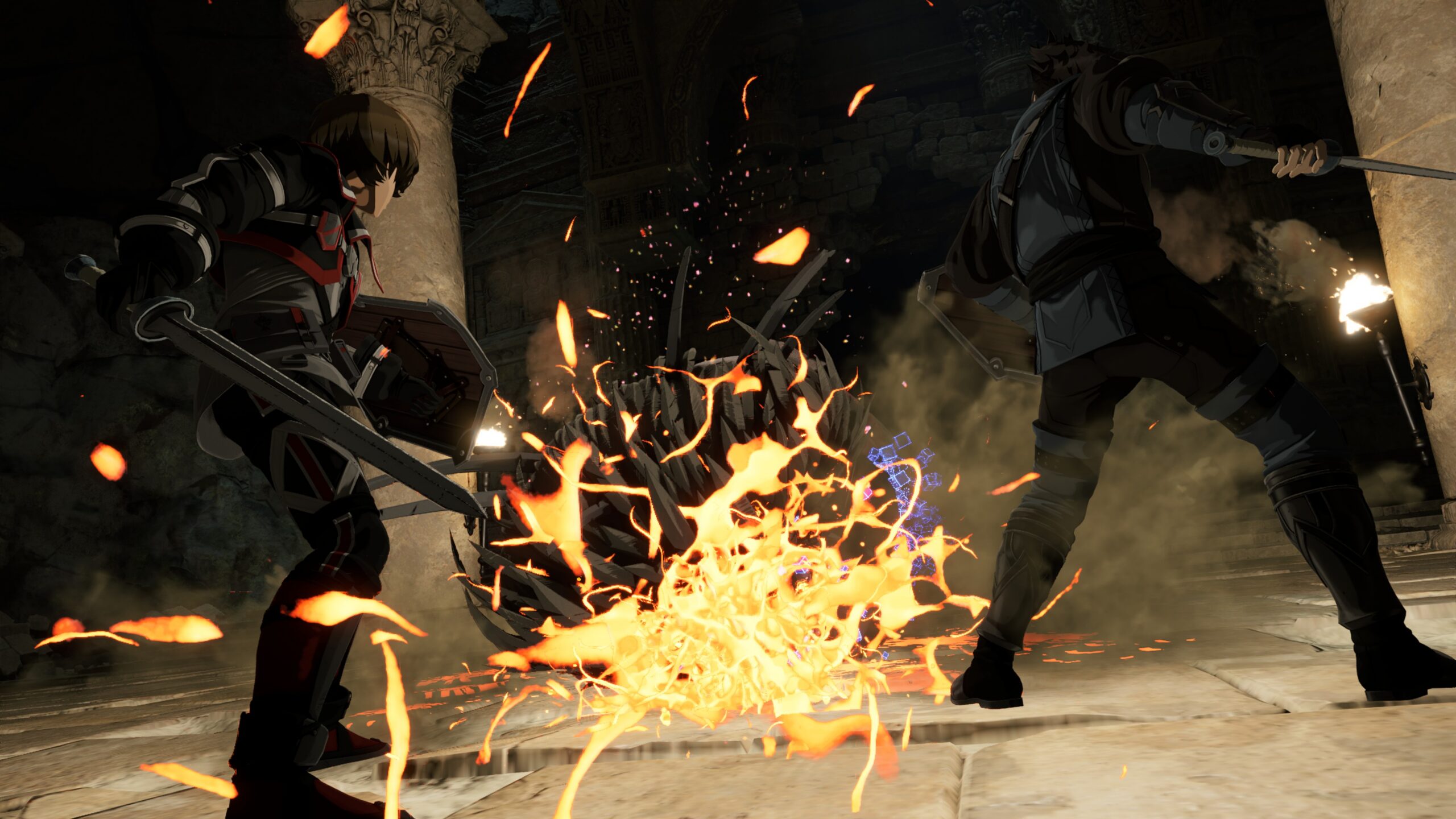
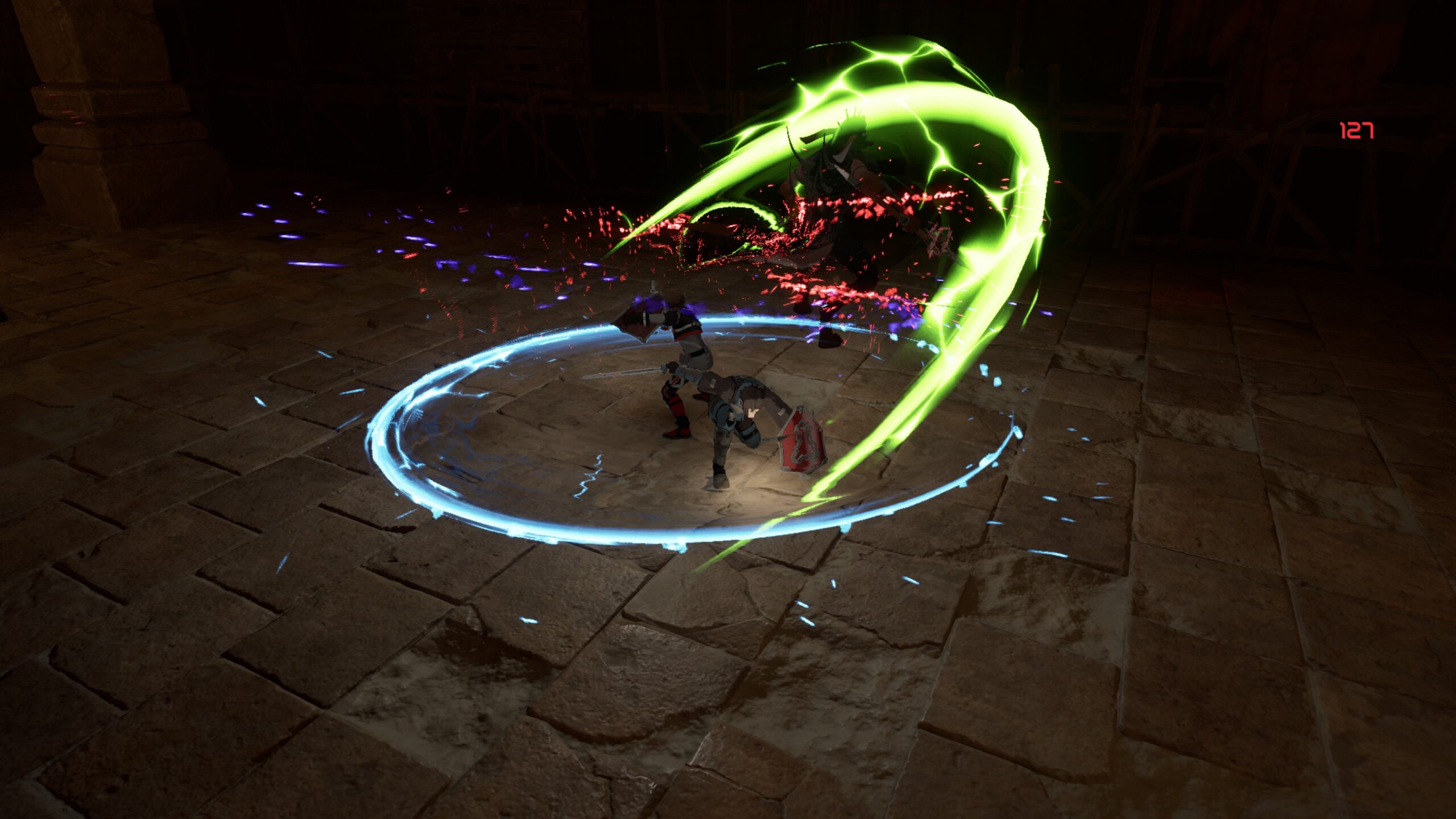
Another strange design choice is the inability to truly pause the game. Opening the main menu doesn’t stop either dialogue or combat, which only strengthens the impression that Echoes of Aincrad may originally have been conceived as some form of online experience. Immersion also suffers from the endless repetitive voice lines your companions deliver after every encounter, despite their mouths never actually moving. Meanwhile, your own protagonist remains almost entirely silent, communicating solely through nodding or shaking their head.
If there’s one area where Echoes of Aincrad undeniably succeeds, it’s performance. On PC, the game runs exceptionally well and easily meets expectations for a modern release. The soundtrack is another highlight, featuring an impressive cinematic score filled with orchestral arrangements and emotional piano pieces. Unfortunately, the music occasionally disappears altogether for no apparent reason, leaving long stretches of awkward silence – assuming your companions finally stop repeating themselves for a moment.
Final Thoughts
At the end of the day, Echoes of Aincrad leaves a rather bitter aftertaste. What should have been an immersive journey through one of gaming’s most iconic virtual worlds instead becomes an identity crisis. By placing players inside a consequence-free metagame where death has no real meaning, the game completely abandons the central premise that made Sword Art Online so compelling in the first place. What remains is an uninspired single-player adventure trying far too hard to imitate an MMO, complete with copy-pasted dungeons, lifeless characters, and repetitive quest design.
Excellent PC performance and a soundtrack that occasionally reaches cinematic heights show that there was genuine potential here, but questionable design choices, technical inconsistencies, and an almost complete lack of immersion ultimately drag the experience down.
Additional Information
Release Date: July 10, 2026
Reviewed On: PC. Download code provided by the developer/publisher.
Developer: Game Studio Inc.
Publisher: Bandai Namco Entertainment
Relevant links: Available via Steam.