DaRmaZat
 When I first learned what D-topia was about – a society where happiness is determined by artificial intelligence – I instantly expected a dystopian, slightly unsettling experience, despite its very cozy appearance. Combining life-sim elements with a futuristic setting that bears the hallmarks of a totalitarian regime and puzzles that take you right back to Big Brain games on the Nintendo DS, it’s certainly a very unusual game, and one that immediately piqued my interest.
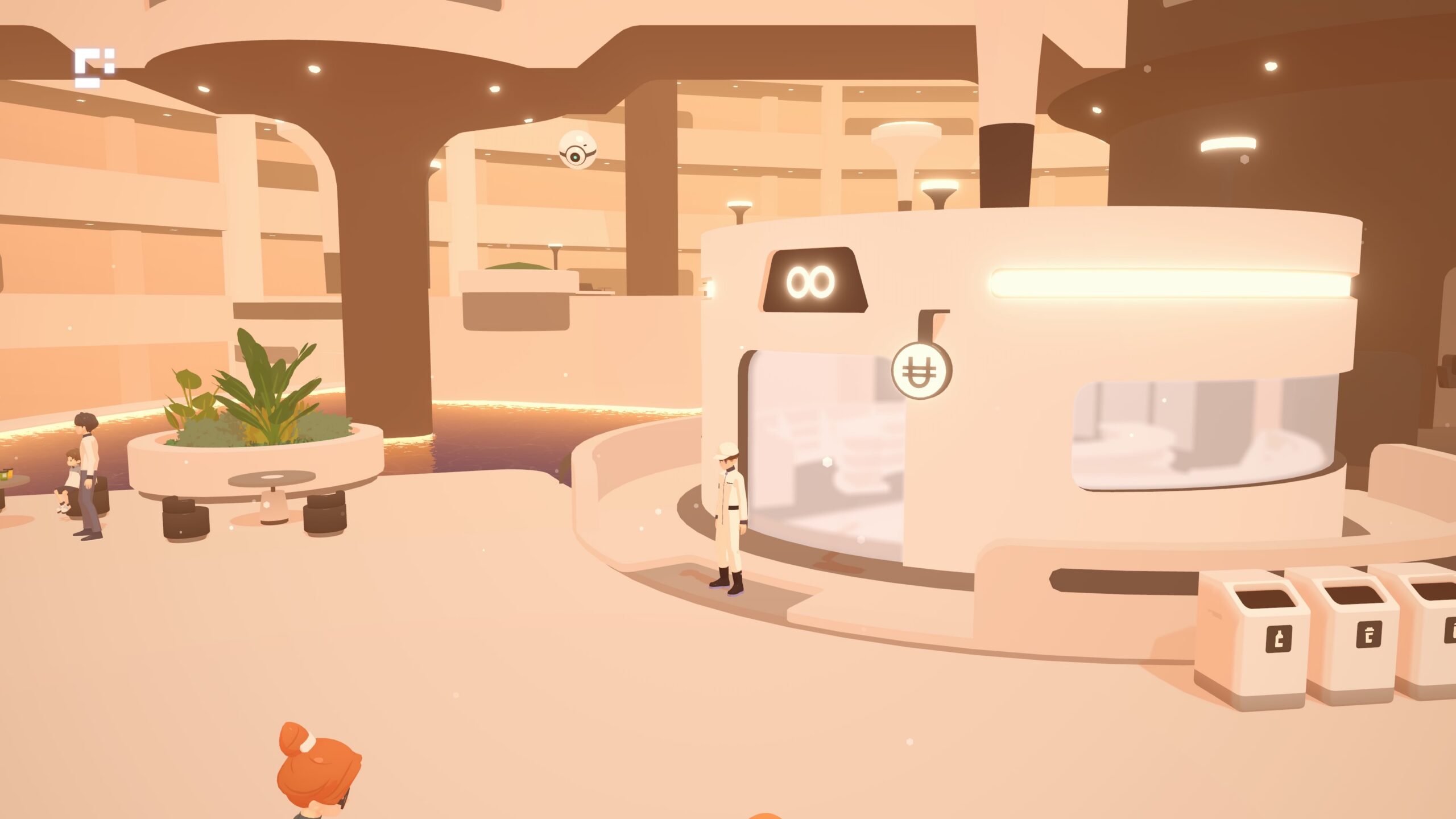
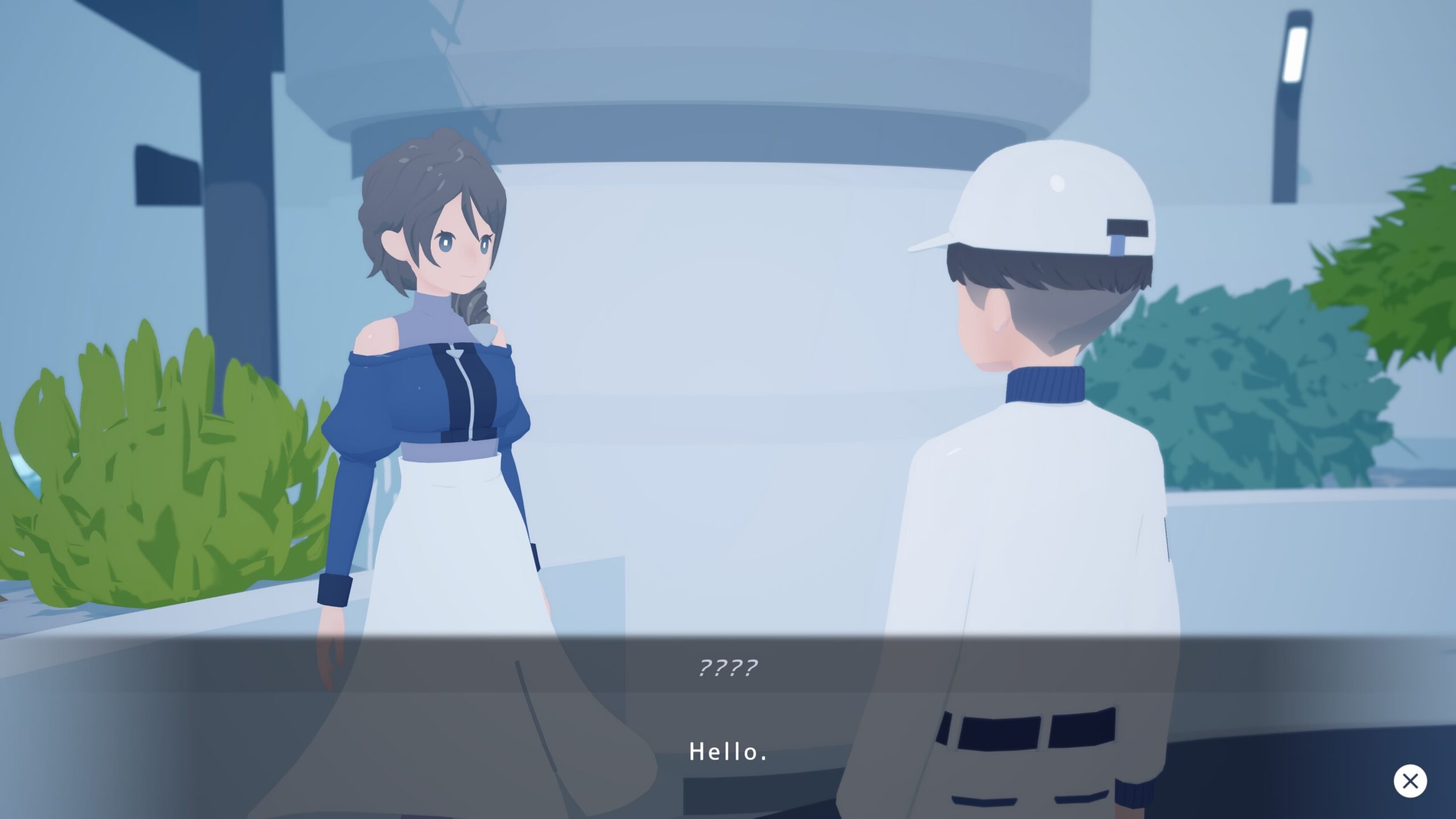
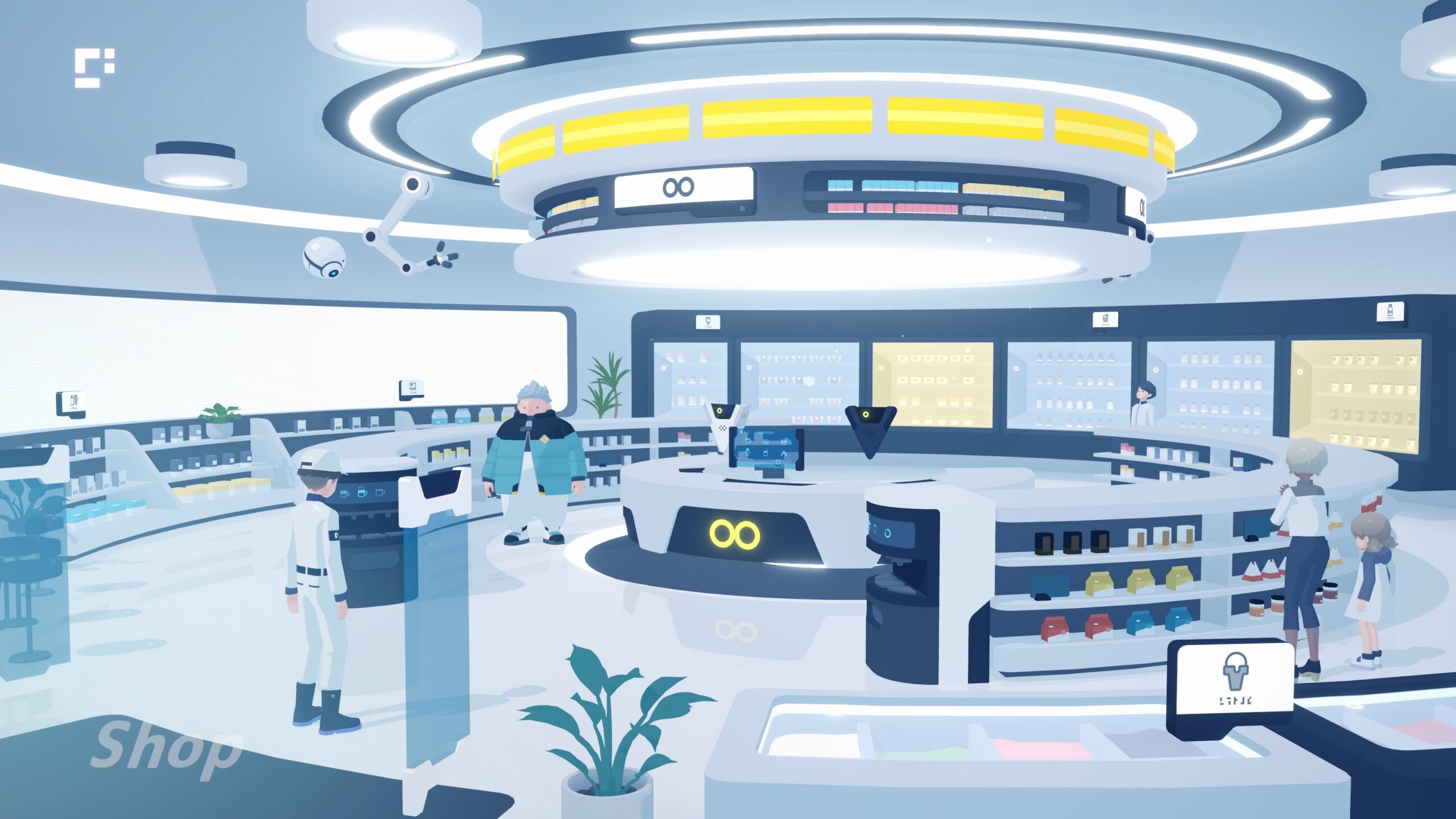
The title begins at midnight with your digital registration as a new resident at the arrival gate of D-topia, a testing site within the Utopia Project. Just like everyone else, you are assigned an ID – for you, the number 046. At the same time, you are also assigned your profession: facility mechanic. At that point, it’s still far from clear what that actually entails, so you have to make do with the explanation that your job is to listen to the needs of D-topia’s residents and help them however you can. Doing so contributes to your Affinity stats and Resident Rank, which in turn grant access to previously inaccessible areas of the game world.
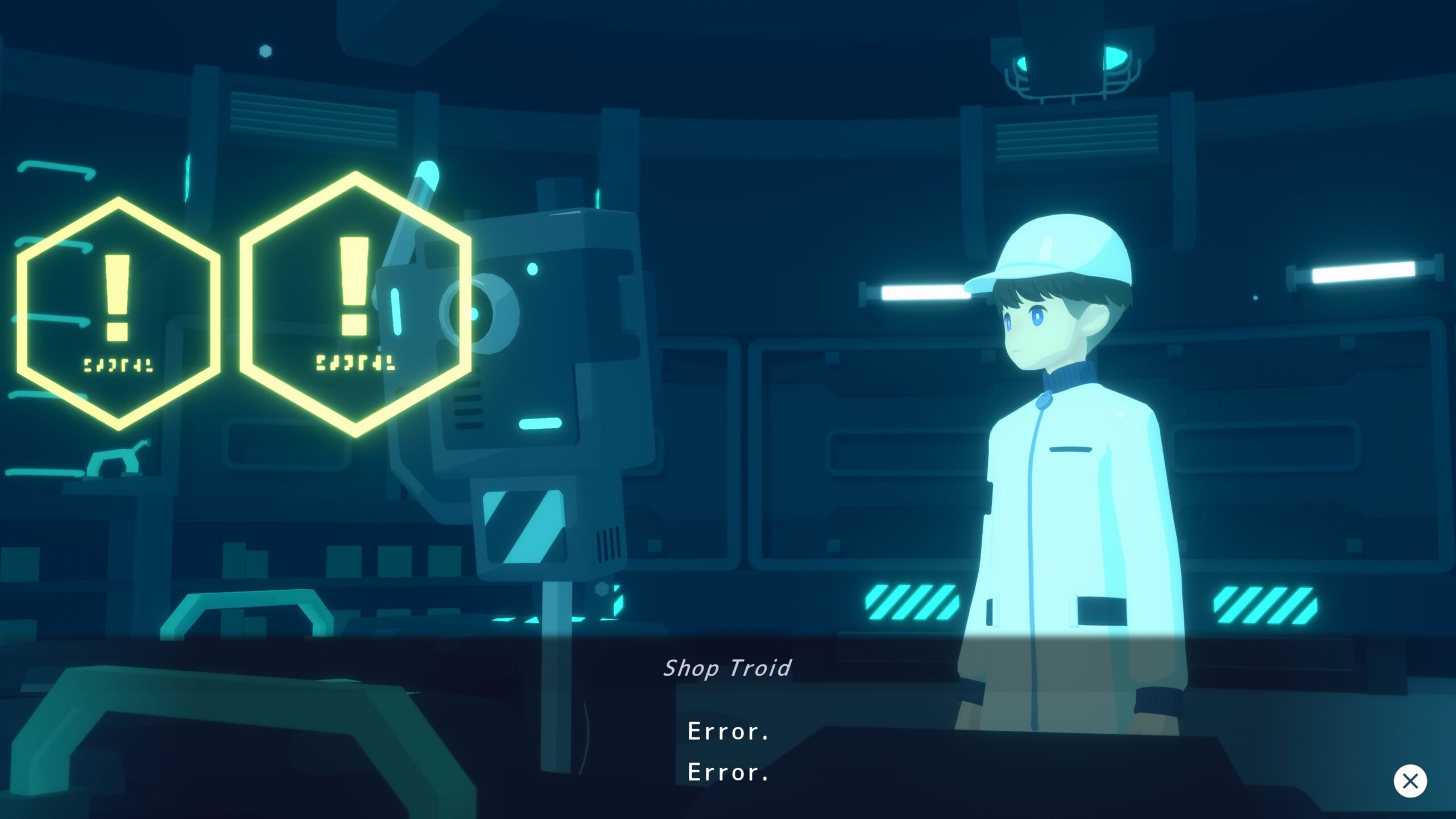
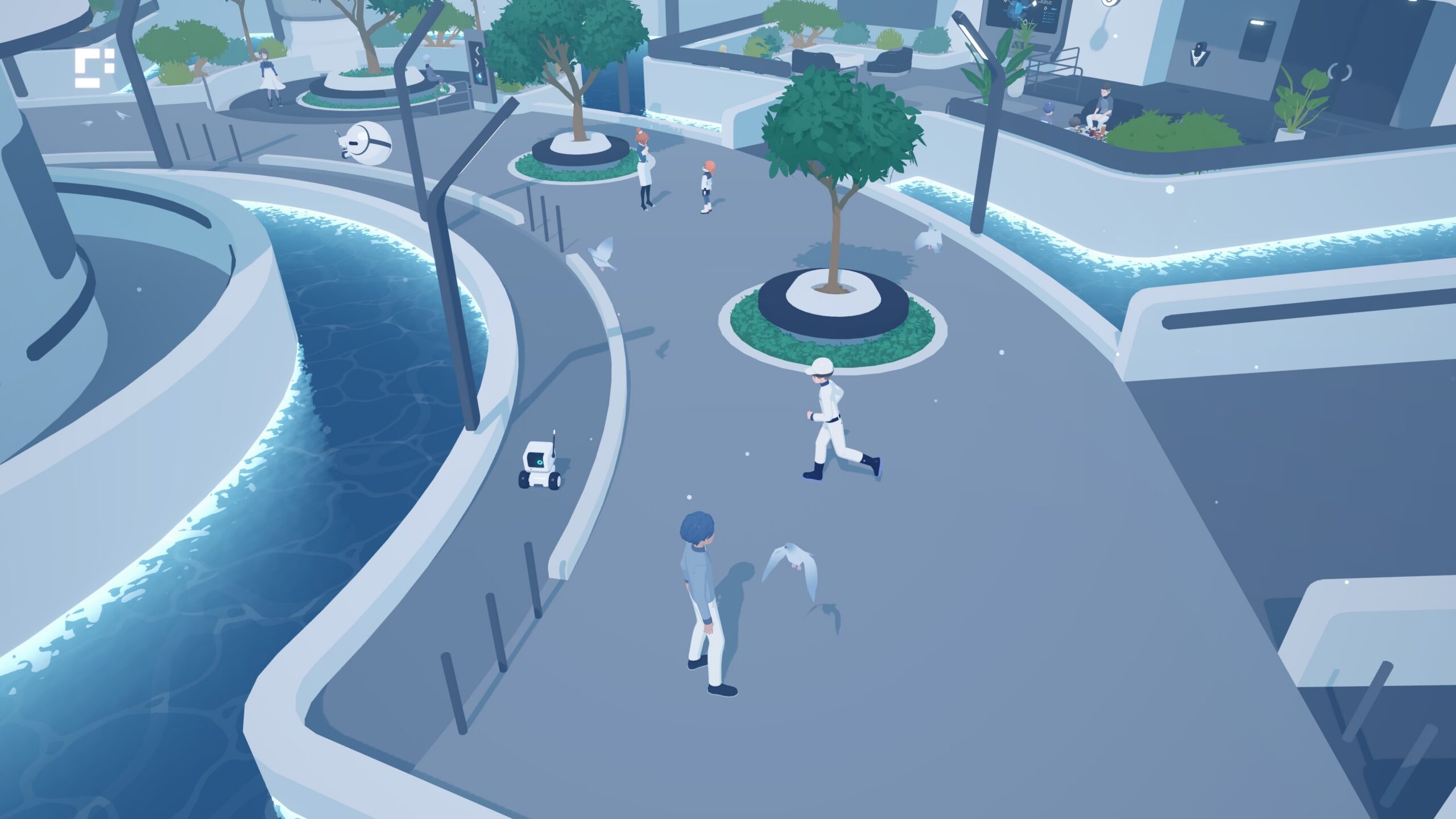
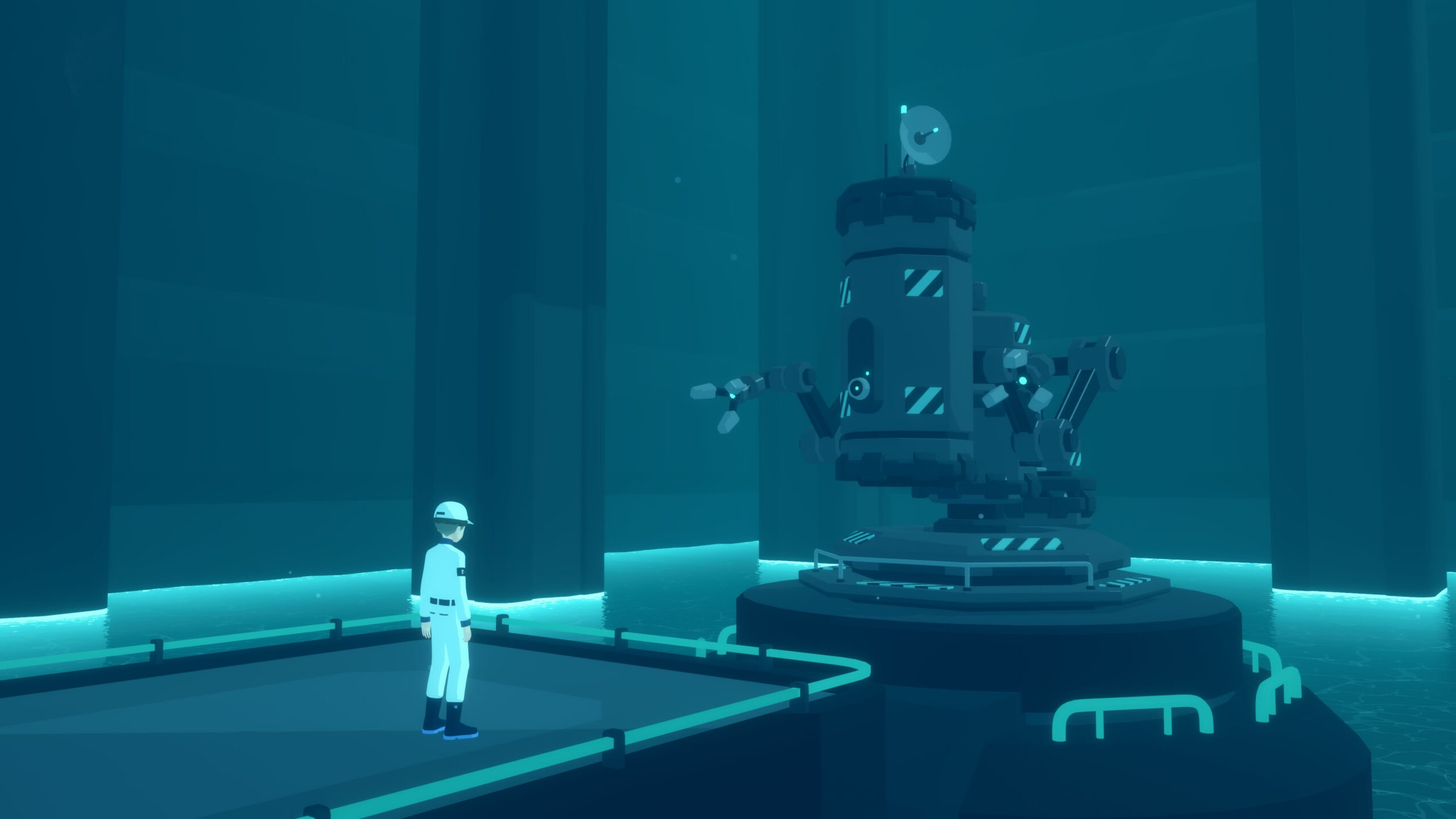
On one hand, D-topia is an ambitious experiment, designed to help its exceptional residents flourish. On the other hand, it’s a place with a dark shadow looming over it, as its natural resources have been exhausted and A.I.-driven droids, known as Troids, are in control. That grim reality becomes much more tangible once you’re introduced to the so-called Block Side, which you can access through the Visualizer system – nothing more than a physical switch scattered throughout the pale white corridors and rooms of the game’s linear 2.5D environments.
In this alternate dimension, you can talk to animals and uncover clues that remain invisible in the regular world. From that point onward, it becomes clear that strange phenomena are occurring throughout D-topia’s virtual world, including recurring glitches, and it’s up to you to uncover what’s causing them. At the same time, you’ll discover that the system governing D-topia is brutally authoritarian, dealing harshly with anomalies and punishing rulebreakers with an unpleasant stay in Z-topia – essentially the Alcatraz of this miniature world.
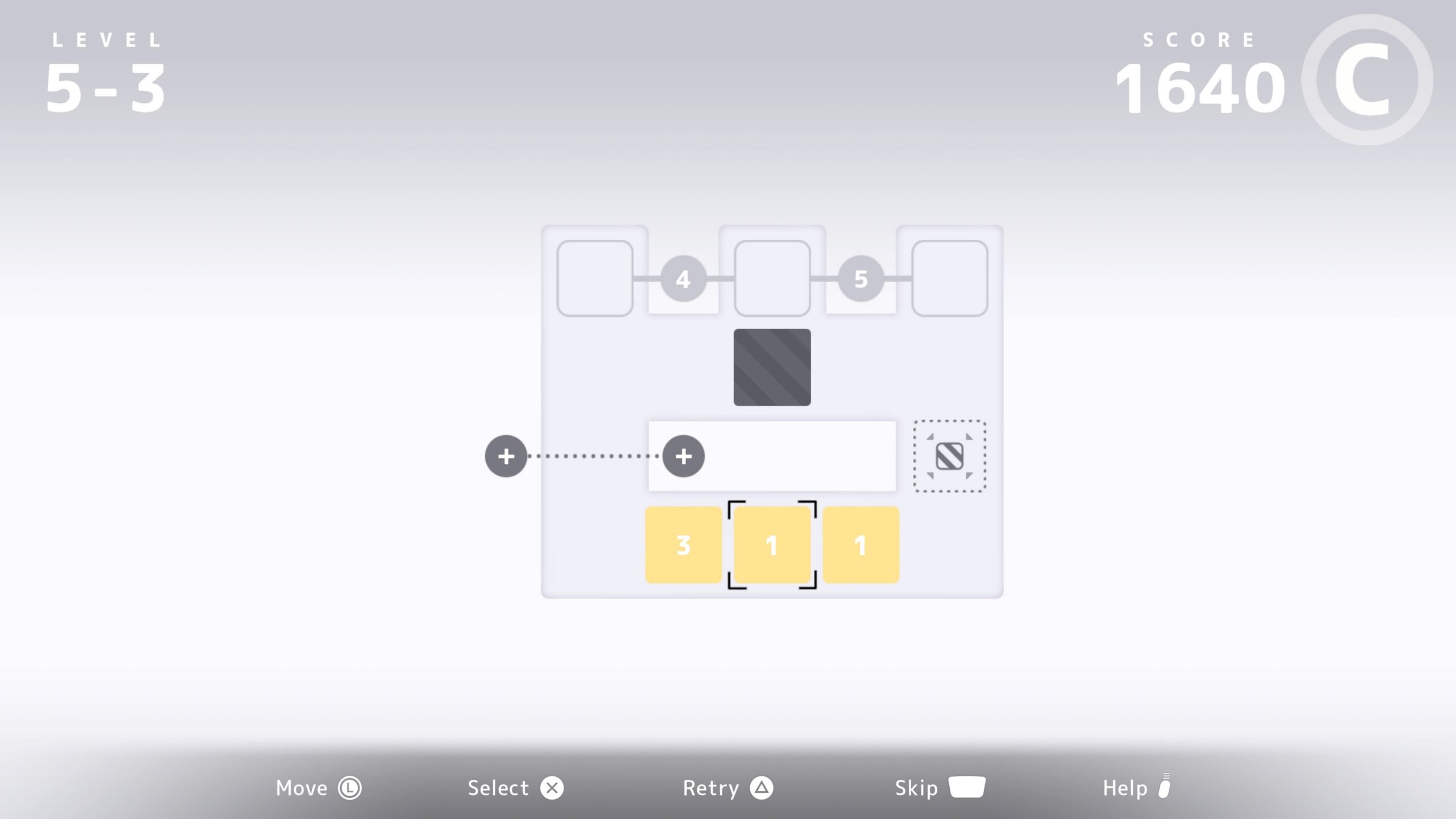
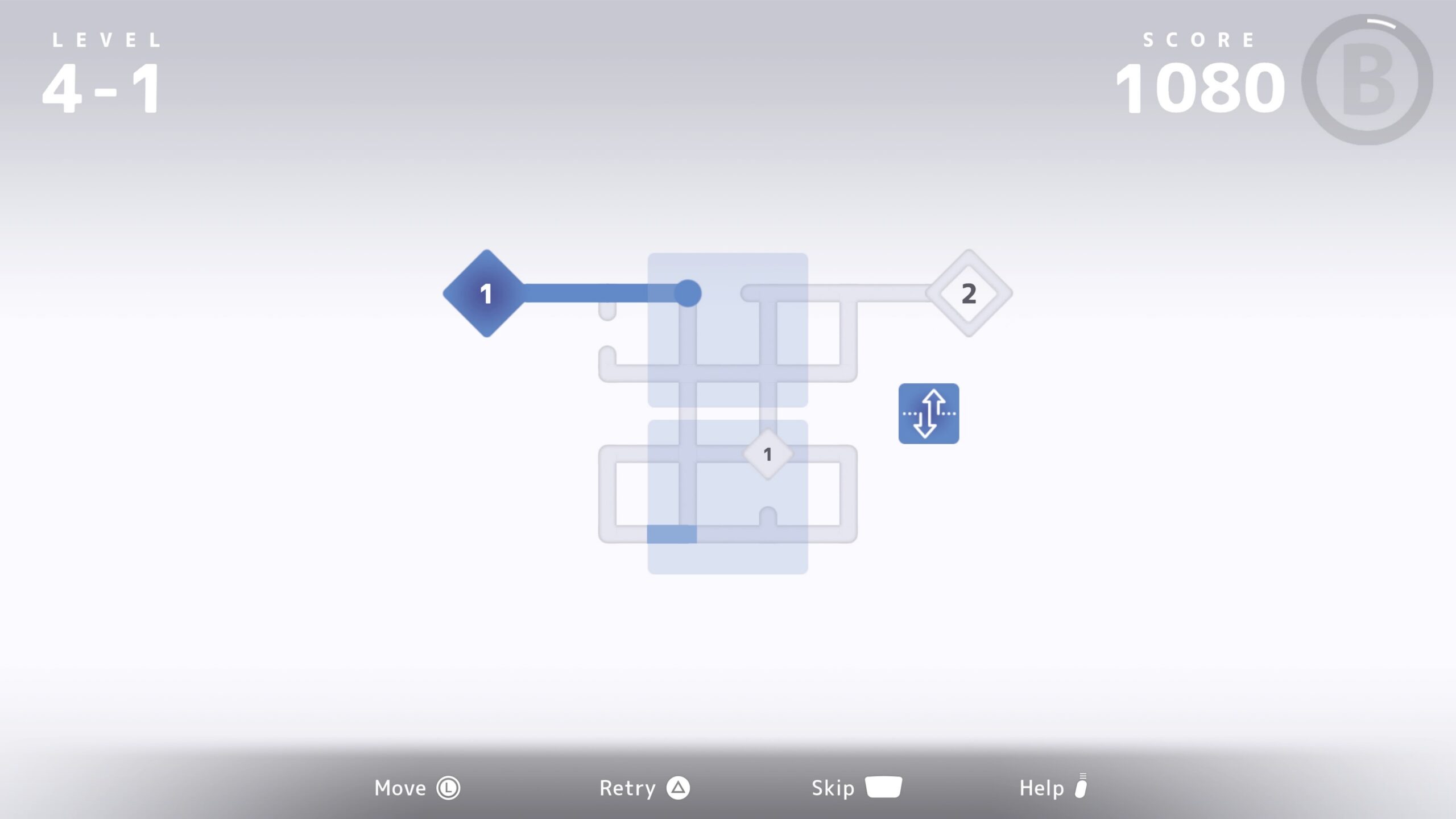
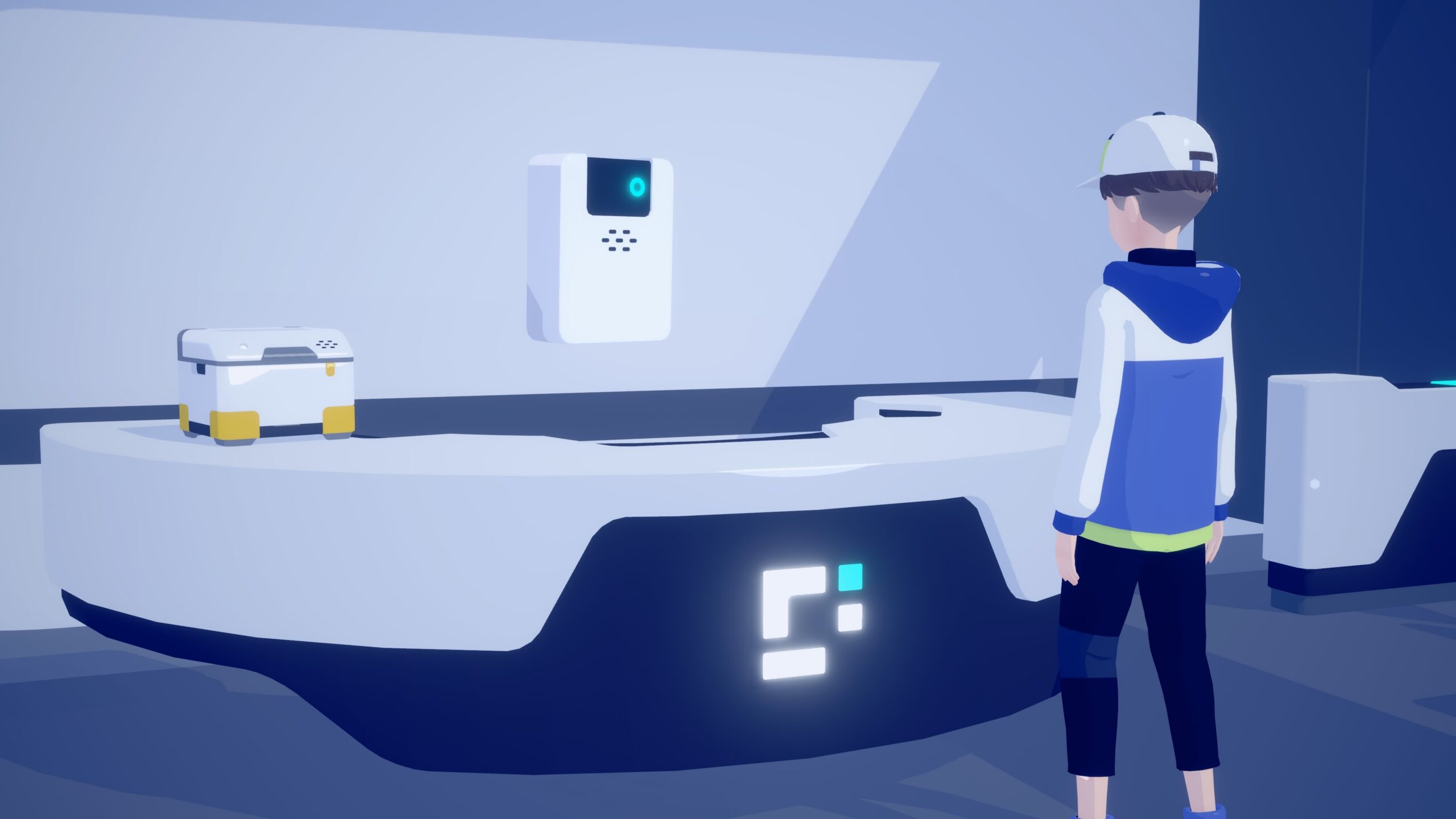
As you’d expect from a life sim, you also have to work in D-topia’s factory to earn a living. The core gameplay loop is straightforward: every morning begins with washing up, getting dressed, and eating breakfast, after which you complete a short mini-puzzle as a sanity check. Once you’ve passed, you’re free to leave your quarters and spend half the in-game day in the nearby factory area. The work itself revolves around completing Big Brain Academy-style puzzles. They start out incredibly simple, but gradually become more demanding and encourage you to really think things through.
One thing I particularly enjoyed about these puzzles is how much variety there is from one to the next, both in terms of mechanics and presentation. One moment you’re sliding tiles into the correct position, the next you’re manipulating colors or numbers according to puzzle-specific mathematical rules. Other challenges closely resemble the CAPTCHA tests you’re probably familiar with from websites that verify whether you’re human or not.
Every puzzle can be retried instantly the moment you realize you’ve made a mistake, and if one proves too difficult, you’re free to skip it altogether. There’s also a helpful hint system available whenever the objective isn’t immediately clear. At the end of the morning, you’re awarded a score based on the number of completed puzzles, with your U-Point earnings scaling accordingly. You can also complete optional bonus puzzles to earn even more money. With those U-Points, you can buy food from shops and vending machines, as well as furniture and decorative items to personalize your living space. Food temporarily boosts your Energy, allowing you to run faster, for example, but there’s no visible hunger meter, and managing your hunger mainly serves the pacing of the story.
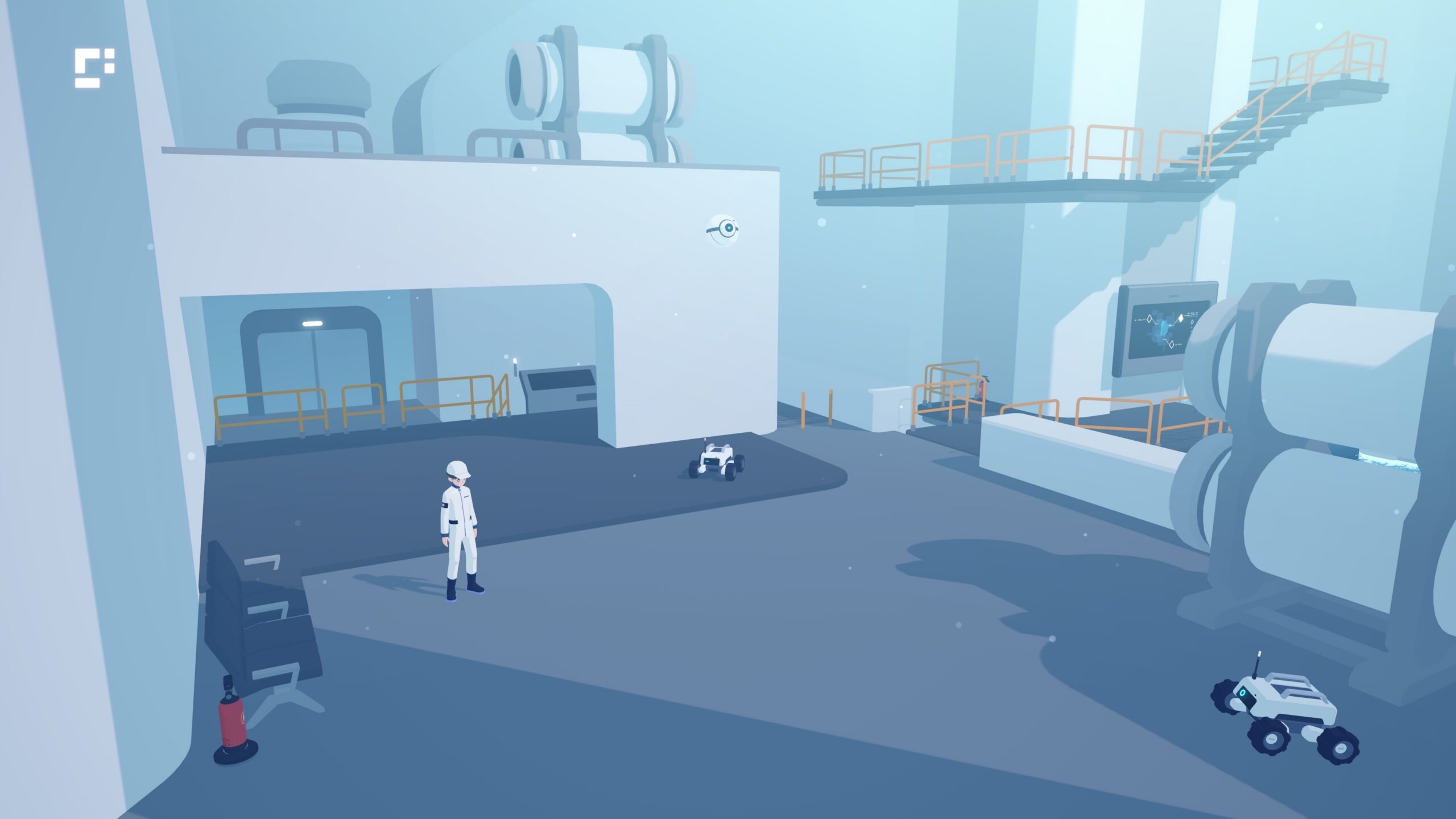
Once the afternoon rolls around, you’re free to explore, and that’s when D-topia’s narrative really begins to shine. As you explore, you’ll encounter smaller scripted quests that have you complete fetch quests or repair malfunctioning Troids for the local residents. But that’s only part of the experience. New developments constantly emerge, preventing the story from losing momentum. Instead, it consistently delivers intriguing twists and increasingly tense moments that draw you deeper into the mystery. Conversations with the many NPCs frequently present meaningful choices that affect both the story and its characters. Combined with the light life-sim elements and the constant variety of the puzzles, the game creates a surprising sense of depth, making it hard to put the game down as you try to figure out what’s really going on.
Not everyone will be a fan of the cozy, slightly childlike art style of D-topia, but I quite enjoyed the soundtrack, which offers an eclectic mix of atmospheric ambient music, soothing piano, and synth. The minimalist UI keeps everything clean and easy to read, featuring a clear map with legible markers, while NPCs frequently remind you of your current objectives.
Final Thoughts
For a game that initially presents itself as a cozy experience, D-topia genuinely surprised me with its unique concept, blending life-sim mechanics, clever puzzle-solving, and an intriguing sci-fi narrative into a cohesive whole that simply works. It starts off at a leisurely pace, but thanks to its carefully paced buildup, you gradually become more invested in its mysterious world and memorable cast. Before long, it grows into a surprisingly addictive experience, with its greatest strengths lying in its narrative depth and gameplay variety.
Additional Information
Release Date: July 14, 2026
Reviewed On: PlayStation 5 Pro. Download code provided by the publisher and PR agency.
Developer: Marumittu Games
Publisher: Annapurna Interactive
Relevant links: Available on PlayStation Store (NL-NL, NL-BE, US).