DaRmaZat
 An Unforgettable Ode to the ‘Restless Dreams of Youth’.
Mixtape has become an unexpected juggernaut, already drawing Game of the Year contender mentions from all corners. Where does this success come from? Is it the occasionally resurfacing nostalgia of a large portion of today’s gaming generation for their own youth – one they permanently boxed away in the garden shed alongside their cassette tapes? Is it the sharp-tongued yet gripping narrative, or the carefully curated soundtrack spanning from the sixties to the nineties that feels as though it was written for every single scene – even though that very notion is an anachronism by design? Or is it the stop-motion art style that already made waves in film through the Spider-Verse movies and more recently re-emerged in games like The Midnight Walk and South of Midnight?
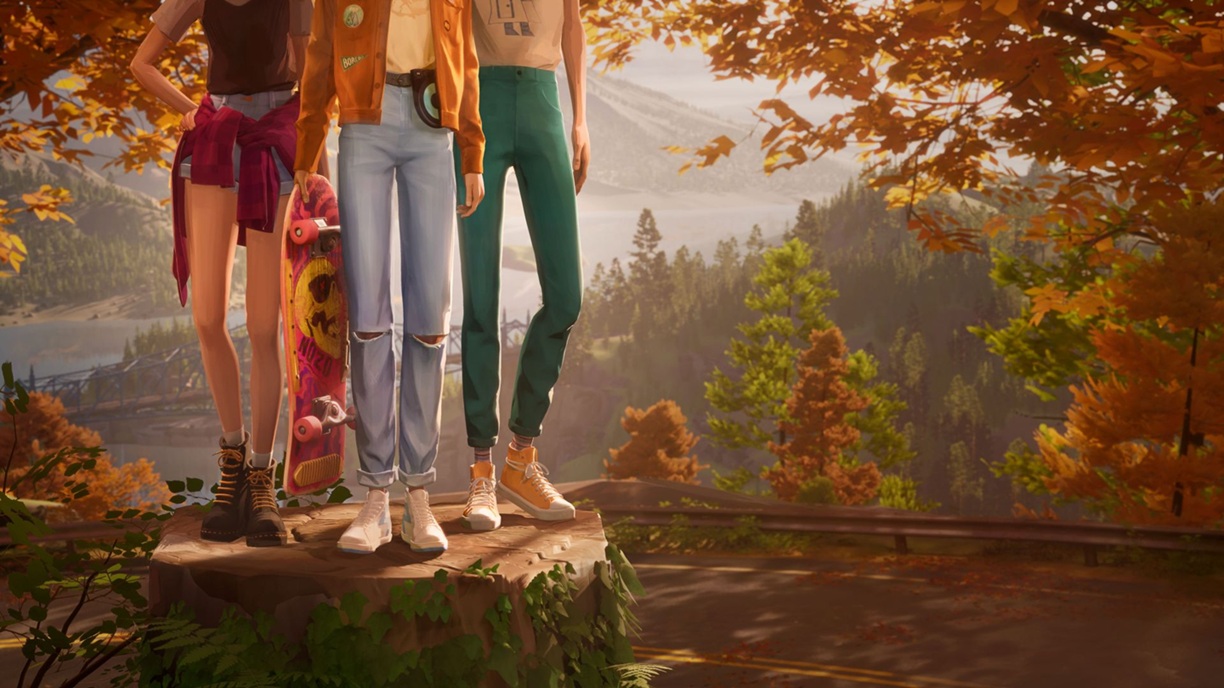
The answer is probably: the combination of all of it. Despite its minimalist gameplay, Mixtape is far more a cinematic, audiovisual feast and an ode to bygone times than a traditional game: it strikes that sensitive chord not merely for one generation but for all of us gamers.
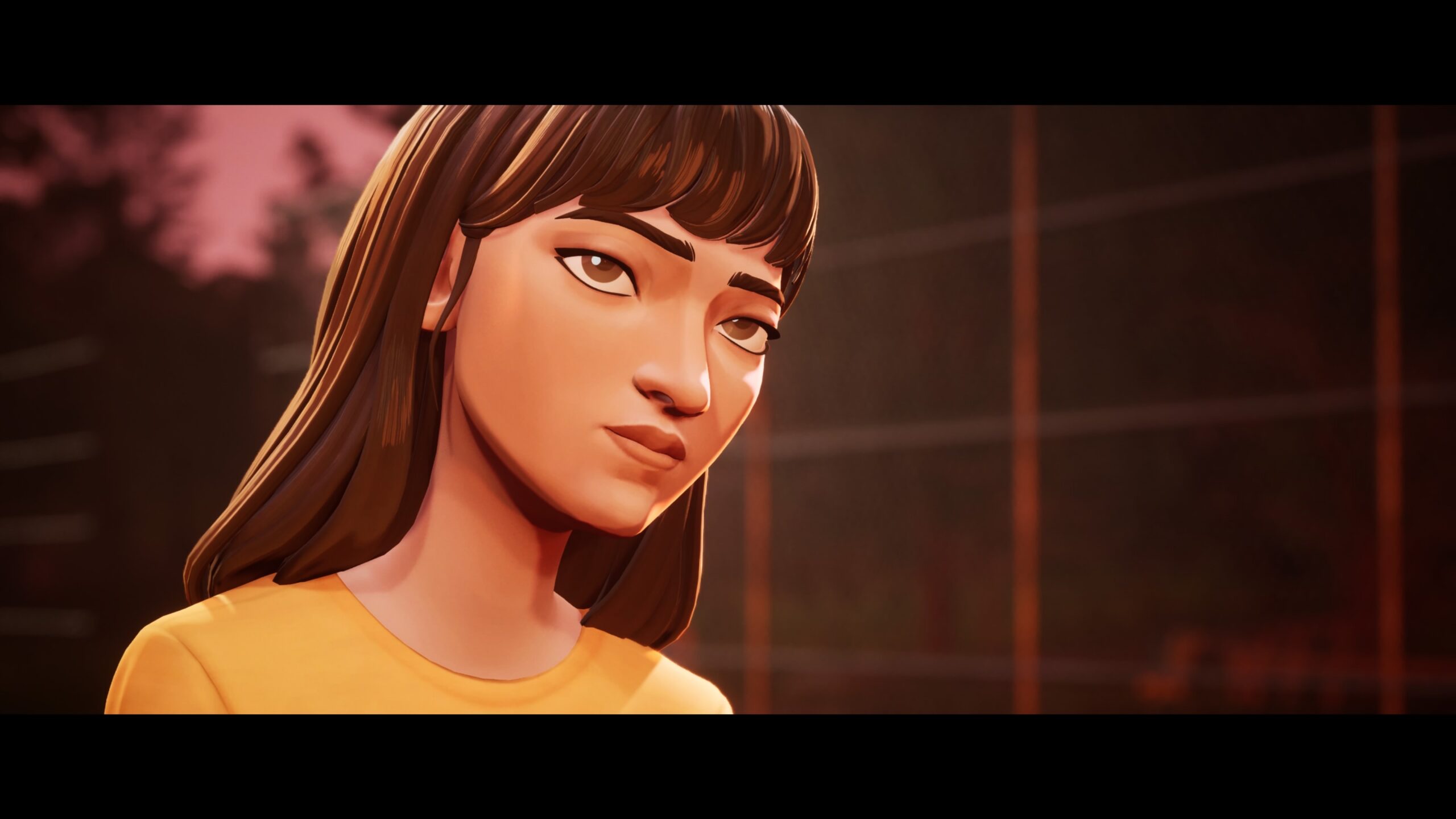
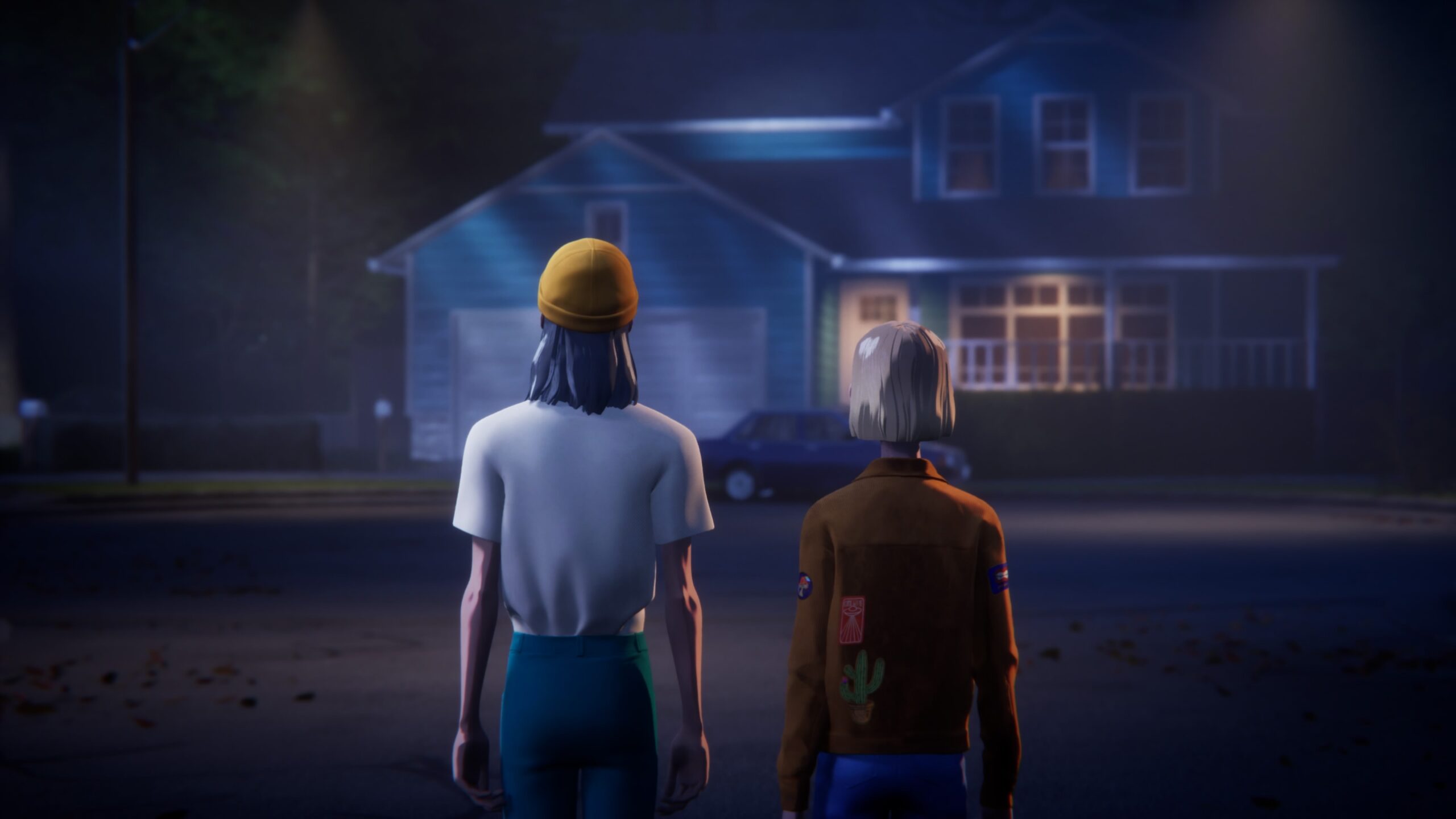
Mixtape is set in the fictional Californian suburban town of Blue Moon Lagoon, referred to by its local teens as “The Big Suck”, immediately setting the tone: they have pretty much seen all there is to see in their bulb and crave something bigger, louder, and beyond. This applies especially to protagonist Stacey Rockford, an audiophile through and through with a clear opinion, sharp personality, and dreams of making it in the music industry. With her friends Cassandra – Cass for short – and Slater, Stacey experiences their final night together while wrestling with the reality that she is about to leave them behind for an adventure in New York. There, she plans to pitch her mixtape to a producer in hopes of landing that big breakthrough.
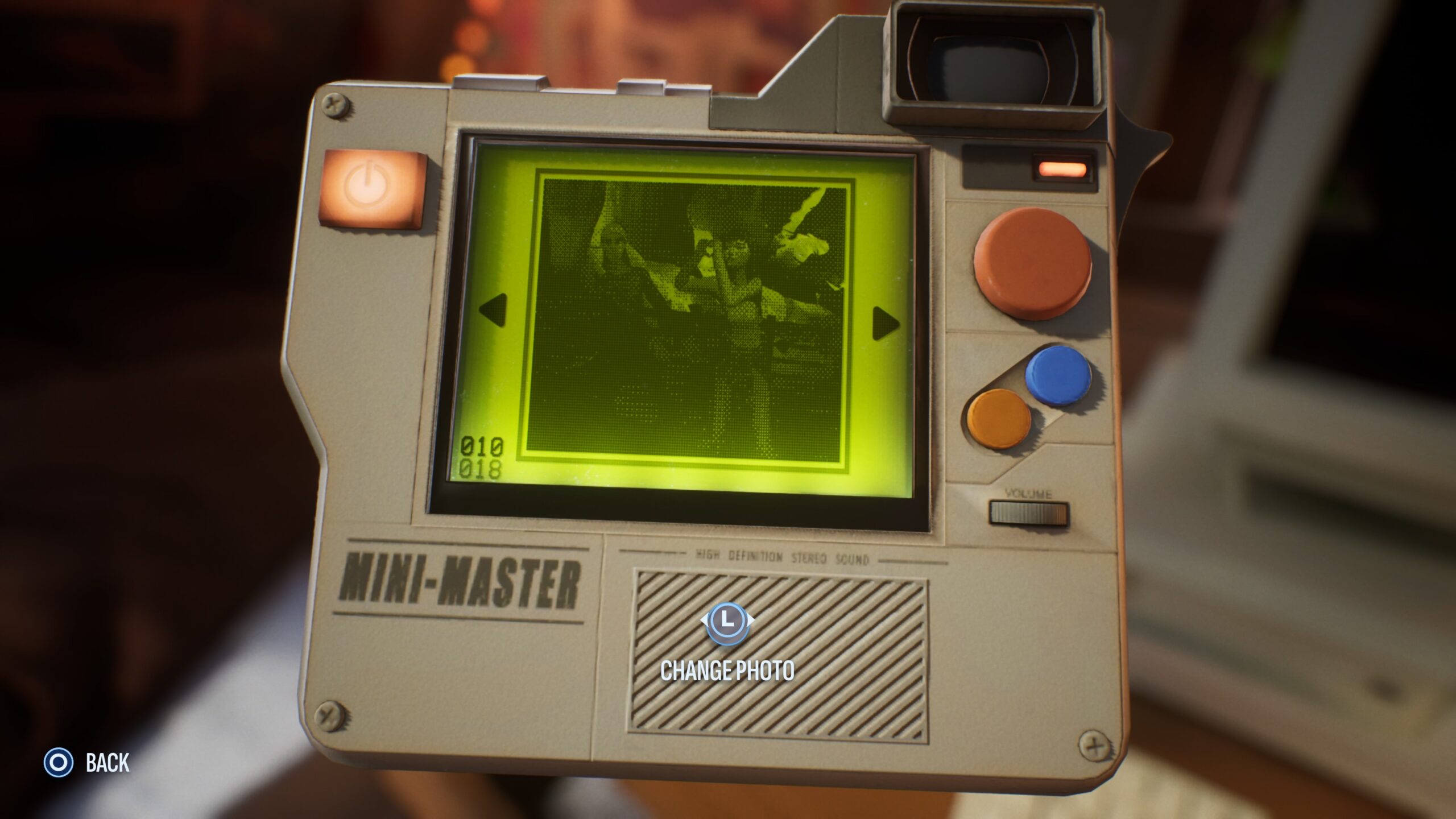
With each new section, it becomes increasingly clear that Stacey’s ambitions are anything but unrealistic – she genuinely knows her craft. The game almost functions as an educational documentary on music history. While many mistakenly label Mixtape as primarily a nineties-focused experience, its soundtrack in truth spans roughly three decades of remarkable musical heritage. It also lovingly celebrates the analogue zeitgeist with gorgeous anecdotal details. Rewinding tapes with a pencil, filming house parties on grainy analogue cameras full of distortion instead of smartphones, or burning CDs at school with those absurdly expensive laser writers back when that technology still felt revolutionary? It’s all there.
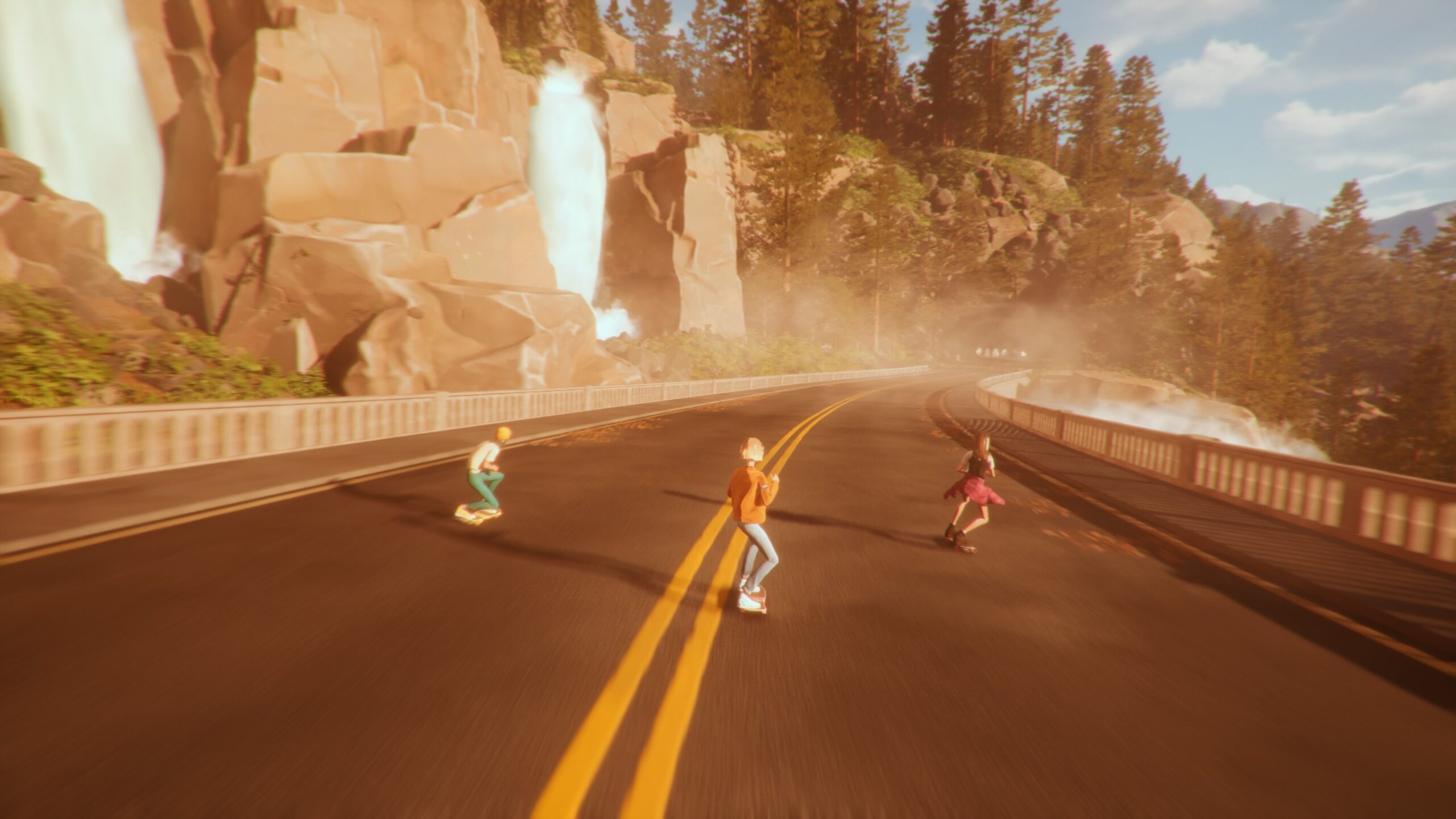
It all begins with the trio speeding on skateboards – and it certainly will not be the last time velocity takes center stage, nor will boards be the only thing escalating the chaos – through suburbs and larger country roads alike.
The longer you play, the clearer it becomes that with Mixtape, developer Beethoven & Dinosaur has created a dreamlike, intimate youthful bubble expressed through a colorful, tactile scrapbook. The reduced frame rate through stop-motion-inspired animation gives movement an intentionally choppy quality, evoking the heyday of MTV. Every frame and cutscene breathes craftsmanship and personality, from the hand-animated lip-syncing to the unforgettable moment the trio claps in sync with the beat of DEVO’s Feel Good.
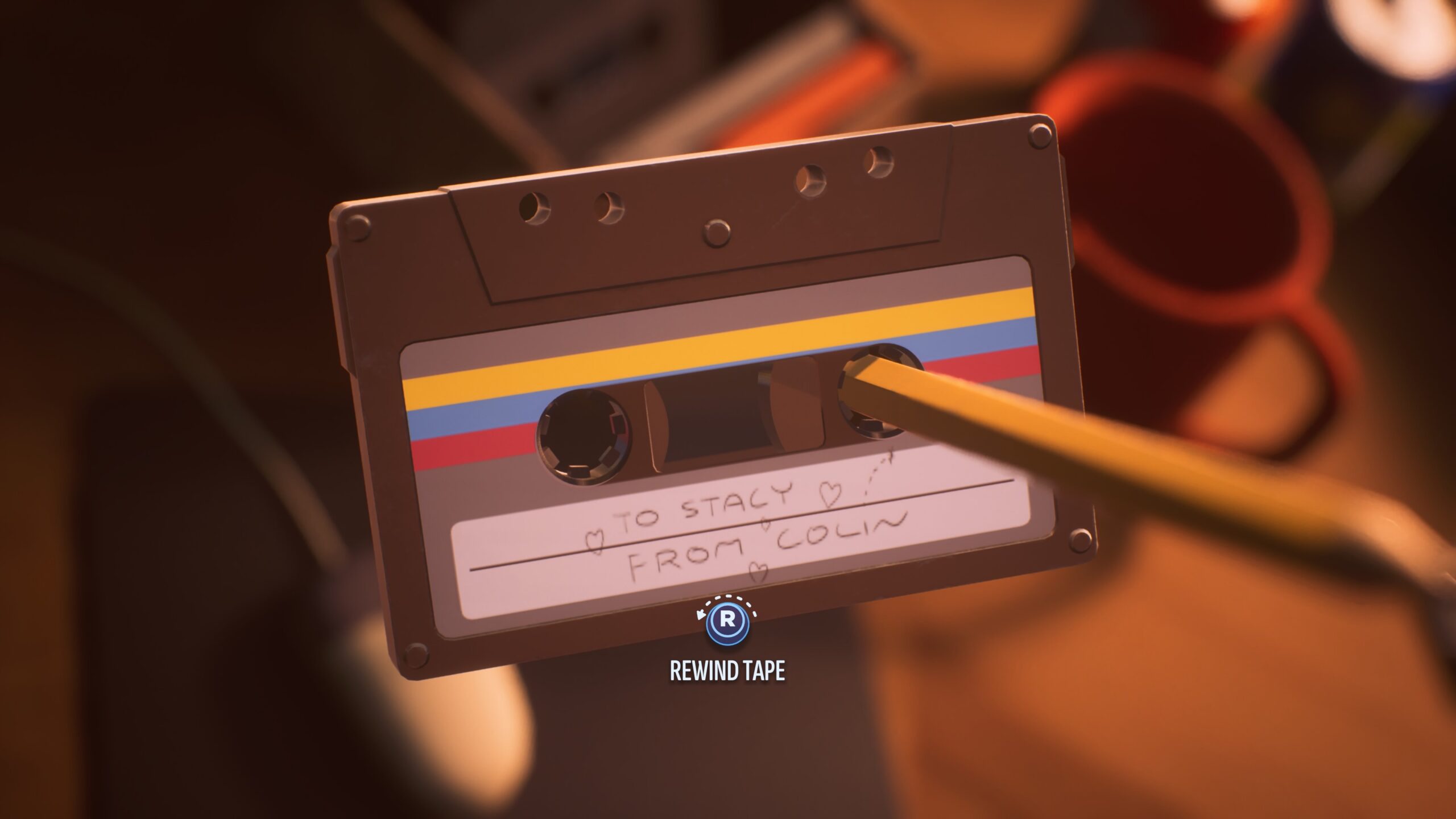
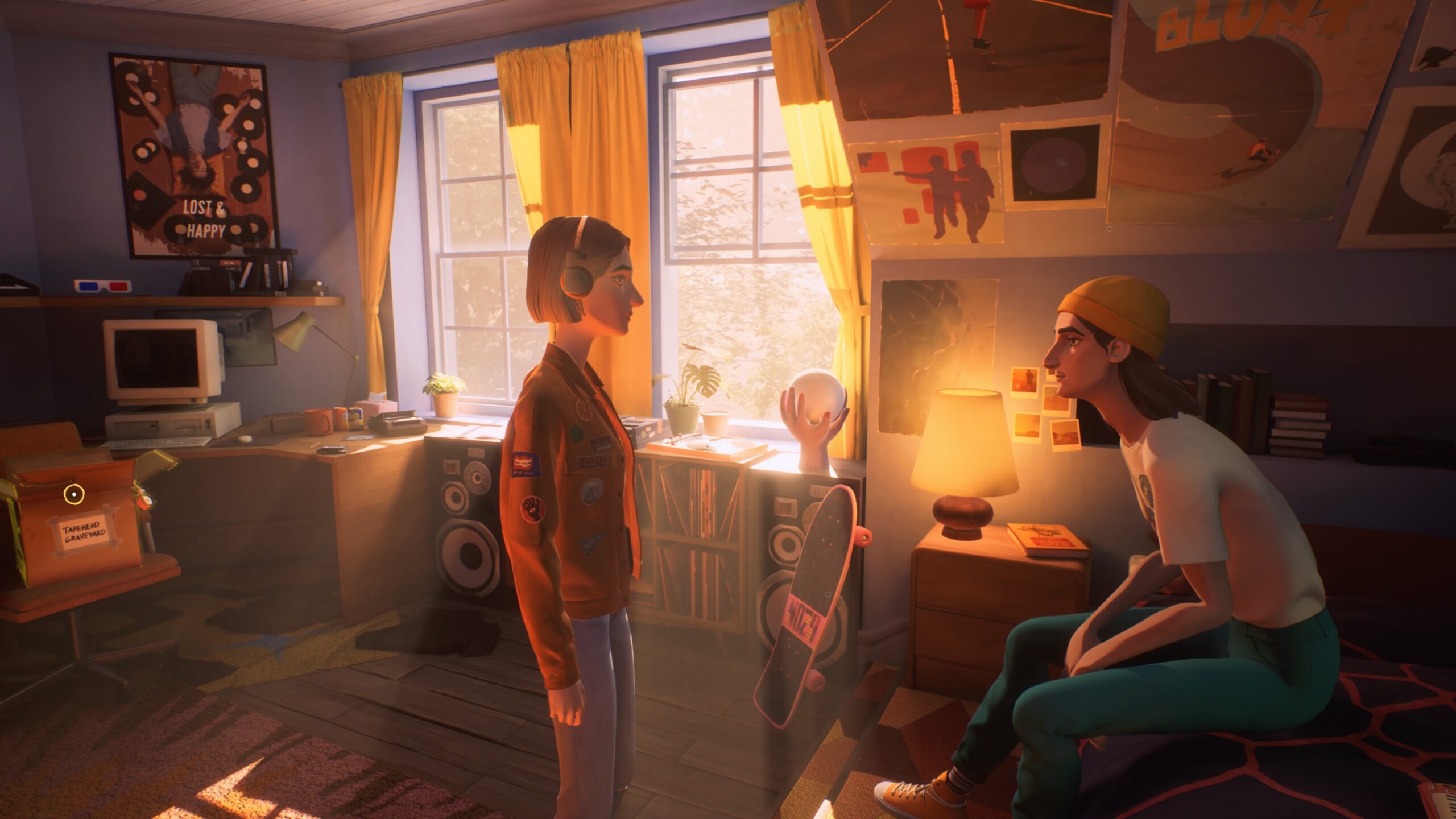
Mixtape does not, however, stand out for particularly unique gameplay. Much of it plays like a walking simulator with occasional investigative interludes, which in turn lead into striking flashbacks – profound memories shared by the trio that range from the mundane to the utterly surreal. These are most often triggered by examining objects during conversations that unfold in cluttered bedrooms – faithfully aligned with every cliché of the era – with walls plastered with idol posters and childhood remnants the characters stubbornly refuse to let go of.
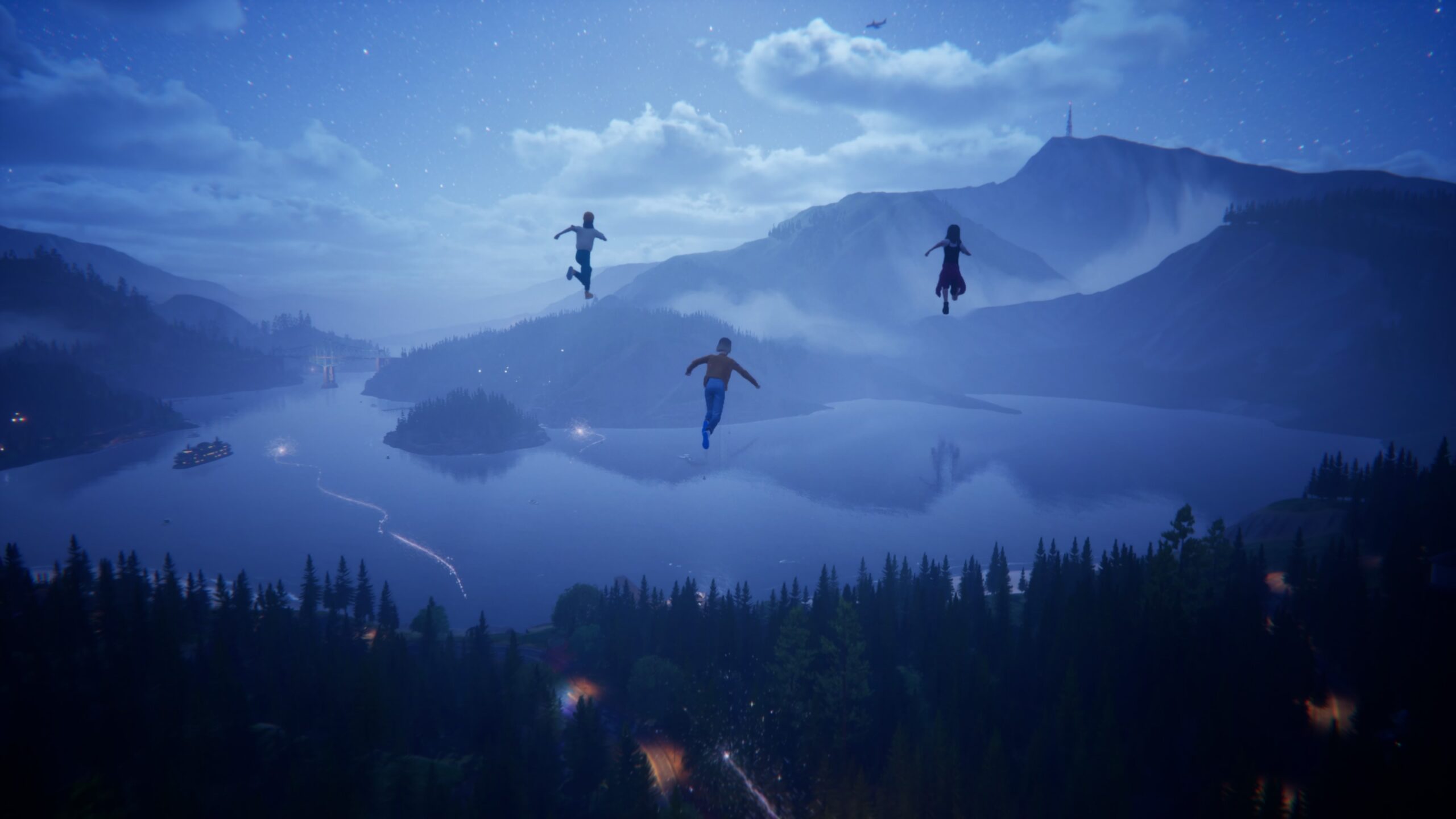
It is also true that the gameplay largely limits itself to directional inputs and timed button prompts, often serving aesthetics more than challenge. However, this minimal interactivity does not diminish Mixtape, nor does it define it; instead, it reflects a design that is simply not about gameplay in the traditional sense. Whether expressing joy by detonating fireworks across skylines, venting internal rage by setting surrounding objects ablaze, hinting at the consumption of booze too strong for the trio or implied pot-smoking – never explicit, yet suspiciously surreal in how often characters drift skyward – the game consistently elevates the banal into art. And that is precisely where its intent lies; that is what it ultimately revolves around.
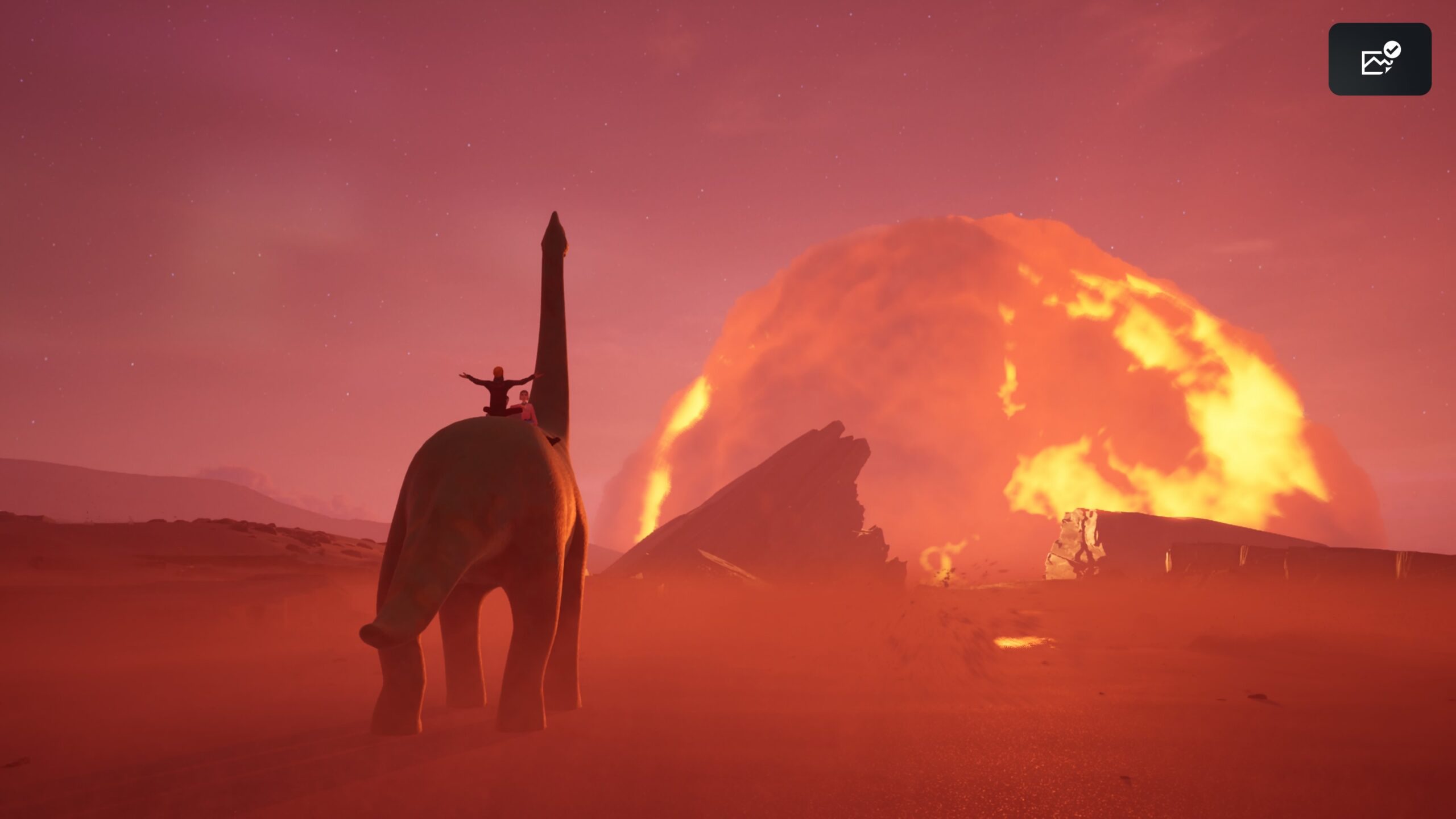
The variation in vignettes is also enormous, and all carry an underlying symbolic meaning of the bond the trio shares and how much they would fight for each other. Escaping the cops in a rattling shopping cart, breaking into an abandoned dinosaur-themed park at night, supporting each other while skipping stones across water or firing slingshots at bottles in the woods, or toilet-papering houses as an act of revenge? These aren’t the kinds of things you do every day – and certainly not with just anyone.
Even quieter moments, like mixing disgusting drinks, cruising in cars while headbanging to Silverchair, and naturally their secret handshakes, are beautifully realized. No smartphones are involved here, just a genuine sense of being present together in the moment. And yes, the dialogue can be intentionally pubescent, cringe, and painfully self-aware. The now-infamous French-kissing minigame – where you use the thumbsticks to control the awkward movements of both tongues during an excruciating first kiss – perfectly captures the hilariously uncomfortable absurdity of teenage intimacy.
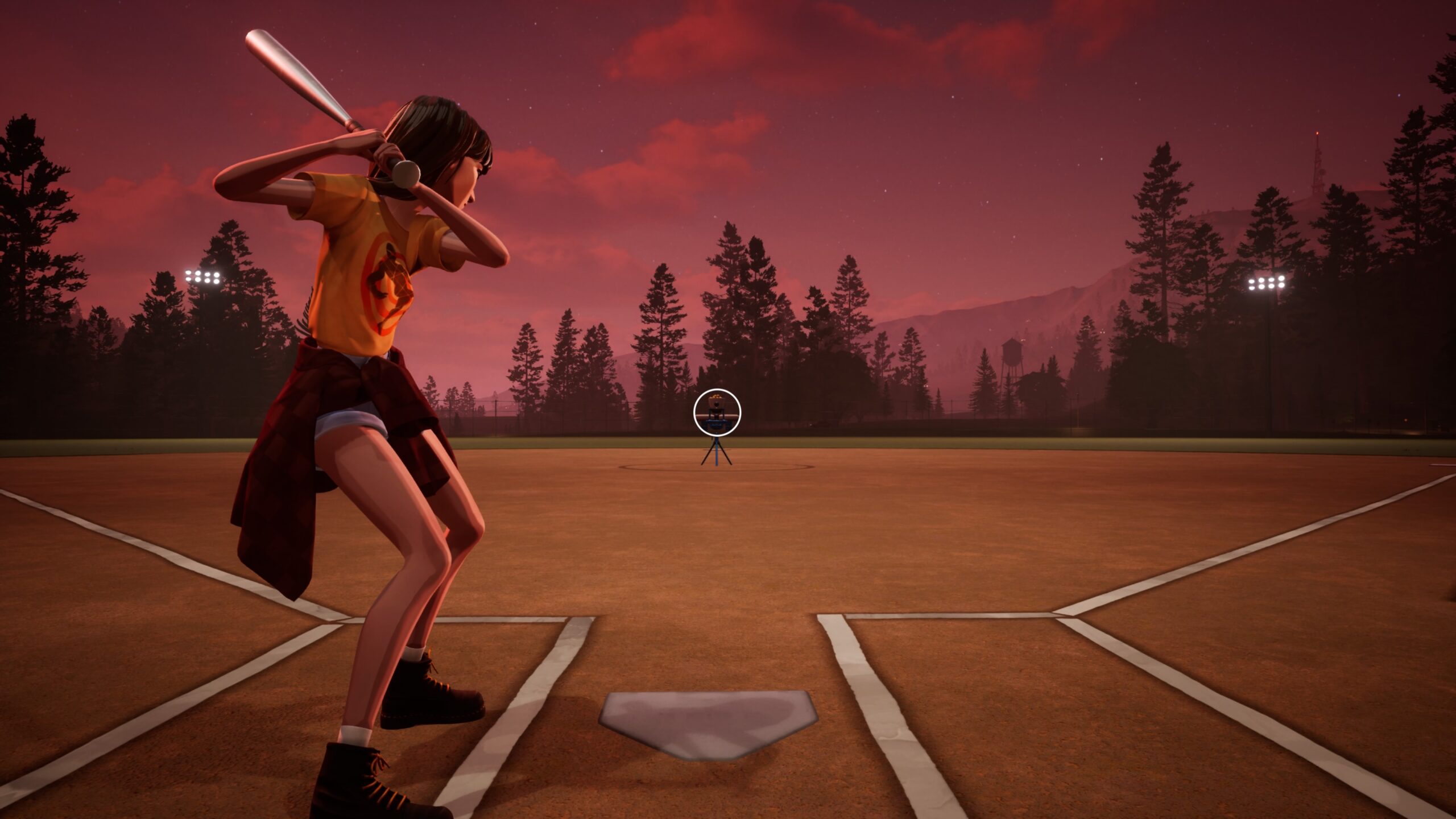
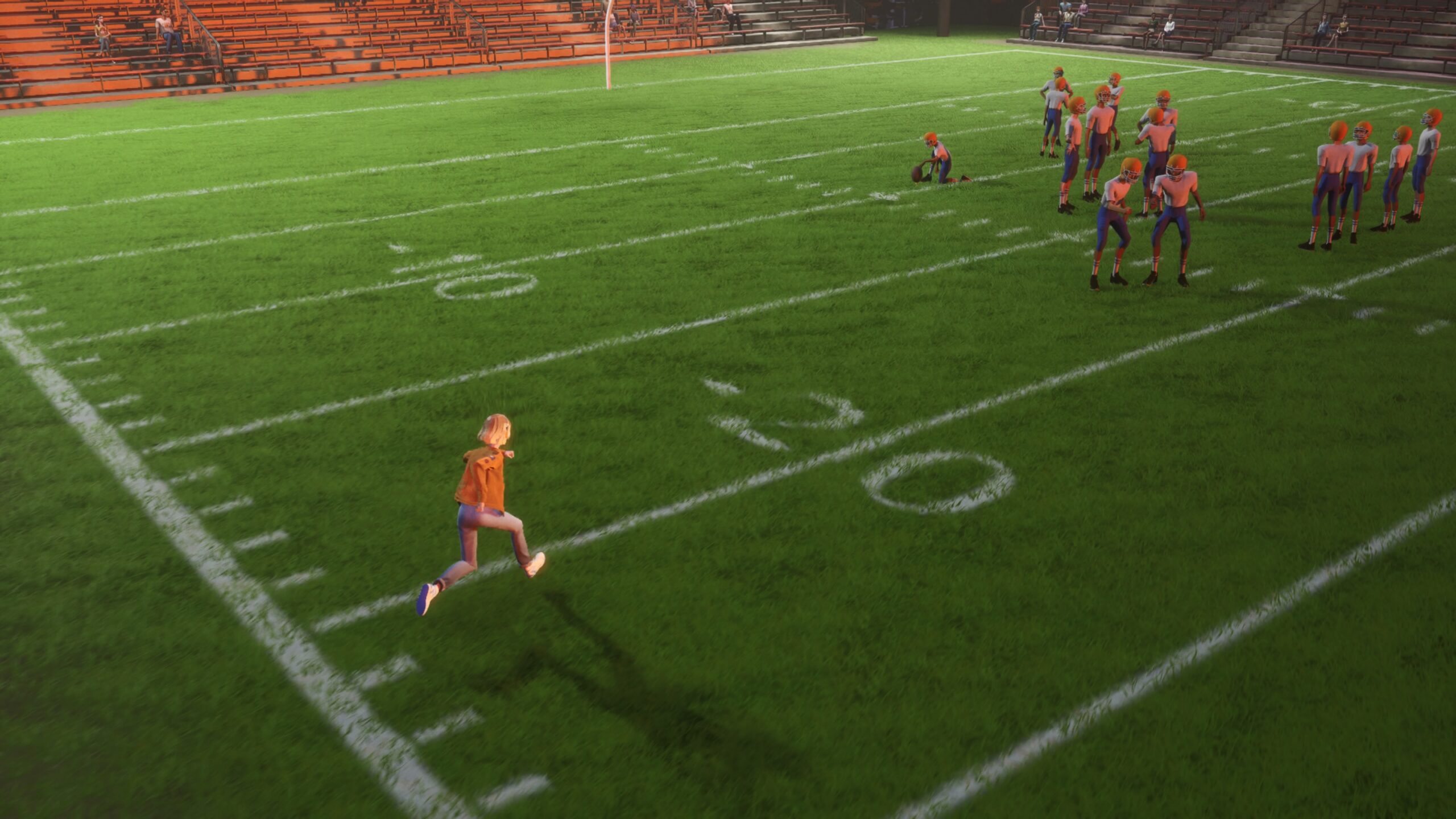
Mixtape fundamentally understands that adolescence is often clumsy, embarrassing, reckless, and emotionally overwhelming. Stacey’s invocation of Rush’s iconic line “the restless dreams of youth” from Subdivisions is therefore anything but arbitrary – it becomes the thematic spine of the entire experience, articulating with striking clarity the metaphorical burden of youth’s desire to escape the “perfectly limited” prison of suburban existence. Another standout moment of symbolism, for me, is Cass’s softball sequence, where Stan Bush’s The Touch transforms an ordinary training field into a bombastic stadium spectacle, reflecting her ability to perform even when she never truly aims for that kind of success.
Final Thoughts
Mixtape is a bold gamble that somehow lands spectacularly. Replayability is virtually non-existent due to the absence of side paths, meaningful branching, or choices that justify multiple runs, resulting in a brief three-hour runtime. Yet its impact is not diminished in the slightest.
This is a symbolic cinematic adventure, a playable anthology of music-video nostalgia, and a love letter to fading analogue youth culture. It forces players to reflect on growing up, on friendship and what happens to it when ambition takes priority, and on the inevitability of saying goodbye to one another when adulthood finally intrudes.
For anyone who understands the magic of a manually curated playlist, the ritual of a perfectly assembled mixtape, or the ache of that final night with certain friends, Mixtape is an absolute must-play. It’s a stunning, artistic tribute to analogue youth – and hopefully this story gets a continuation, because it absolutely deserves one.
Additional Information
Release Date: May 7, 2026
Reviewed On: PS5 Pro. Download code provided by the publisher and PR agency.
Developer: Beethoven and Dinosaur
Publisher: Annapurna Interactive
Relevant links: Available on Xbox Series X|S (available Day 1 on Gamepass), Nintendo Switch 2, PlayStation 5, and PC via Steam, Epic Games, and Microsoft Store.