Berenhardt
 Lost in Space, Found in Potential.
I’ve always been fascinated by space. The mystery of the unknown, unexplored worlds, and unimaginable lifeforms has fueled my imagination for as long as I can remember. So whenever a game gives me the chance to step into the boots of a virtual astronaut, I’m more than ready to blast off. In this review, I’ll take you through my time exploring the depths of space in STARSEEKER: Astroneer Expeditions. Strap in. 3… 2… 1… Liftoff.
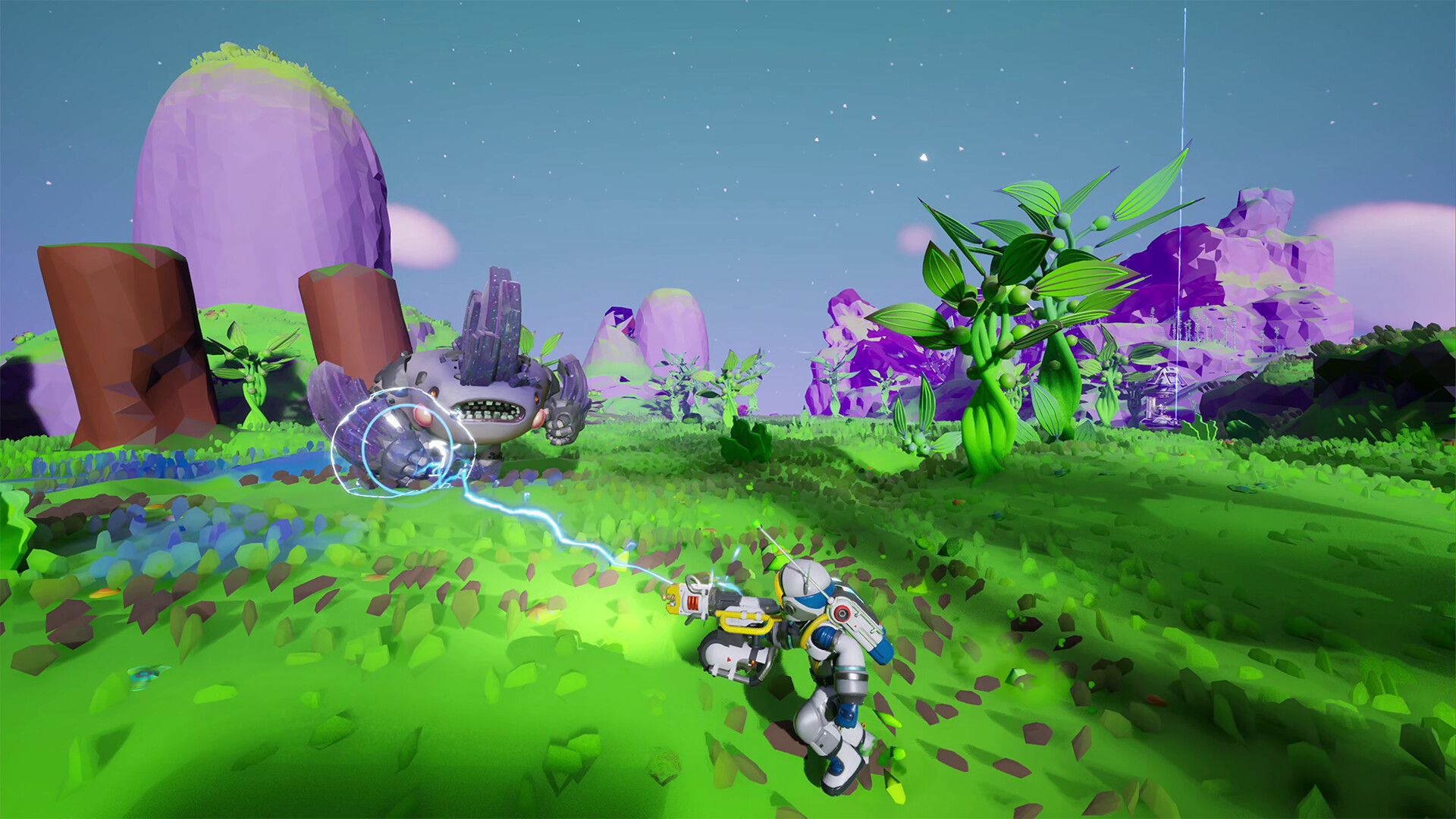
Right from the start, the game does a solid job of establishing its universe. You’re introduced as an Astroneer, a cloned explorer created for one purpose: venturing into unknown star systems and discovering what lies beyond humanity’s reach. Your journey begins aboard the ESS Starseeker, a massive exploration vessel commanded by Captain Jupiter. As the title suggests, your mission is to embark on dangerous expeditions across the galaxy. During my time with the game, I was assigned to explore the planet Tephra.
After a brief tutorial – which does a respectable job of teaching the game’s basic mechanics – I met several NPCs offering missions and quickly noticed other players roaming around the Starseeker, preparing for their own expeditions. Unfortunately, I ended up playing solo since none of my friends had picked up the game yet. Even so, the multiplayer aspect still managed to shine through. Players greeted each other using the game’s selection of emotes, and several generous explorers even tossed useful resources my way that I could either sell or use for crafting.
It’s easy to imagine this game becoming significantly more enjoyable with a dedicated group of friends. Even while playing alone, the Starseeker had a surprisingly wholesome atmosphere, with players naturally helping each other out before heading planetside. One of the first things that stood out to me was the game’s visual presentation. Built on Unreal Engine 5, the game looks fantastic. The colorful art direction, combined with detailed environments, makes every expedition feel like stepping onto a truly alien world.
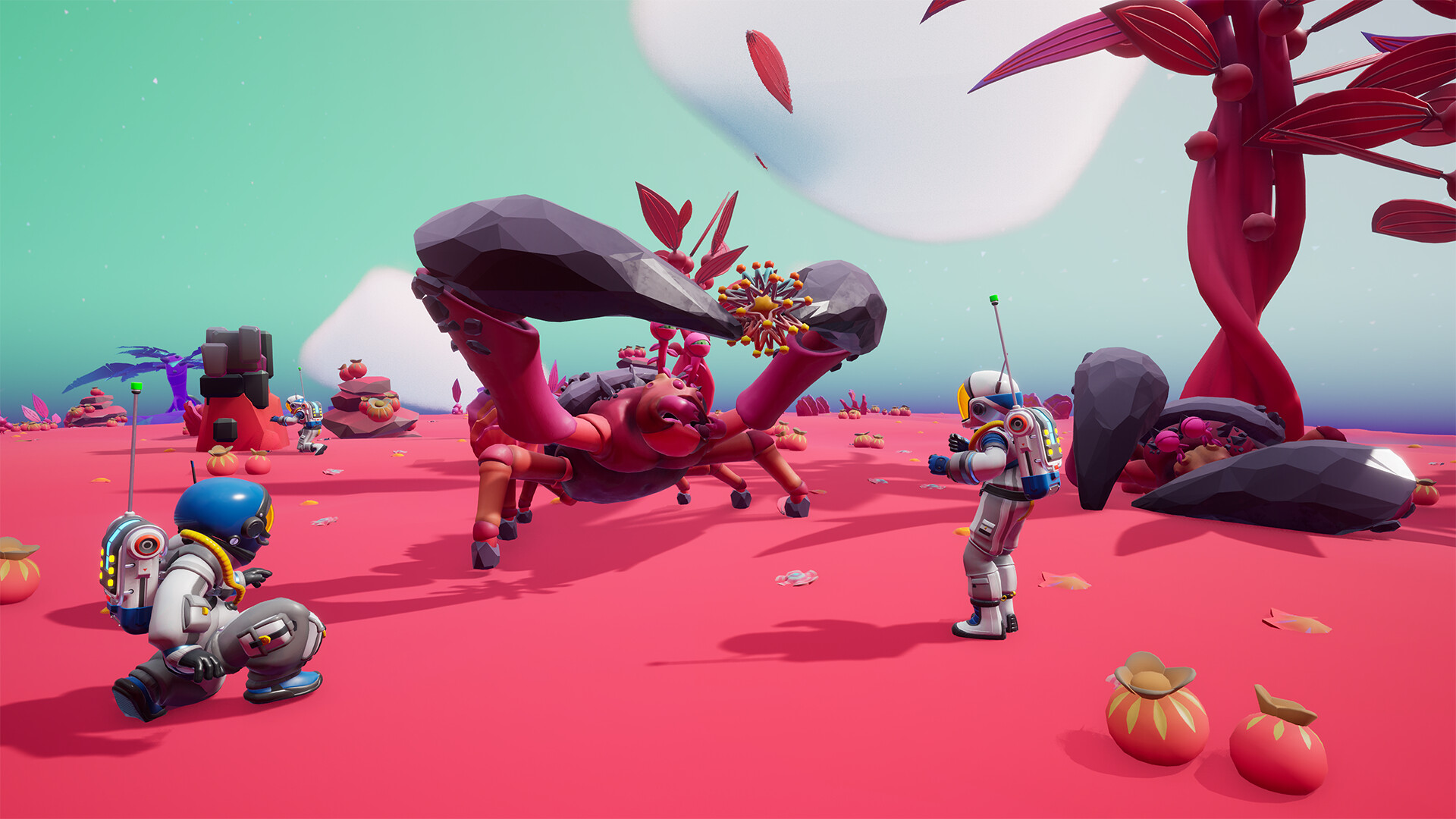
Terraforming once again plays an important role, allowing you to reshape the terrain while searching for resources, flora, and fauna needed to complete missions back aboard the Starseeker. The materials you collect can then be refined into more advanced resources, which are used to upgrade your equipment and unlock better gear.
Completing missions also rewards you with currency that can be spent on cosmetic customization. Throughout the Starseeker you’ll find various stations dedicated to changing your Astroneer’s appearance, and the developers clearly had fun creating a wide variety of outfits. Whether you’re aiming for a sleek sci-fi explorer or something completely ridiculous, there’s plenty of room to personalize your character.
That said, I couldn’t help but feel slightly disappointed by one major design change compared to the original Astroneer. Where the first game heavily emphasized base building and creating your own outposts, Astroneer Expeditions shifts its focus almost entirely toward structured missions. Every expedition is limited by the oxygen supply in your backpack, meaning your time on a planet is always ticking away. Once your oxygen runs low, it’s time to head back to the Starseeker.
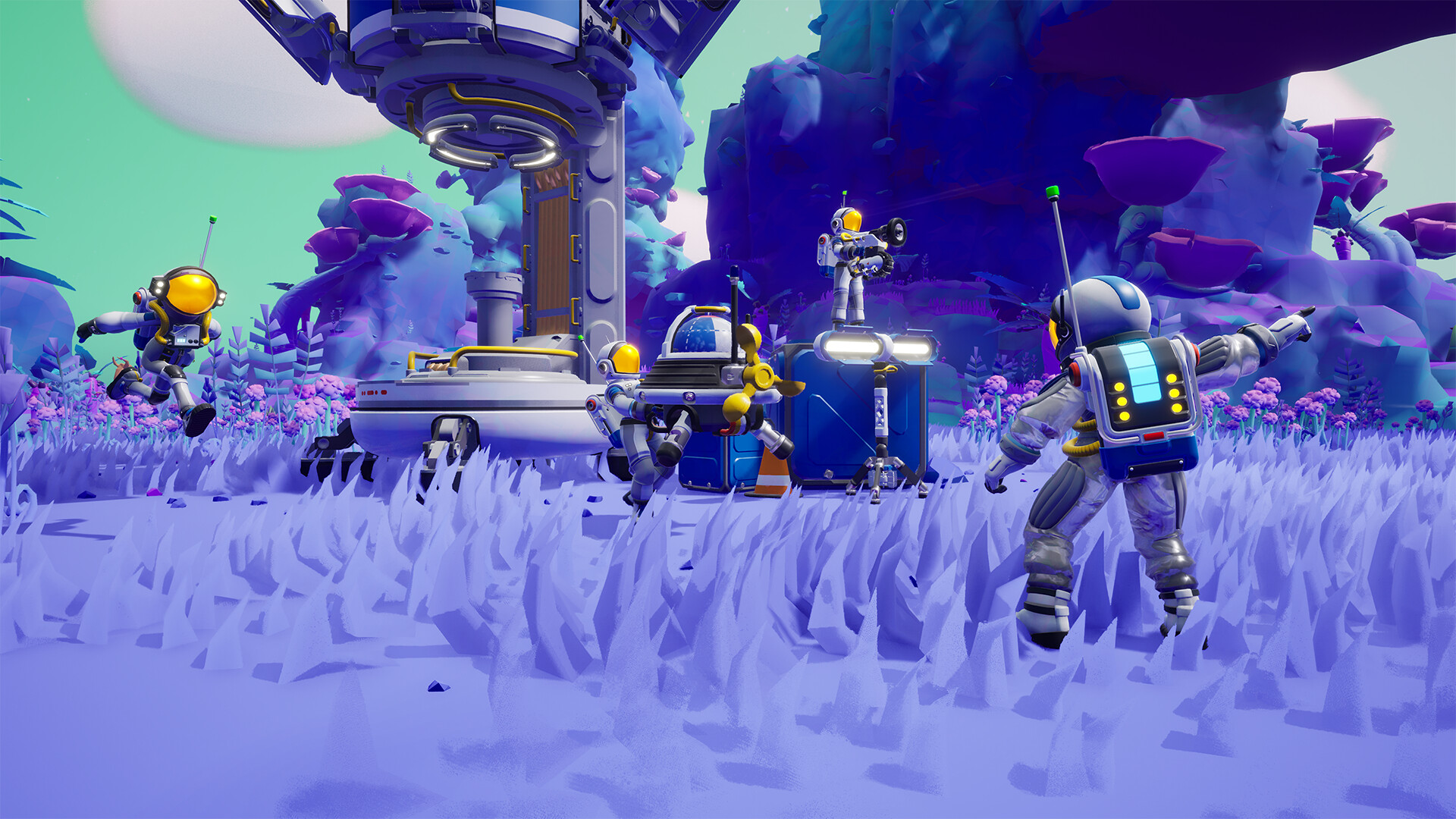
The overall gameplay loop reminded me a lot of the limited-time Expeditions found in No Man’s Sky. Venture out, gather resources, complete objectives, return to your ship, upgrade your equipment, and repeat. While there’s certainly satisfaction in this loop, it eventually starts feeling somewhat repetitive, especially for players hoping for the more open-ended sandbox experience the original game offered.
Exploration itself can also be surprisingly dangerous. Many of the alien creatures you encounter aren’t exactly thrilled to have visitors on their home planet, and since your character starts out fairly fragile, death is something you’ll likely experience more than once. It’s never overly punishing, but losing the contents of your backpack after dying can definitely become frustrating during longer expeditions.
Preliminary Thoughts
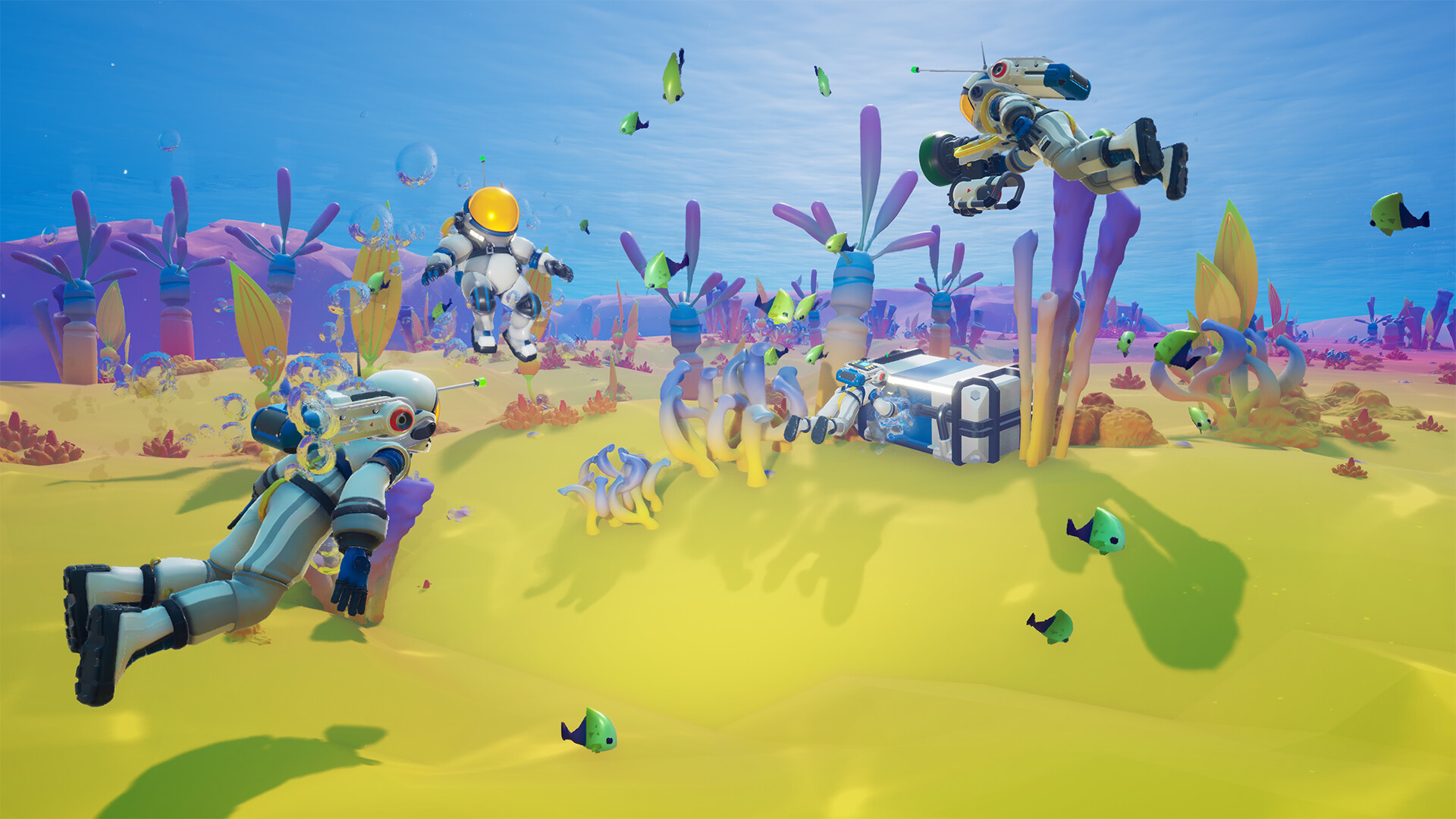
STARSEEKER: Astroneer Expeditions has plenty of potential. Its gorgeous visuals, charming atmosphere, satisfying progression systems, and cooperative design make it easy to see why fans of space exploration games should keep an eye on it. However, the repetitive gameplay loop and the absence of traditional base building kept me from becoming fully invested over the long term.
I also can’t shake the feeling that this is a game that truly comes to life with friends. Coordinating roles within a team, with one player defending the group, another focusing on mining resources, and someone else hunting dangerous alien wildlife, sounds like exactly the kind of emergent co-op gameplay this experience was built around.
Despite my reservations, I’m genuinely excited to see how the developers continue expanding the universe. With more planets, additional mission variety, and a bit more polish, STARSEEKER: Astroneer Expeditions could easily grow into something special. For now, I’m looking forward to the next expedition – and the next opportunity to once again lose myself among the stars.
Additional Information
Release Date: June 11, 2026 (Early Access)
Previewed On: PlayStation 5. Download code provided by the publisher and PR agency.
Developer: System Era Softworks
Publisher: Devolver Digital
Relevant links: Available on PlayStation Store, Xbox Series X|S, Nintendo Switch 2, and PC via Steam.