DaRmaZat
 Released into Early Access on May 21, A.A.U. Black Site is the debut project from Raspberry Studio. Blending tactical gunplay with supernatural horror, the single-player FPS drops you into the abandoned Serbian territory of Uzovnica after a covert operation goes horribly wrong.
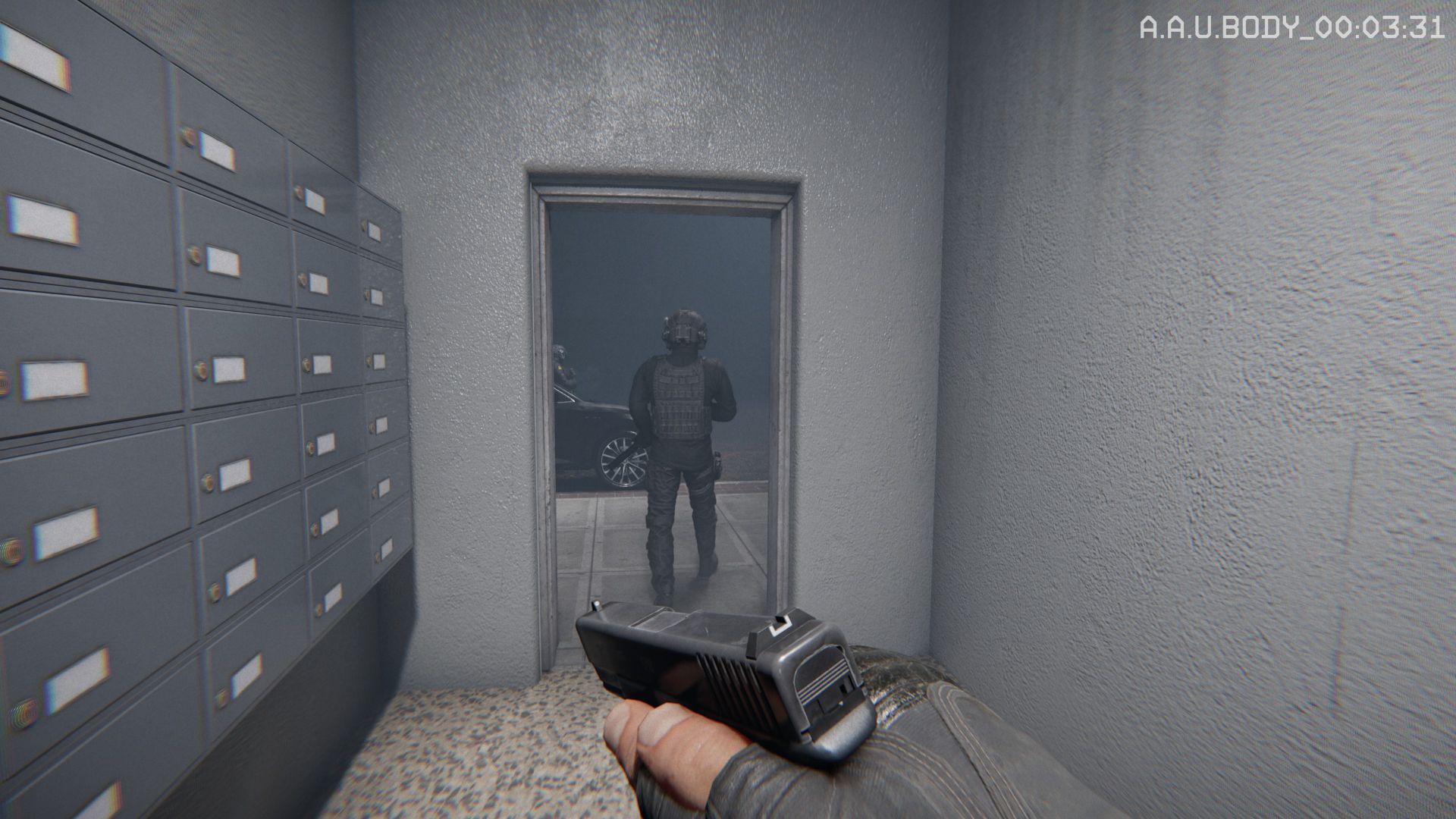
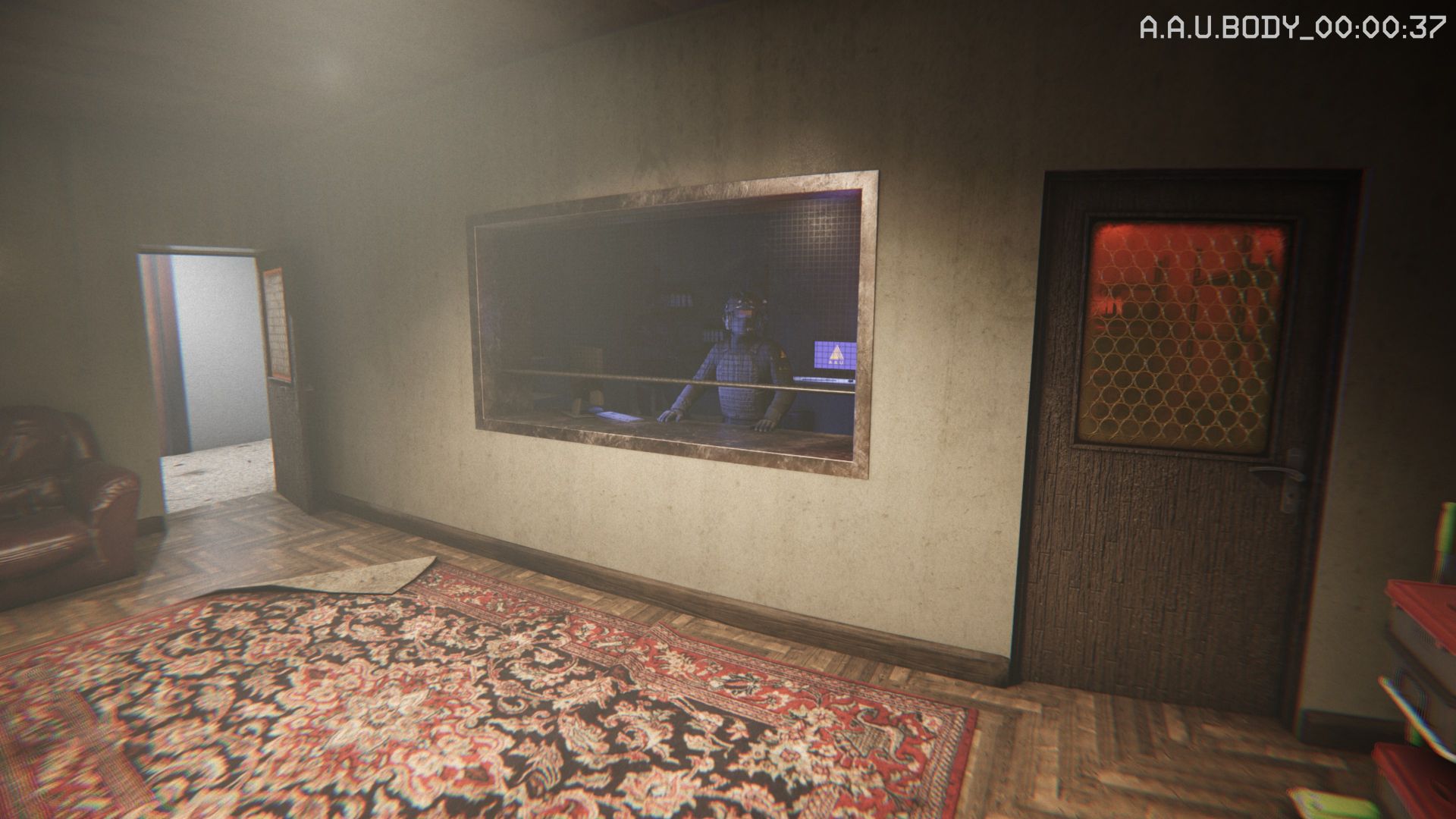
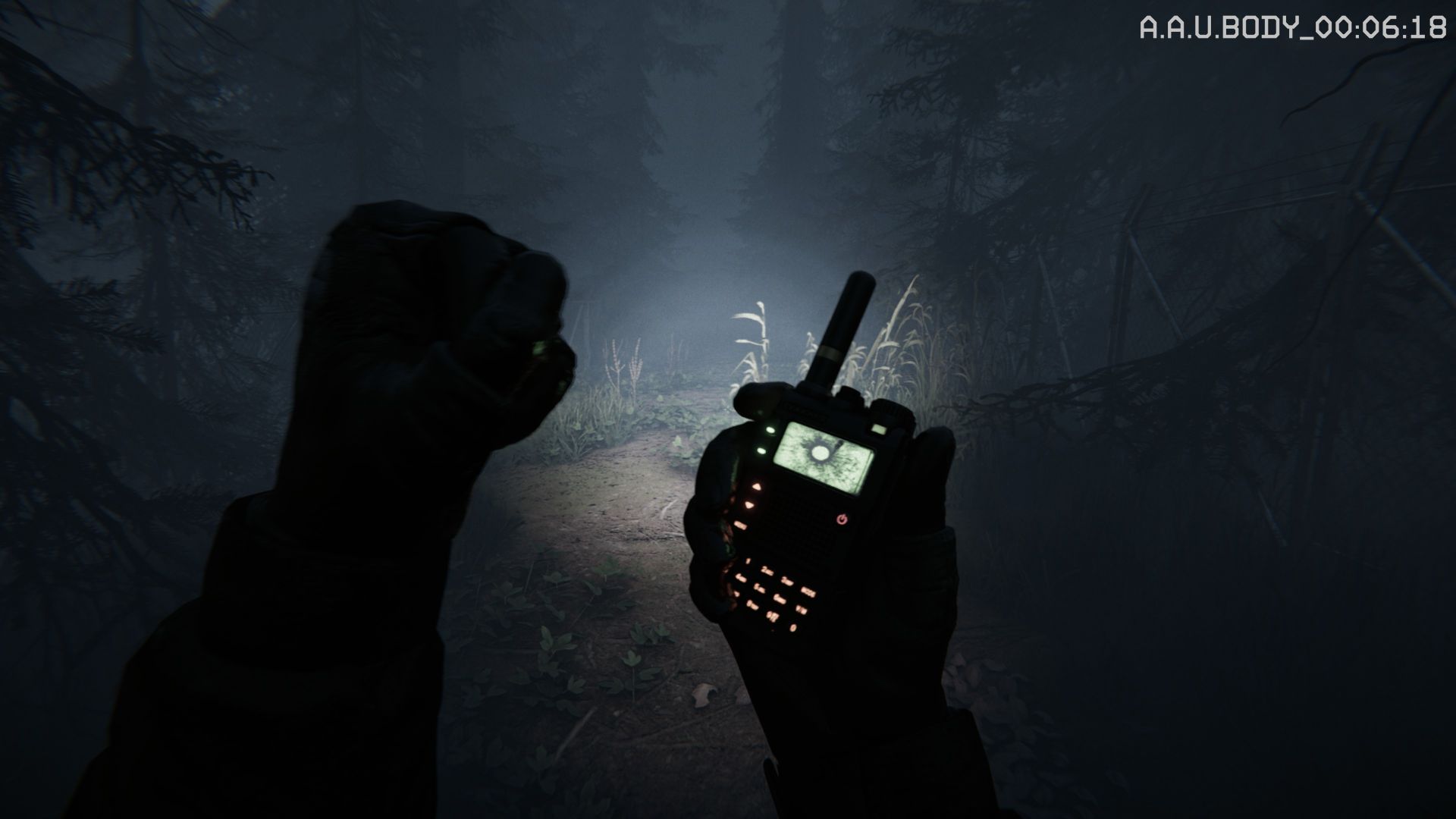
One of the first things that stood out to me was the A.A.U.‘s main menu. Rather than presenting a conventional interface, the game uses a collection of surveillance monitors to navigate settings and launch the campaign, including one that is already reserved for future additions. At launch, the game includes two playable scenarios, God’s Chosen and Guilt Trip, while Beneath the Rotten Sky is scheduled to arrive in a future update.
As Echo One, an operative of the secretive A.A.U. organization, you find yourself isolated and stranded deep behind enemy lines after a mission goes wrong. It is an intriguing setup, and one that immediately raises questions about who exactly you are, who your enemies are supposed to be, and what led to this disastrous mission in the first place. You are guided throughout the campaign by a handler named Sephor over the radio, and bits of information gradually emerge as the story progresses.
However, A.A.U. Black Site often relies on gameplay itself to tell the story, leaving long stretches with very little narrative context. While that approach can sometimes work, here it frequently left me guessing. What exactly is the A.A.U.? Why am I being framed? Who are these people I am eliminating, and why? Unfortunately, the current Early Access build does not provide enough answers in that regard. There is a foundation here, but the world-building and immersive storytelling still feel quite raw.
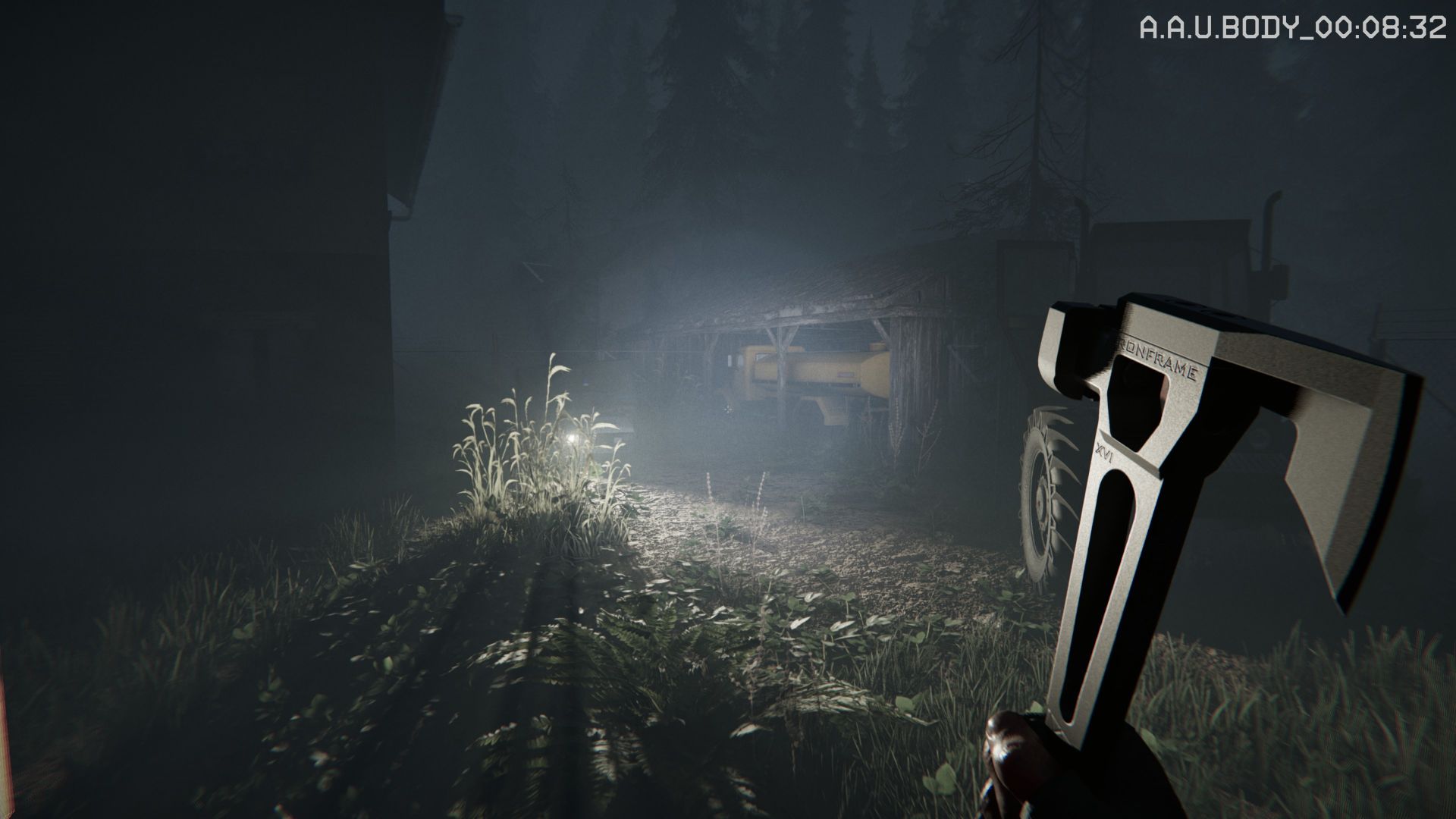
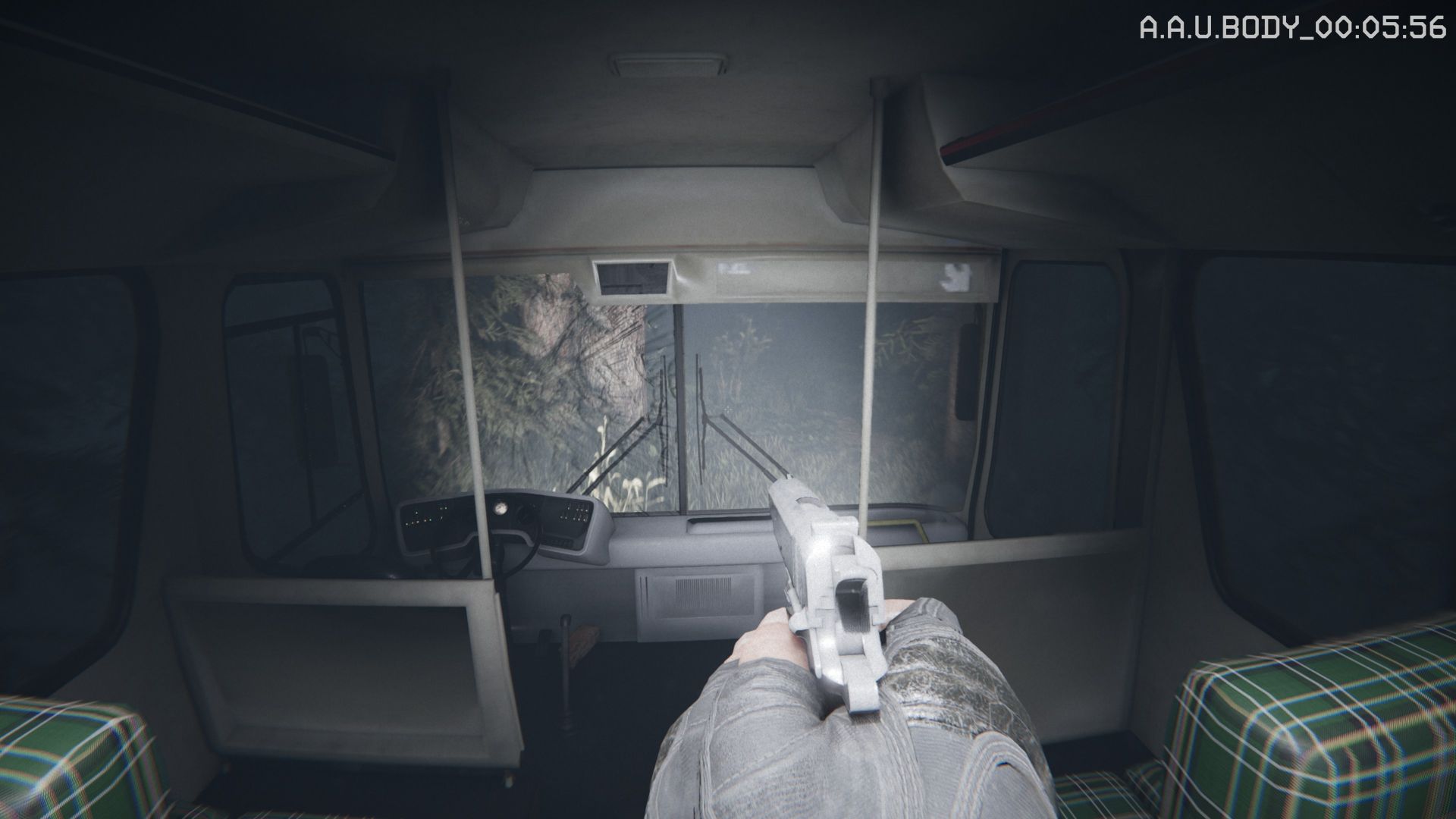
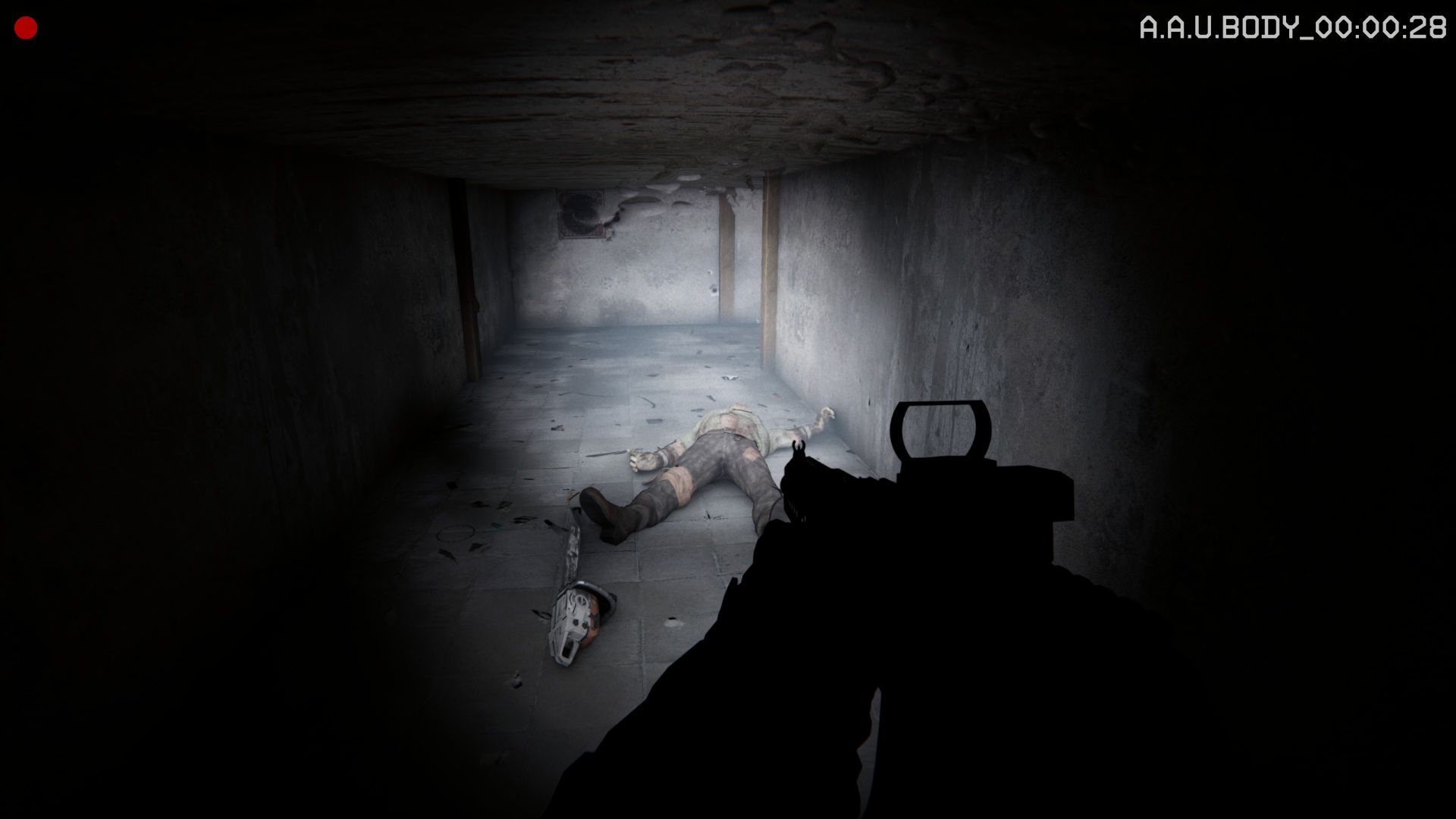
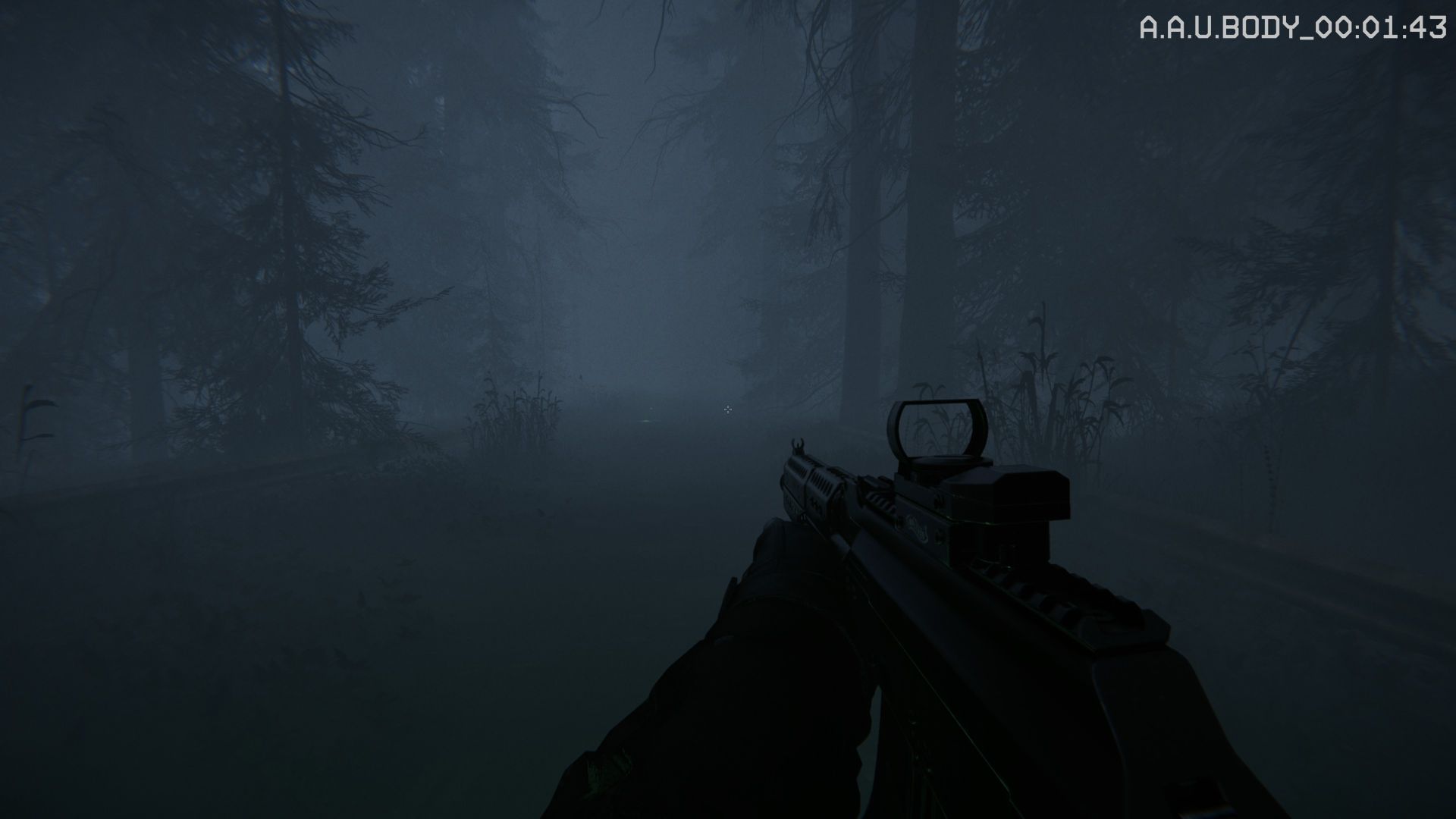
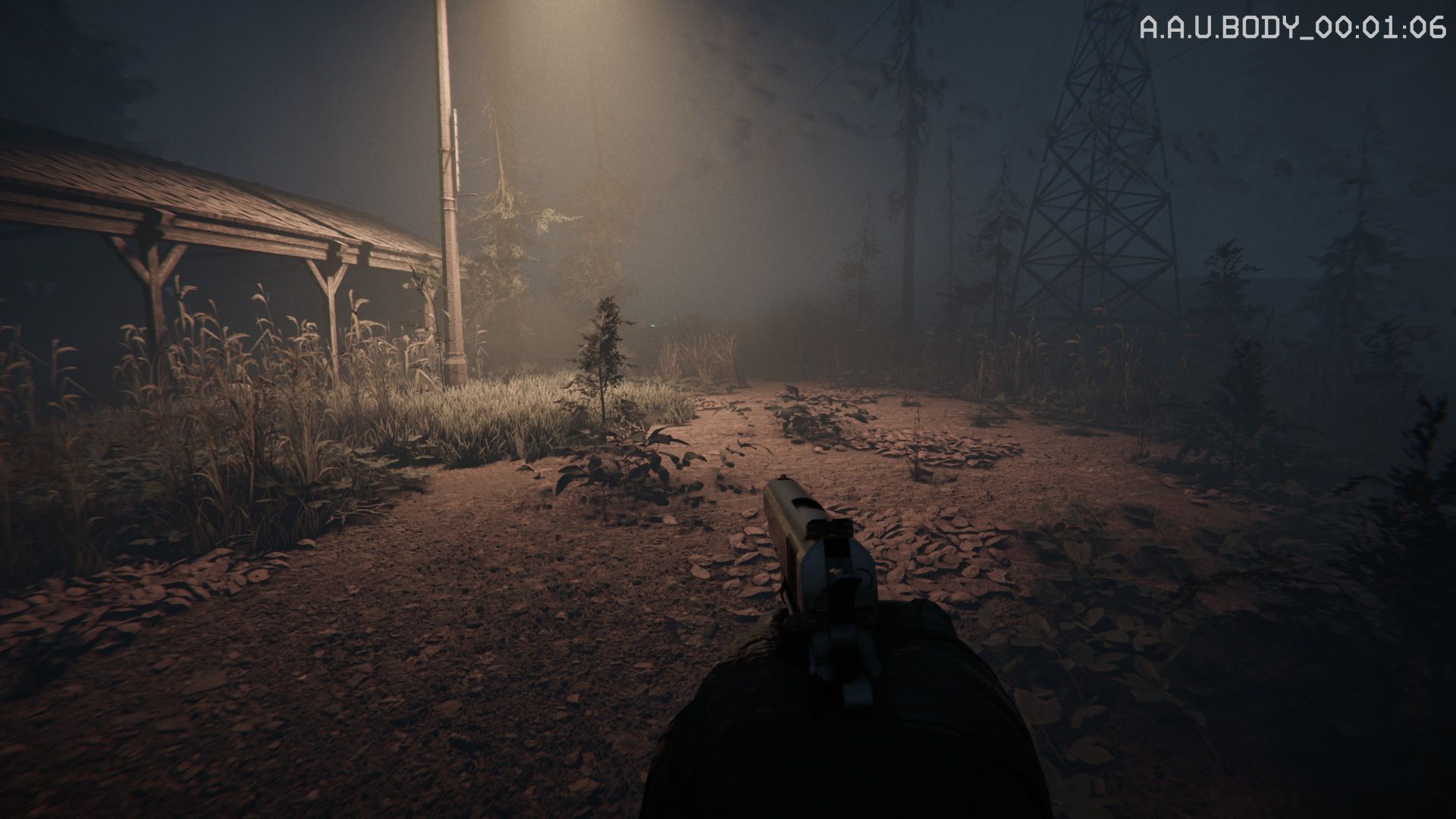
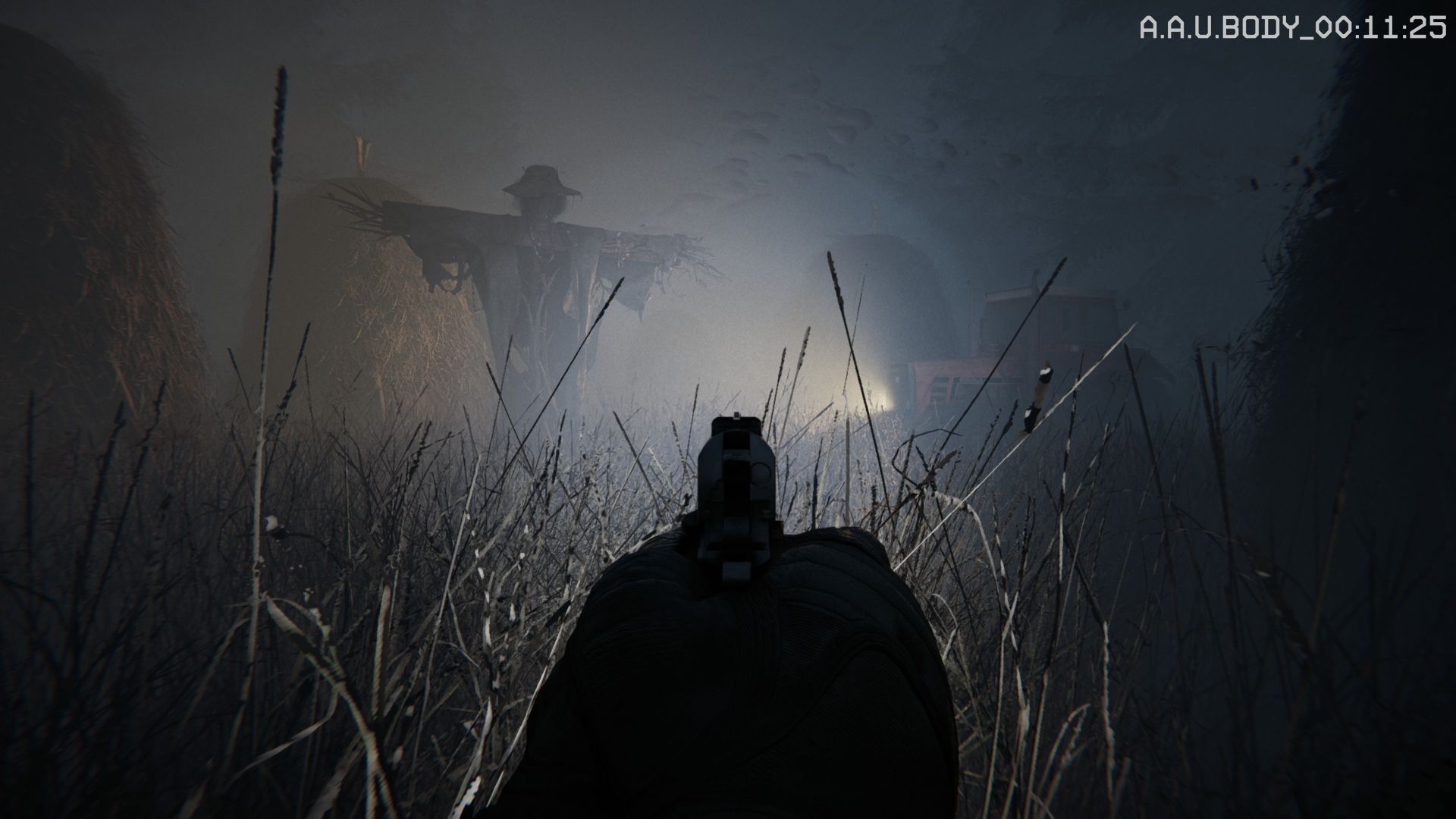
Visually, the game looks decent without being particularly impressive. Lighting generally does a good job of carrying the presentation, especially during the many dark sections where – despite your flashlight – visibility is limited and tension naturally increases. At the same time, some textures, particularly vegetation, can appear noticeably soft compared to the rest of the environment.
More interestingly, since everything is also being recorded through an active bodycam feed, every NPC encountered throughout the game has their identity obscured through digital pixelation blocks. Combined with the dark environments and occasional supernatural imagery, it helps establish a creepy atmosphere that immediately separates A.A.U. Black Site from more conventional shooters.
The core gameplay mechanics are fairly straightforward, but they get the job done. You can switch between weapon fire modes, while the middle mouse button toggles between traditional iron sights and canted sights. Healing comes in the form of injectable recovery doses found throughout the levels, and ammunition is replenished through ammo boxes placed around the environment. Should you find yourself completely out of ammo, a basic melee attack is available as a last resort.
The game advertises more than twenty weapons, including assault rifles, submachine guns, and pistols, but the selection feels less diverse in practice than the number suggests. There is no weapon customization system beyond whatever attachments are already mounted on the firearms, something that becomes apparent as early as the tutorial. While the campaign regularly offers opportunities to swap weapons, many of the same guns quickly begin reappearing. I also found the relationship between weapon caliber and damage output somewhat inconsistent, with some firearms lacking the impact their ammunition suggests they should have.
Combat is unfortunately a weak point, primarily due to poor enemy AI. Instead of demonstrating tactical awareness, adversaries frequently follow rigid, prescripted paths across the screen. Consequently, the game’s difficulty relies entirely on artificial padding, often throwing overwhelming waves of bad guys at you rather than a fair dose of smart guys. While these large numbers can occasionally trigger frantic firefights, the “quantity over quality” approach quickly causes the combat to feel repetitive.
Your progression frequently revolves around locating levers, opening gates, and jumping over obstacles, all while figuring out where to go next. With objective markers completely absent, you can easily get lost since the path forward is not always immediately clear. Yet, at the same time, I can’t deny that this total lack of guidance does a good job of amplifying the overall tension.
The campaign itself already delivers a surprising amount of gameplay variety, although not always in the most coherent way. One moment you are clearing enemies from houses, the next you are crossing open terrain filled with scarecrows that kill you instantly when approached, avoiding sniper fire, or driving and crashing a bus. While there is certainly no shortage of things happening, the pacing often feels completely disconnected from reality. Rather than building naturally from one scenario to the next, many sequences feel like separate gameplay ideas stitched together and thrown at you in rapid succession. The result is entertaining at times, but it also feels undeniably fragmented.
Naturally, as a horror experience, A.A.U. Black Site also leans heavily into gore, jump scares, and shock value. Blood is everywhere, disturbing voices echo throughout many of the environments, and the game rarely misses an opportunity to throw something grotesque at the screen. The problem is that many of these horror moments feel more like scenes from a C-movie than genuinely unsettling horror. There are certainly plenty of scares, but most of them rely on volume and surprise rather than suspense.
The audio does little to elevate these moments. Gunfire sounds somewhat cheap, movement effects lack impact, and picking up certain items produces weird noises. The soundtrack often feels disconnected from what is happening on screen, while the voice acting itself can also be hit-or-miss.
On the technical side, the Early Access build proved largely playable during my time with it. I experienced noticeable frame skipping issues during the introductory sequence, but disabling V-Sync and setting the upscaler to the Quality preset appeared to resolve the issue entirely. Beyond that, performance remained stable for the most part. There are bugs, as expected from an Early Access release. I encountered enemies visible through walls, weapons that could be picked up through geometry, and the occasional reload sequence that became stuck on a black screen. One pleasant surprise is the inclusion of native AZERTY keyboard support straight out of the box, something that many PC releases still overlook.
Preliminary Thoughts
After spending time with A.A.U. Black Site, I am left with mixed feelings. The bodycam presentation is genuinely distinctive, and there are flashes of creativity throughout the campaign that suggest Raspberry Studio has some interesting ideas. At the same time, the current build is held back by raw storytelling, weak enemy AI, and a flat audio design.
Early Access exists precisely for games like this, though. There is enough potential here to justify keeping an eye on future updates, but whether that potential is fully realized will depend on how much the experience evolves in the months ahead. Right now, A.A.U. Black Site feels like a promising concept that has yet to fully come together.
Additional Information
Release Date: May 21, 2026 (Early Access)
Previewed On: PC. Download code provided by the publisher and PR agency.
Developer: Raspberry Studios
Publisher: IZilla Games
Relevant links: Available on STEAM.