DaRmaZat
 True emotional resonance rarely requires a script.
Released on June 23 by developer Lifeline Games and publisher Dear Villagers, Deer & Boy positions itself as a poetic, cinematic platformer where silence speaks louder than words. It belongs to that distinct subgenre of quiet, atmospheric adventures where a human and an animal form an unbreakable bond against all odds.
An Unlikely Bond in a Strange World
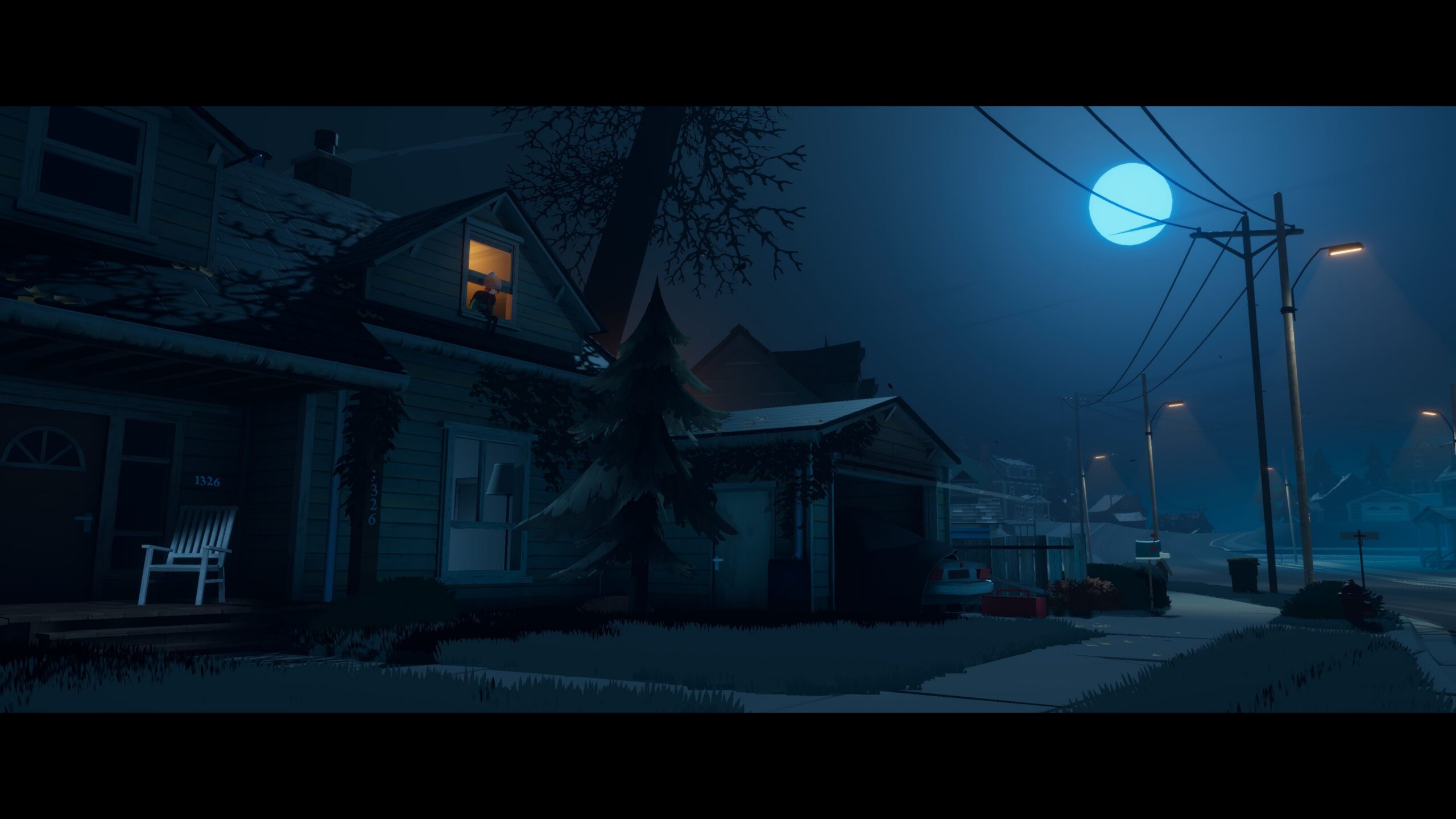
In Deer & Boy, you step into the shoes of a young boy who escapes from his bedroom in the middle of the night, unknowingly throwing himself into an adventure he could never have anticipated. A young fawn gradually becomes the story’s second protagonist, although neither the boy’s identity nor the reason behind his escape is ever explained. As a result, the narrative remains fairly surface-level in terms of its actual plot, but that doesn’t prevent it from delivering genuine touching moments.
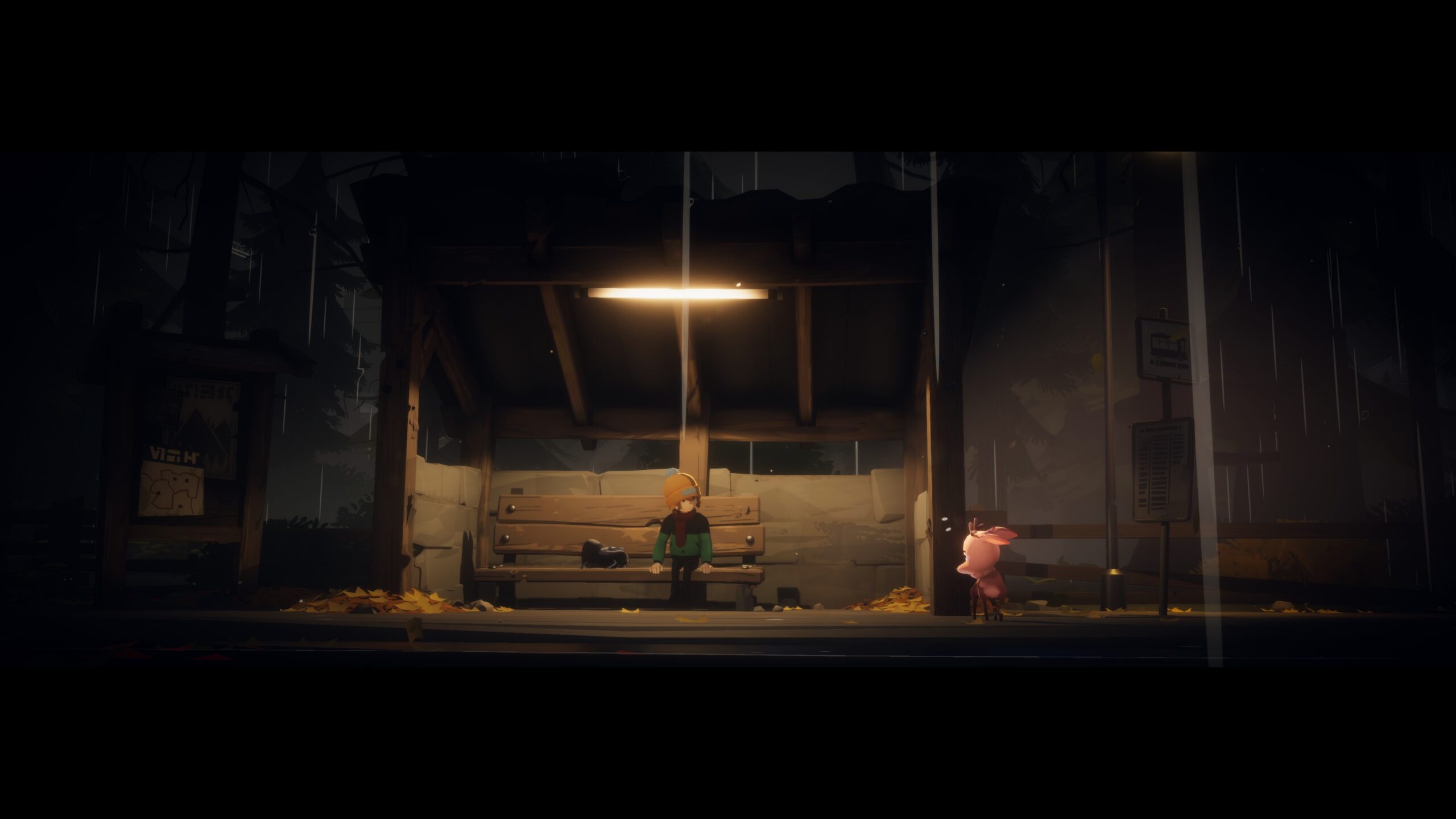
One of the game’s most memorable scenes is the first encounter between the boy and the frightened fawn at a lonely bus stop in the dead of night. It’s a beautifully understated introduction that immediately establishes the emotional tone. However, the two don’t immediately begin traveling together. Instead, the story takes its time, allowing dramatic circumstances to naturally bring them closer before their journey truly begins.
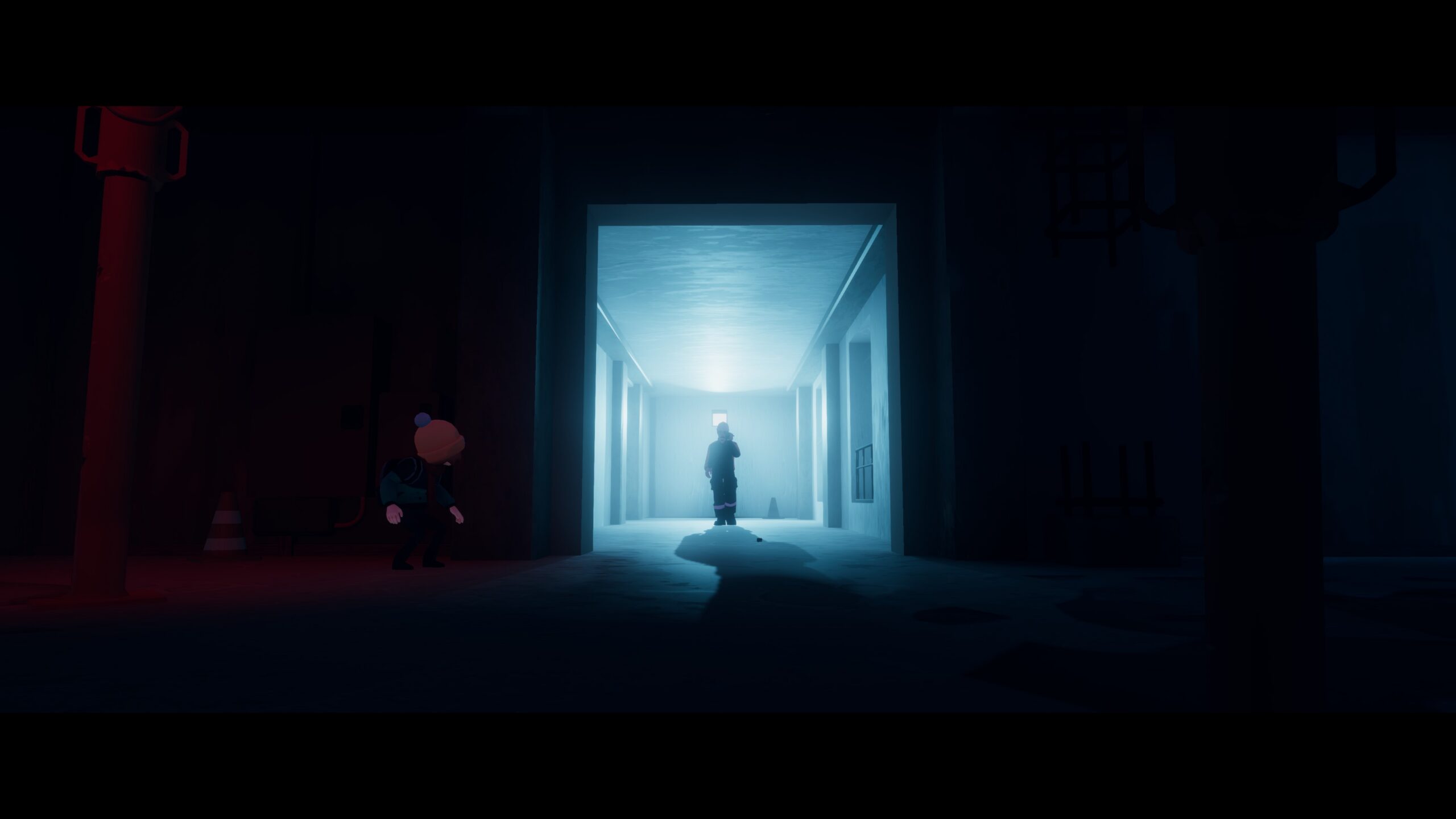
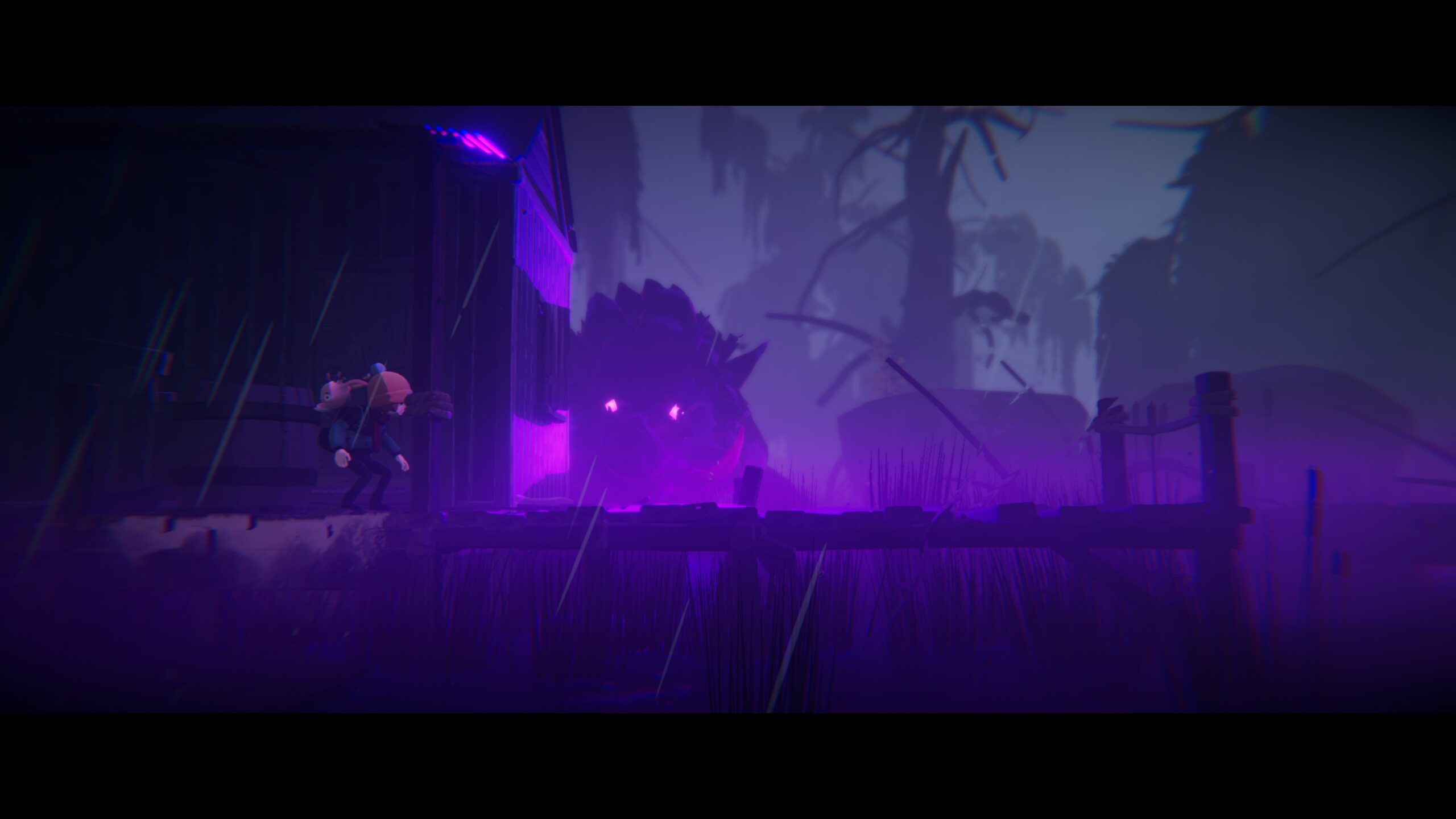
There’s a remarkable amount of heart, soul, and genuine dedication poured into this adventure. At the same time, the plot occasionally takes some rather unexpected turns. While the very idea of a young boy forming such a deep bond with a wild fawn already feels surreal in its own right, the world itself becomes increasingly bizarre as the story unfolds. A mysterious purple substance also causes wildlife to mutate into monstrous creatures, creating an unusual contrast between the game’s otherwise heartfelt atmosphere and its darker underlying mystery.
Clever Puzzle Design Takes Center Stage
Or, to put it differently, the real backbone of Deer & Boy lies in its puzzle design. The game rarely presents brain-melting challenges, but it consistently asks you to stay observant and think creatively. More importantly, the puzzles avoid feeling derivative. There’s a refreshing variety to the mechanics, and several solutions are genuinely well-designed.
Some puzzles cleverly use environmental sounds to mask your movements or actions, forcing you to pay attention to your surroundings before making your move. Others revolve around the unique relationship between the boy and the fawn itself. Early on, your companion often rides inside your backpack, and that seemingly simple mechanic becomes the foundation for several inventive puzzles.
The added weight of carrying the fawn can be used to force open certain pathways or activate specific mechanisms. At the same time, that extra weight also limits your mobility. While carrying your companion, you lose the ability to perform certain actions, including jumping or manipulating objects. As a result, you’ll frequently need to temporarily set your backpack down, solve part of an environmental puzzle on your own, and then reunite with your companion before continuing.
Atmospheric Exploration, Uneven Stealth
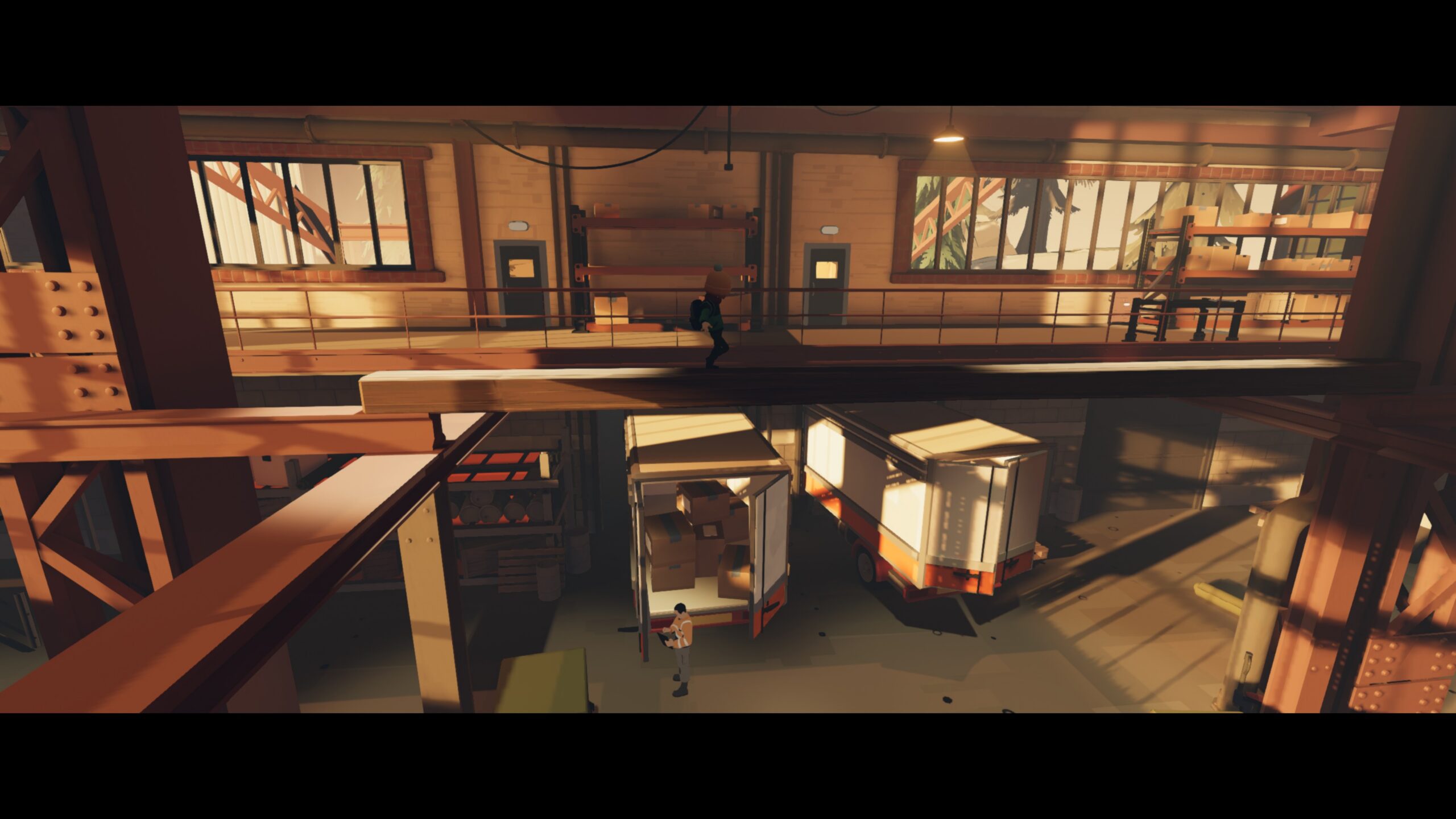
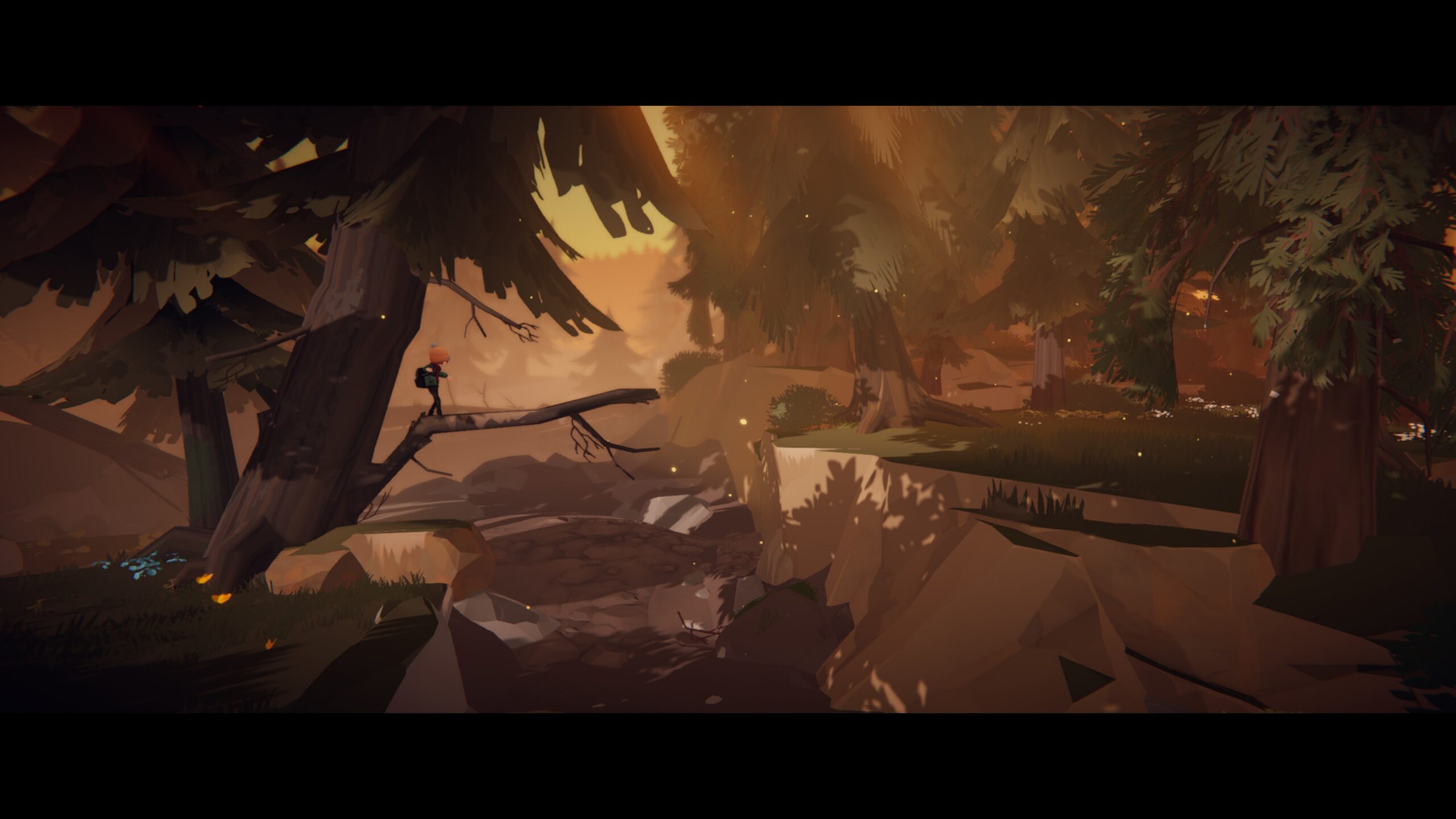
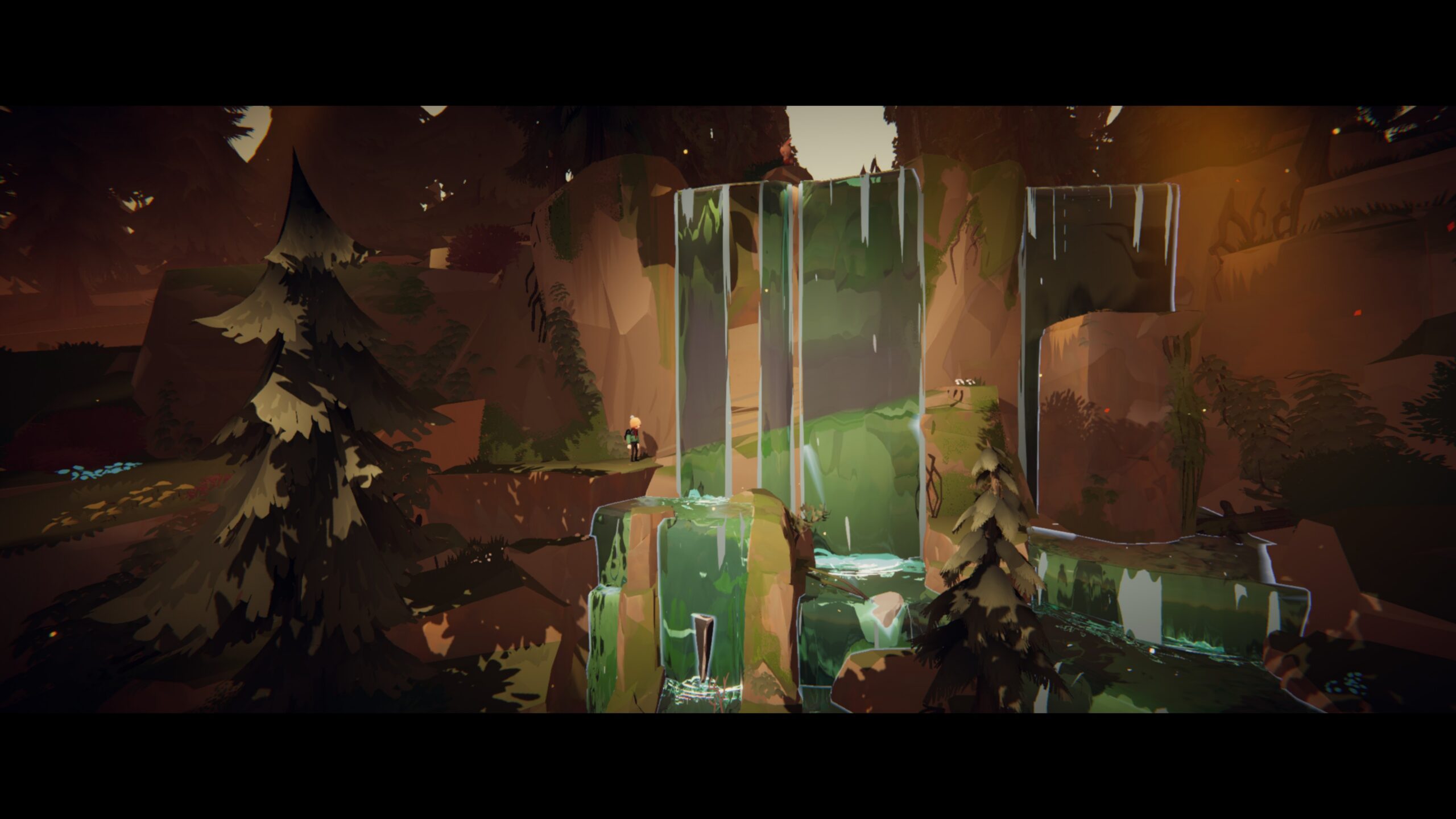
Beyond its steady stream of environmental puzzles, Deer & Boy is largely a cinematic side-scrolling adventure. Much of your time is spent watching cutscenes, walking through beautifully crafted environments, climbing hills, traversing platforms, and making carefully timed jumps across gaps. Every now and then, however, the game shifts gears and introduces stealth sections.
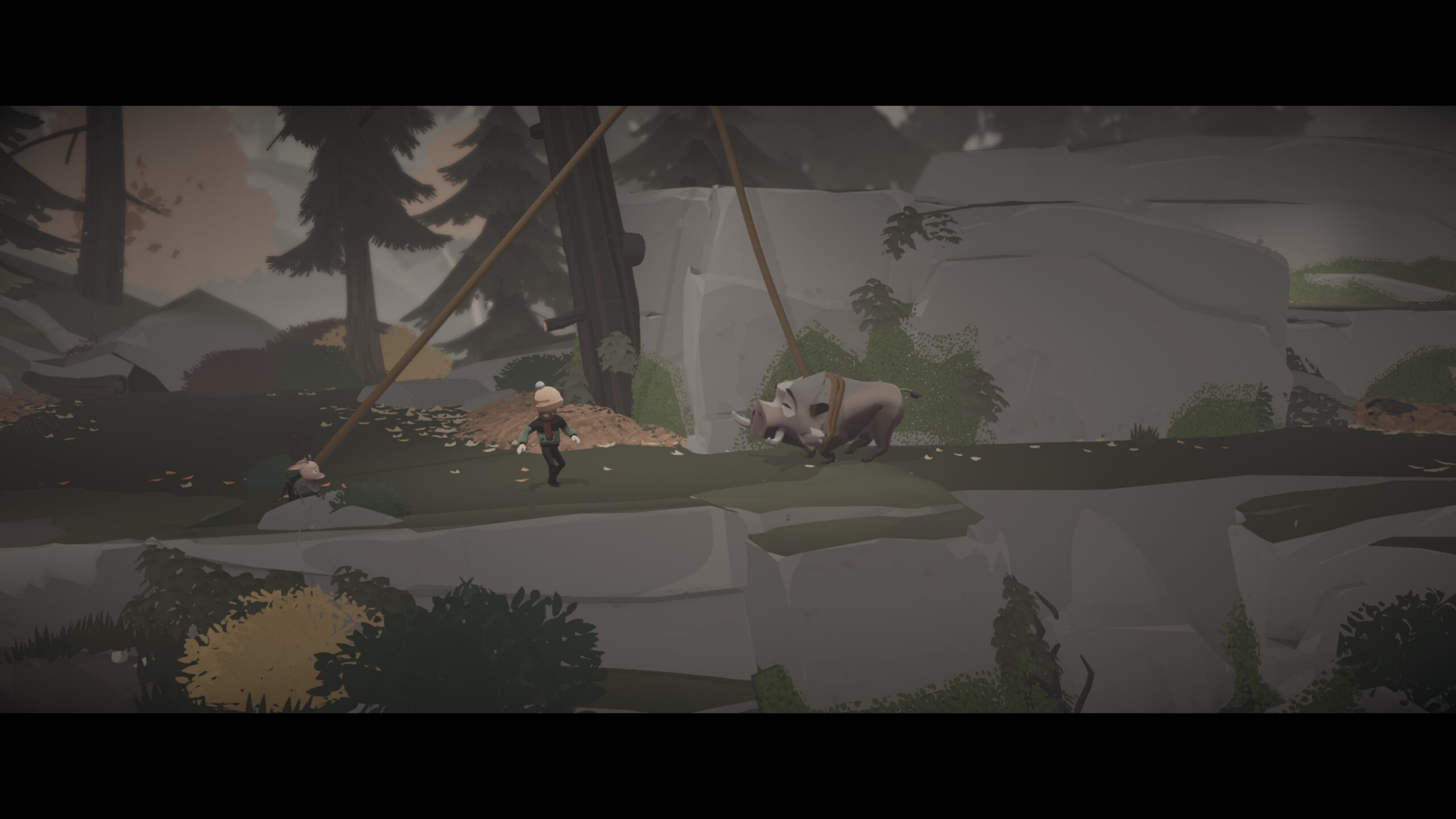
Unfortunately, these stealth mechanics are among the weakest parts of the experience. Most encounters feel heavily scripted and revolve almost entirely around timing rather than player creativity. You’ll often find yourself progressing through an area in ways that feel surprisingly unnatural, while at other times you’ll be spotted under circumstances that seem difficult to justify. Being detected immediately reloads the scene, and while the generous checkpoint system ensures you rarely lose significant progress, finding the correct solution often devolves into trial and error.
As a result, the game can become unexpectedly demanding, requiring patience and a willingness to experiment through repeated attempts. The frequent auto-saves do help soften the impact of mistakes, but they don’t fully remove the irritation caused by the stealth design itself.
Limited Audio Options
One aspect that surprisingly stood out to me was the game’s audio mix – or rather, the lack of customization surrounding it. The soundtrack itself is wonderfully calming and fits the game’s dreamlike atmosphere perfectly. Unfortunately, the audio options are extremely limited, offering nothing more than a single master volume slider. There are no separate controls for music, sound effects, or ambient audio, which feels like a notable oversight.
That becomes especially apparent because the boy’s footsteps are mixed far louder than the music itself. Even with the overall volume turned down, those footsteps constantly dominate the soundscape. Since the game intentionally embraces silence and contains relatively few other environmental sounds, every footstep feels disproportionately loud. Rather than reinforcing the tension during stealth sections, it almost creates the impression that you’re constantly making too much noise and are about to be spotted at any moment.
Cinematic Presentation, Occasionally Frustrating Camera Work
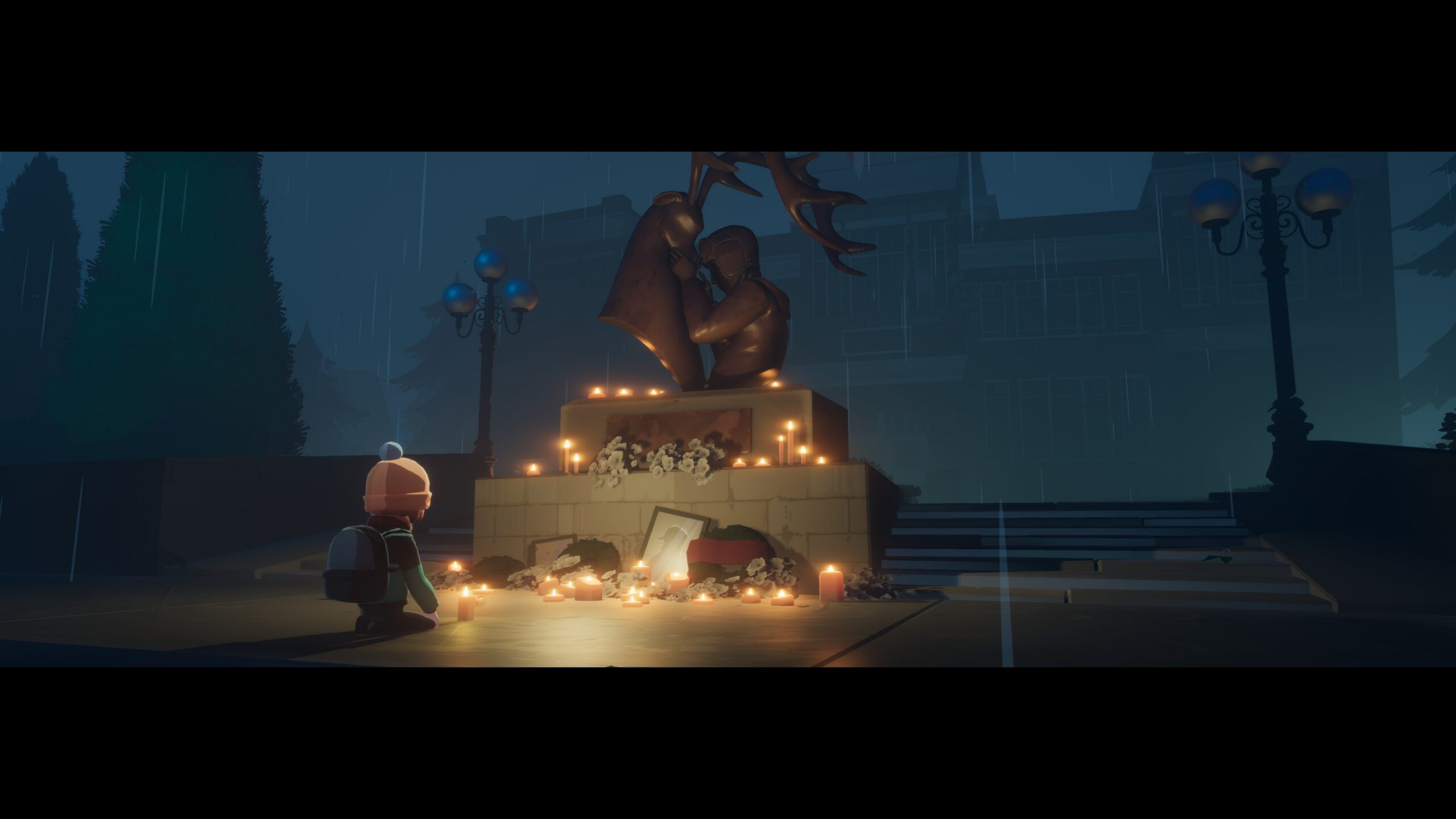
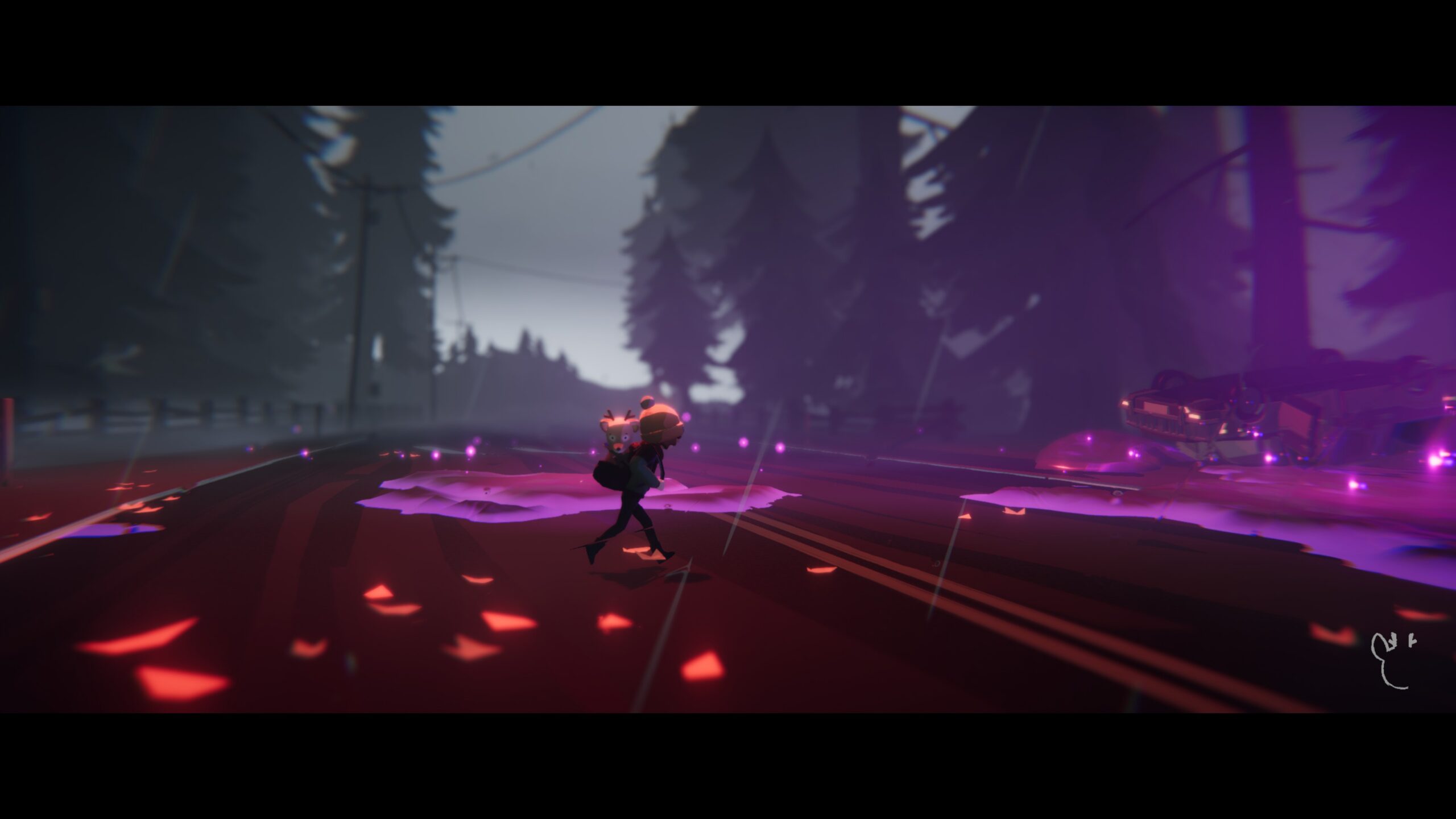
On the other hand, Deer & Boy does an excellent job when it comes to its visual design. The adventure takes you through a variety of beautiful, dreamlike environments filled with vibrant colors. Lifeline Games clearly aimed for a highly cinematic presentation, and in many ways, they succeeded. Dynamic camera angles frequently shift to emphasize the scale of the world or highlight important story moments, making the journey feel more like an interactive animated film than a traditional platformer.
That cinematic ambition occasionally comes at the expense of readability, however. Not every camera angle proves equally practical during gameplay. At times you’re progressing through a traditional 2D plane, while other sections subtly transition into 2.5D movement. To a certain extent, figuring out when to move into or out of the foreground becomes part of the puzzle design itself.
The camera rarely feels completely stable, constantly drifting both horizontally and vertically as you move through the environment. While this undoubtedly contributes to the cinematic feel, it can also make it harder to judge your surroundings.
Final Thoughts
Deer & Boy delivers an emotional adventure that thrives on its heartfelt, touching atmosphere and beautiful visual presentation. Despite a few audio quirks and some occasionally frustrating trial-and-error gameplay, its clever puzzles consistently kept me engaged and encouraged me to think creatively. It certainly won’t appeal to everyone, but in the end, its strengths comfortably outweigh its shortcomings. If you’re a fan of atmospheric puzzle games with a unique, cozy art style, this is one you definitely shouldn’t overlook.
Additional Information
Release Date: June 23, 2026
Reviewed On: PC. Download code provided by the publisher and PR agency.
Developer: Lifeline Games
Publisher: Dear Villagers
Relevant links: Available via Steam.