DaRmaZat
 When you look at the landscape of modern precision platformers, there is one mountain that looms larger than the rest: Celeste. With its tight controls, punishing difficulty, and metaphorical narrative, it set a gold standard that few dare to challenge. TetherGeist, the latest offering from O. and Co. Games and Out of Space Games, clearly views Celeste as its north star. But is it merely a pale reflection, or does it find its own light in the dark?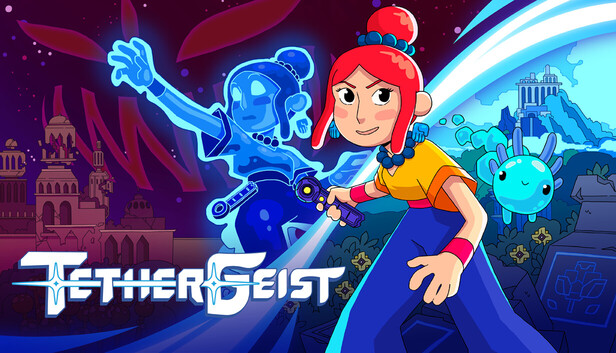
An Ode to Celeste?
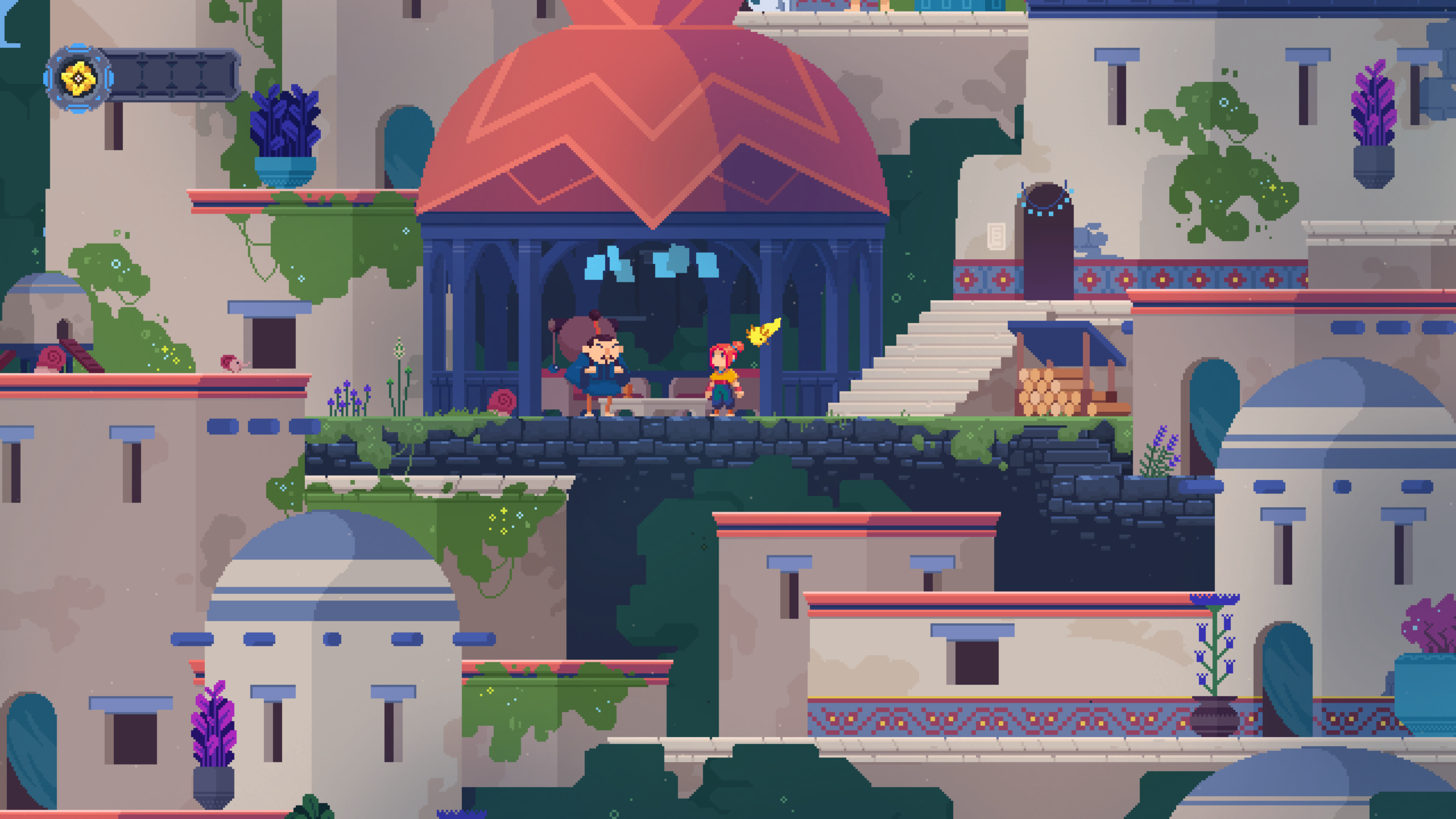
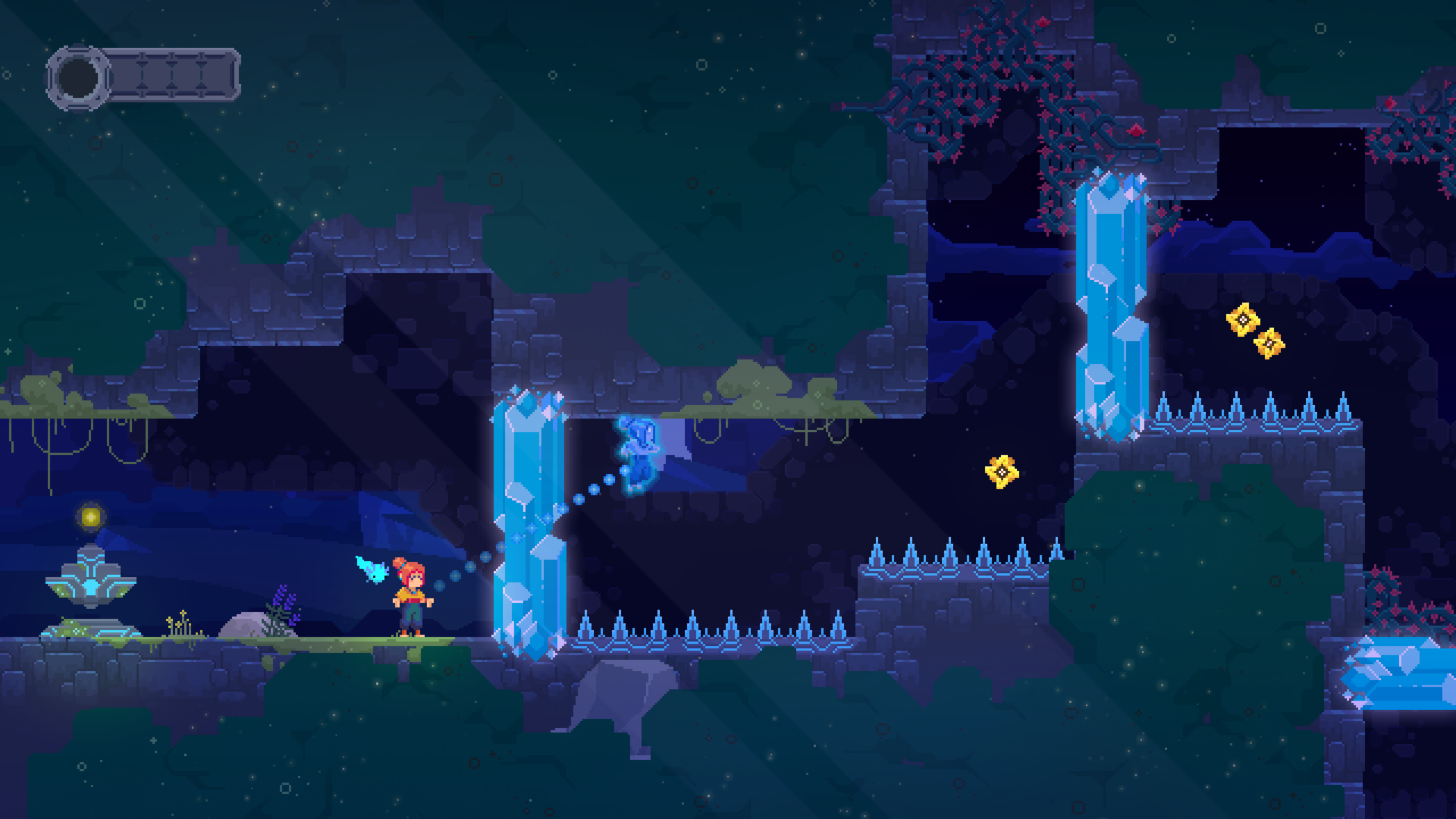
In TetherGeist, you play as Mae, a young Mountain Shaman accompanied by her blue axolotl spirit, Bao. Together, they wield a special power known as Tethering. This is no hidden gift – Mae’s friends and community are fully aware of it – but unlike other shamans who can freely project their spirits across vast distances, Mae’s Astral Projection is physically limited by a tether. This difference defines both her place in the world and the game’s central mechanic.
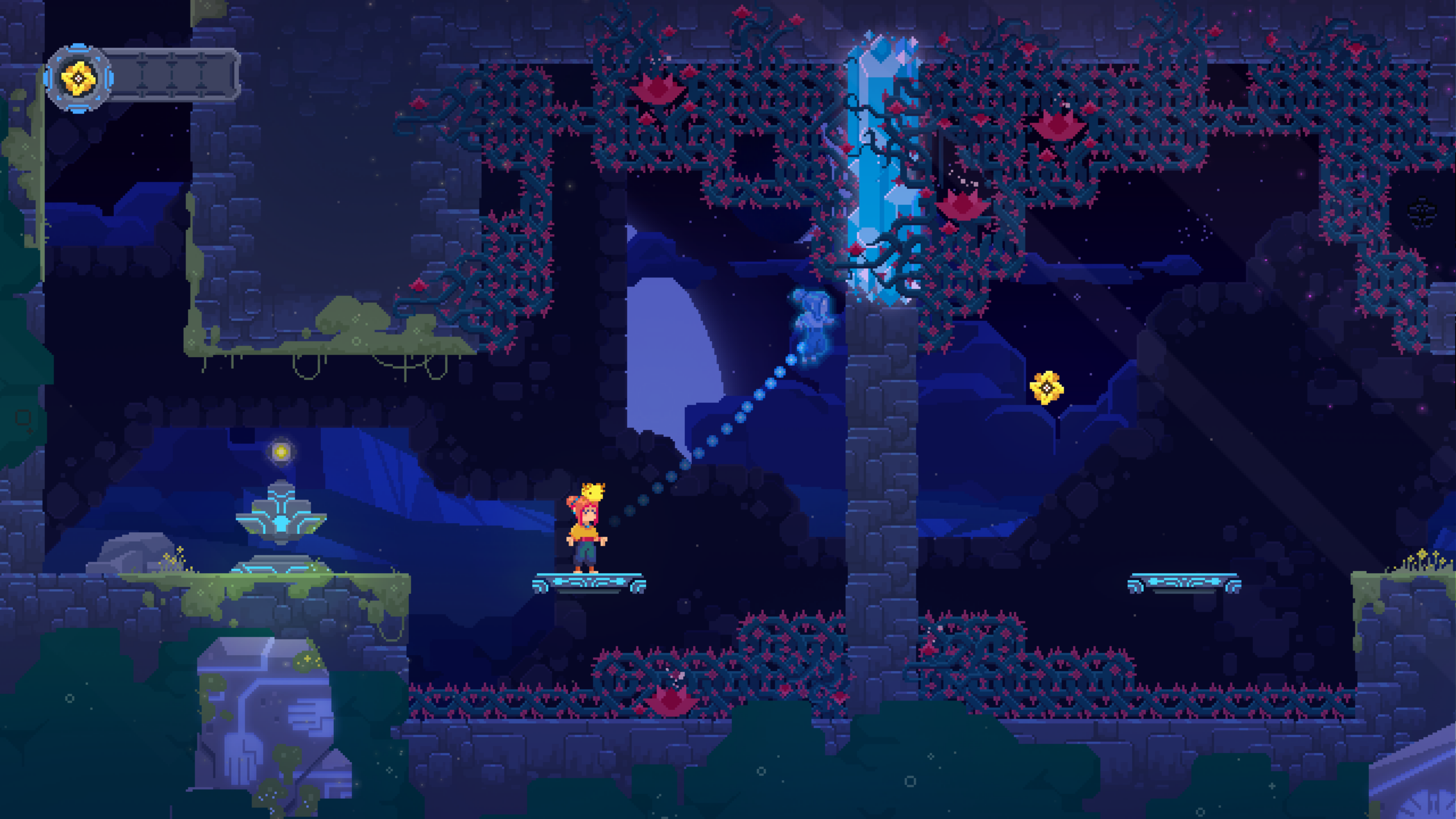
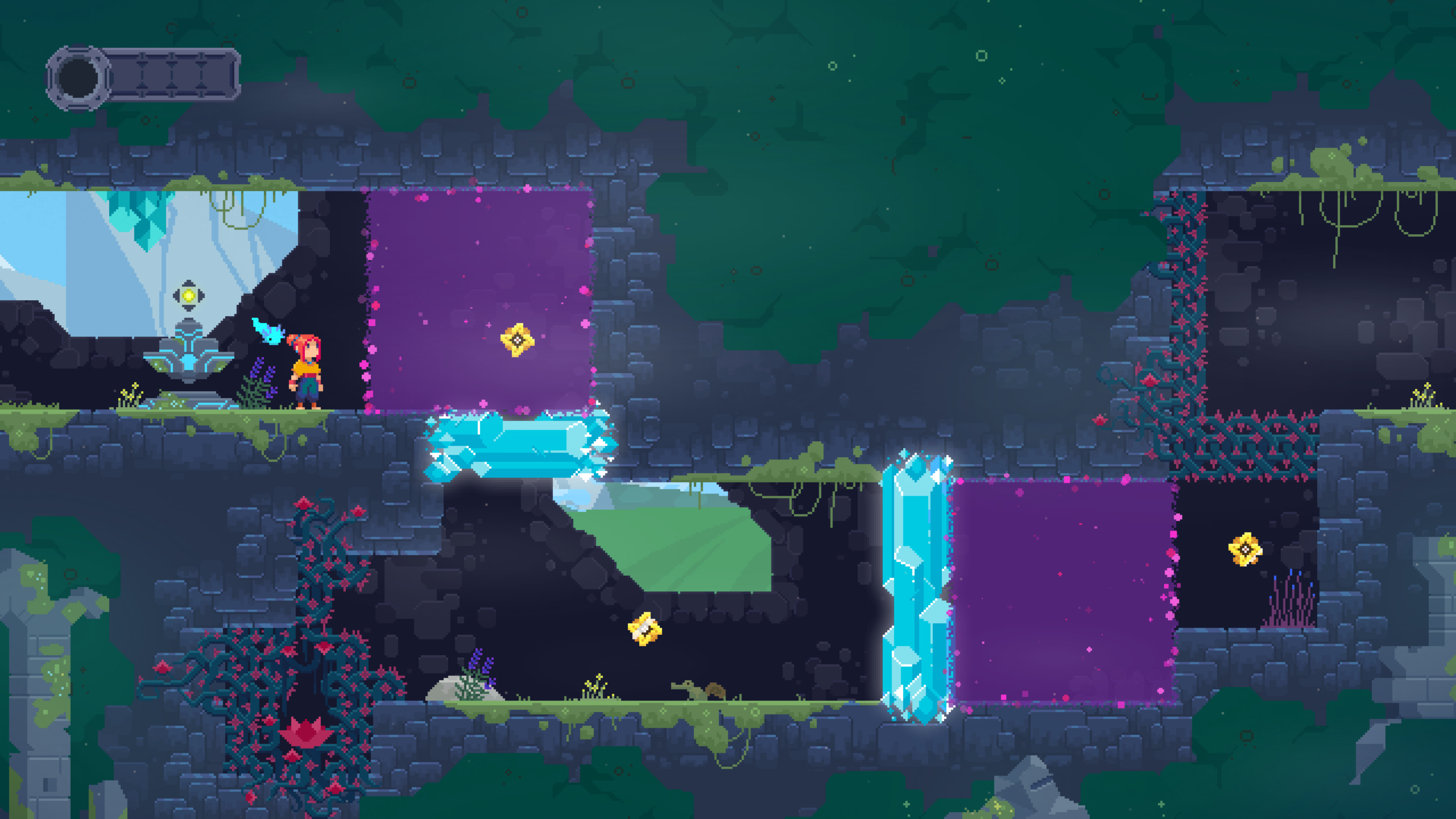
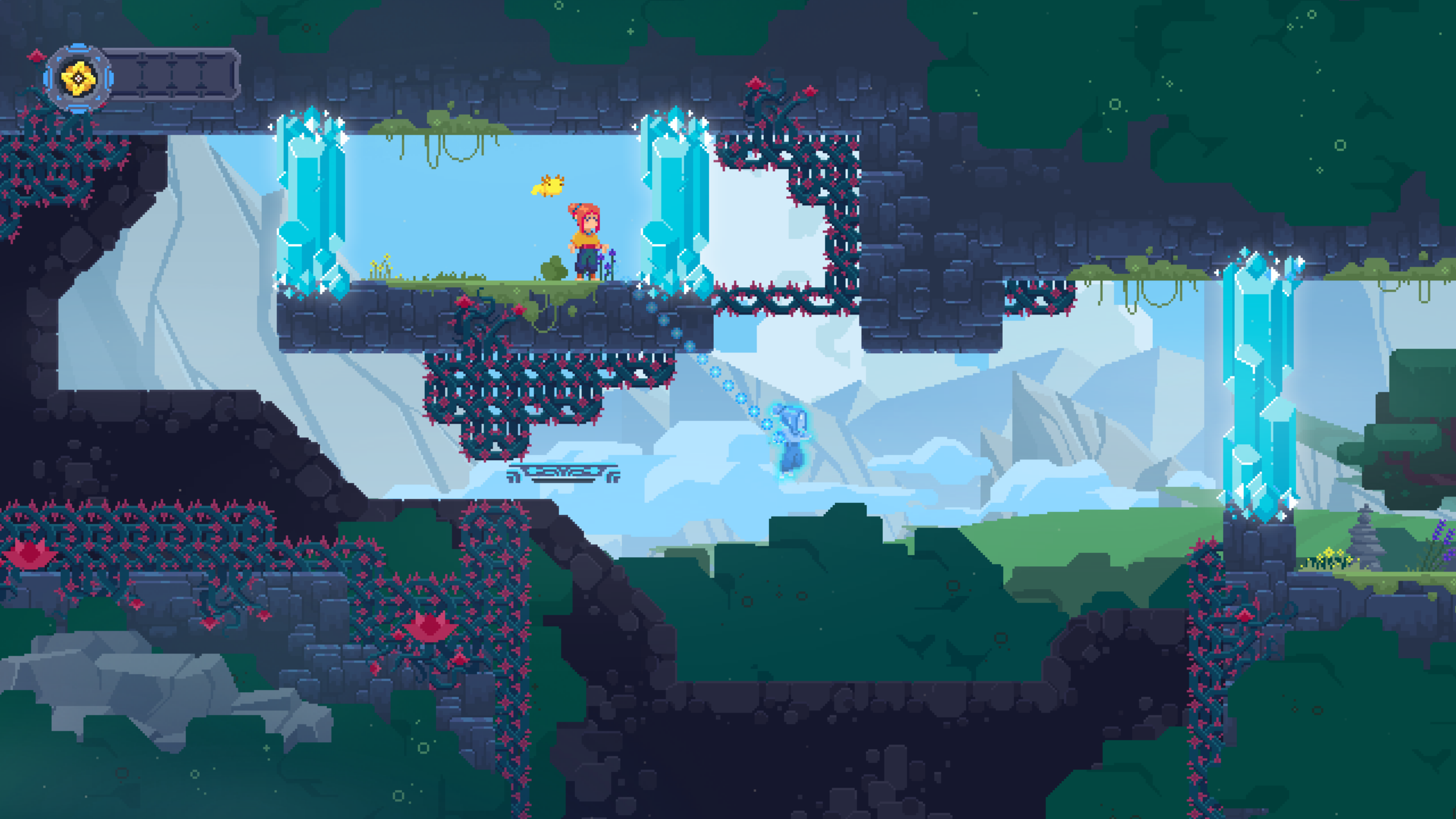
Through Tethering, you place Bao at specific heights and distances before transferring Mae’s body through a spirit jump. Each transfer requires energy, represented by floating flowers scattered throughout each scenario. Tethering doesn’t just propel Mae upward; it also allows her to phase through hazards like thorny plants, which are liberally scattered across nearly every challenge.
Execution is where TetherGeist truly tests you. From the outset, the game pushes you into chaining multiple tether transfers together in rapid succession, often combining them with standard jumps or wall jumps to maintain momentum and avoid sinking into hazards. This means every section becomes a balance of route planning and flawless execution. You are not merely deciding where Mae should go – you must also physically realize that route through sharp timing and quick fingers. One missed sequence, one hesitation, and your attempt can quickly unravel.
Thankfully, TetherGeist avoids some of Celeste’s harsher punishments. While failure is frequent, checkpoints are generous. Most platforming sections begin with a checkpoint and often include additional mid-stage ones, ensuring mistakes rarely force you to replay an entire gauntlet. This keeps the challenge intense without becoming exhausting. At times, the game even cleverly integrates its movement systems into story-driven moments, including stealth sequences.
More Than Precision Platforming
As expected, the challenge steadily escalates. New zones may temporarily disable Mae’s Tethering powers altogether, forcing you to rethink how to overcome obstacles. This is where TetherGeist reveals itself as far more than just a reflex-heavy platformer – it is equally a puzzle game. Because each scenario often limits your available tethers, efficiency matters just as much as dexterity.
At times, you’ll need to calculate routes carefully: navigating walls, ice, floating platforms that activate only through tether interaction, and environmental layouts that may reward precise angle usage to conserve spirit jumps. Combined with the game’s seven unlockable Azae abilities, this creates an evolving toolkit that consistently adds strategic depth.
A Pilgrimage with Heart
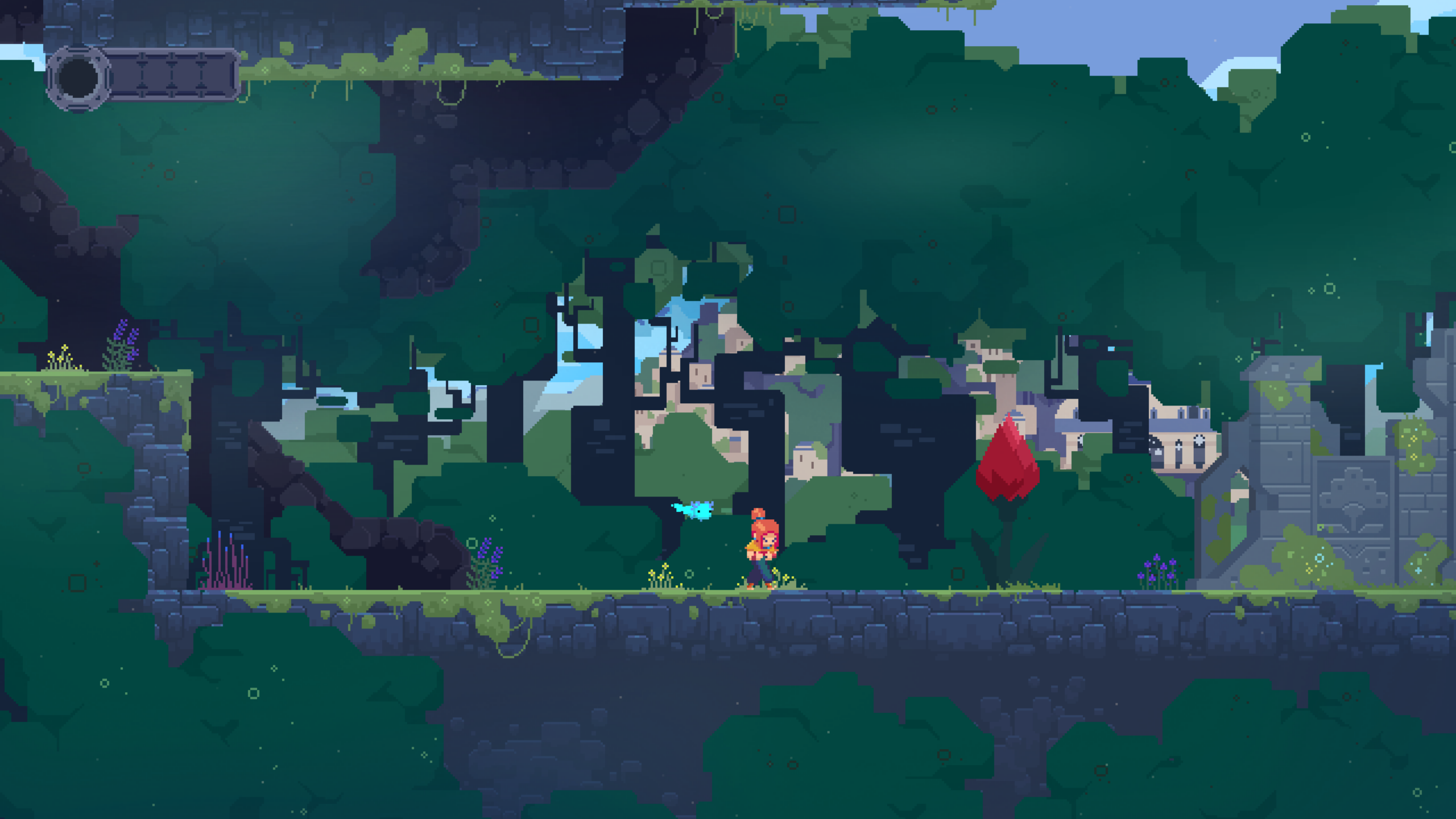
What elevates TetherGeist beyond its mechanics is its narrative. Mae occasionally suffers mysterious attacks – painful, sudden cramps accompanied by screen-shaking effects and striking psychedelic audio design. These episodes are artistic standouts, hinting at something deeper beneath Mae’s physical struggles.
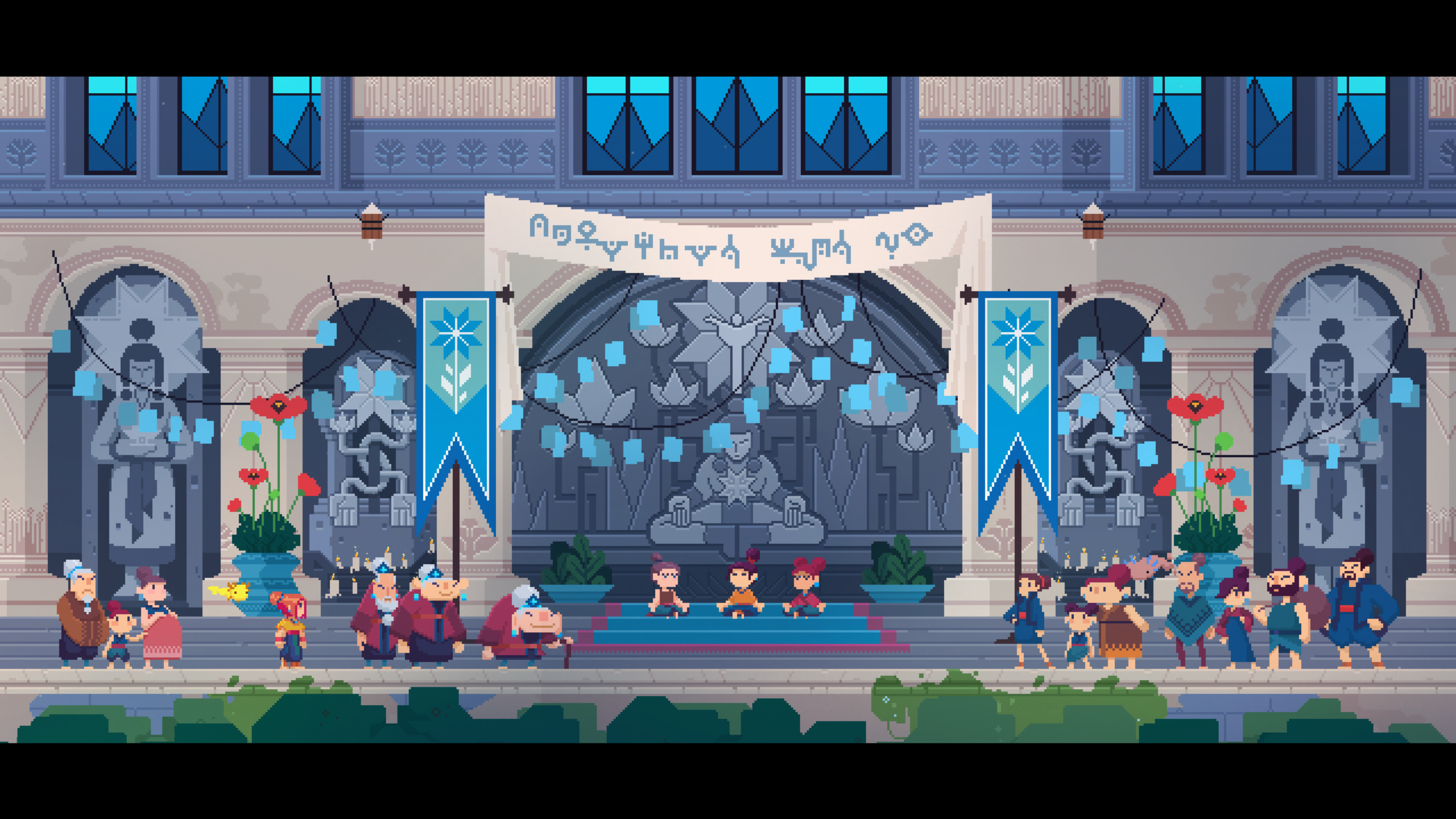
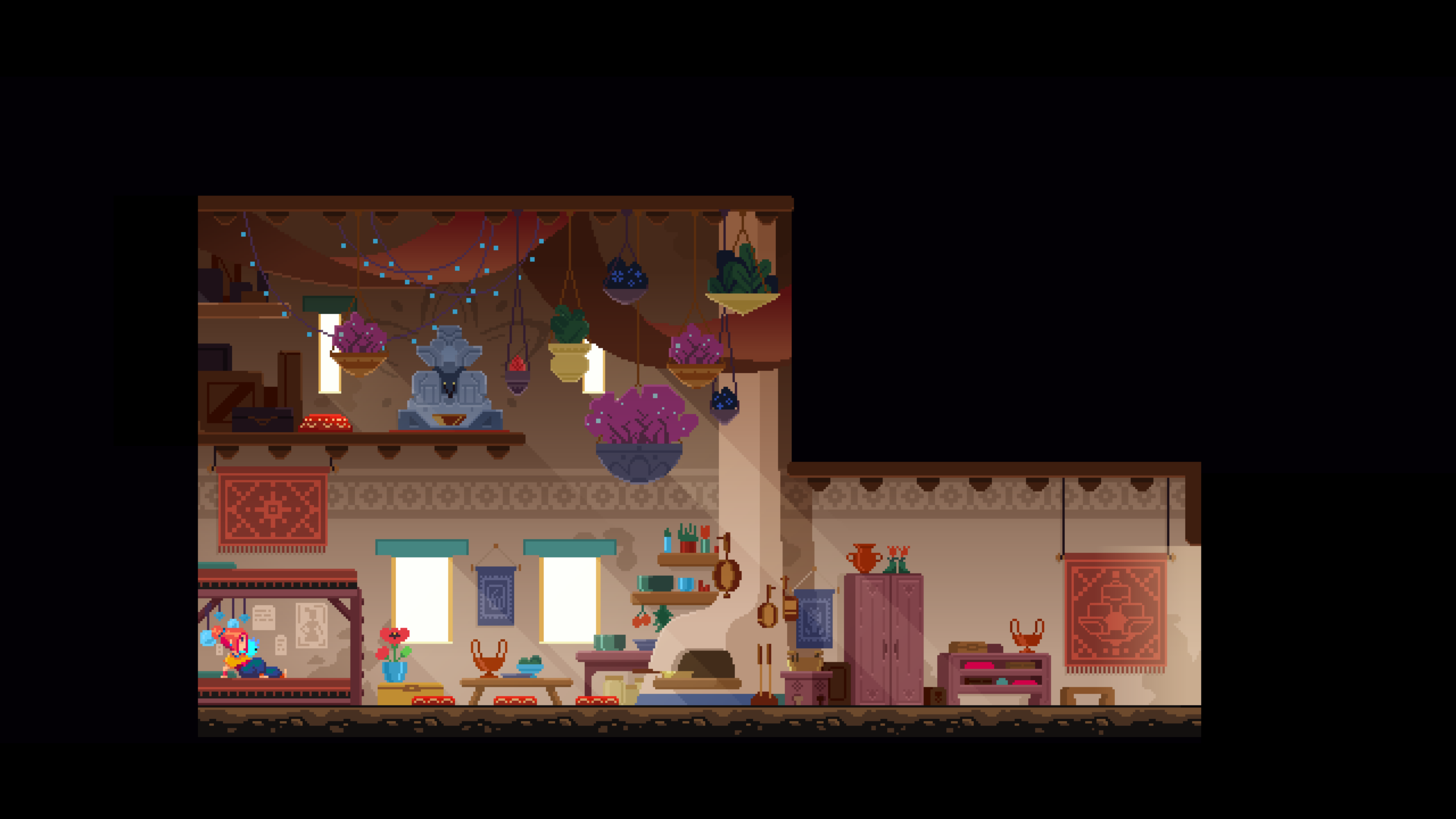
Mae fears the Elders discovering her condition, as she desperately wants to participate in The Binding, an annual spiritual rite held at the city temple. For someone already burdened by a tethered spirit and fragile physical state, this creates immediate emotional stakes. Rather than accept exclusion, Mae chooses to undertake her pilgrimage on foot. Guided by her mother’s advice to seek the red Atropa blossom, said to soothe ailing spirits, Mae’s journey becomes one of self-discovery, resilience, and mystery.
These narrative layers keep you emotionally invested, transforming TetherGeist into far more than a precision platformer set in cramped obstacle courses. Between its stunning pixel art, atmospheric soundtrack, and unfolding personal story, Mae’s adventure carries surprising emotional depth.
One minor drawback is progression rigidity. Once you leave a sandbox-like area through the right side of the screen, returning is not currently possible. This can feel restrictive, particularly when later mechanical mastery or new insights make revisiting previous spaces appealing. A mirrored traversal system or backtracking feature could have added additional replayability and challenge.
Final Thoughts
TetherGeist is a challenging precision platformer that wears its Celeste inspiration proudly while introducing enough mechanical and narrative originality to stand on its own. The controls are responsive, the pixel art is beautiful, the music is memorable, and the gameplay is varied – demanding both fast reflexes and strategic thought. While its challenges leave little room for error, its forgiving checkpoint structure ensures the experience remains compelling rather than punishing.
More importantly, Mae’s story gives the experience real emotional substance. Her pilgrimage is not just about overcoming environmental obstacles, but also confronting limitation, expectation, and identity. For players who love precision platformers with meaningful storytelling, TetherGeist proves that even a tethered spirit can still reach extraordinary heights.
Additional Information
Release Date: May 7, 2026
Reviewed On: PC. Download code provided by the publisher and PR agency.
Developer: O. and Co. Games, Out of Space Games
Publisher: O. and Co. Games, Out of Space Games
Relevant links: Available on Nintendo Switch and on PC via Steam.