DaRmaZat
 When INDUSTRIA launched in 2021, it was a melancholic, relatively successful short-form indie FPS that blended robots, retro-futuristic tech, and a haunting post-apocalyptic atmosphere. It had its rough edges, but beneath them lay genuinely memorable moments and an evocative world that lingered. Now, Bleakmill returns with INDUSTRIA II, a sequel that builds directly on those same pillars – melancholy, machine horror, narrative-driven exploration, and compact storytelling – this time rendered through the visual leap of Unreal Engine 5.6.
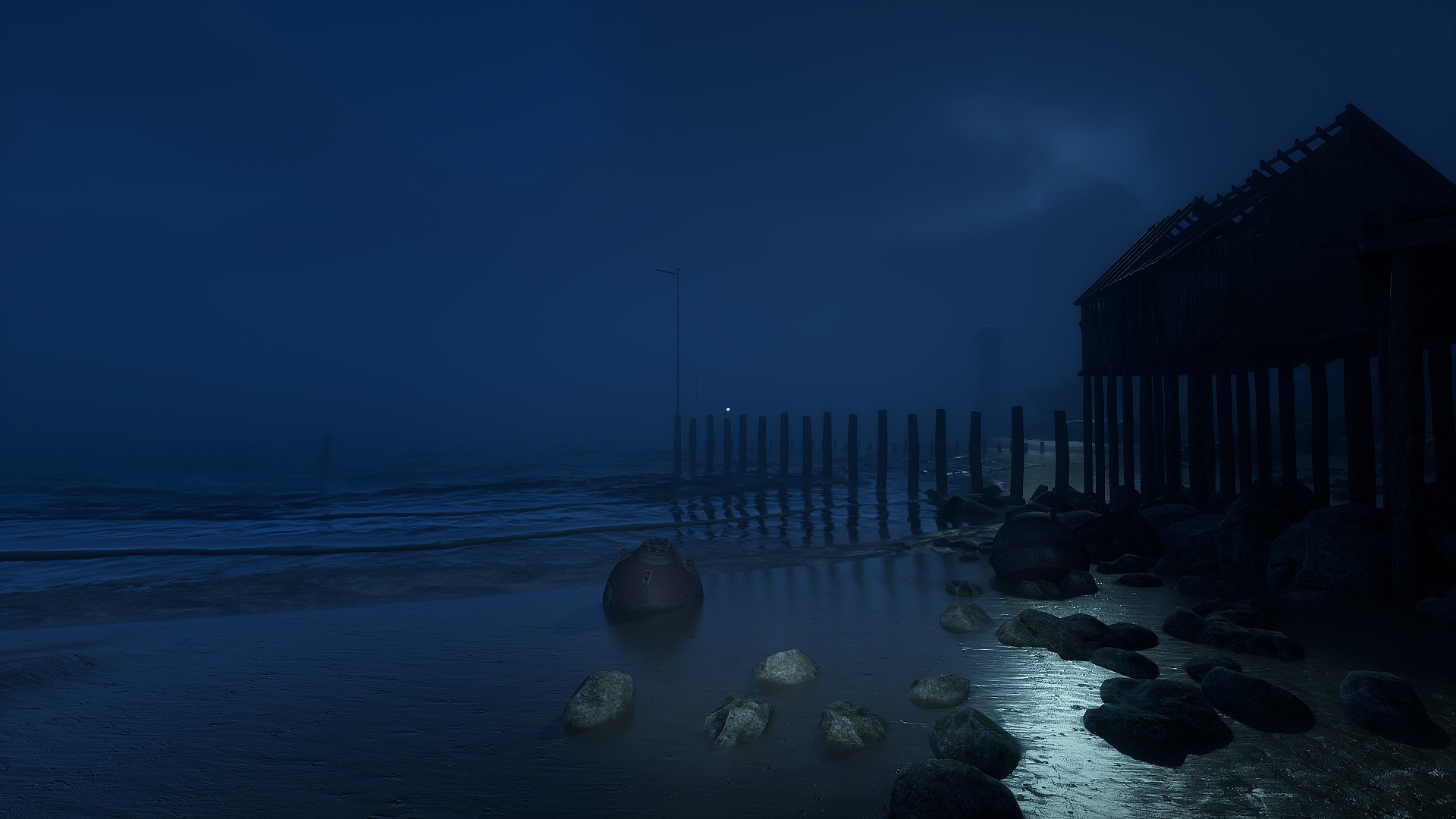
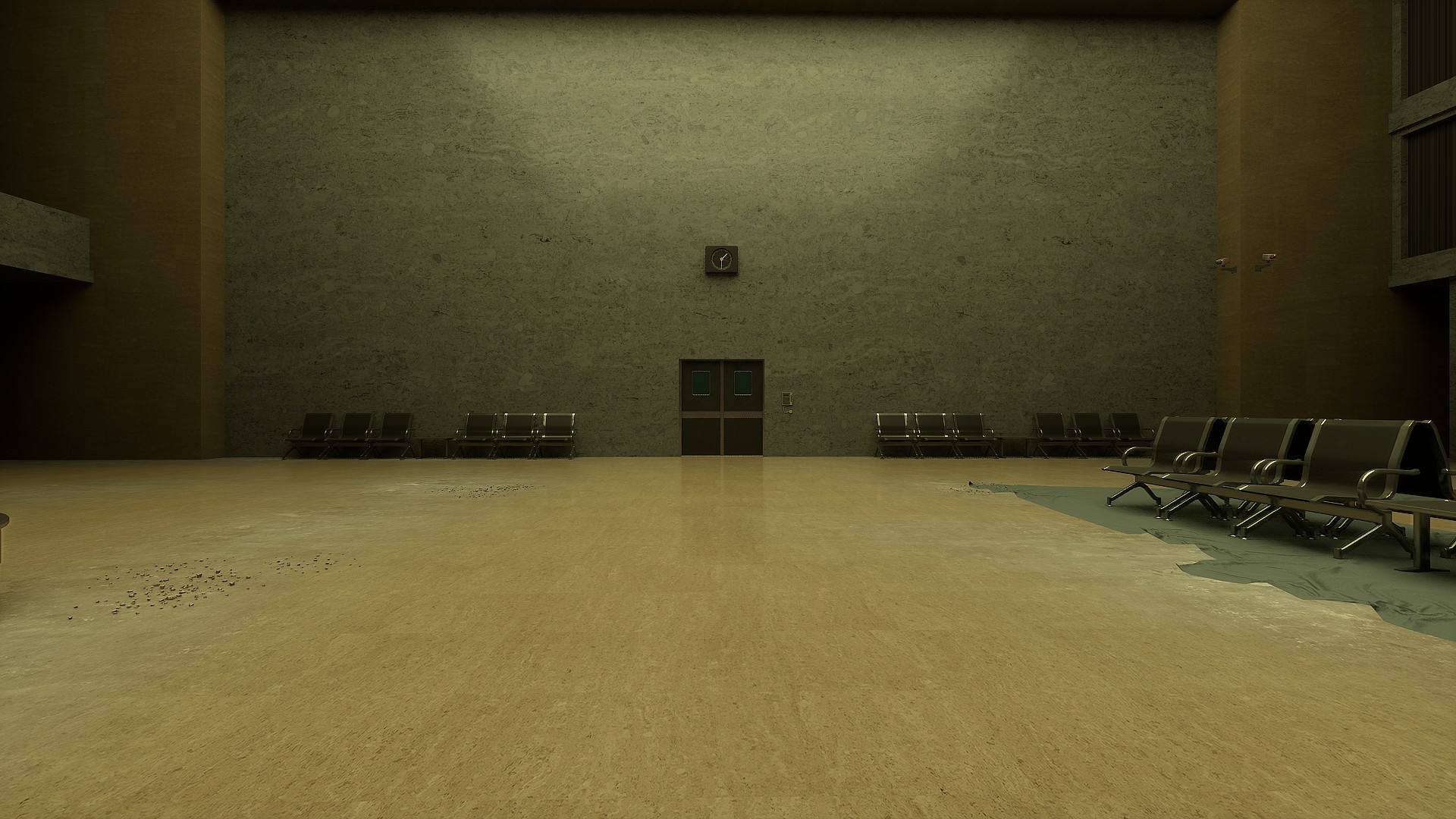
The year is 2010, and we find ourselves in the coastal village of Langebbe at night. You are Nora, one half of a scientific duo whose partner, Walter, is now dead – though his mind lives on, digitized within a machine designed to find parallel dimensions, known as ATLAS. Before long, you encounter Marlene, an ATLAS system admin who holds the keys to the truth. Together, you must navigate a world where humanity has vanished, leaving behind only industrial decay and sprawling machine structures.
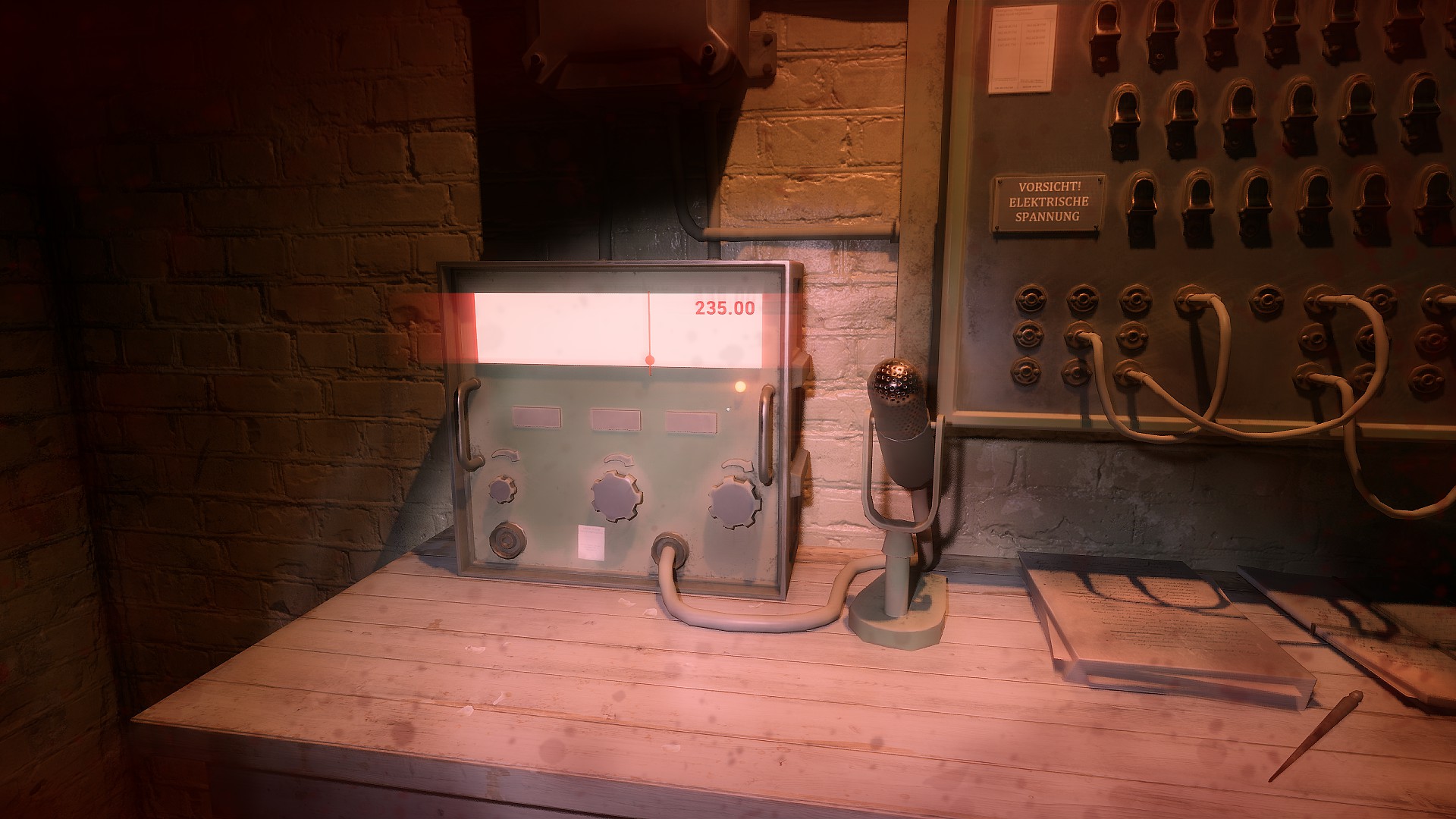
Much of Nora’s journey feels like a narrative walking sim. You’ll often spend minutes traversing empty, desolate environments where the only “action” is the dialogue between Nora and Marlene as they discuss their past and the world around them. The voice acting here is a standout; it feels genuine and deeply emotional, even if conversations occasionally end with sudden, awkward abruptness. However, there isn’t always time for quiet contemplation. When you aren’t talking, you’re solving typical puzzles – finding fuses, keys, valve handles, or digit codes. While none of these missions are particularly groundbreaking or difficult, the game often forces you to reach the end of an area only to backtrack with a newly found object for progression. It can feel like artificial padding, yet strangely, it also adds a certain grounded realism.
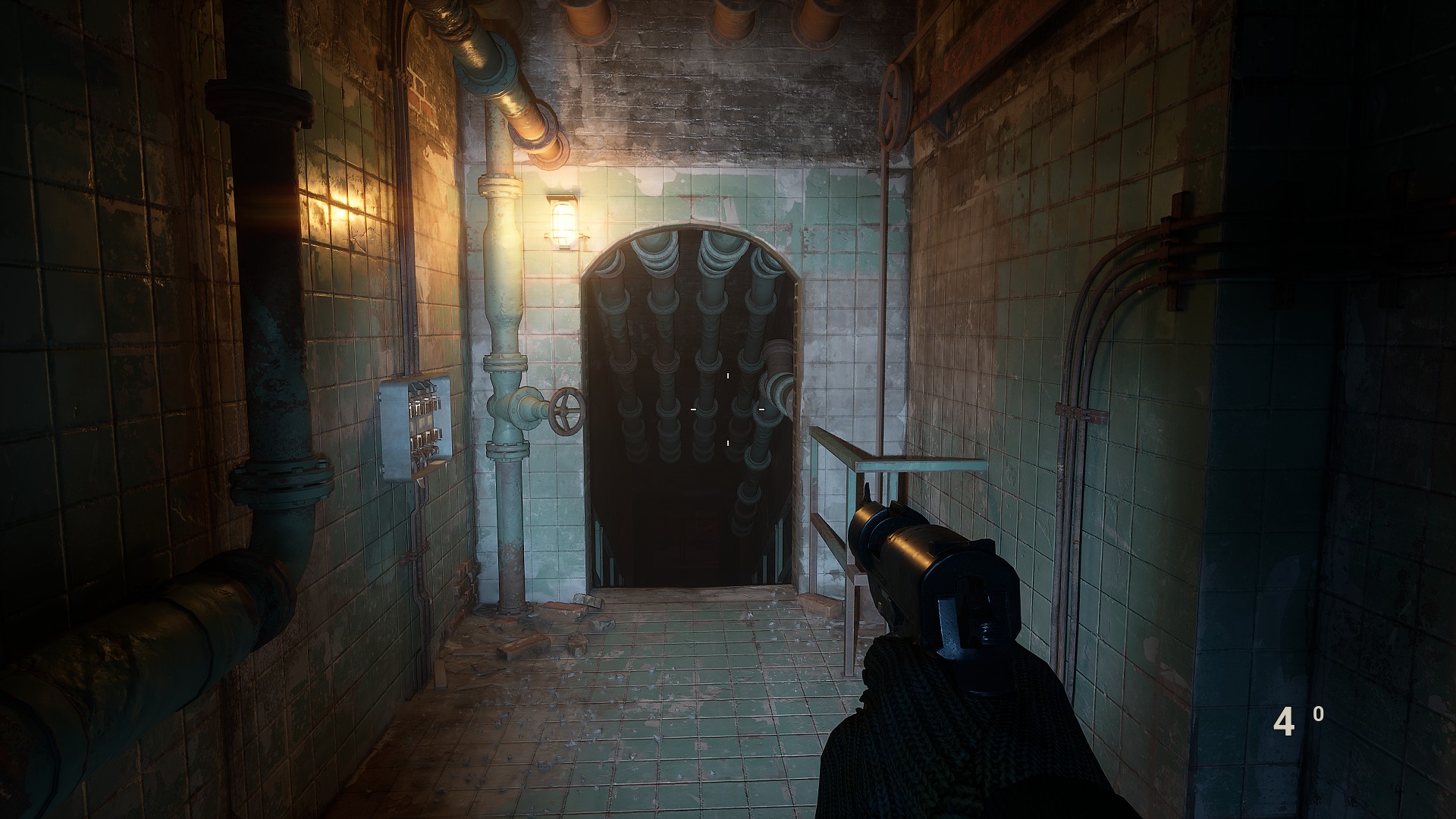
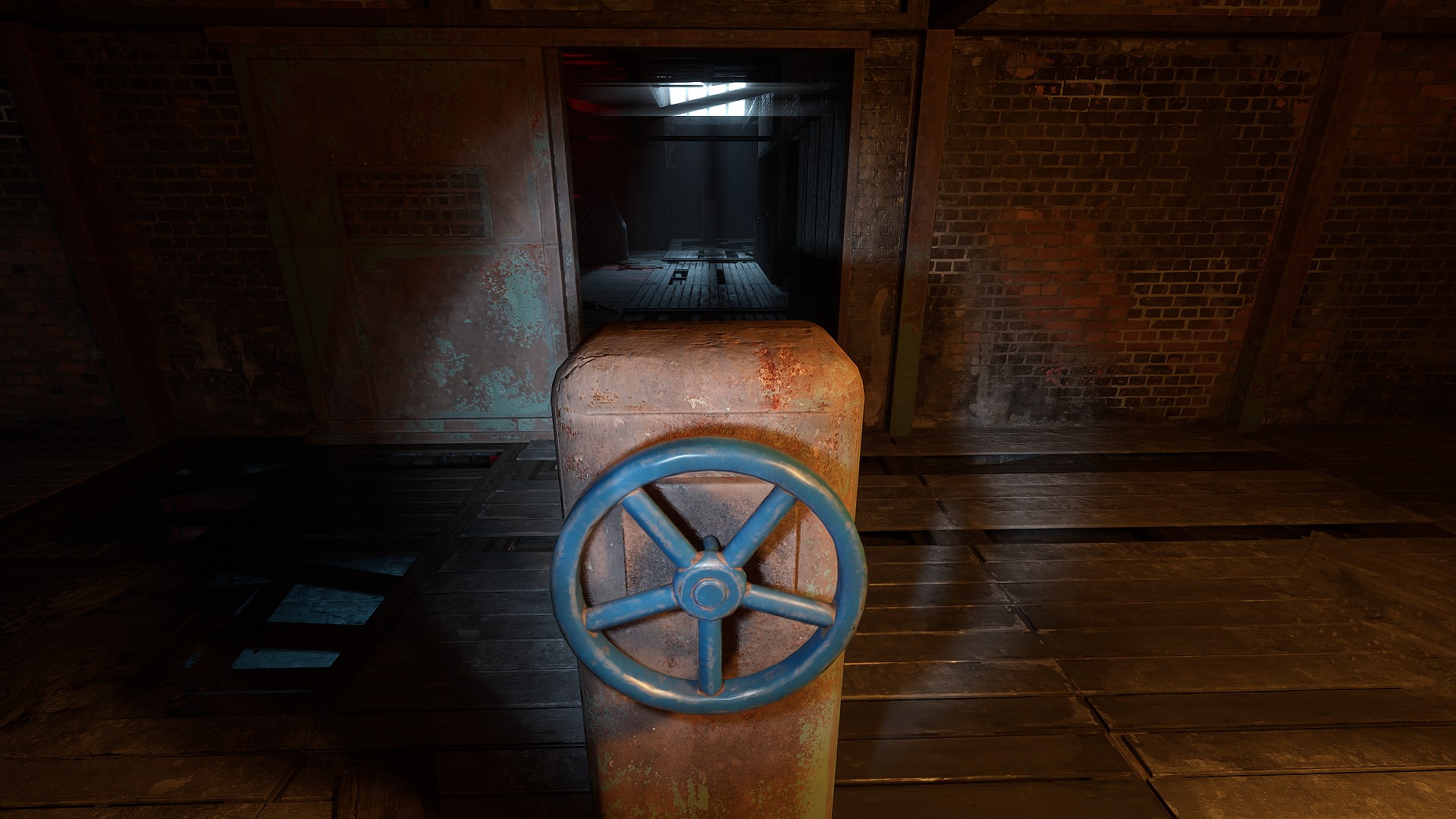
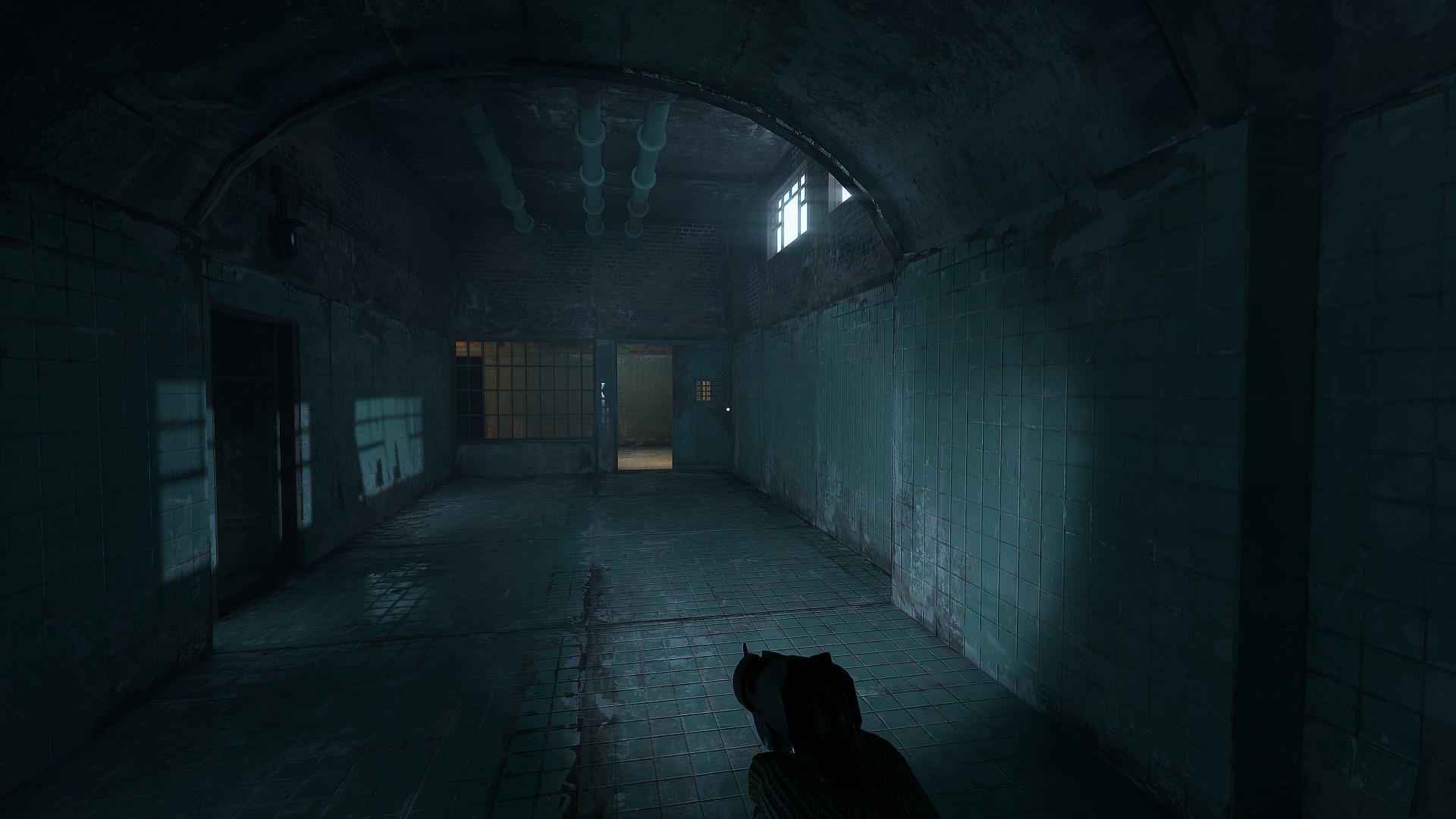
Of course, all that puzzling doesn’t happen in a vacuum of safety. Hostile robots and mutants roam the ruins, and they are lethal – just two grabs can already mean death. Stealth is essential to conserve ammunition, though the mechanics aren’t perfect. You can throw bottles to distract enemies, but the AI sometimes outright refuses to investigate unless you lose patience and start sprinting, which usually spirals into direct confrontation. Combat feels rather rough; the controls are somewhat sluggish, gunplay is often less reliable than simply sneaking or smashing enemies apart with your axe, and after only a few solid swings, many threats are already scrap metal. The way you have to manually drag the mouse to pull open doors and cabinets – a mechanic that immediately reminded me of the old Amnesia games – can also feel unnecessarily cumbersome by modern standards, even if you eventually get used to it.
Beyond the standard pistol, INDUSTRIA II gradually expands your arsenal with multiple firearms and explosives – ranging from grenades and pipe bombs to EMP tools and trip mines. Recipes for crafting ammunition, bandages, and advanced gear are scattered throughout the world, allowing you to craft at any time using scavenged electronics, chemicals, and fabric through a diegetic inventory menu. If you run out of raw materials on the road, you can also purchase or craft items using Pretrichor at any nearby Vault-Fabricator. The way you have to physically assign these crafted supplies to your belt pouches struck me as one of the game’s more inventive touches.
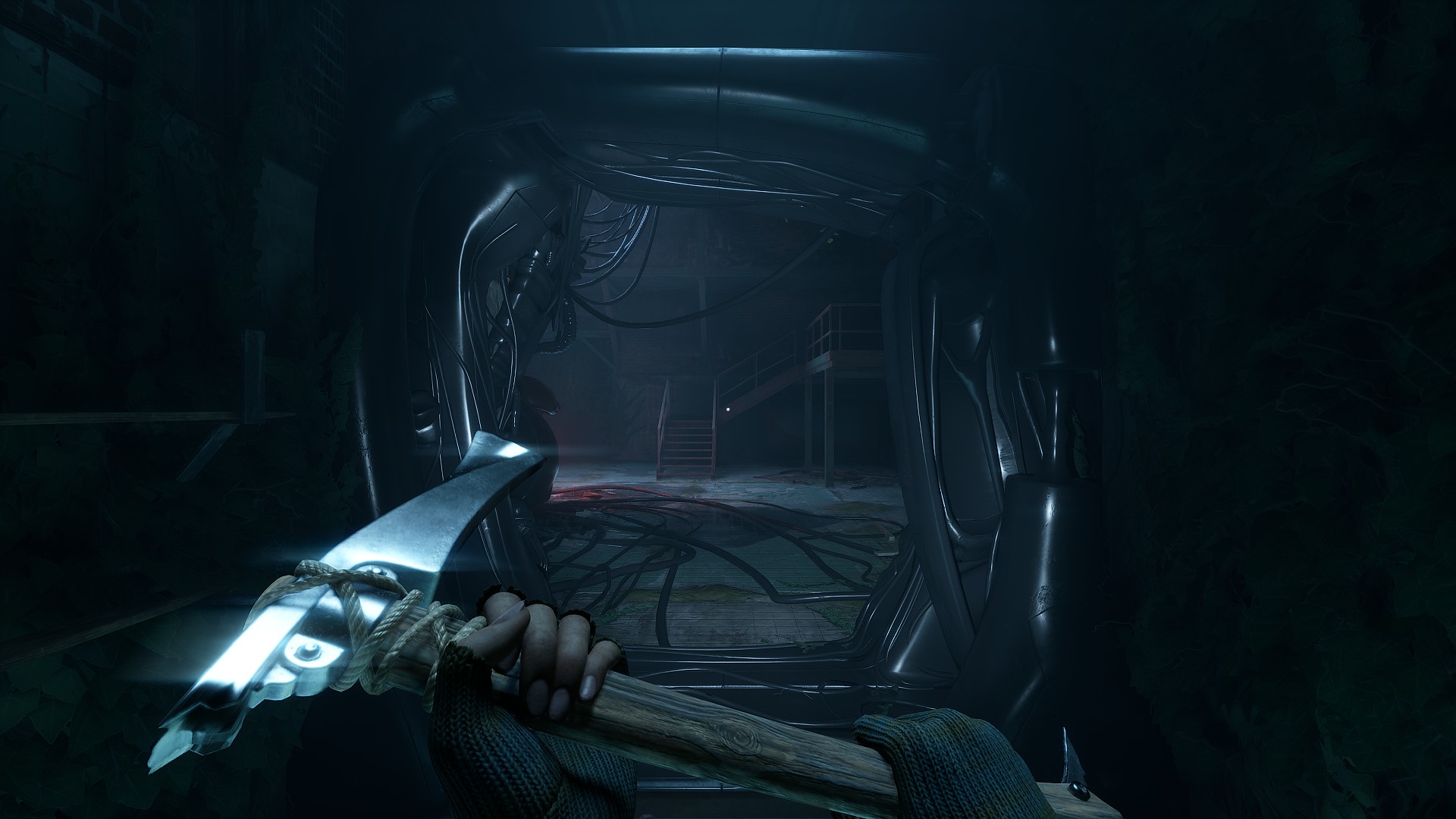
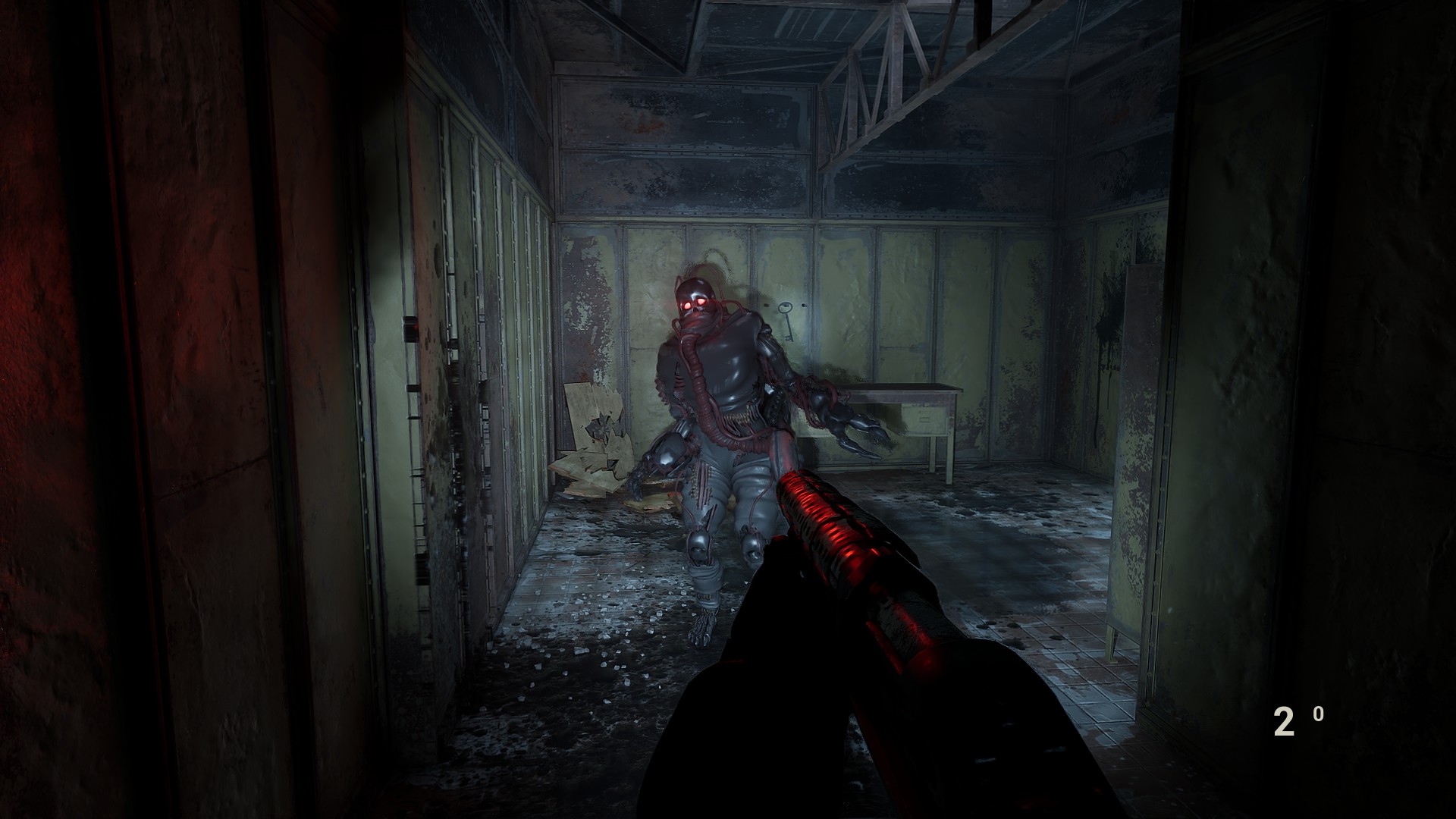
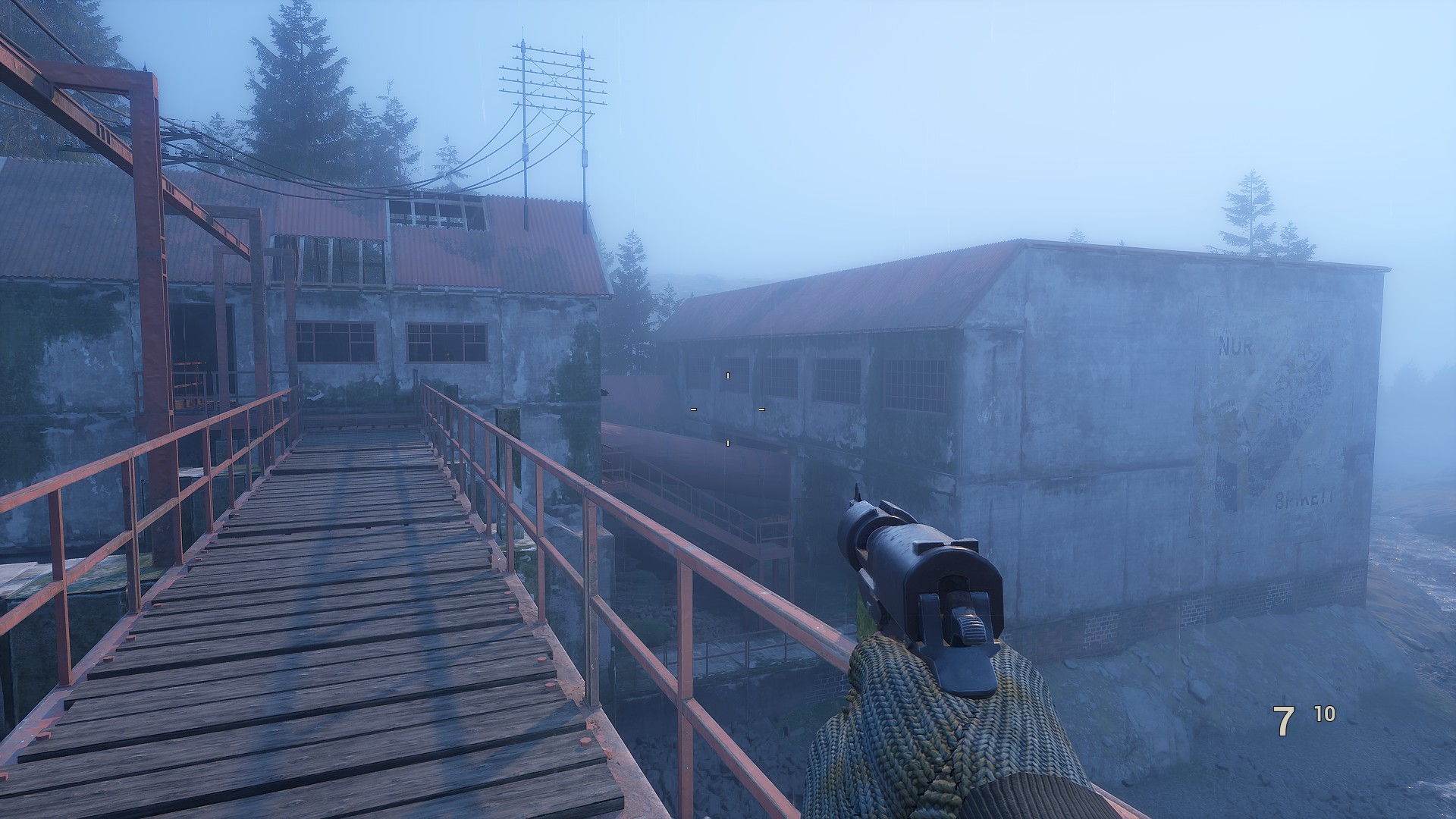
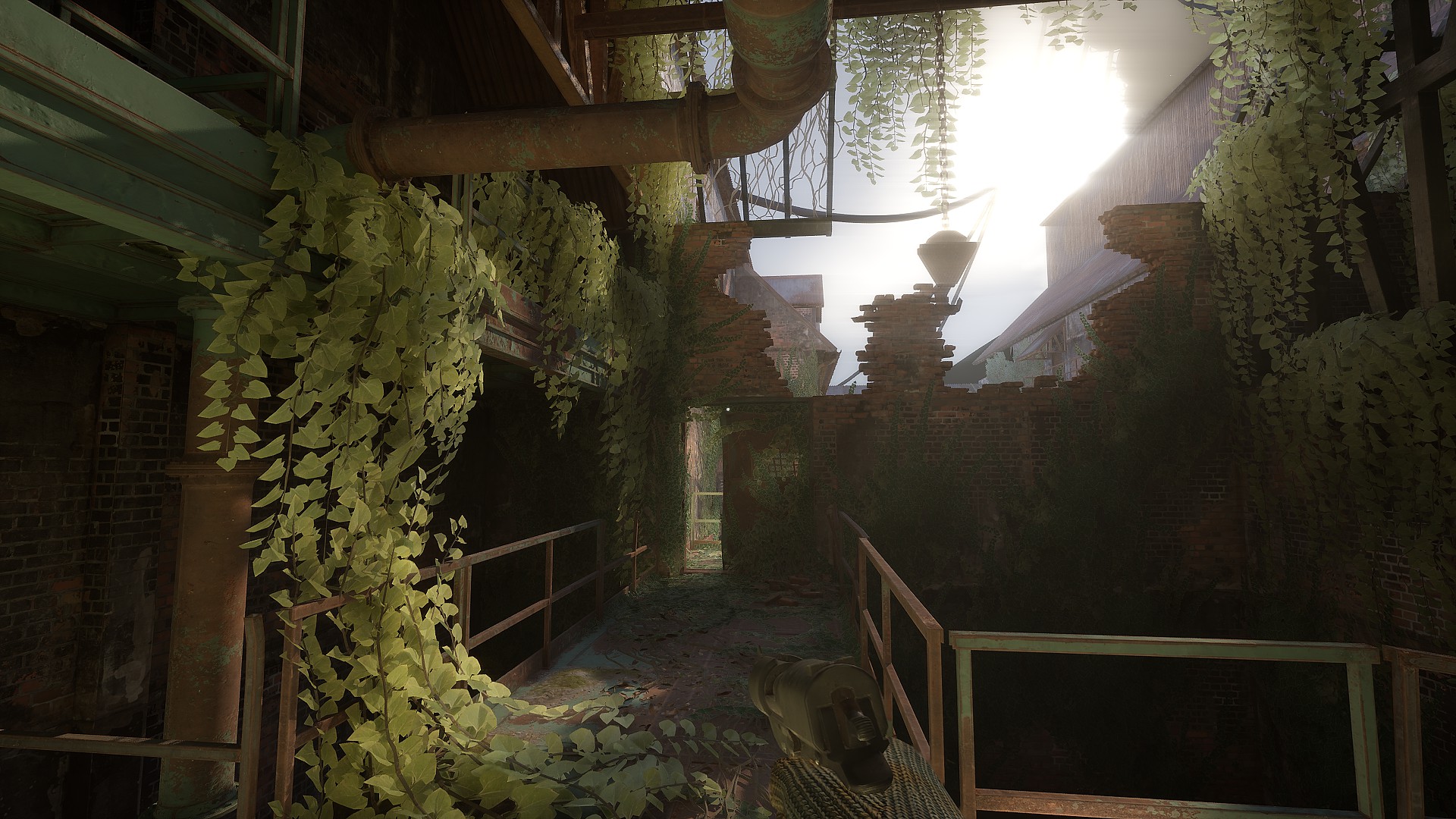
That said, INDUSTRIA II still feels very much like a work in progress. While the performance is fine and the desolate world looks stunning thanks to Lumen’s dynamic lighting, environmental detail, and often impressive boreal-industrial art direction, the “under the hood” experience is rocky. Enemy AI can be completely numb, scripted dialogues sometimes loop and stall plot progression, and basic settings – like configuring Borderless Window mode or custom keybindings – simply don’t work yet, or refuse to save. Even shader compilation remains frustratingly lengthy well beyond the initial startup.
Perhaps most disappointing is the inconsistent audio polish. While the music is beautiful and the broader soundscape often lands well, smaller details can feel unfinished. For example, you might hear suddenly distorted sound cues or sand footsteps looping while walking on a staircase. Furthermore, the impressive voice acting is undercut by stiff expressions or even unmoving mouths.
Final Thoughts
INDUSTRIA II charmed me with its wistful atmosphere, beautiful environmental design, and emotionally grounded performances. Thanks to Unreal Engine 5, its decaying industrial landscapes and machine-built horrors often look stunning, and the broader soundscape can absolutely enhance that melancholic pull. Yet despite solid overall performance, the experience is currently weighed down by bugs, technical inconsistencies, AI shortcomings, and rather boring narrative stretches where meaningful gameplay can feel almost absent.
If you’re looking for a relentless action-heavy FPS, this is likely not your cup of tea. But for those open to a post-apocalyptic narrative walking sim – one punctuated by stealth, light puzzles, scavenging, crafting, and occasional bursts of tension – INDUSTRIA II offers enough haunting promise to make Nora’s trip worthwhile.
Additional Information
Release Date: April 29, 2026
Reviewed On: PC. Download code provided by the publisher and PR agency.
Developer: Bleakmill
Publisher: Headup
Relevant links: Available via Steam.