DaRmaZat
 In an industry where narrative adventures often struggle to balance emotional depth with meaningful interactivity, OPUS: Prism Peak immediately distinguishes itself through the quiet power of perspective and moral agency. Developed by SIGONO and published by Shueisha Games, this standalone entry has quickly become a breakout success since its April 2026 launch, marking the series’ most significant evolution yet. By trading its traditional sci-fi backdrop for the “wistful magical realism” of a fully 3D world, the game shifts its focus entirely toward the tactile art of photography.
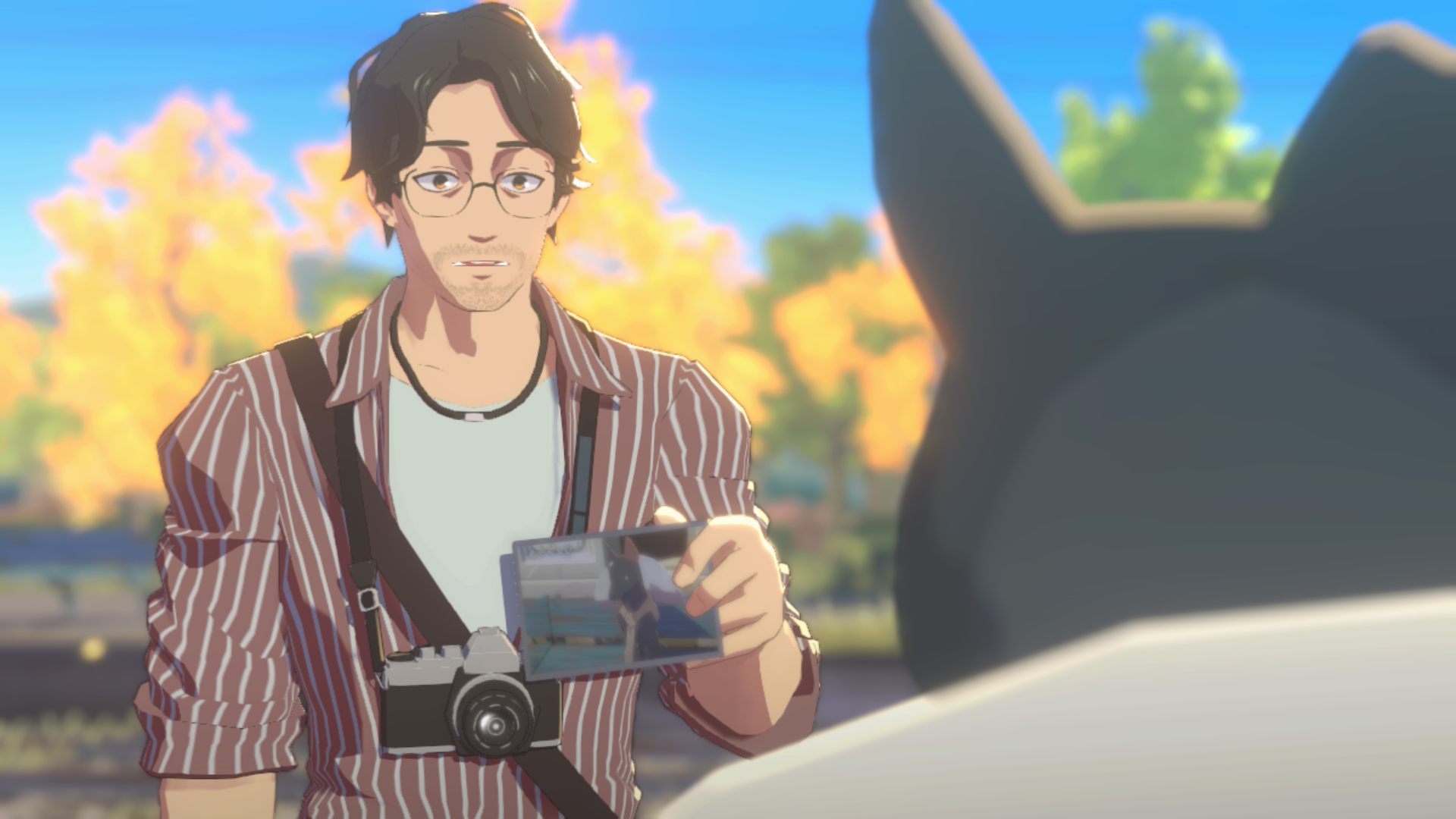
OPUS: Prism Peak is a dreamlike journey that places you in the worn boots of Eugene, a weary photographer whose survival in the enigmatic Dusklands depends entirely on his ability to navigate this surreal landscape through the lens of his camera.
Eugene’s journey begins with his difficult childhood years. As a child of a broken home, he navigated deep emotional waters early on. His parents fought so frequently that divorce became inevitable, leaving him to be raised primarily by his eccentric grandfather – a man obsessed with nature, symbolism, spirituality, and photography. It’s no wonder young Eugene quickly became captivated by capturing beautiful images; photography quite literally became what kept him standing during those fragile years and forged a lifelong bond with his grandfather.
Typical of an OPUS title, you are then presented with several life-path choices before the plot makes a significant leap forward, revealing Eugene’s decision to become a professional photographer in the big city. Unfortunately, that choice hardly leads to immediate fulfillment, as both his career and love life prove deeply disappointing. Now in his forties, while driving through a dark, misty tunnel on his way to attend the funeral of his grandfather – who had already been missing for years – disaster strikes once again. A violent accident leaves his car totaled, yet luckily, Eugene emerges without a single scratch.
“Brilliantly bizarre.”
Exploring the eerie tunnel, he begins noticing bizarre phenomena that make him question whether he is truly awake or trapped in some kind of vision. As he explores the tunnel to figure out what happened, he discovers a confused young girl who cannot even remember her own name. Moments later, they are pursued by a gigantic, horrifying black monster known as the Shade, barely escaping alive into the misty forests of the Dusklands. There, they encounter a mysterious Sambar deer spirit who suggests Eugene may in fact be the long-awaited “Seer” – just to give you an idea of how brilliantly bizarre Prism Peak can get.
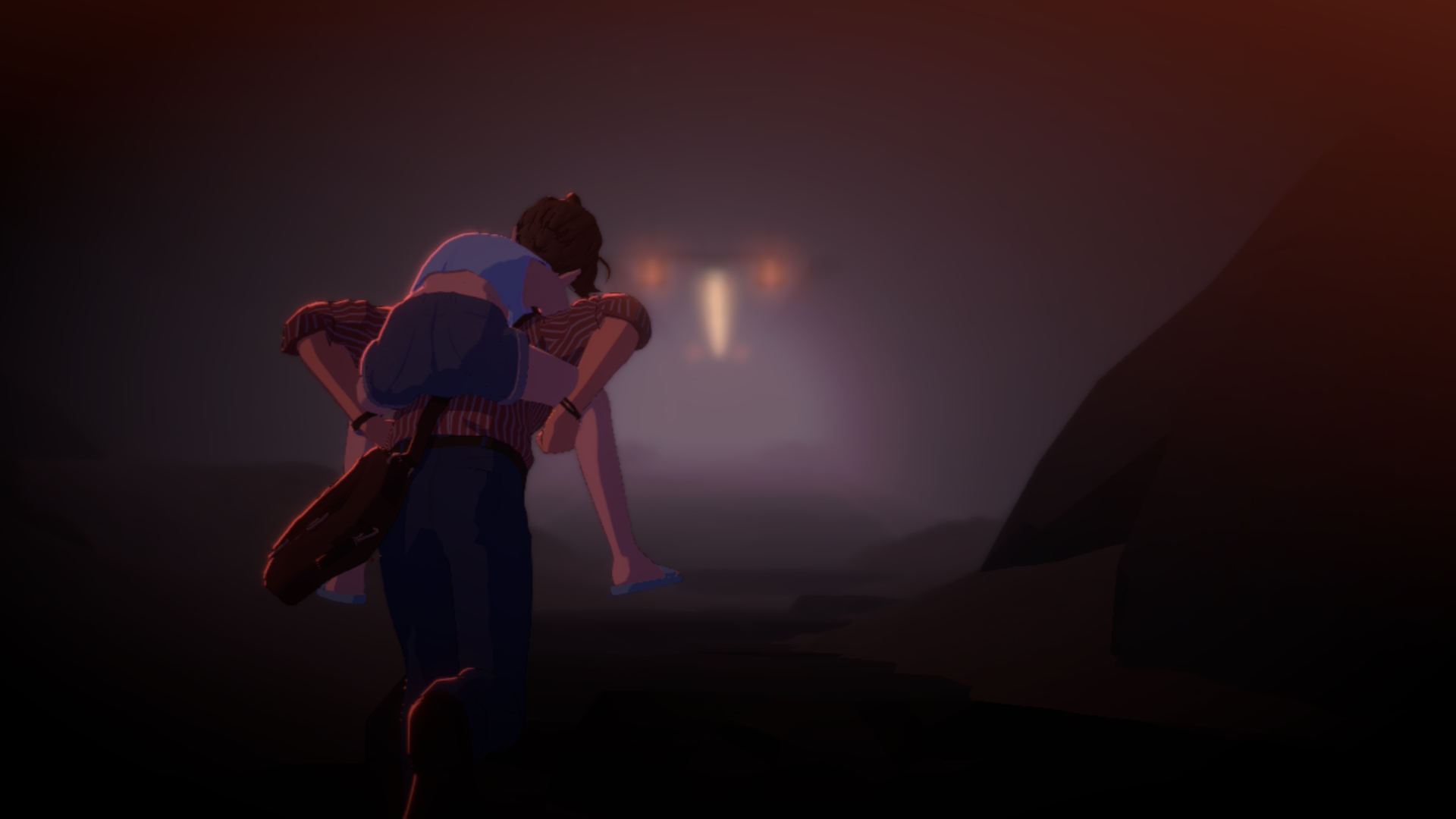
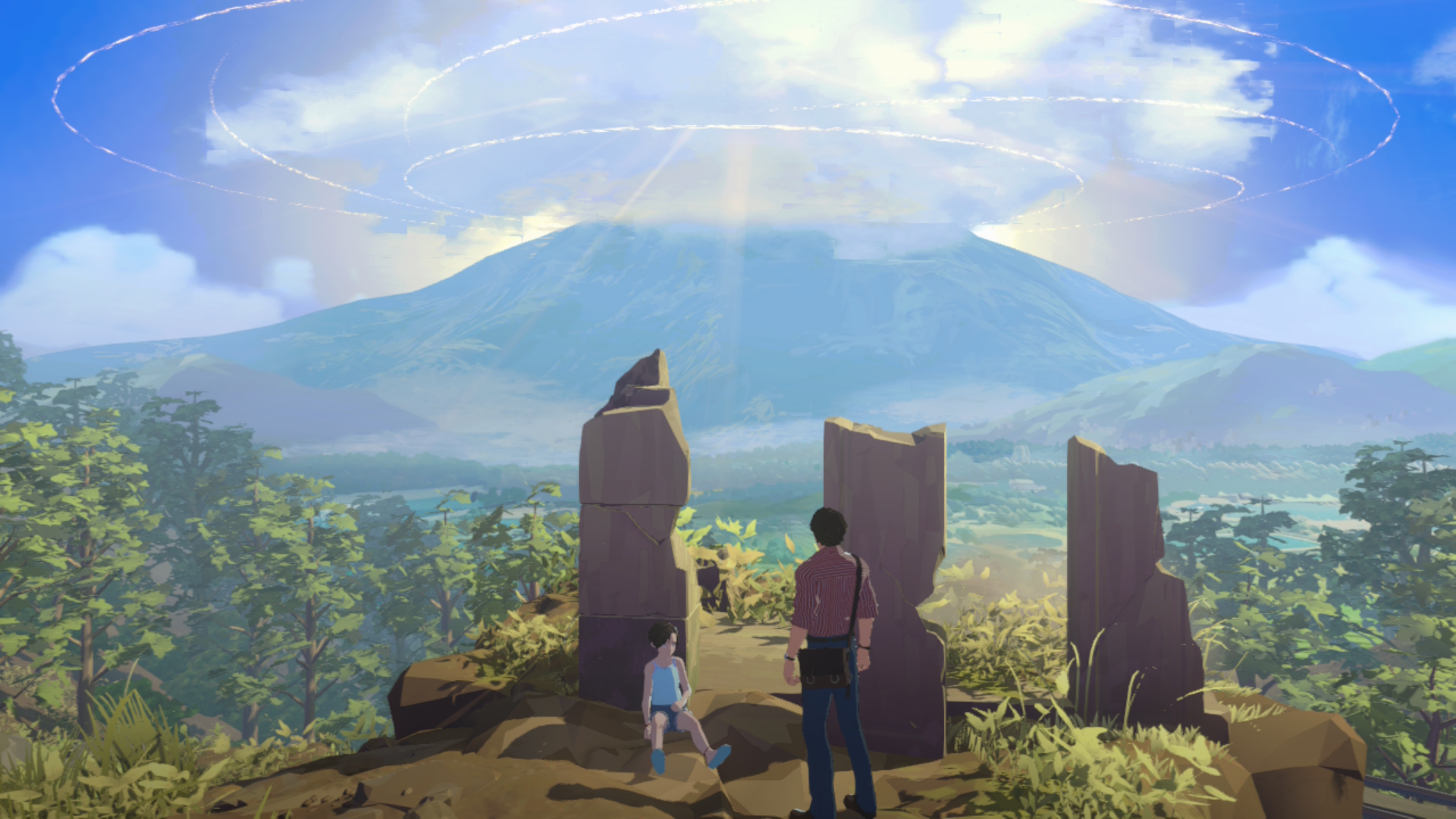
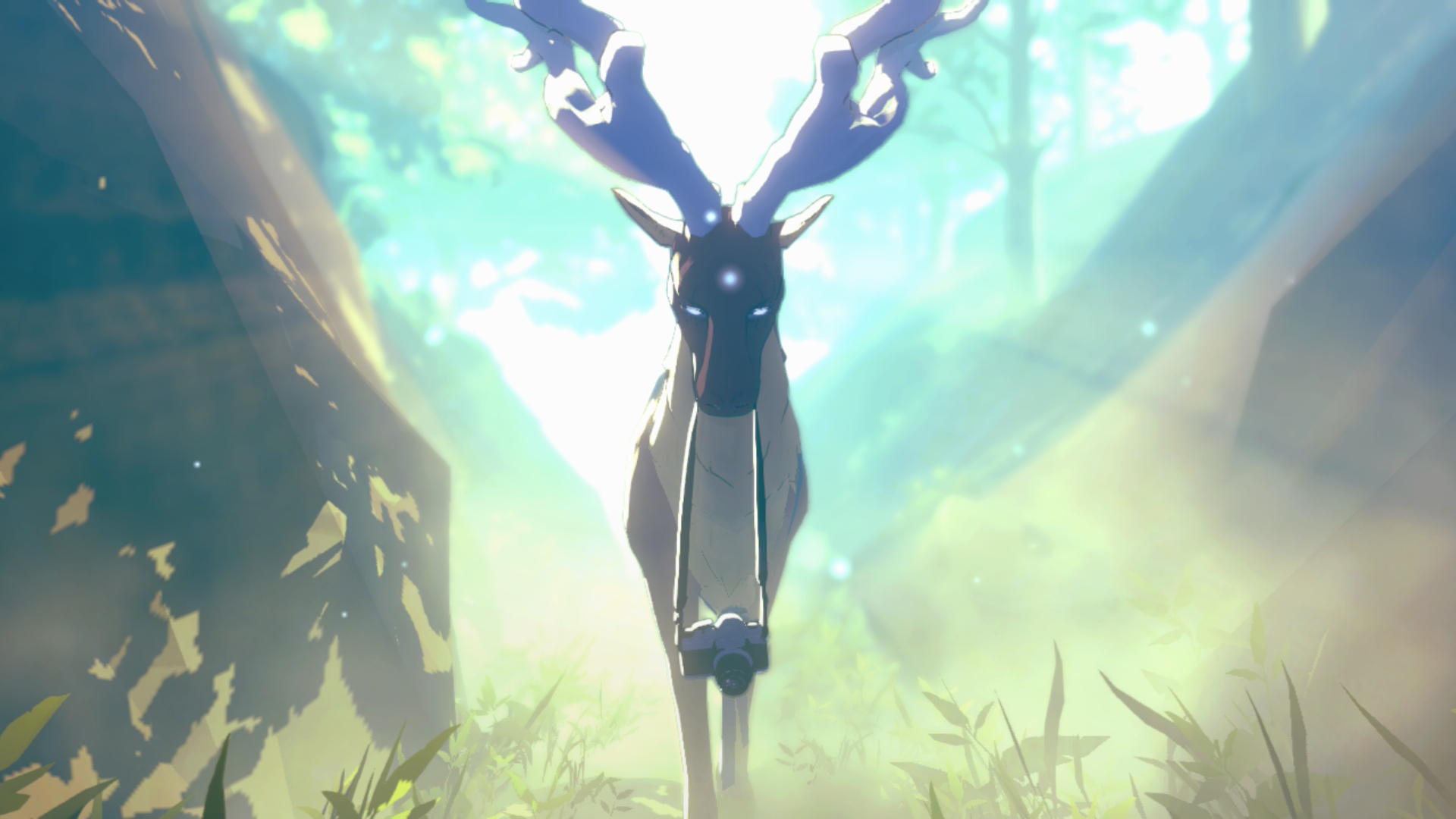
If it wasn’t clear by now, Prism Peak is where the series fully embraces surrealism and intrigue. As a player, you must be willing to accept that many of the primary NPCs are animal spirits who speak to you – and none of it is meant to be taken literally, but rather metaphorically. When the mysterious girl reveals that her home lies within the Nameless City atop Dusk Mountain, you are faced with a defining choice: do you help her, or not?
“This entry revolves heavily around self-determination.”
Ultimately, this entry revolves heavily around self-determination. The game regularly presents moments where you can simply give up, leading to an abrupt ending – though thankfully, you can immediately resume right where you left off. In that sense, giving up feels less surreal than it sounds, as Eugene and his companion frequently clash. Their shared emotional distance creates friction, but over time – provided you make the right choices – both gradually open up, grow closer, and begin fighting not just for survival, but for each other.
Without spoiling more, Prism Peak delivers an emotionally gripping and powerful narrative. It may not be the most groundbreaking story ever told, but its presentation is undeniably convincing.
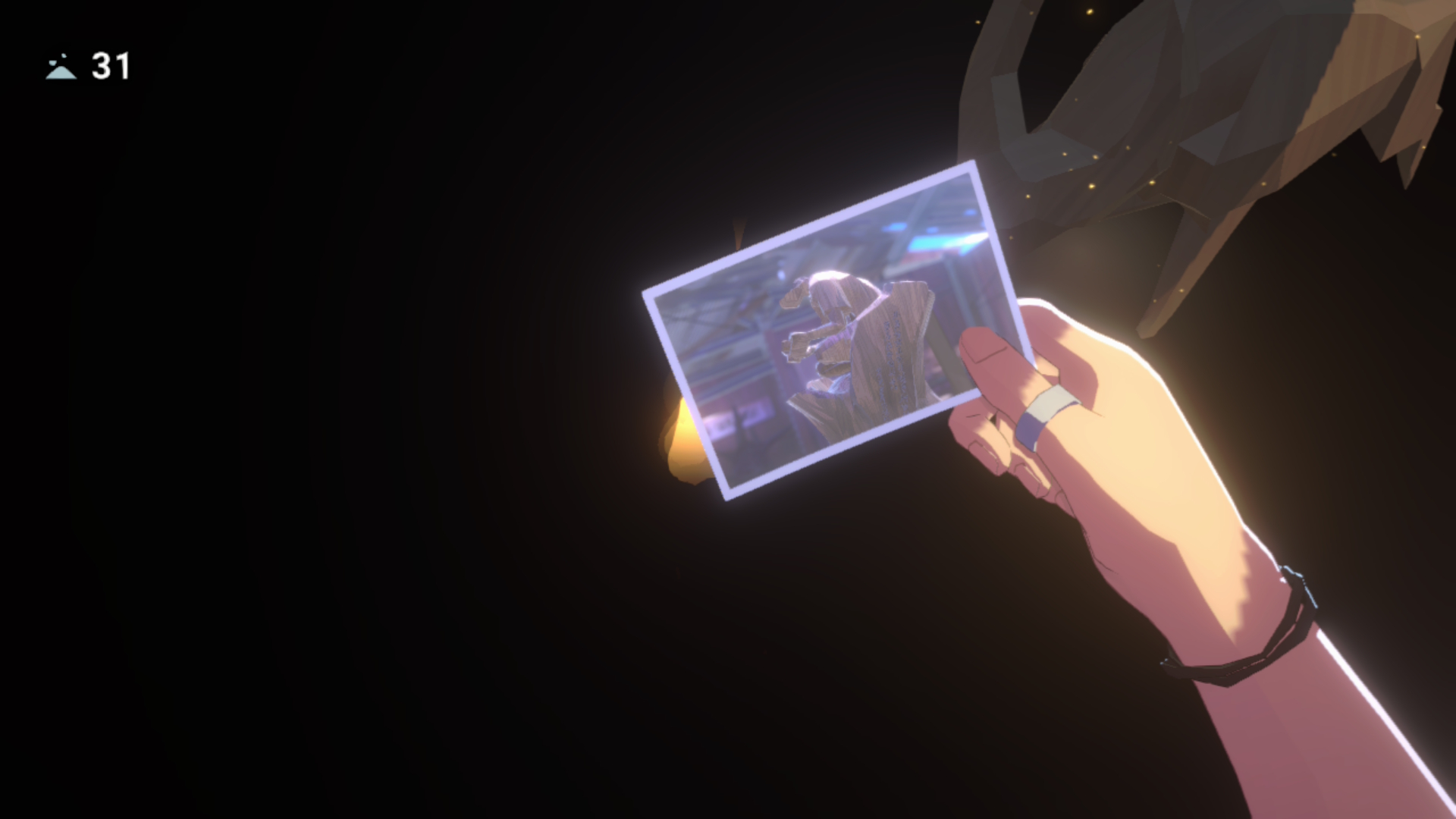
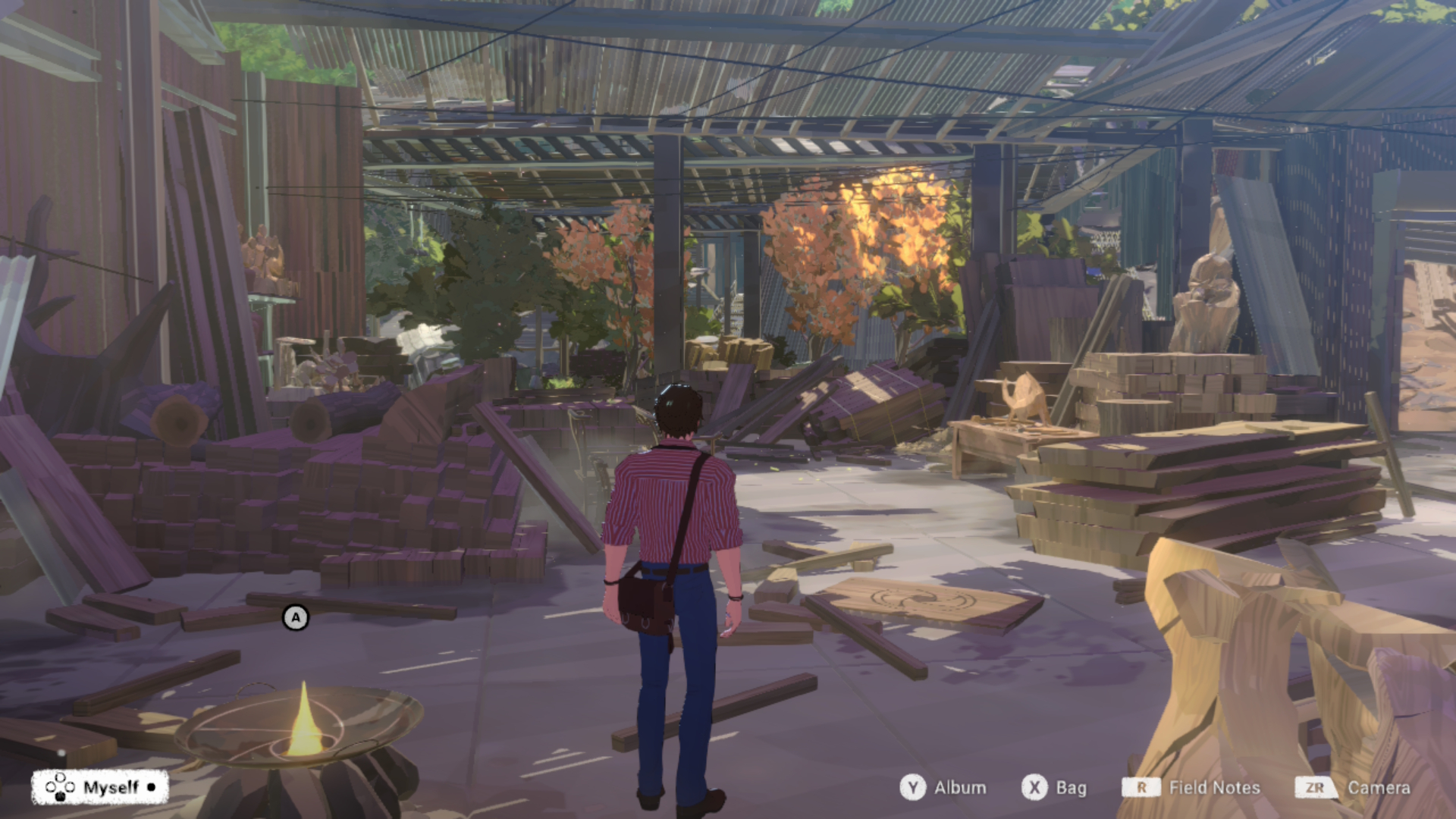
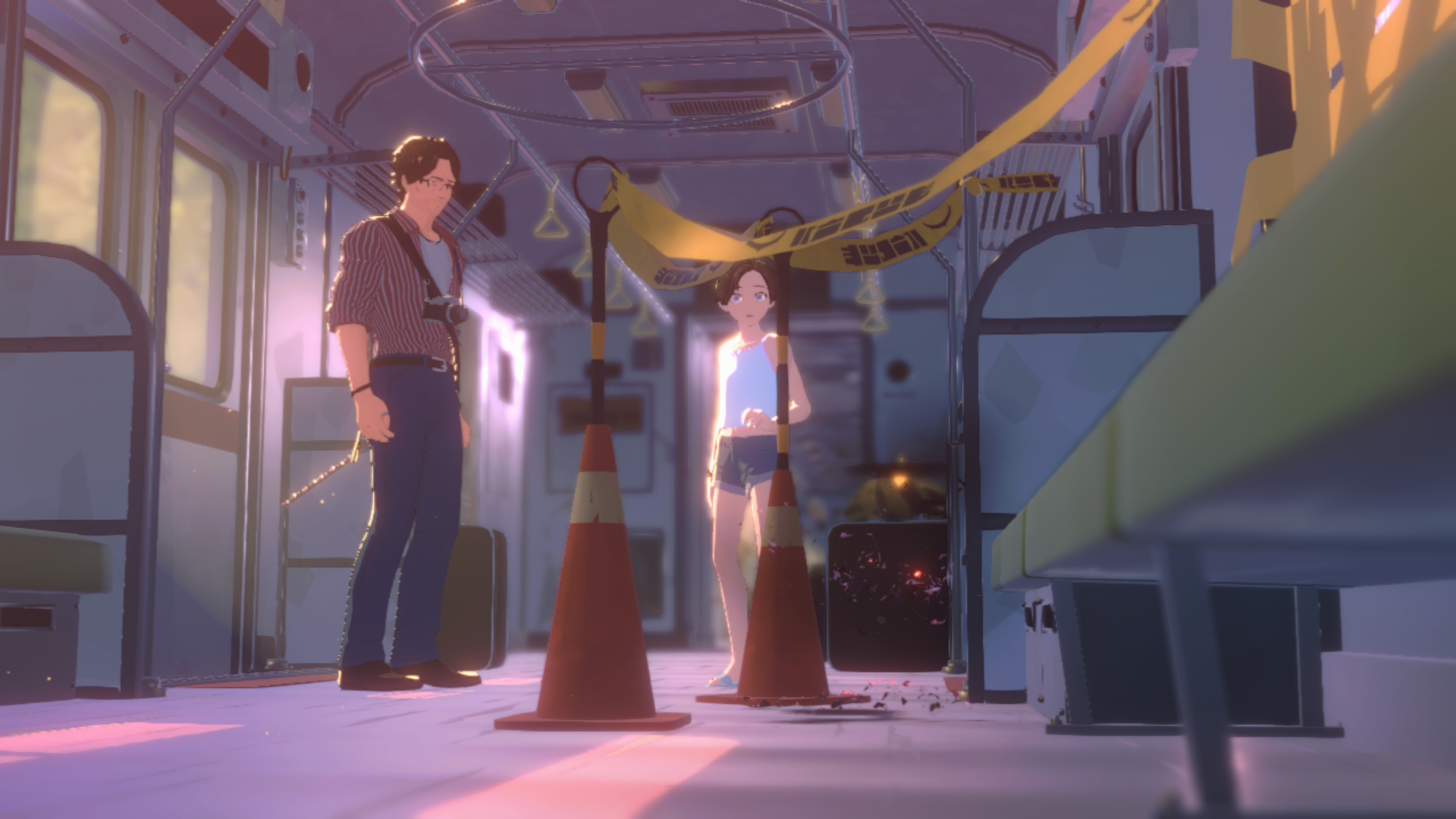
That conviction owes much to the remarkable depth of its mechanics. At first glance, Prism Peak may appear to be another puzzle-exploration game where photography serves as both progression tool and defensive mechanic. And yes, it can occasionally feel like a walking sim due to how explicitly the game guides you through inner thoughts, dialogue, and environmental cues. However, the gameplay quickly proves far more layered than that surface impression suggests.
Plot progression is deeply interwoven into environmental interaction, inventory management, menu systems, and especially photography itself. The Sacred Firebowls scattered throughout the Dusklands allow you to offer seeds for guidance, upgrades, and progression. In his Field Notes, Eugene scrawls down fragments of myths and sketches of the world. It’s less of a guidebook and more of a messy puzzle that you have to piece together yourself.
Armed with your instant Prism camera, you are also encouraged to photograph nearly everything and everyone. There are forgotten names to uncover through visual code, missing words to deduce in your journal by correctly interpreting conversations, and photographs to place beside the right passages in your album. Achieving this often requires proper framing, shutter settings, focus, exposure, and the right equipment – filters, lens-cleaning tools, and camera upgrades all need to be unlocked over time.
The result is a surprisingly intricate fusion of narrative and mechanics where photography is not just a gimmick, but the very language through which the world reveals itself. There are many conditional layers at play, but that complexity is precisely what makes Prism Peak feel so substantial and rewarding.
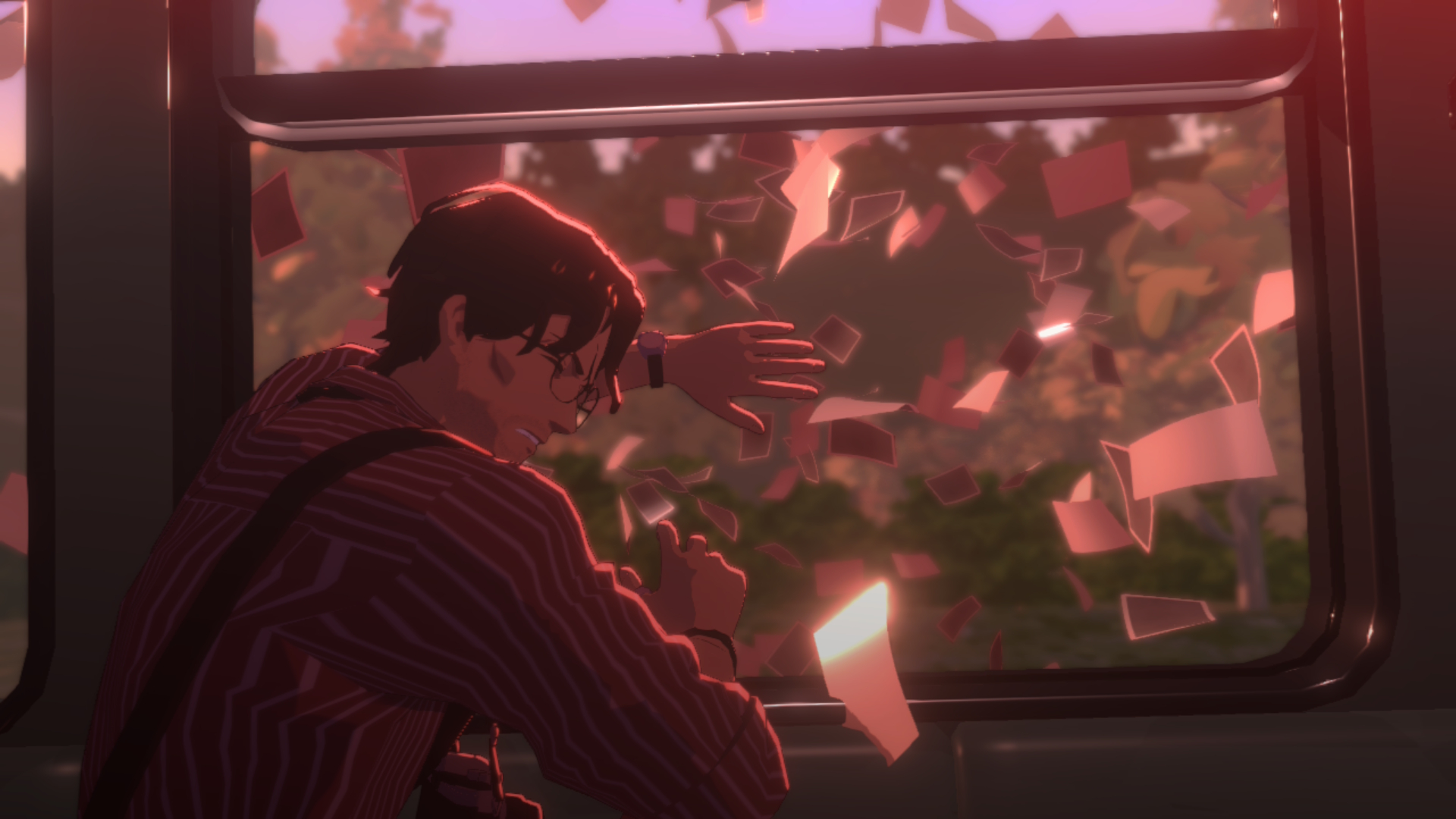
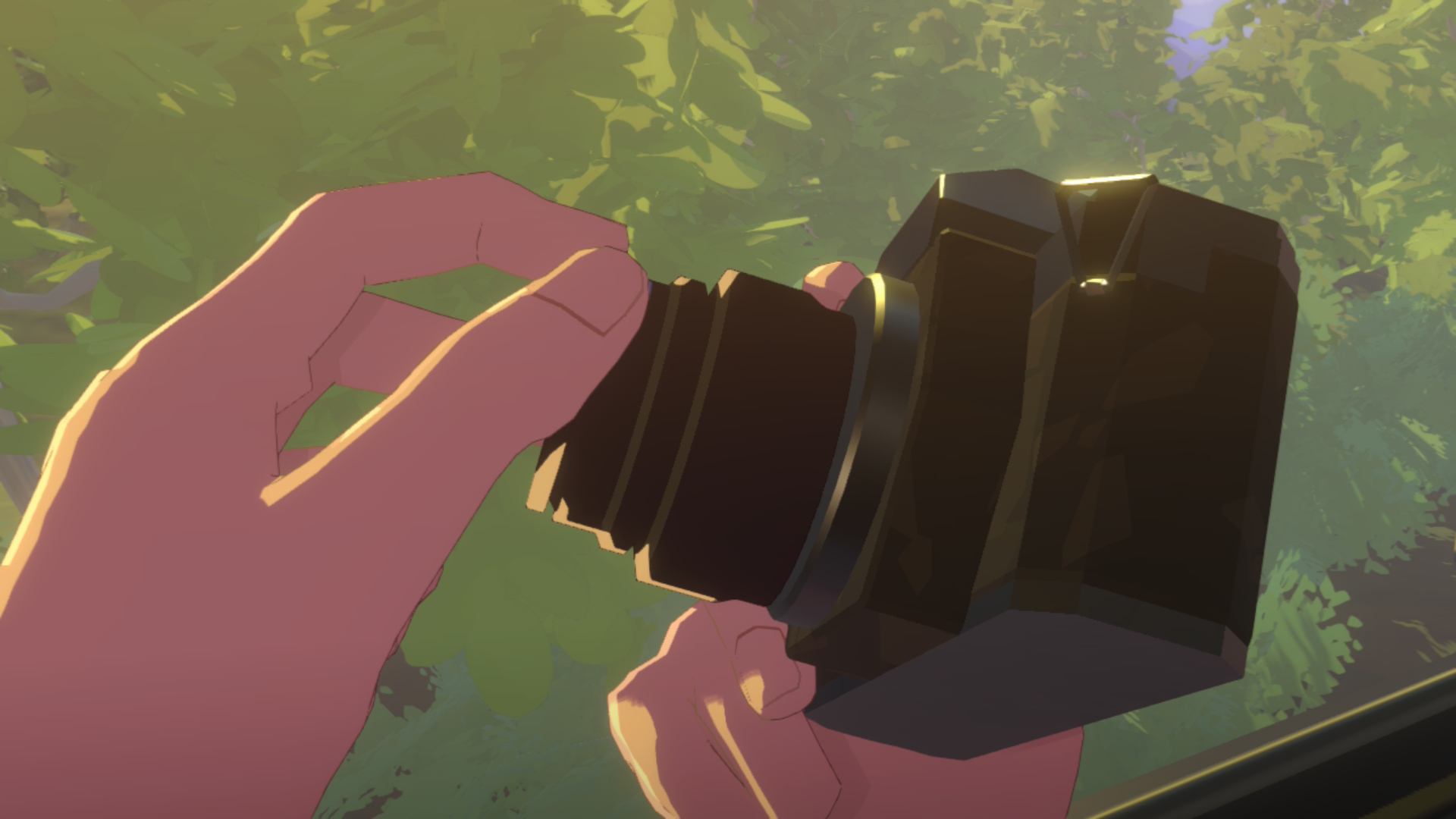
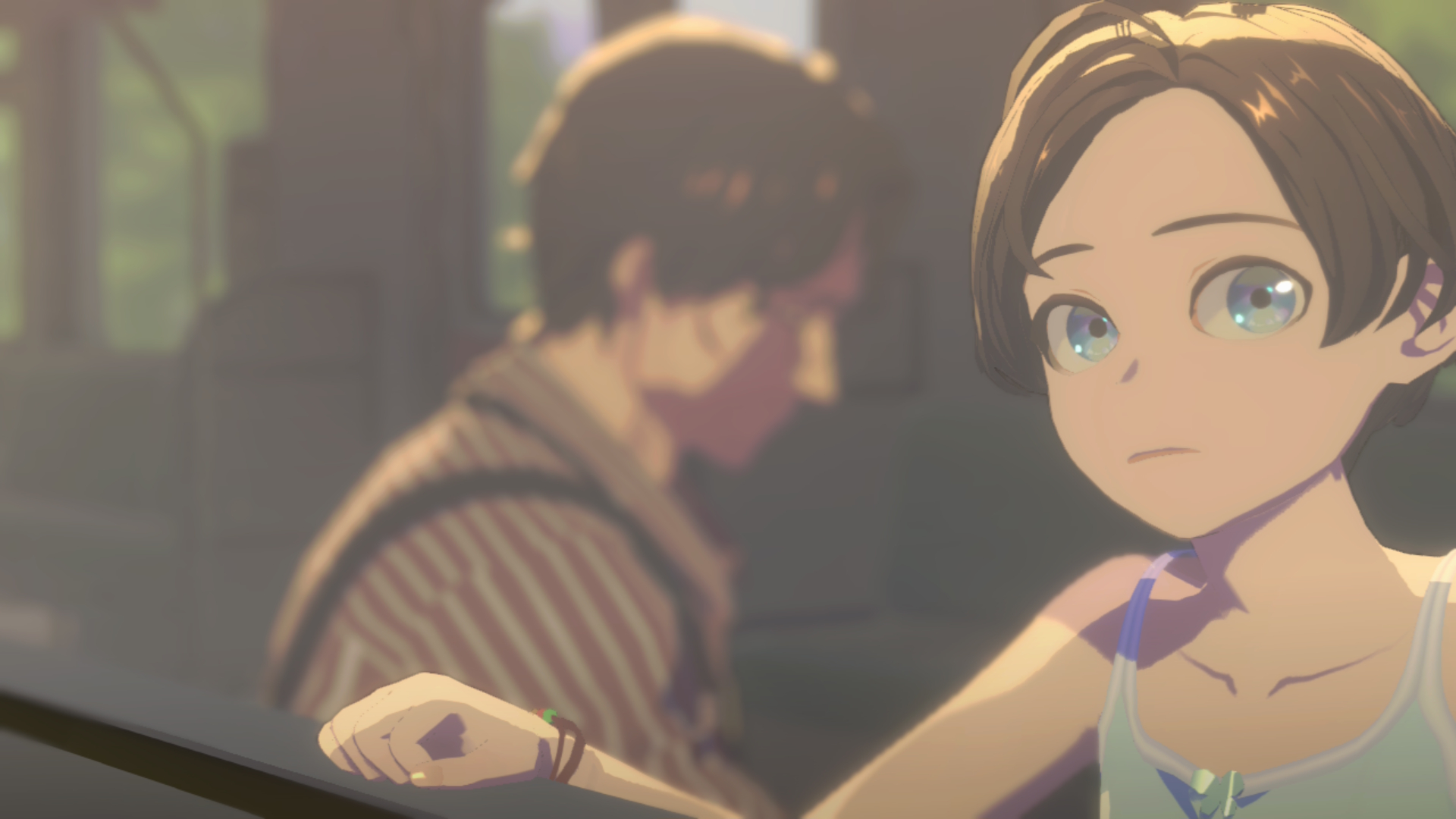
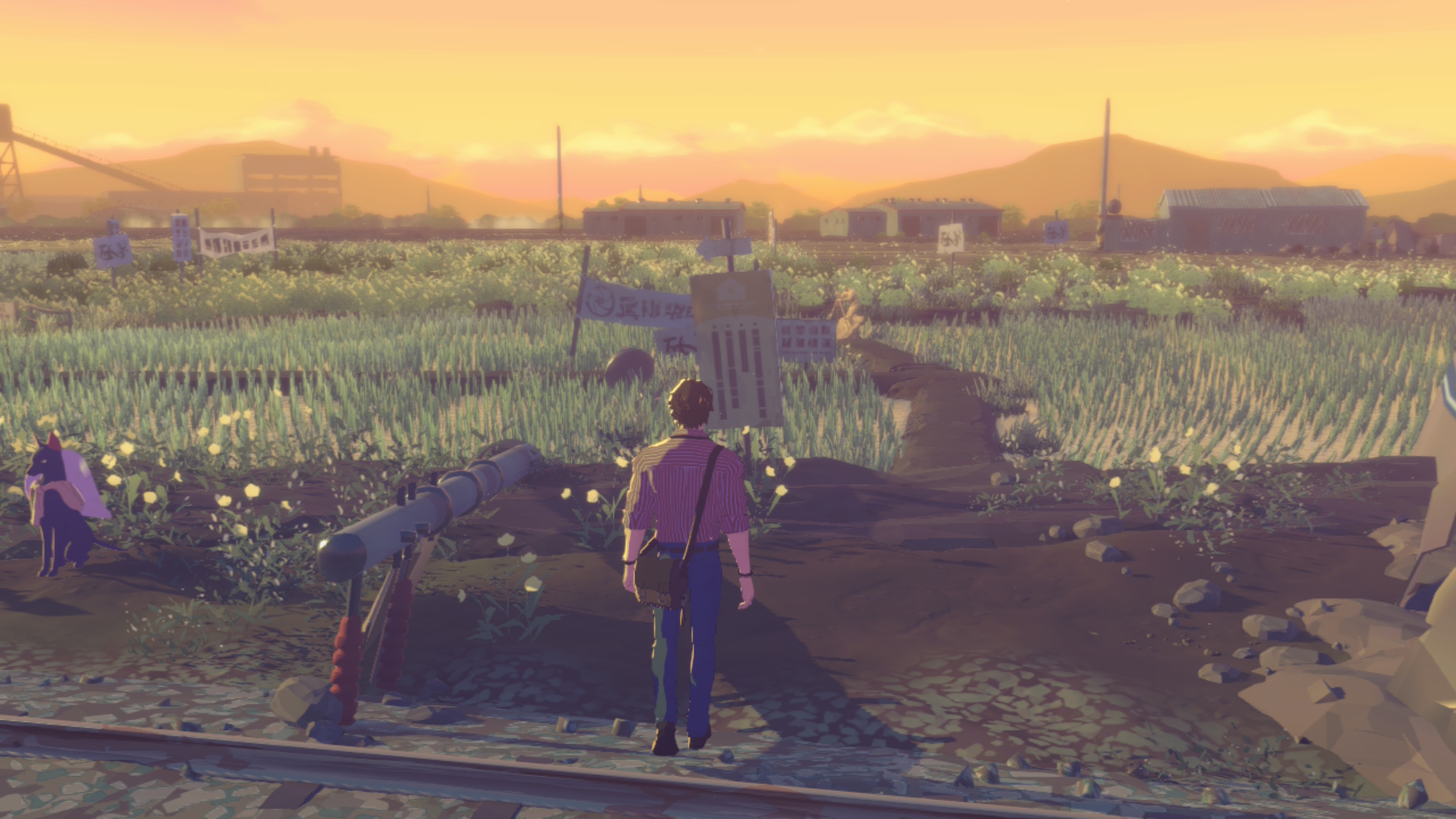
OPUS: Prism Peak‘s art direction is stunning, boasting extraordinary lighting, rich shadows, and an immense color palette that constantly reinforces its dreamlike tone. On Switch 2, however, performance is unfortunately where the experience stumbles most. Frame rate drops are noticeable, particularly when rotating the camera through highly detailed environments, and neither Nintendo’s hardware nor the game offers any meaningful settings to alleviate these issues.
Thankfully, the musical score remains exceptional, with soothing piano and guitar compositions making the journey feel even more introspective, melancholic, and memorable.
Final Thoughts
OPUS: Prism Peak is a deeply narrative, introspective gem that dares to question the importance of human connection, nature, memory, and spiritual origin. Even if not everyone will appreciate the performance shortcomings on Switch 2 – or fully grasp the intended allegory of its surreal, spirit-filled world – the decision to center the experience around photography never feels intrusive.
Instead, it anchors everything beautifully. Through its finicky lens, Prism Peak crafts a moving story about characters learning to care for one another – and, inevitably, characters you will come to care about too.
Additional Information
Release Date: April 16, 2026
Reviewed On: Nintendo Switch 2. Download code provided by the publisher and PR agency.
Developer: Sigono Inc.
Publisher: Shueisha Games
Relevant links: Available via Nintendo eShop (BE, NL, US) and Steam.