DaRmaZat
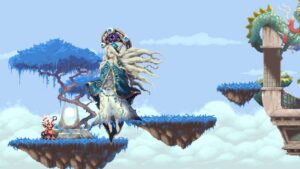
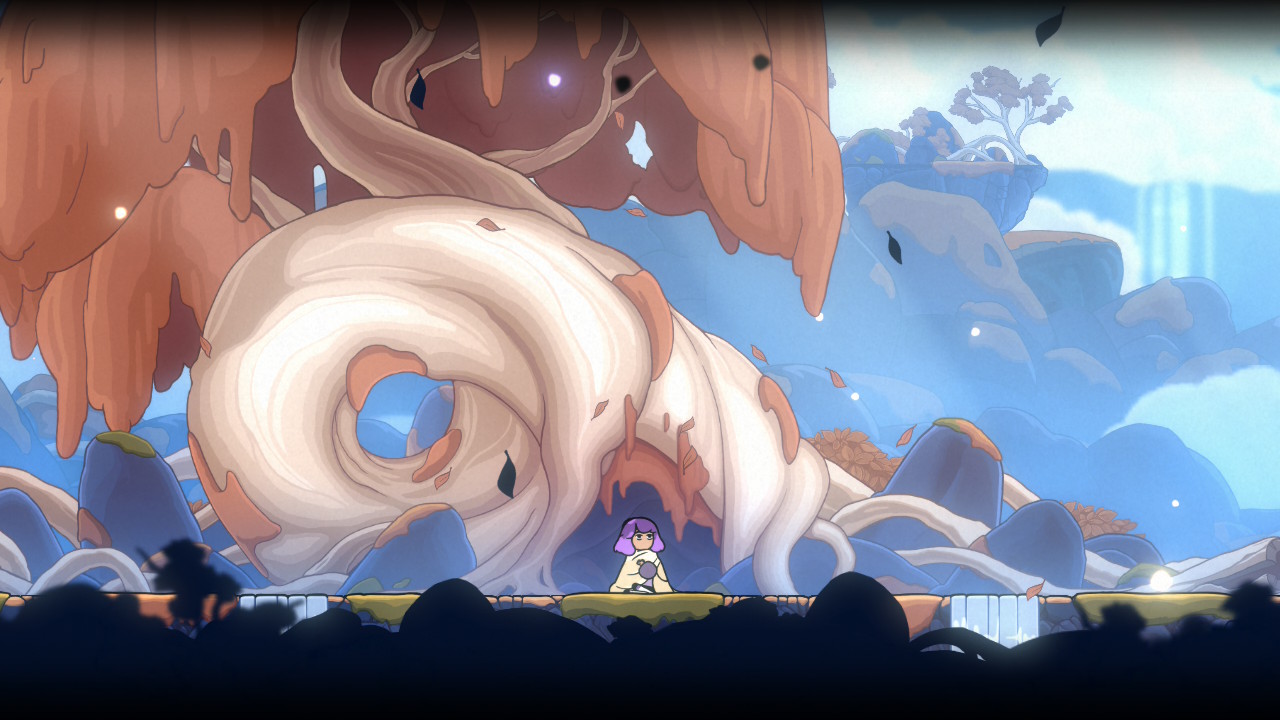
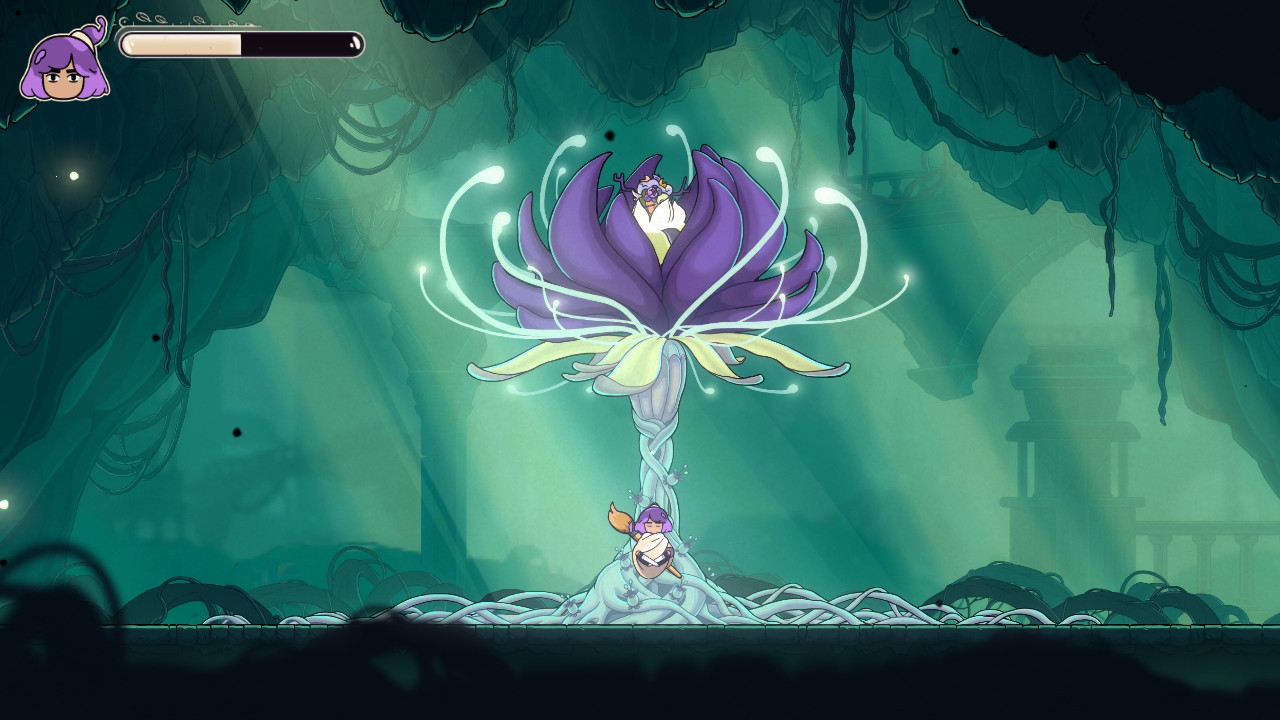
 Originally released on PC in late 2025, Constance has finally painted its way onto consoles. This 2D action-adventure was a critical darling at launch, praised for its artistic hand-drawn visuals, innovative paint-based movement systems, and emotionally resonant metaphorical depiction of burnout, anxiety, and depression.
Now, with the Switch port in hand, the question becomes whether this unique Metroidvania’s blend of painterly mechanics and psychological storytelling retains its full creative force on Nintendo’s hybrid hardware.
A Canvas of Broken Memories
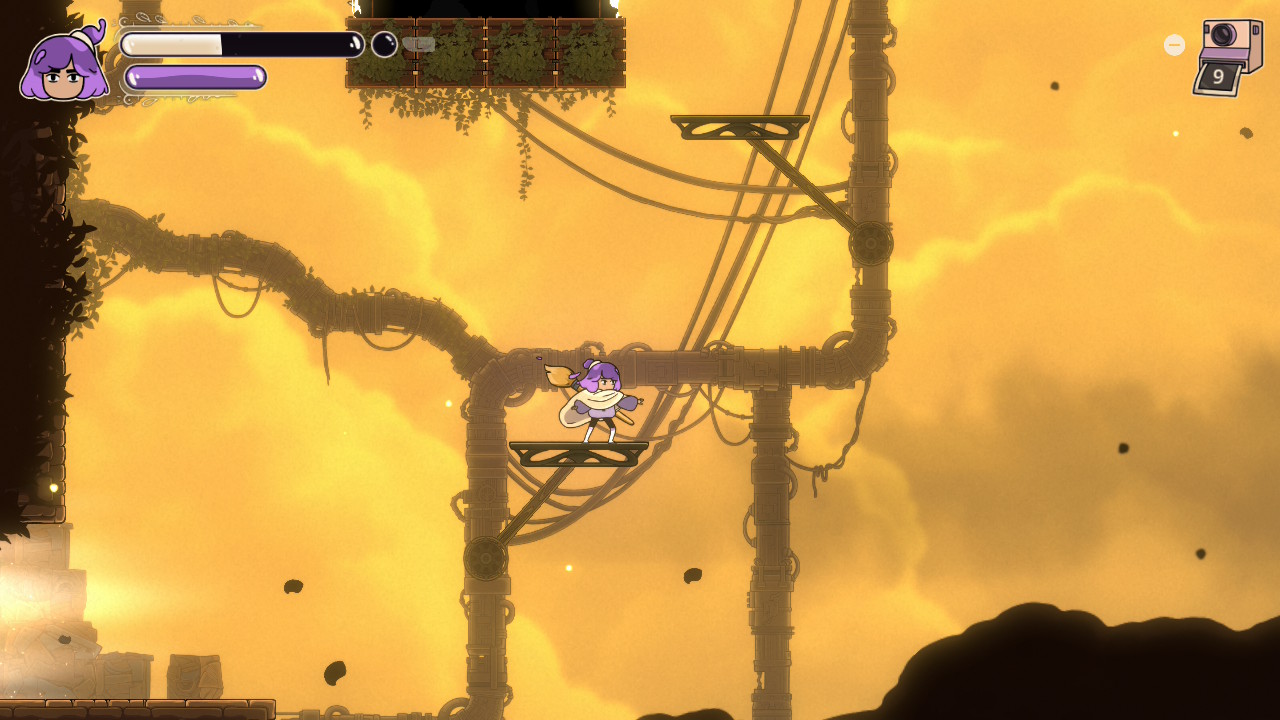
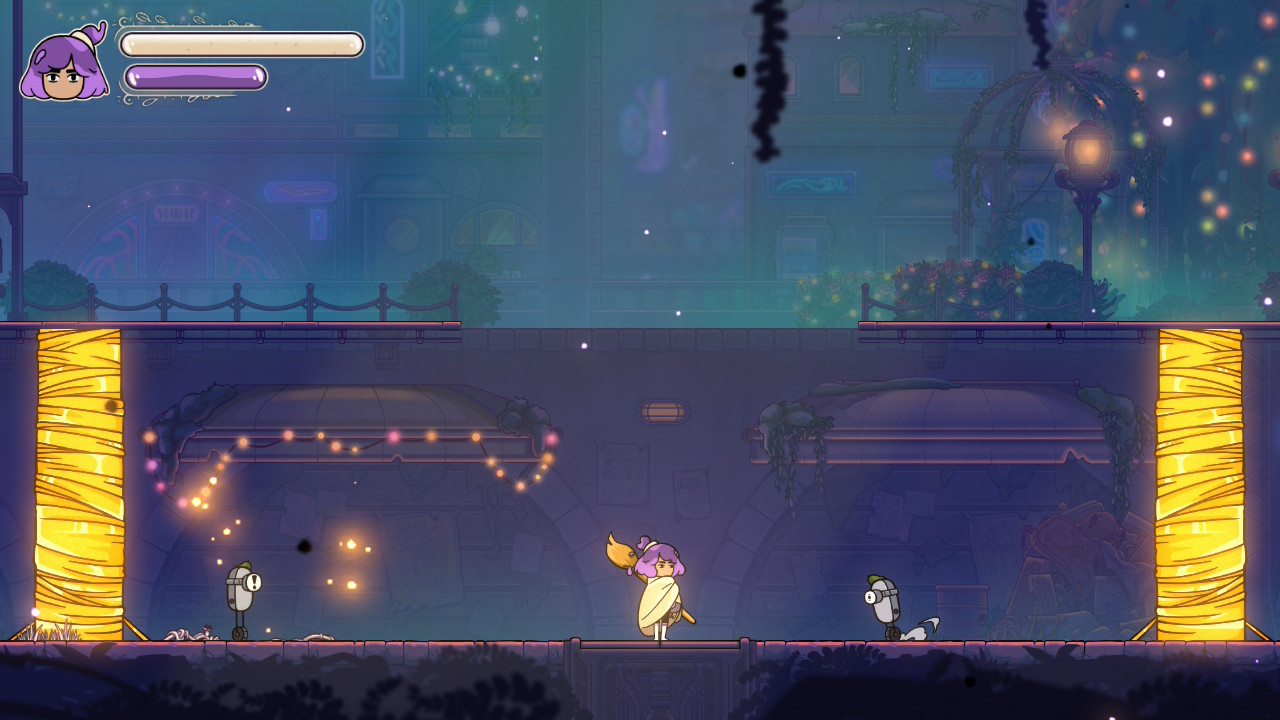
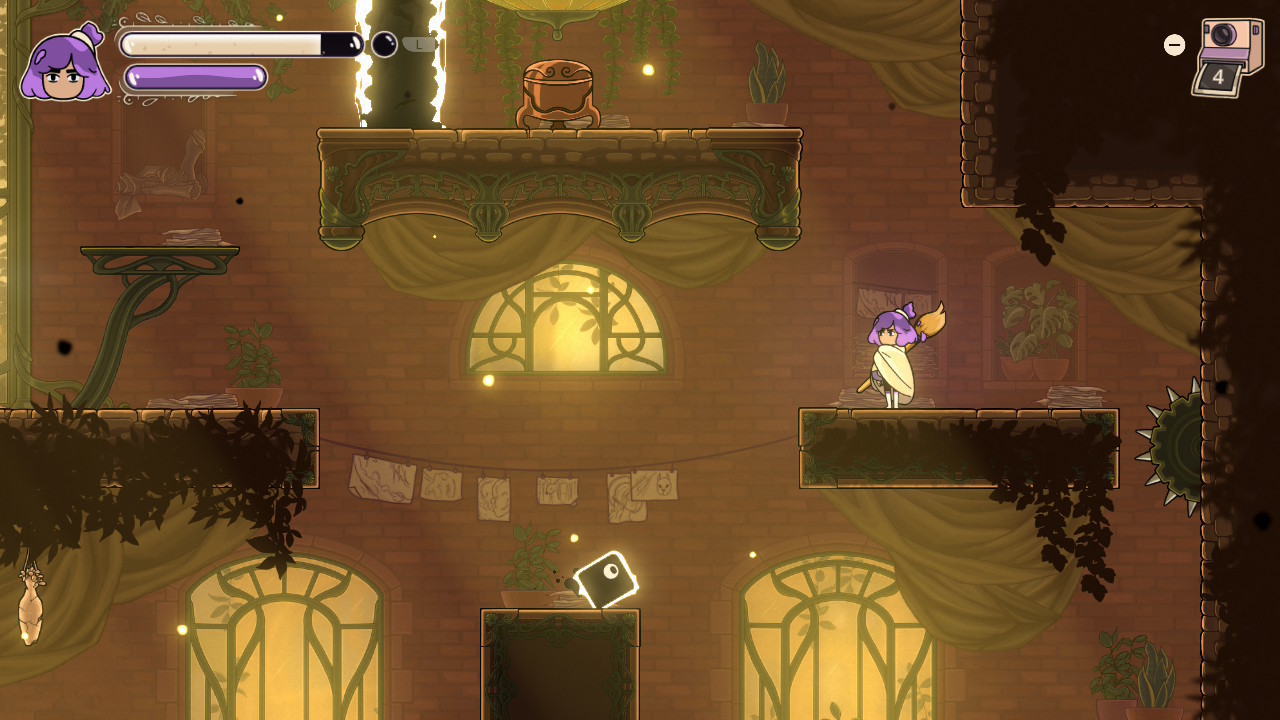
The world of Constance is an intricate inner landscape—a vibrant yet decaying realm that functions as a direct allegory for the protagonist’s declining mental health. Every biome reflects different aspects of her psyche, filled with corruption manifested through hostile objects and mechanical enemies, particularly robots, all designed to harm you. Certain corrupted objects can temporarily be neutralized by coating them in paint, though often this serves less as direct offense and more as a clever means of survival and traversal. Your paintbrush is your greatest asset, functioning simultaneously as weapon, movement tool, and puzzle-solving instrument.
“Your paintbrush is your greatest asset.”
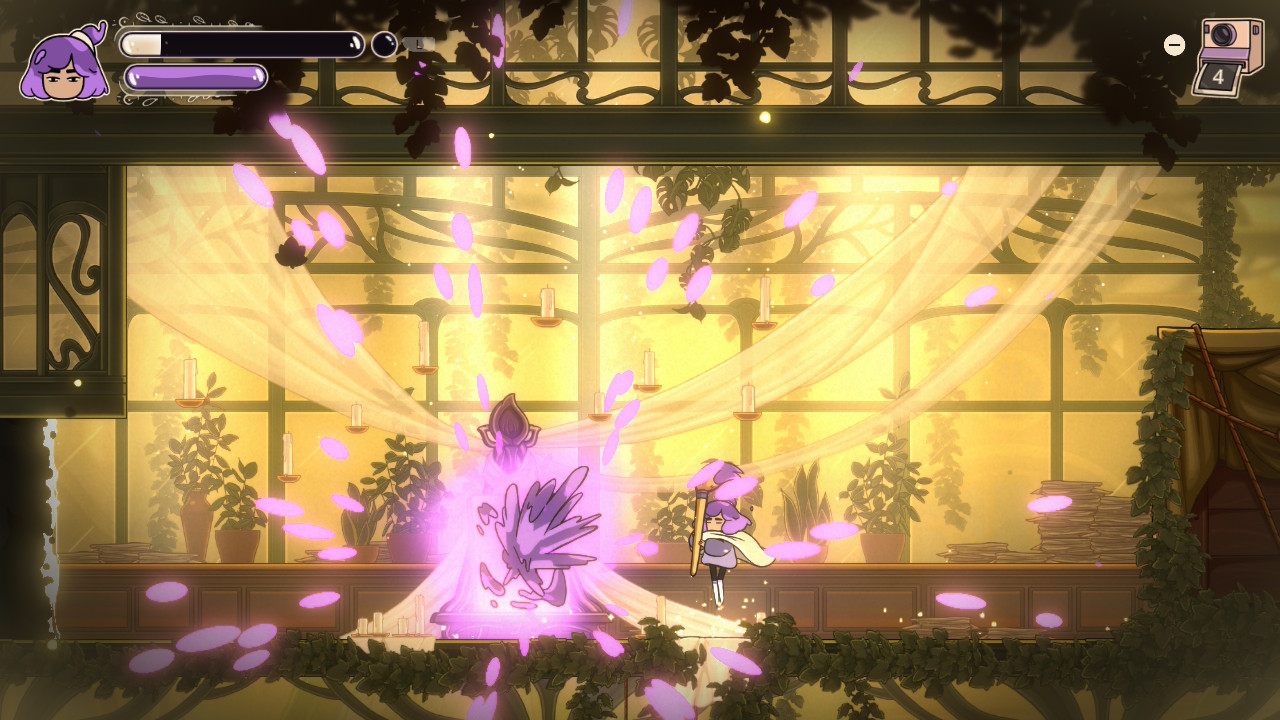
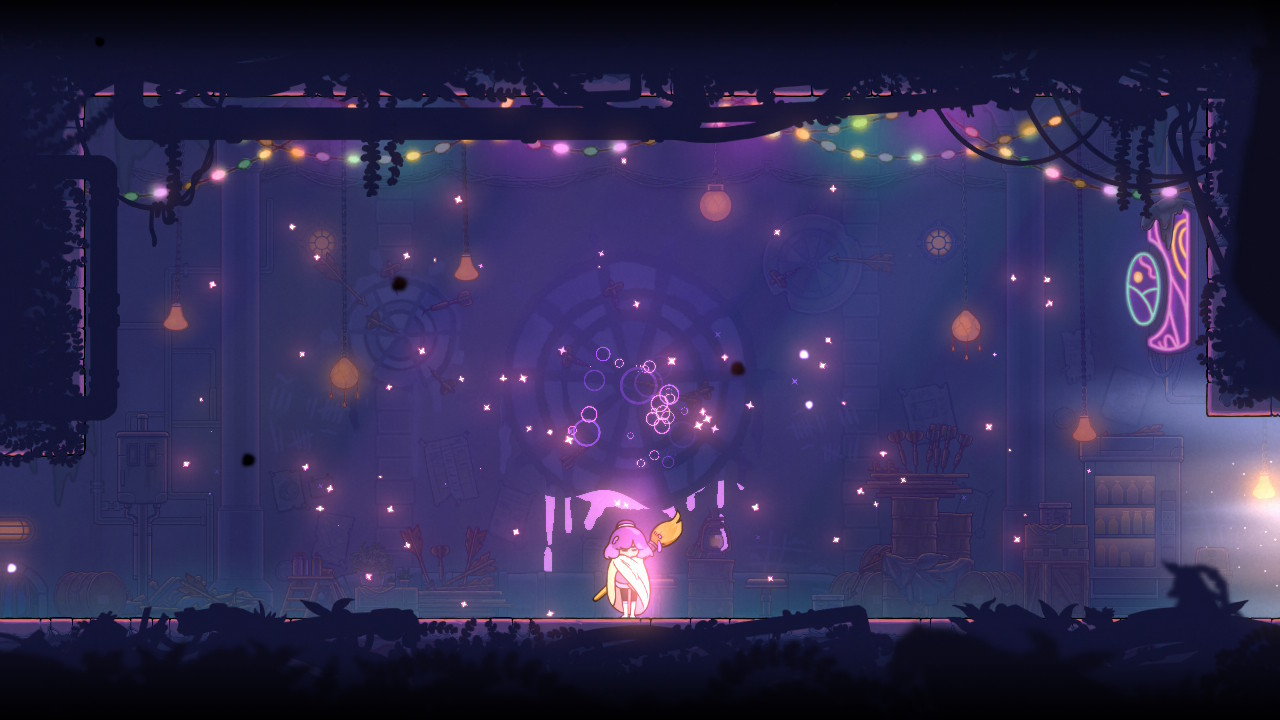
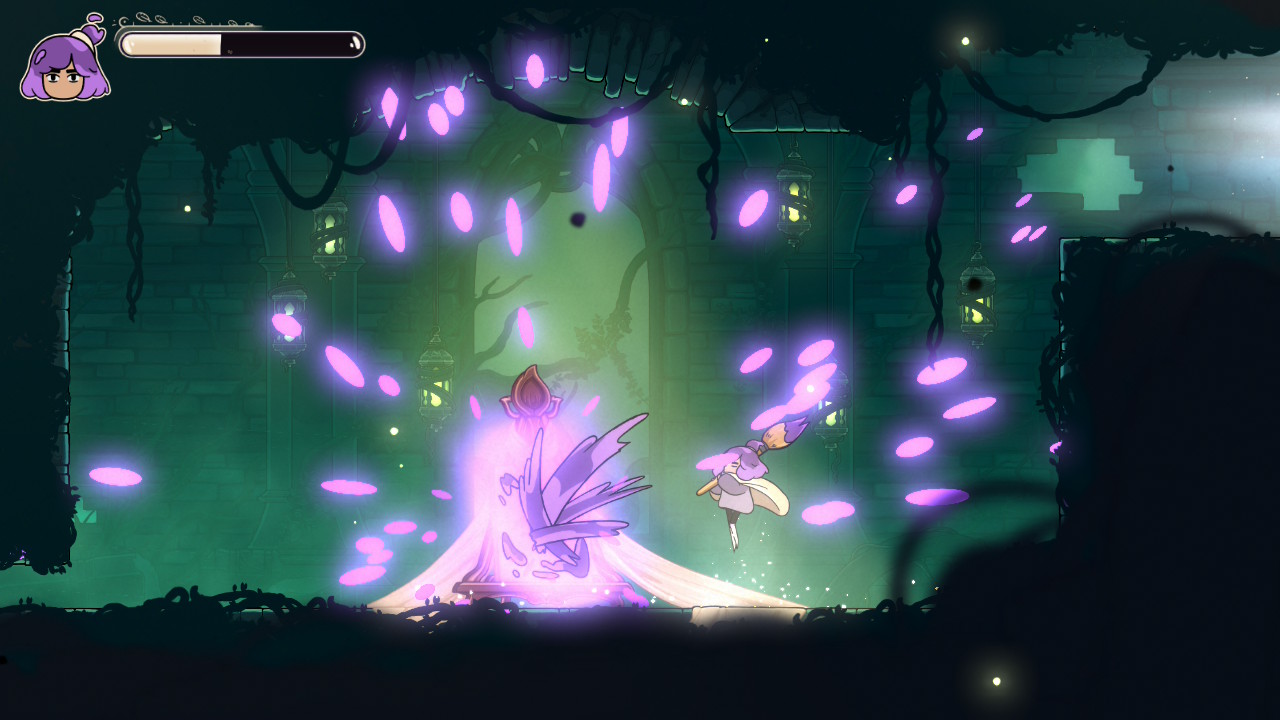
By discovering and painting over specific artworks scattered throughout the world, you unlock new brush techniques. In true Metroidvania fashion, these abilities open doors to previously unreachable paths, but Constance rarely settles for simple one-skill solutions. More often than not, success demands chaining multiple techniques together in rapid succession, forcing you to execute with unrelenting speed while often learning through trial and error which exact moves are required. This demanding pace becomes one of the game’s greatest challenges.
Who Says Combat Can’t Be Creative?
Don’t let the expressive visuals fool you: Constance is a legitimately challenging adventure. While it never quite reaches Hollow Knight’s harshest extremes, it is still formidable. Shrines, which serve as save points and recovery hubs, are often spaced far enough apart to make every mistake sting. Yet the game’s difficulty feels fair thanks to solid combat with readable enemy patterns and notably dependable hitboxes, which I personally found more reliable than Hollow Knight’s in certain encounters.
As you spread purple paint through its surreal world, you’ll gather Glimmer as currency, Flasks to increase the maximum of paint, Lightstones to strengthen your abilities, and most importantly, Tears. Earned after defeating biome bosses, Tears are among the game’s most valuable collectibles, unlocking flashbacks that gradually expose Constance’s deeply buried emotional trauma. These narrative fragments ensure the mental health allegory never feels superficial, instead carefully unraveling themes of burnout and personal struggle over time.
Death itself introduces one of Constance’s more inventive systems. Upon defeat, you can choose to persevere—continuing immediately, but at the cost of empowering all enemies – or safely respawn at a Shrine, which may be frustratingly distant. For me, this is a clear reference to a moral dilemma.
A Lot of Inspiration to Manage
Shrines also serve another crucial function: managing your Inspirations. That sounds metaphorically clever on its own, doesn’t it? These collectible, charm-like blessings are earned by analyzing statues and act as powerful upgrades, enhancing abilities or granting buffs like lifesteal, increased HP, or expanded Paint Points.
“On a technical level, this Switch port excels.”
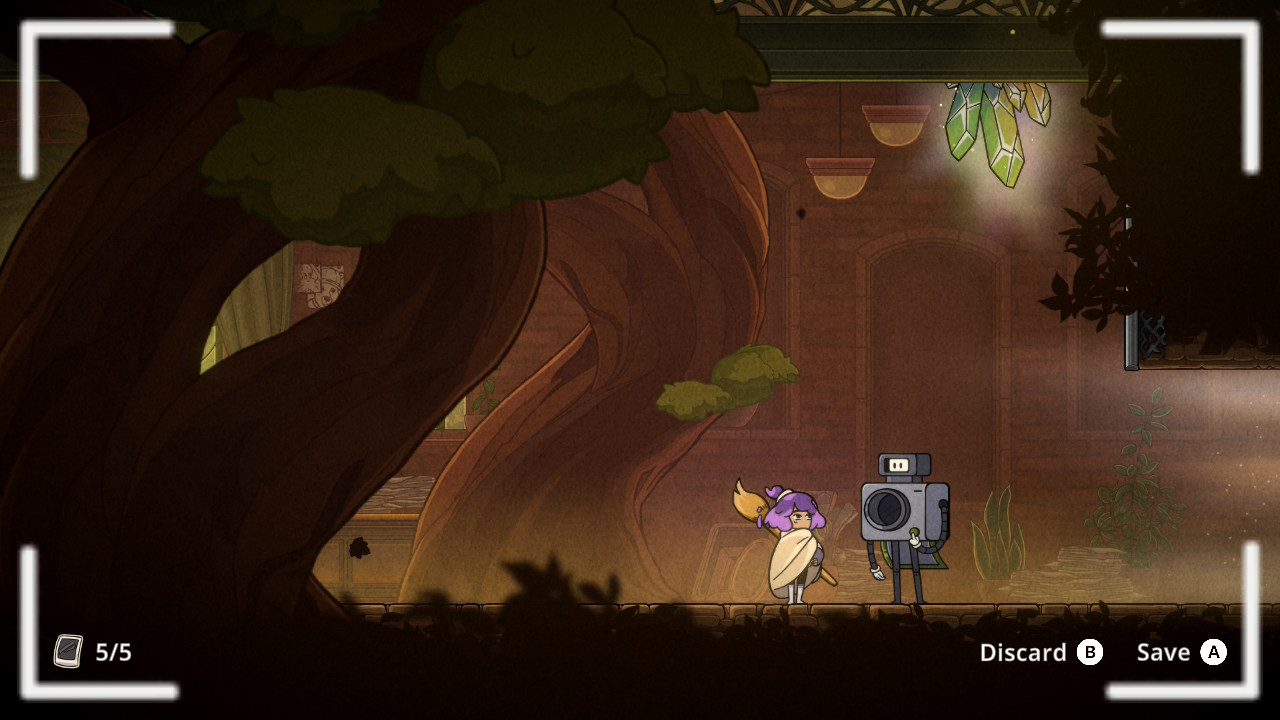
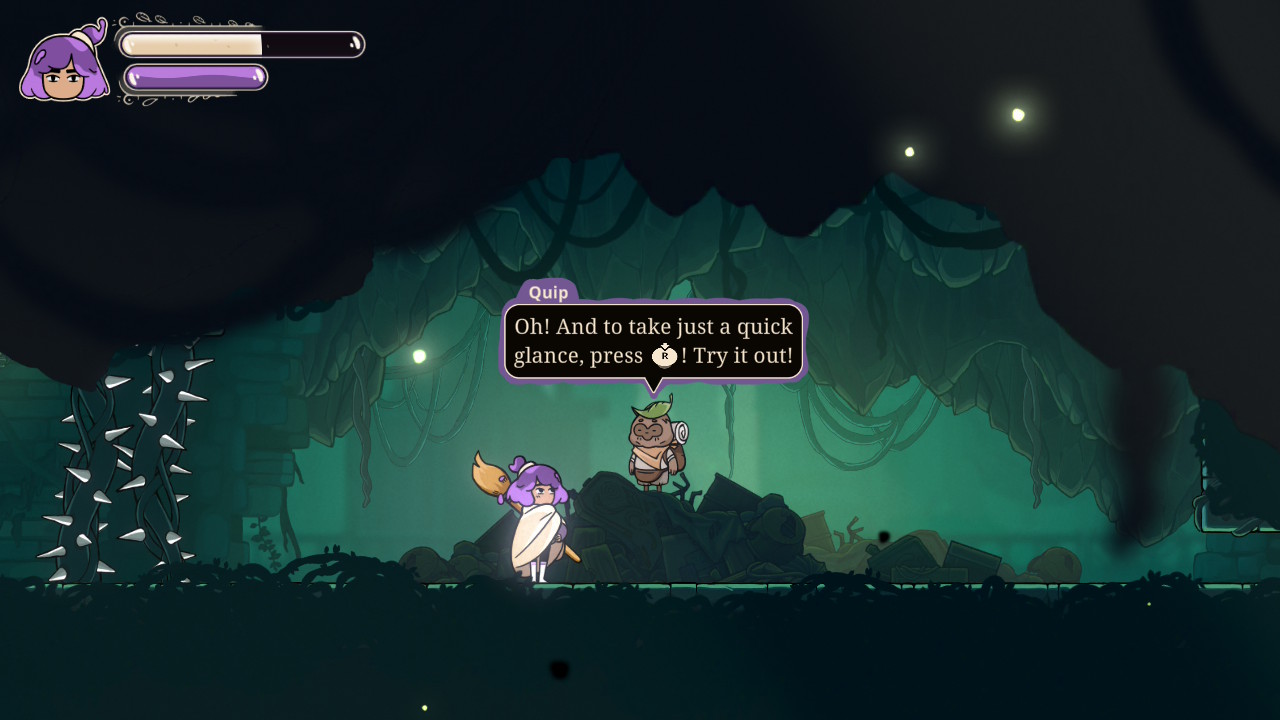
Constance’s world design is also elevated by thoughtful navigation systems. Alongside a zoomable world map and in-game minimap, the standout innovation is the Snapshot mechanic. Instead of relying solely on conventional markers, you can capture artistic photos of your current location and use them as personalized reference points. Even better, your camera’s snapshot capacity itself can also be expanded by uncovering hidden treasure rooms.
On a technical level, this Switch port excels. Alongside a dedicated Speedrun Mode, the game includes four rendering settings – Performance, Balanced, Quality, and Max – resembling PC-style graphical scalability. On Switch 2, playing entirely on Max settings, I encountered zero frame drops throughout, which is particularly impressive given how heavily the game depends on precision, speed, and fluidity.
Final Thoughts
This Switch version of Constance is anything but a compromise. Its intimate hand-drawn visuals and immersive soundtrack feel remarkably well-suited for handheld play, while the exceptional performance and responsive controls ensure none of its high-speed, mechanically demanding gameplay loses impact.
The sheer originality of how Constance reworks familiar systems through its paint-driven mechanics, snapshot navigation, and emotional metaphor makes it one of the genre’s most refreshing additions in recent years. This is a deeply successful Switch port of an already remarkable game – one that loses none of its artistic, mechanical, or metaphorical strength.
Additional Information
Release Date: May 1, 2026
Reviewed On: Nintendo Switch 2. Download code provided by the publisher and PR agency.
Developer: Blue Backpack
Publisher: Blue Backpack, ByteRockers’ Games, Parco Games
Relevant links: Available via the Nintendo eShop (NL-BE, NL-NL, US) and Steam.