Ashes of the Singularity II Details Armies and Warfront Systems in New Video Blog
 DaRmaZat
 Developer Oxide Games and publisher Stardock Entertainment have released a new video blog for the real-time strategy sequel Ashes of the Singularity II, currently in development for PC and set to launch via Steam, offering a closer look at how armies, forward deployment, and large-scale warfronts are being reworked. A release date has yet to be announced.
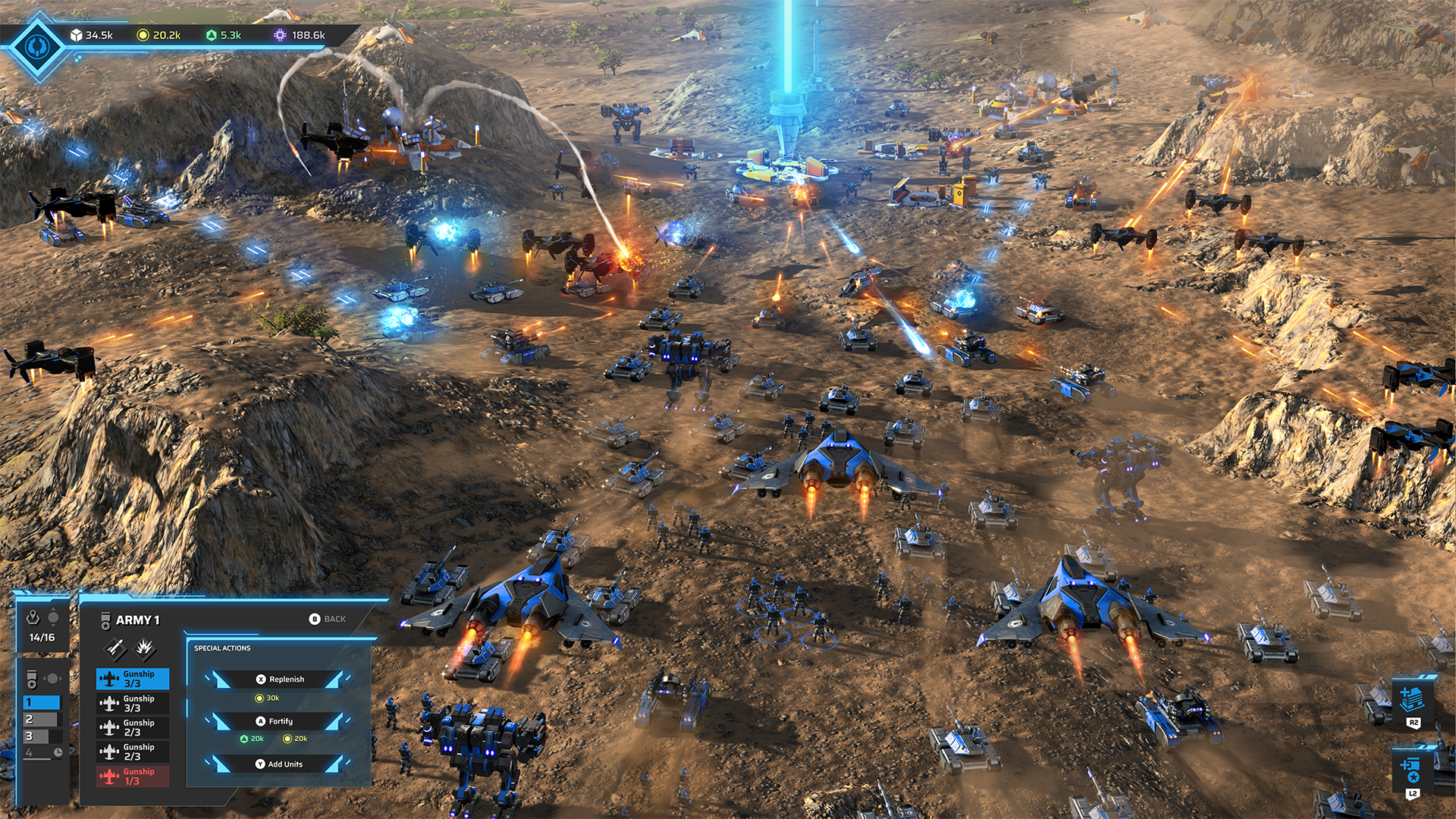
The newly published video blog outlines a core design shift in how large-scale warfare functions in Ashes of the Singularity II. Rather than managing isolated units, players construct and maintain full armies as persistent entities. Losses on the battlefield are not treated as setbacks that require manual rebuilding; instead, reinforcements are produced and automatically routed forward, allowing battles to remain fluid and continuous as frontlines evolve in real time.
This system is designed to support the game’s emphasis on planetary-scale conflicts, where engagements stretch across vast maps and strategic decisions outweigh moment-to-moment micromanagement. Forward deployment plays a central role, ensuring newly produced forces reach contested zones quickly while maintaining pressure on the enemy. According to the developers, this approach reinforces the idea of warfare as an ongoing logistical effort rather than a series of disconnected skirmishes.
Set in a near-future solar system shaped by the rise of powerful AI, Ashes of the Singularity II once again centers on a three-sided conflict between humanity’s United Earth Forces, the machine-driven AI Substrate, and the Post-Human Coalition. Each faction brings distinct philosophies and battlefield behavior, influencing how wars unfold across single-player campaigns, cooperative modes, and competitive multiplayer matches.
The sequel builds on the foundations of the original Ashes of the Singularity from 2016, expanding its strategic scale with continent-sized battlefields, thousands of units on screen, and tools such as Strategic Zoom that allow commanders to shift seamlessly from orbital oversight to frontline decision-making. Terrain deformation and resource transformation further emphasize the long-term impact of sustained warfare.