DaRmaZat
 Publisher Nacon and developer Big Bad Wolf Studio have shared new details on the world of their upcoming psychological horror adventure Cthulhu: The Cosmic Abyss, due out on April 16, 2026 for PlayStation 5, Xbox Series X|S, and PC via Steam.
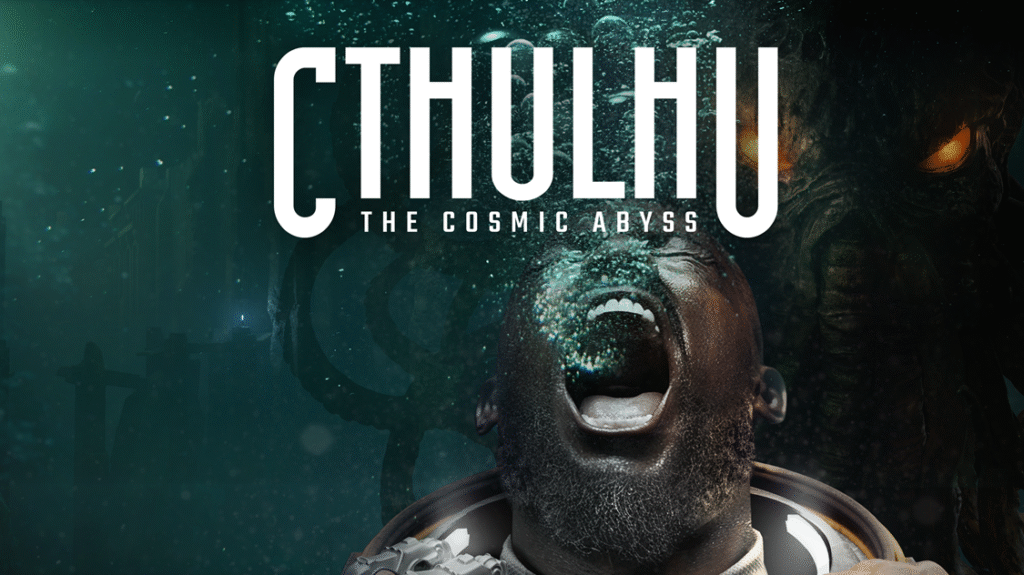
Set in the year 2053, Cthulhu: The Cosmic Abyss presents a near-future world shaped by environmental collapse and systemic scarcity rather than technological spectacle. With surface resources depleted and global infrastructure under strain, humanity has turned toward extreme solutions, pushing industrial and exploratory efforts into the depths of the ocean in search of energy, materials, and survival itself.
This context forms the backdrop for the game’s narrative, which follows investigator Noah as he is dispatched to uncover the disappearance of miners operating deep in the Pacific Ocean. Supported by an AI companion named Key, Noah descends into the submerged ruins of R’lyeh, a location where rational structures give way to distorted architecture and reality itself begins to fracture under the influence of Cthulhu. The setting emphasizes adaptation over progress, portraying a society that relies on artificial intelligence, augmentation, and transhuman solutions not as luxury, but as necessity.
Developed in Unreal Engine 5, the game is designed as a first-person psychological adventure that blends investigative gameplay with Lovecraftian cosmic horror. Players are tasked with piecing together fragmented truths, solving environmental puzzles, and making narrative decisions that influence Noah’s mental state and ultimate fate. Sanity management plays a key role, as perception, hallucination, and instability increasingly blur the line between what is real and what is imagined the deeper the investigation goes.
By grounding its cosmic horror in a plausible near-future shaped by corporate ambition and environmental decline, Cthulhu: The Cosmic Abyss aims to contextualize its supernatural elements within a world already on the brink, reinforcing its themes of isolation, uncertainty, and the cost of pushing beyond human limits.