DaRmaZat
 When DreadOut launched in 2014, it was a bold game for Digital Happiness – both financially from a developer’s perspective and creatively in terms of its core design. After franchises like Fatal Frame and Silent Hill – specifically Shattered Memories – as well as other titles where a phone camera or a professional camera serves either as a weapon, a progression tool, or a hybrid of both, originality inevitably comes at a cost. These mechanics have existed in gaming for decades, not just within survival horror, and with wildly varying degrees of success.
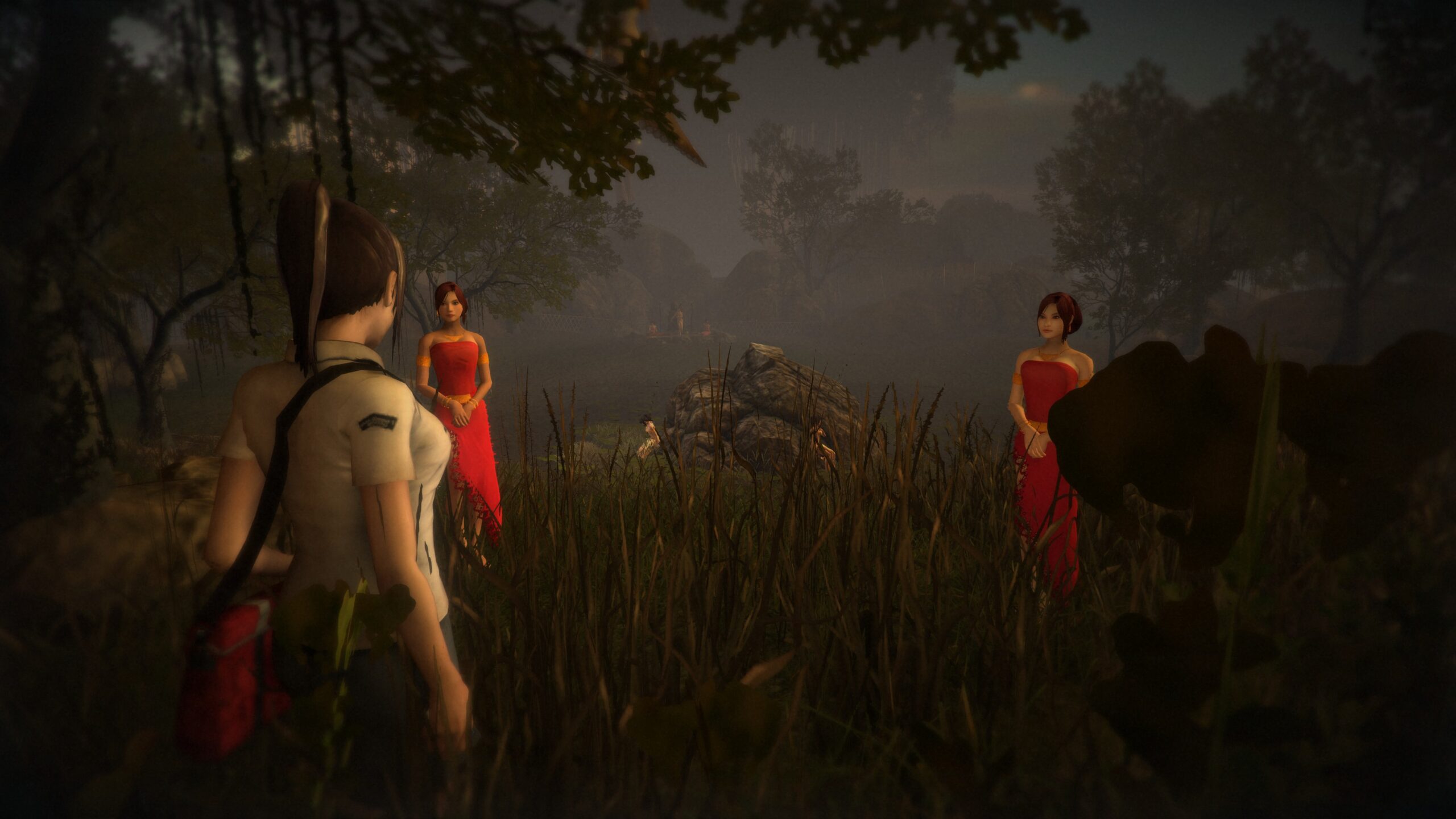
DreadOut, then, needed more to offer than merely detecting and exorcising folklore-inspired ghosts through a lens. And that is where its Javanese trump card was laid on the table. Very few games portray Indonesian nature and culture – its folklore, traditions, superstitions, reverence for the afterlife, and the spirit world – with the same level of authenticity, care, and lived-in realism that DreadOut achieved. It did this remarkably well, aided by strong Malay voice acting. The absence of a full native language option in DreadOut 2 therefore felt like a significant loss, even if fragments of it resurfaced later in the game.
The original DreadOut also possessed a playful, self-aware charm. Small details – like the text on Linda’s shirt found in the car trunk bluntly stating that you only get a “lousy T-shirt” after two hours of gameplay—gave the experience personality. Its art style was equally distinctive: visually somewhere between late PlayStation 2 and early PlayStation 3 aesthetics – cartoonish, dark, bleak, and at times deliberately washed out – yet perfectly suited to the oppressive horror scenarios it presented. Combat was not the focus. Atmosphere was. Nothing was quite what it seemed, and at every moment you felt something unspeakable might happen – which, sooner or later, it inevitably did.

Hunting spirits and evading their ghouls in scripted sequences often felt closer to puzzle-solving than to combat or stealth. This tied into the game’s larger thematic framework: Linda’s supernatural ability to perceive tormented spirits. When used correctly, this gift kept her safe, allowing her not just to confront ghosts, but to gain their trust and help them find peace. While the game was not universally appreciated at launch, it has since become something of a cult classic among hardcore horror fans and players who value Indonesian cultural representation.
Released in 2016, the standalone expansion Keepers of the Dark – included in the DreadOut Remastered Collection – reused many environments and assets from the original game but shifted toward a more combat- and puzzle-driven structure, resembling a series of boss-realm clearances. Despite its reduced narrative focus, it reinforced the franchise’s cult status, maintaining a loyal fanbase and a consistently positive reception on Steam.
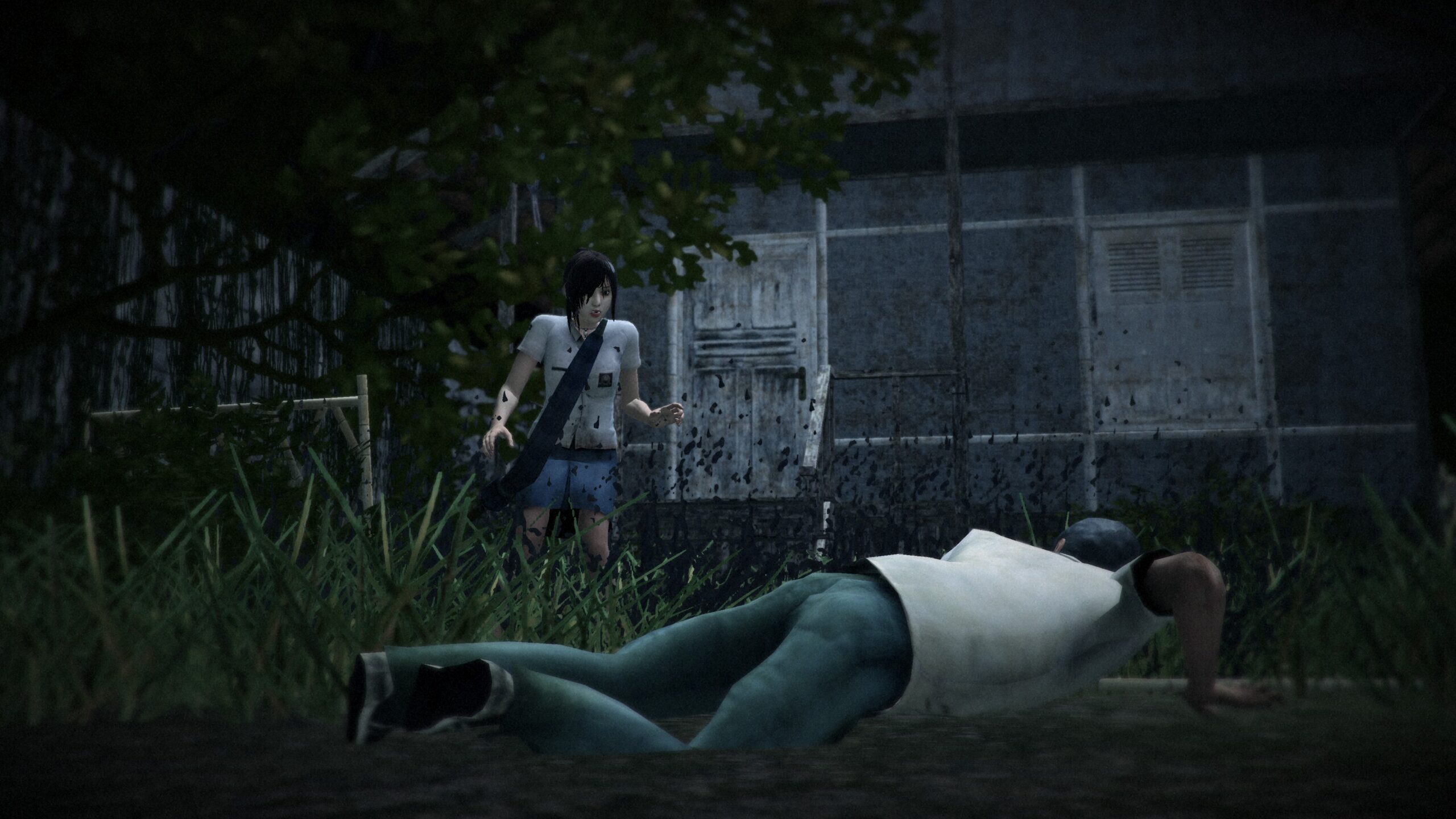
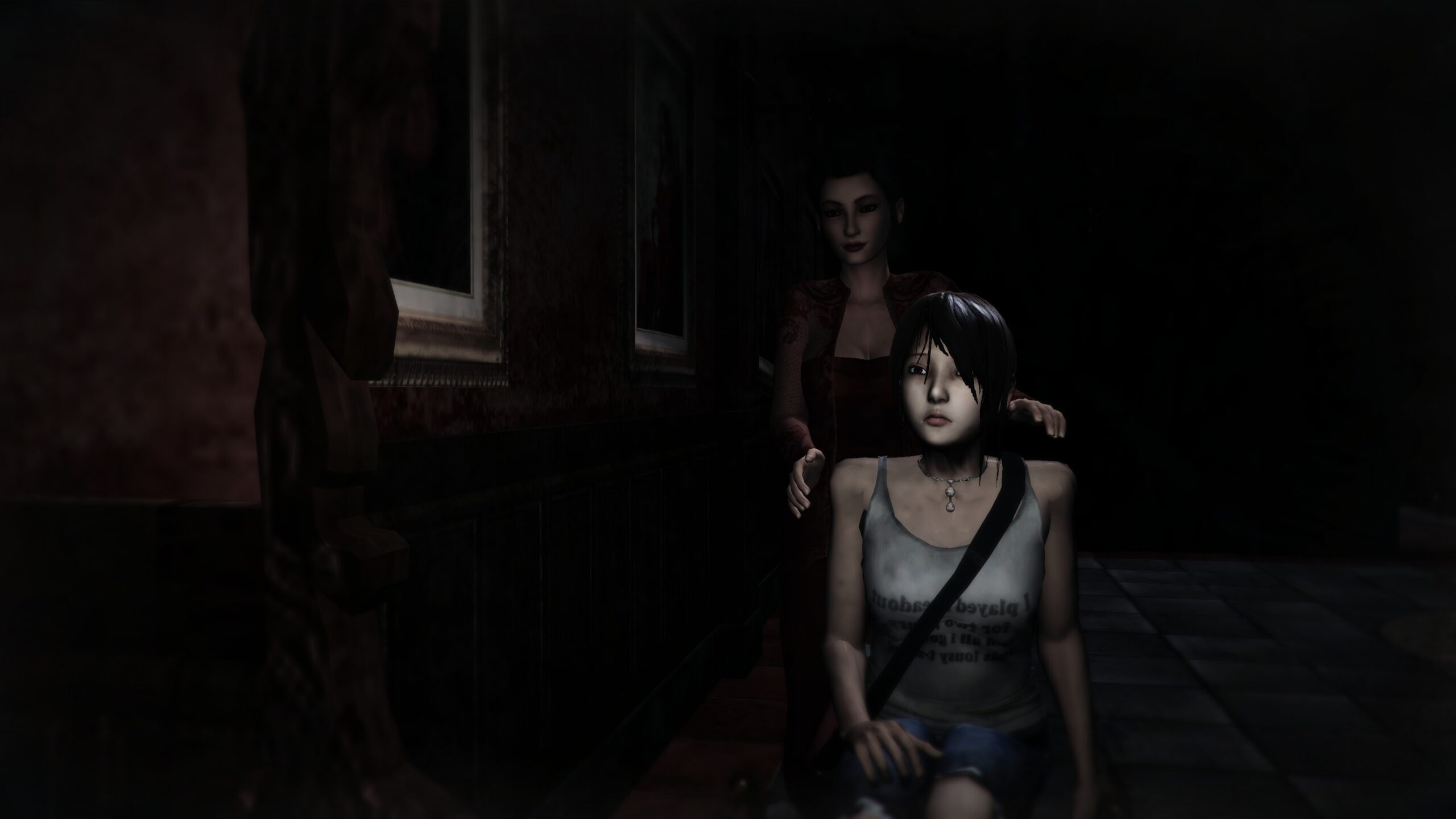
However, DreadOut 2 (2020) marked a fundamental shift in how the game conceptualized the relationship between the player and its spirits. Ghosts were no longer misunderstood entities to be helped, but direct enemies – albeit ones that often expressed regret after defeat. The camera mechanic also changed fundamentally. Instead of functioning primarily as a puzzle tool, it became a strict combat mechanic. Within a very narrow timing window, the screen would glitch when a ghost entered a specific distance or viewing angle. Successfully taking a photo at that exact moment counted as an attack. Charged shots were also added by holding the capture button, but these triggered automatically after a set duration, reducing player control – especially problematic during fast-paced boss encounters where enemies moved erratically.
This leads directly to DreadOut 2’s most significant weakness: its overwhelming ambition. The game desperately needed further fine-tuning of its core systems. Combat felt clunky. At times, the camera struggled to track enemies properly. Linda herself often felt imprecise in movement and orientation. Newly introduced melee attacks lacked accuracy due to the absence of enemy locking. Timed photo captures were extremely difficult to execute given the speed and unpredictable spawn locations of enemies. As a result, the experience frequently felt unfair and frustrating.
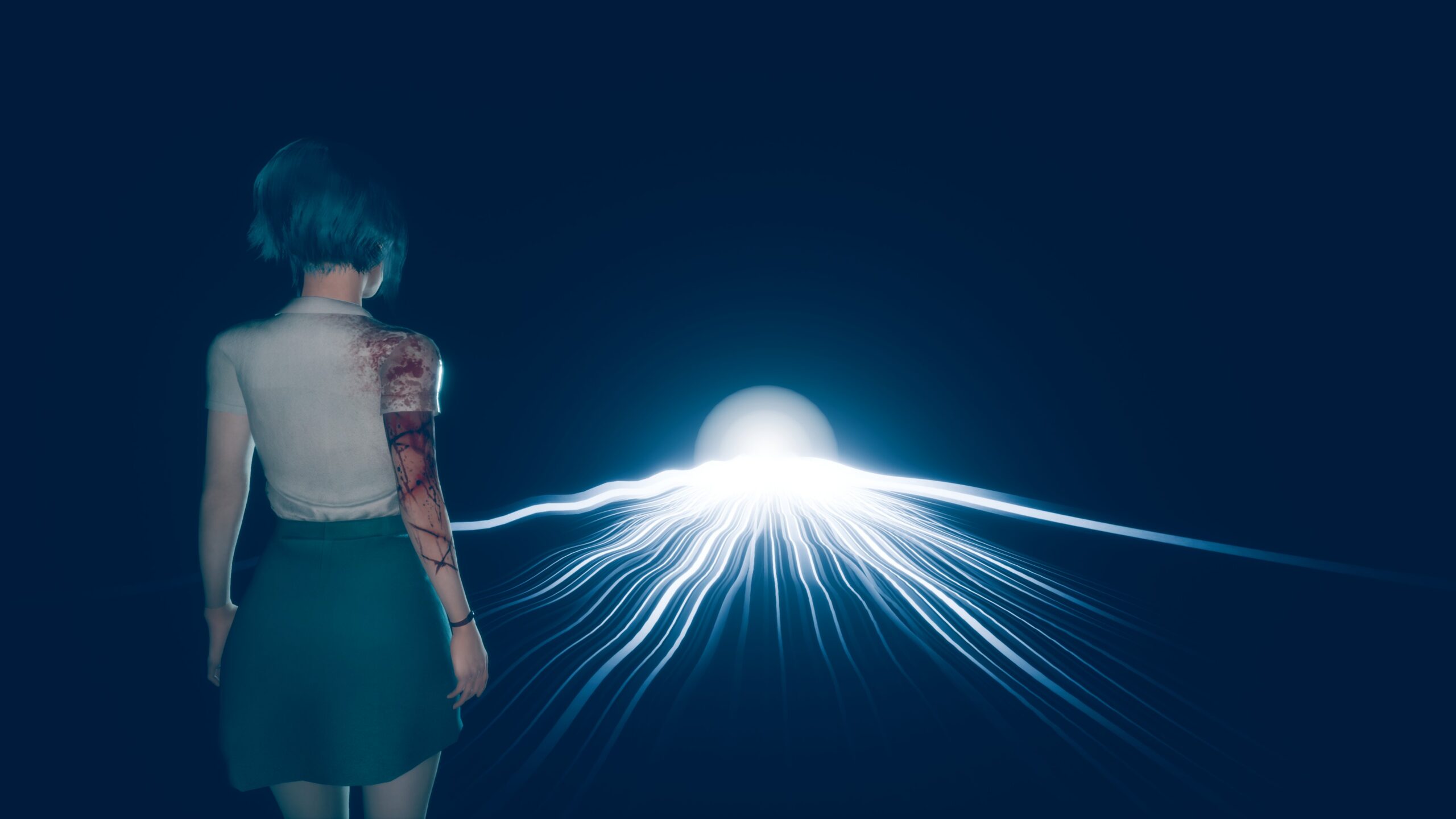
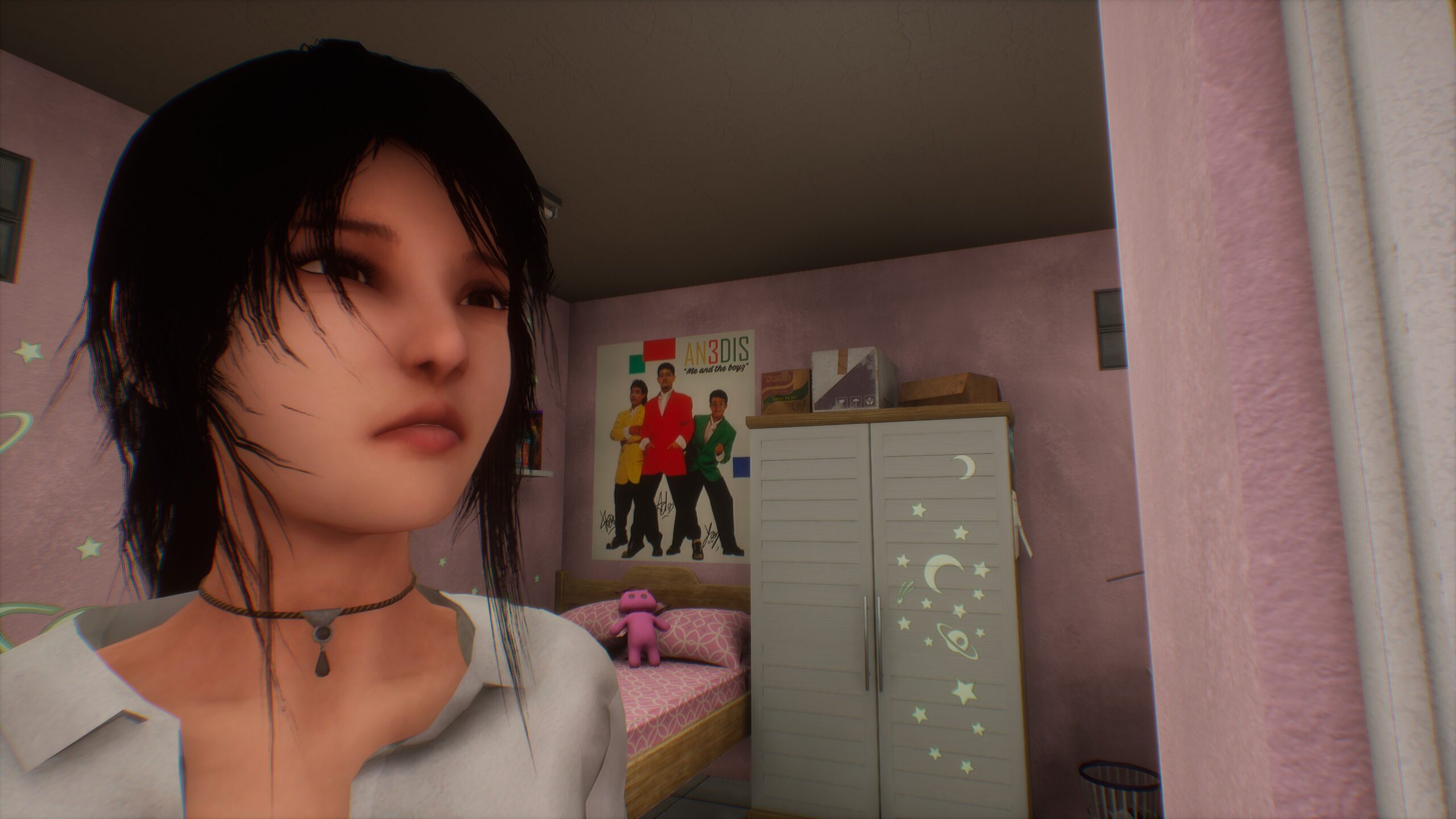
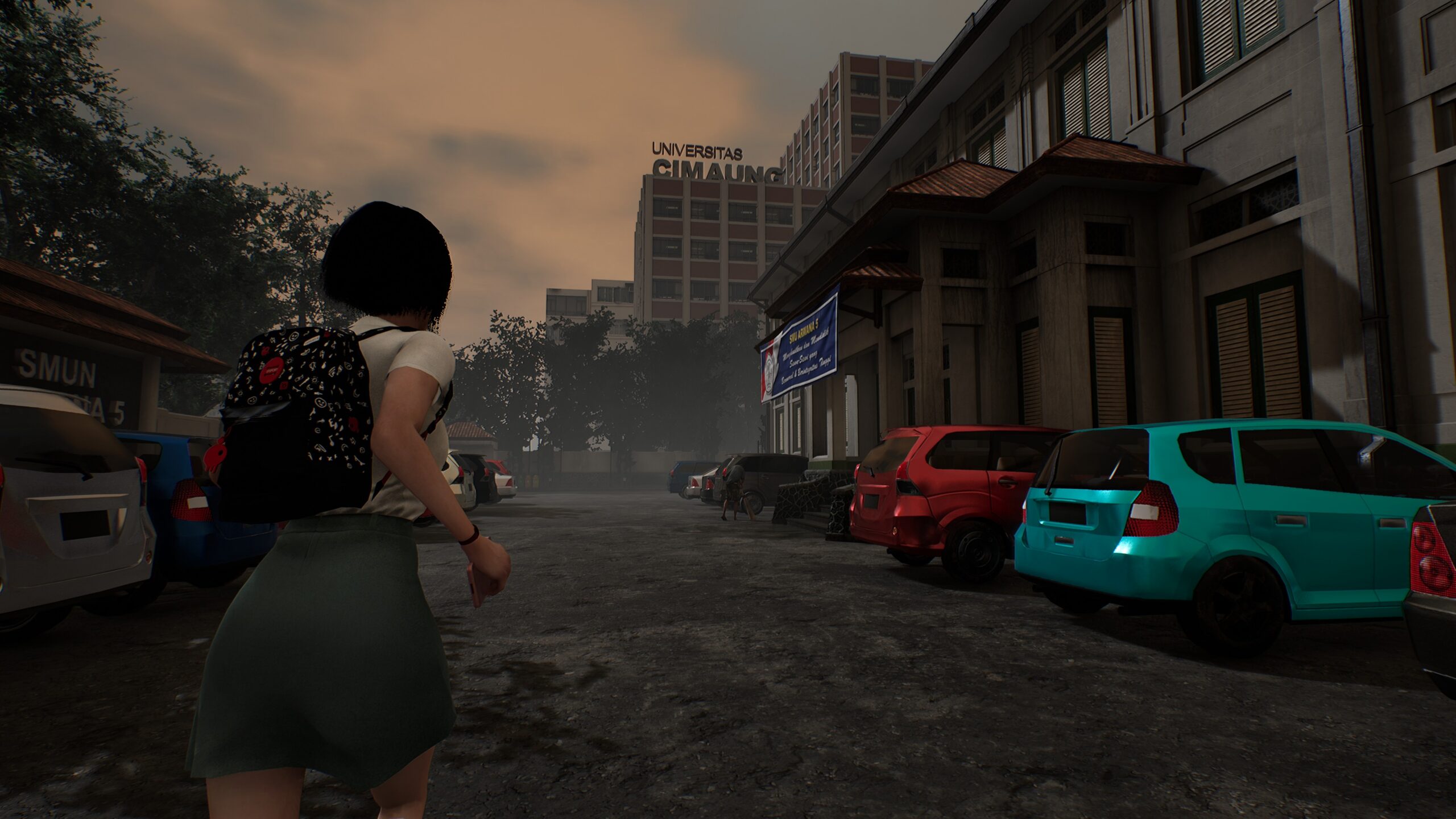
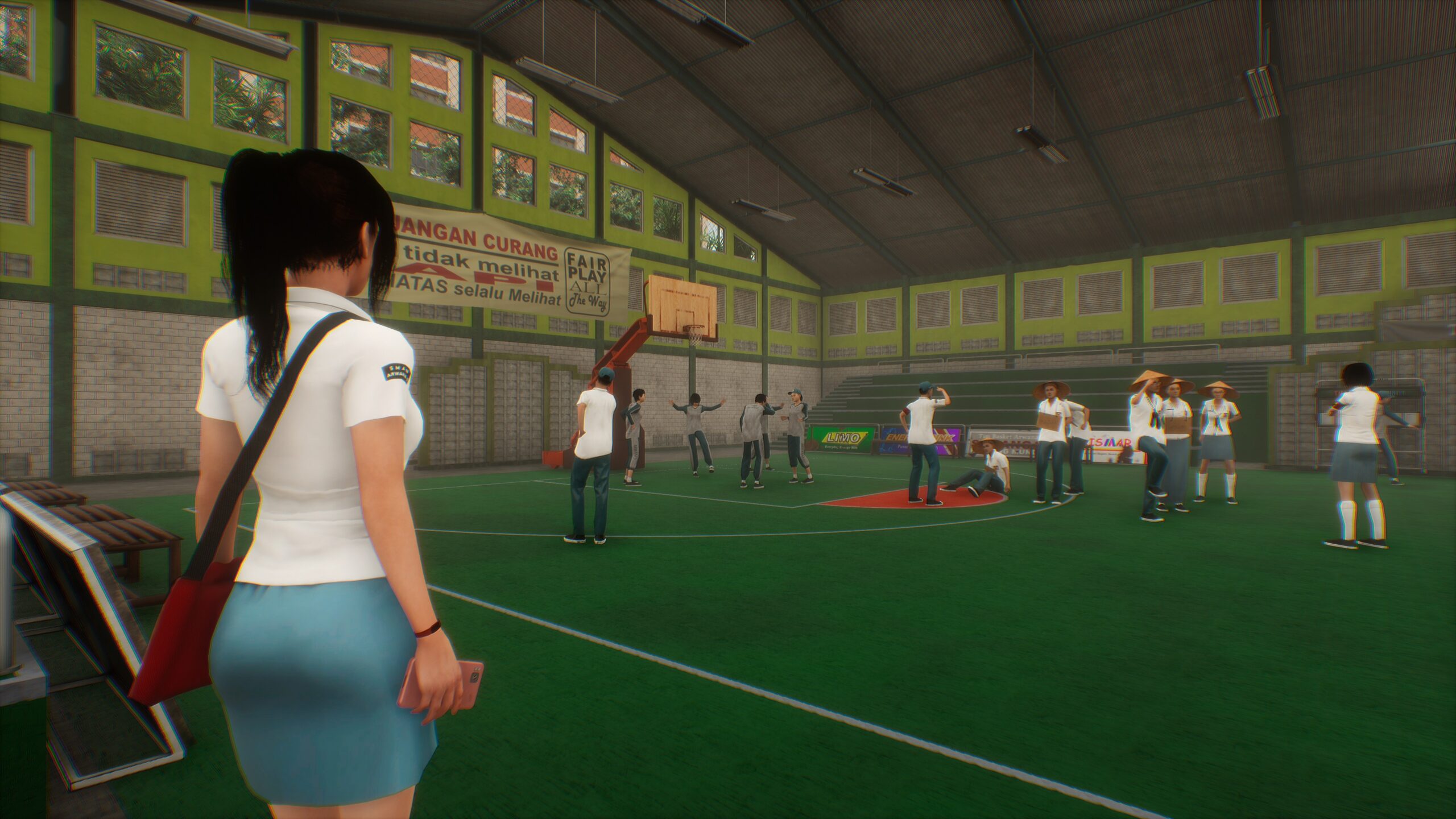
And yet – this is crucial – DreadOut 2 was phenomenal in scope and presentation. Built on Unreal Engine 4, it pushed its graphical capabilities impressively. From schools and city streets to hospitals and hotels, authentically portraying youth subcultures, everyday street conversations, and generational perspectives, everything about the game exudes Indonesia. Few studios – certainly none outside the AAA space – have managed such an authentic, granular representation of Javanese cities, infrastructure, and social fabric.
DreadOut 2‘s visual storytelling also uses Linda’s body as a canvas for its themes: she becomes increasingly drenched in blood, with her right arm progressively deteriorating in a symbolically charged manner until it is entangled in barbed wire by the finale. This transformation – simultaneously tormented and a form of character progression in an increasingly depriving fashion – somewhat reminded me of poor Hinako from Silent Hill f.
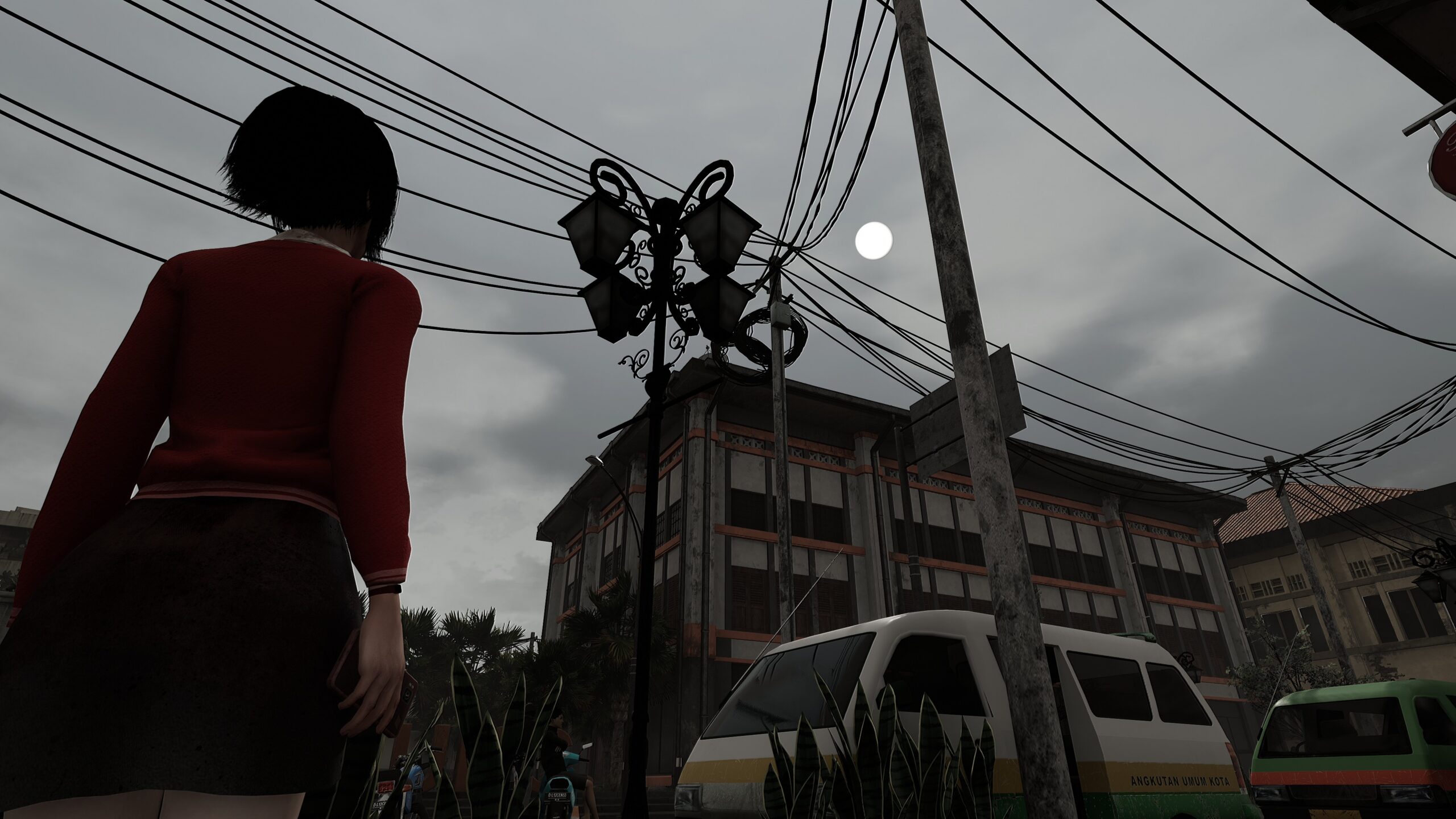
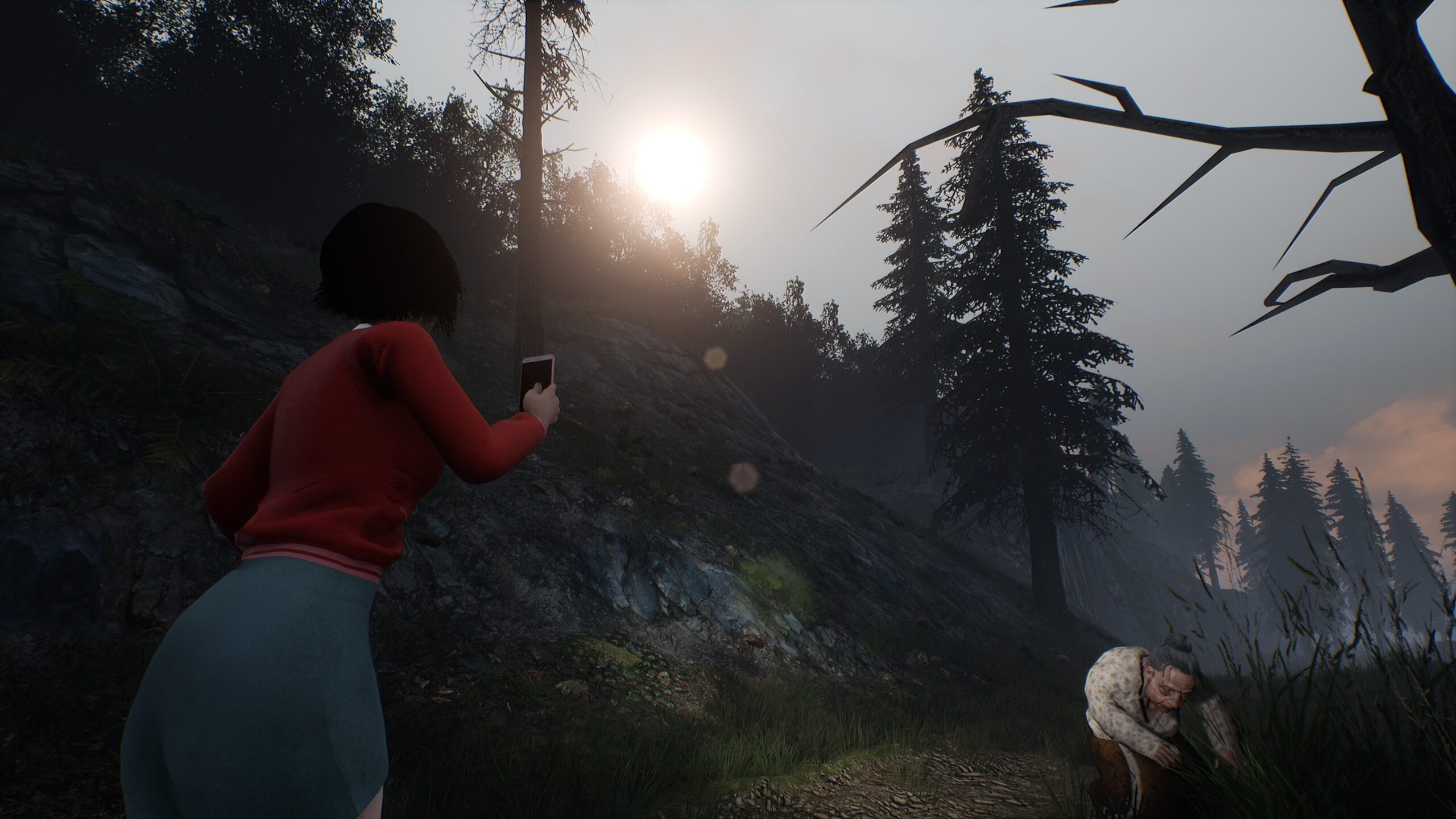

While the combat mechanics in DreadOut 2 clearly draw inspiration from Resident Evil, the encounters themselves play out across a patchwork of horror subgenres. You’ll find yourself in locations that call to mind the claustrophobia of Outlast – particularly the slaughterhouse – before Act 7, ‘Power’, veers into full Lovecraftian territory. One of the game’s most striking moments even bridges the gap to dark fantasy; a boss fight set high in the mountains, preceded by a bone-lined passage that would feel right at home in Elden Ring.
Beyond its genre-bending environments, a sense of eclecticism permeates the series’ music as well. Evidence of this surfaced as early as the first game’s striking OST, which clashed traditional Indonesian music with aggressive metal; however, each subsequent entry has managed to carve out its own distinct and memorable sonic identity.
Ultimately, despite its flawed experiments, the bold and eclectic nature of the DreadOut franchise simply cannot be ignored. It is undeniably hit-or-miss – but that volatility is also where its beauty lies. That is precisely why I am genuinely curious about what DreadOut 3 will bring us in 2026. Will the developers double down on risky, high-stakes combat? Will the focus shift back toward puzzles or pure atmosphere? Will we see even more of the breathtaking Indonesian archipelago? As for what we know, in the upcoming sequel, Linda will be 17, and the game returns to its roots, featuring more Asian urban legends and her signature journey through interdimensional threats.
Thus, I am more than willing to give DreadOut 3 a chance at redemption. There has always been too much beauty in the lens to focus solely on its smudges.
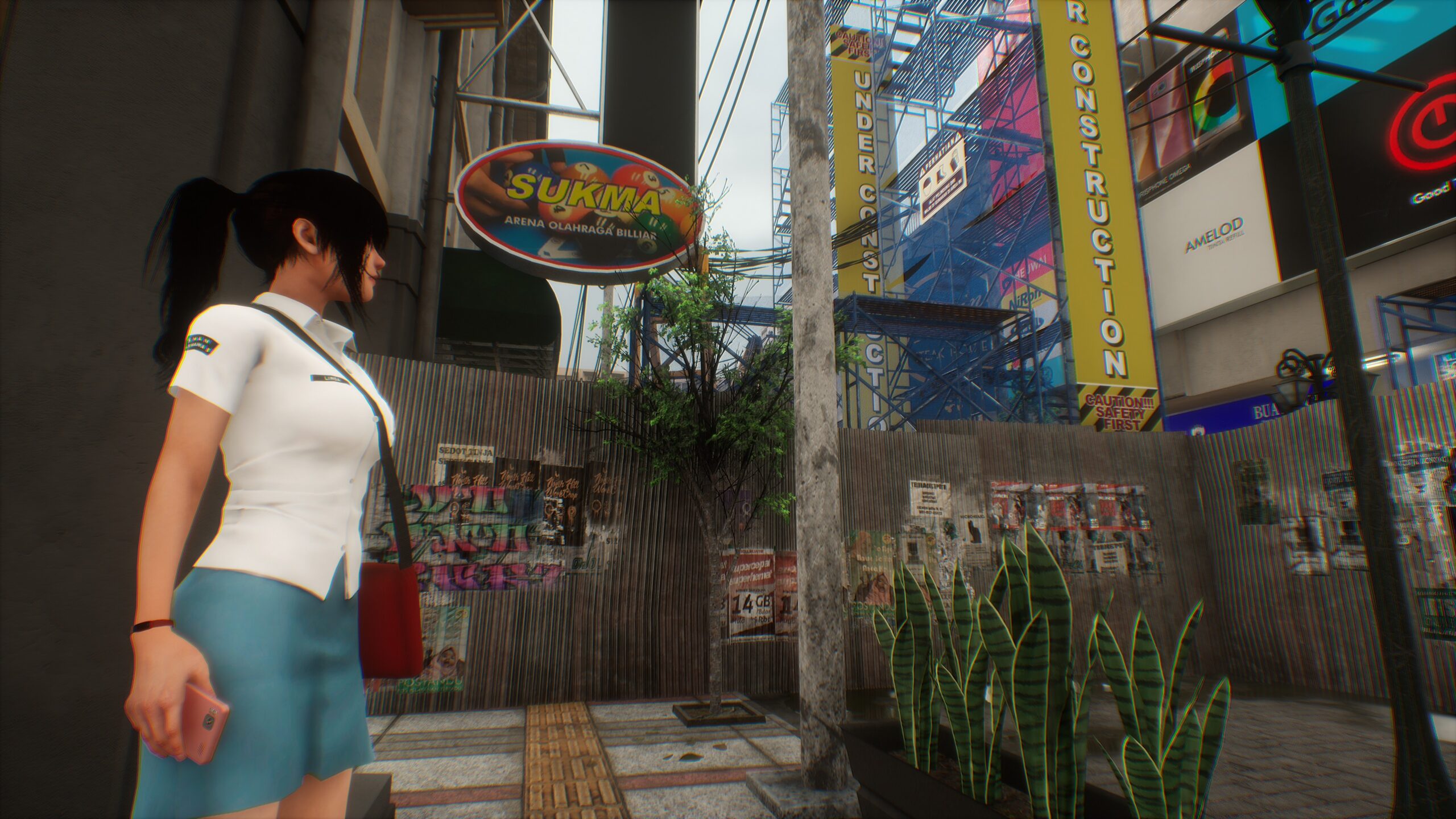
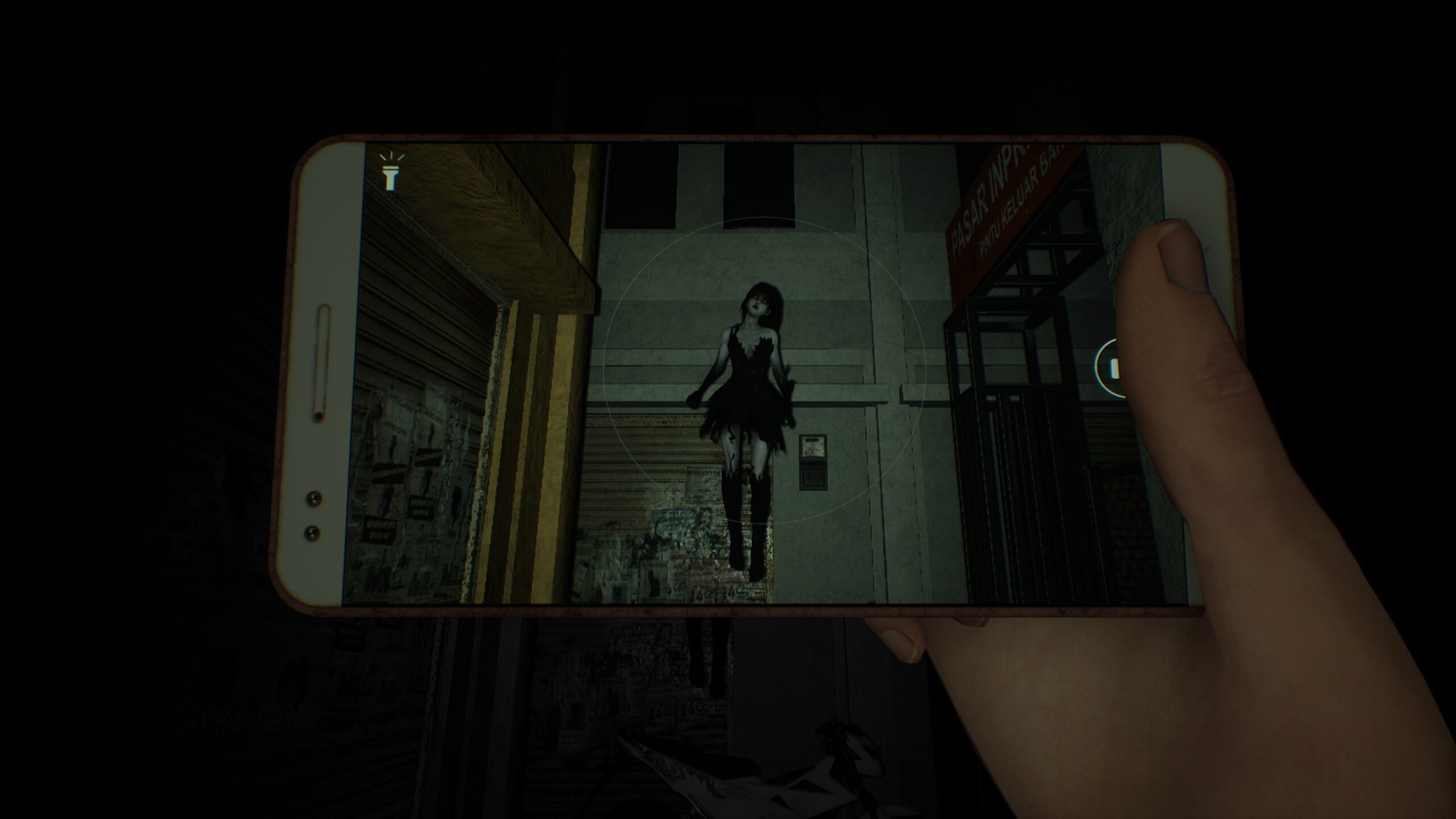
Dreadout 3 Trailer IGN | Horror Game Awards 2025
Additional Information
Release Date: 2026
Coming To: PC (Steam, Epic Games Store), PlayStation 5, Xbox Series X|S
Developer: Digital Happiness
Publisher: Digital Happiness
Website: https://www.digitalhappiness.net