DaRmaZat
 In 2149 AD, Year 7 of the Apocalypse, the Earth lies in ruins. Lunar fissures spill endless swarms, the Hive’s neural network pulses like a grotesque heart beneath the crust, and humanity’s last stronghold—Dawn Station—barely flickers behind failing shields. From here, the 127th and final counterattack begins. Star Fire: Eternal Cycle takes this grim backdrop and channels it into a roguelite arcade side-scroller that feels equal parts old-school chaos and modernized action polish.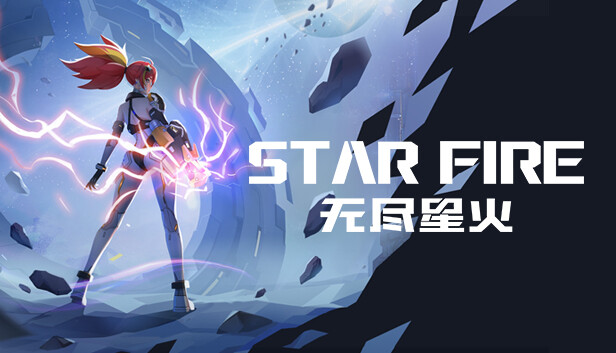
Ethereal Fish Studio’s debut project has steadily evolved, culminating in a larger Steam demo that launched in August as part of a recent playtest campaign. Blending lightning-fast side-scrolling combat with branching roguelite runs, it wants to capture the immediacy of arcade pick-up-and-play while layering in the addictive “just one more try” progression loop.
Shards of Story in a World of Ruin
The worldbuilding of Star Fire is mostly kept to the background, delivered in fragments through memory chips you collect between fights. These scraps hint at humanity’s collapse under the Hive, the siphoning of planetary energy into lunar forges, and the desperation of Earth’s final heartbeat.
But Star Fire is absolutely not a narrative-driven game, and even the heroine’s name is never revealed—it’s a series of compact arenas stitched together with a vague thematic accent. Your role as humanity’s last gauntlet-wielding fighter is more context than ongoing drama. The real storytelling comes from the chaos you carve across Hive territory.
Fists, Flamethrowers, and Frenzy
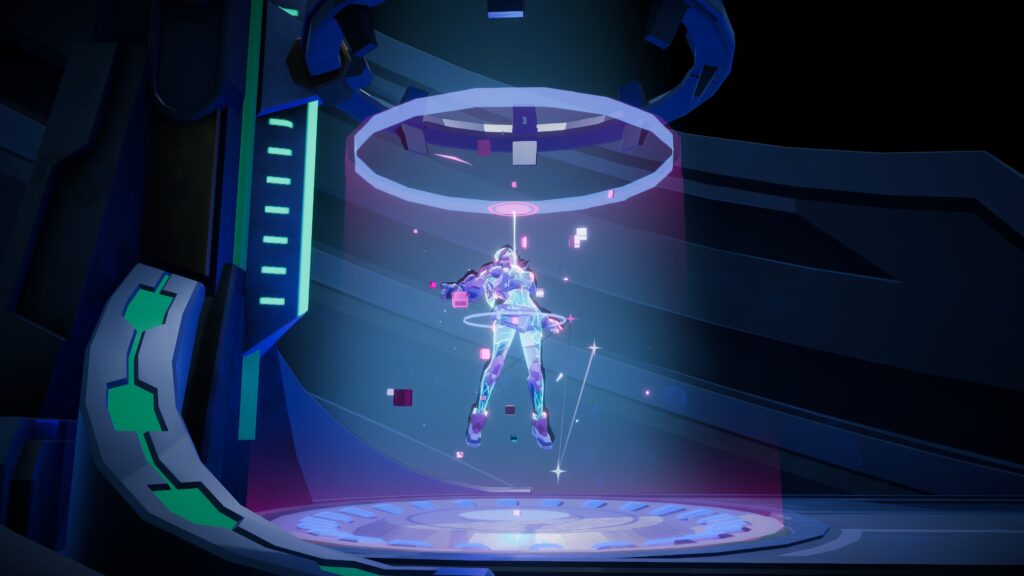
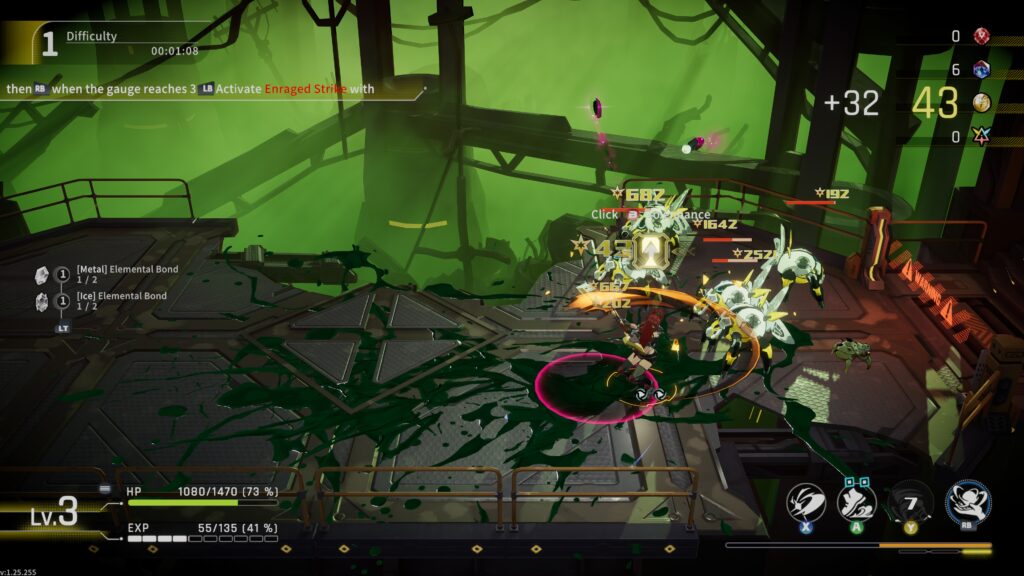
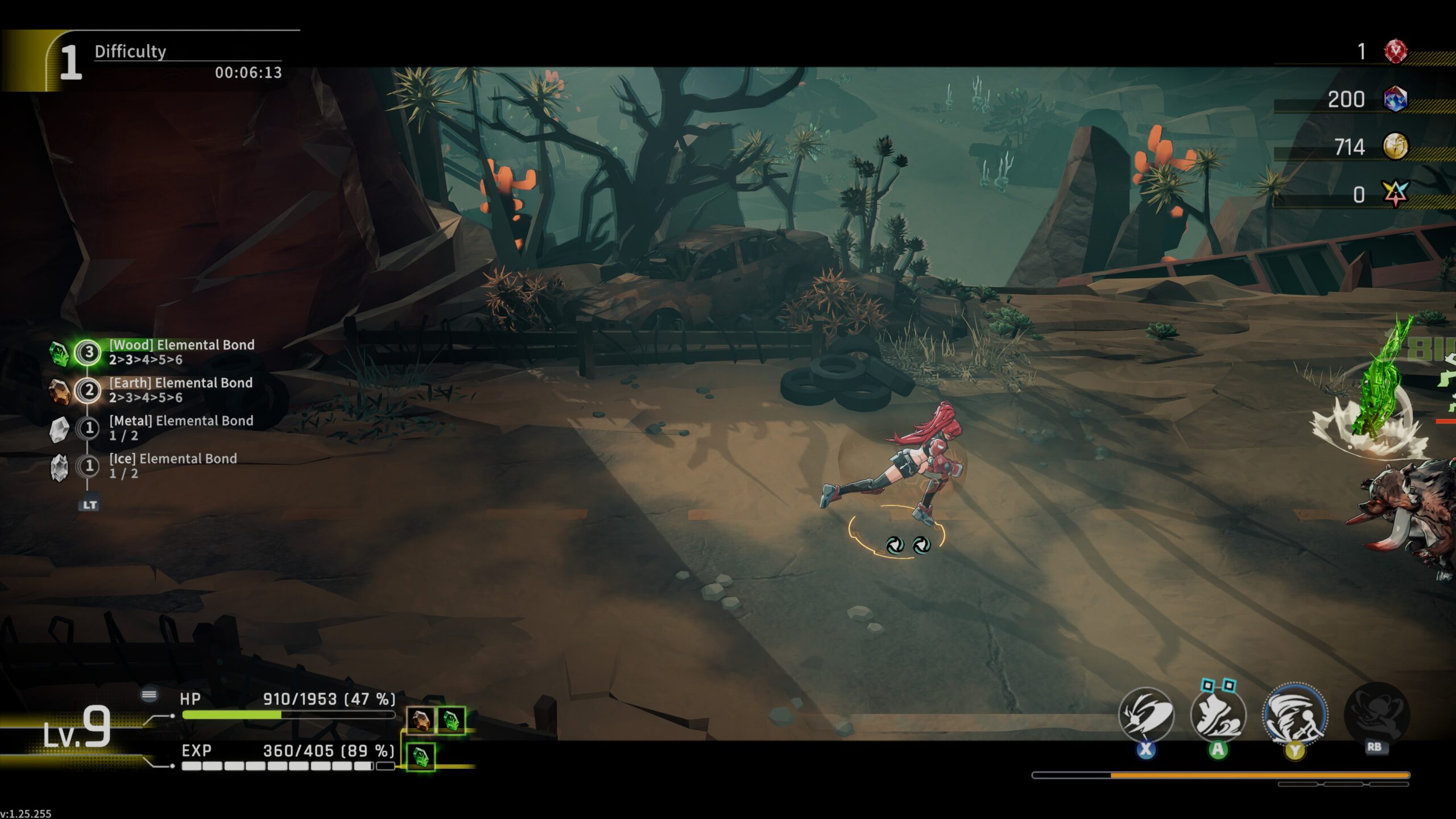
Star Fire‘s combat begins simply—a light attack, a dash to dodge danger, and a heavy strike on cooldown that functions as at least a half-screen-wide special attack. But layers pile up fast. Having plundered and shopped extensively, you can suddenly weave in rage attacks, unleash chained button-sequence moves based on your gauge level, and slot in perks that alter speed, cooldowns, or specific elemental damage. It’s flashy, immediate, and designed to punish hesitation.
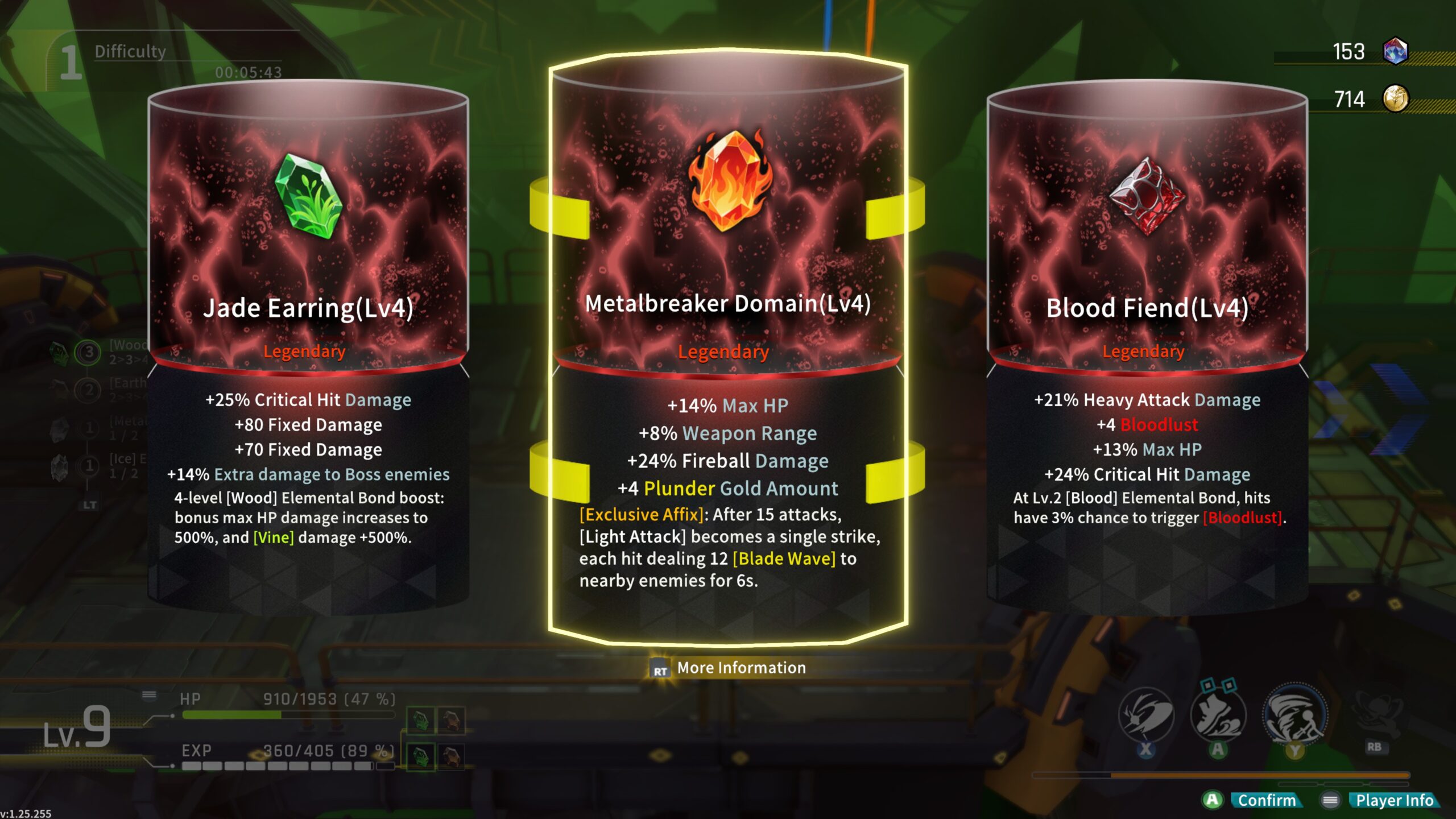
Weapons range from iron gloves to axes, flamethrowers, hammers, and so on, all accessible from your base before launching into a run. Each weapon links to elemental modules, the game’s central progression system. Enemies drop items, chests, and power components, and at each juncture you select one of three available perks. Installing these core modules expands your build with perks and drawbacks, encouraging elemental synergies. Beyond raw power, they can boost armor, tweak abilities, or unlock rare enhancements that feel almost like mini-classes within the run.
Every failed run feeds back into the base, where blue gems enhance permanent Talents and nudge you further toward overpowered builds. And every victory unleashes a new flood of randomized possibilities.
From the Fallout Shelter to the Space Station
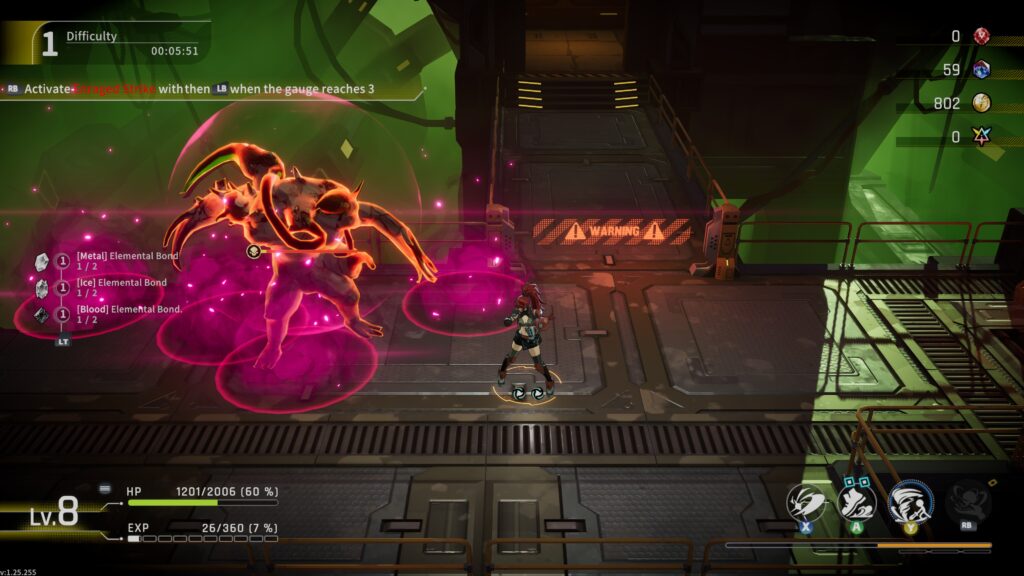
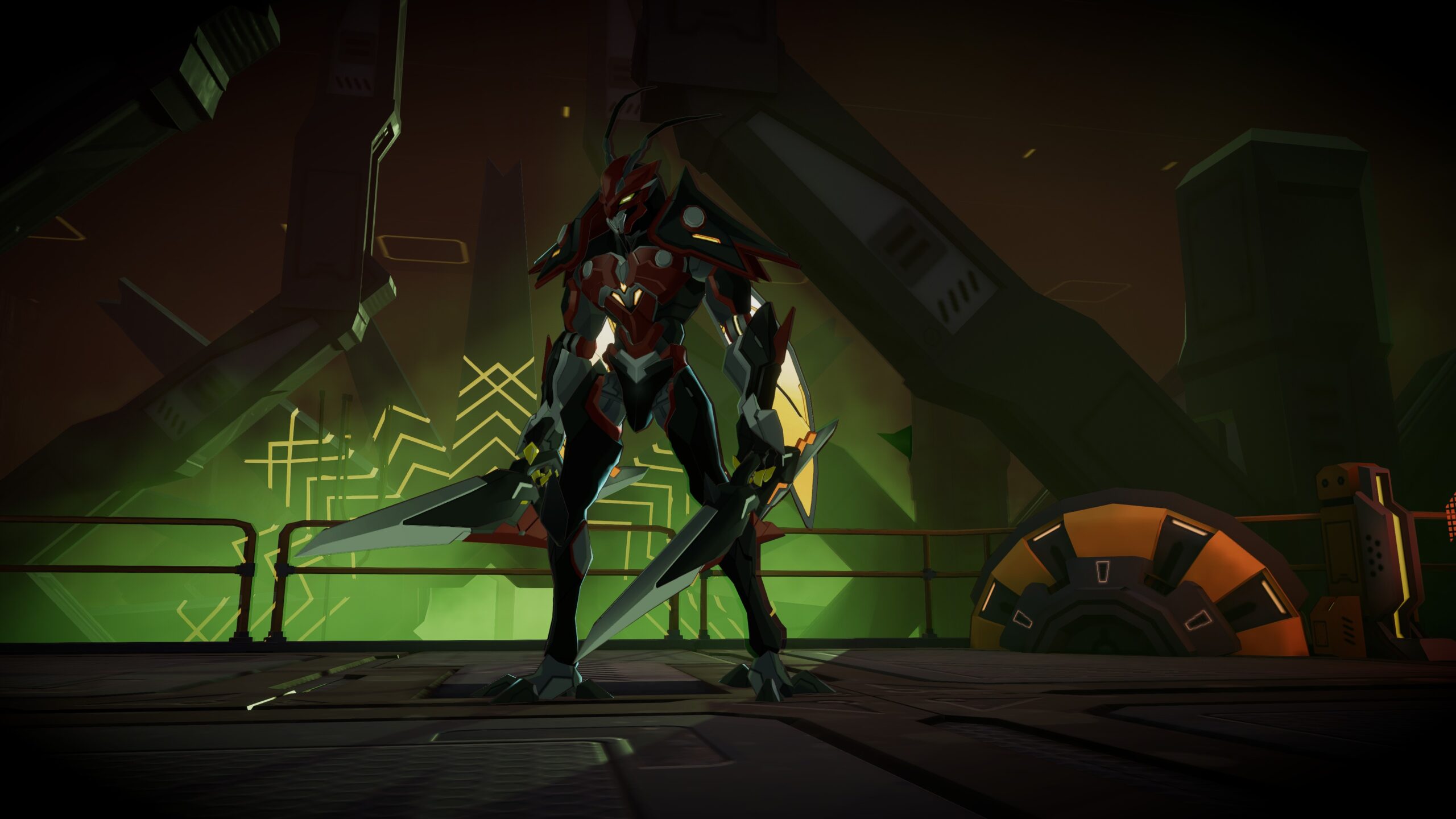
Star Fire‘s arena design—short, straightforward side-scrolling stages—adds to the chaos. After clearing the area, you choose your next battle based on visible risks and rewards—treasure hunts, cursed zones, mirror battles against your own clones, elite-infested and boss arenas, or leave to the shop hub where gold coins buy crafting, reforging, or synthesis of elemental cores.
The randomization keeps runs unpredictable, while the environments shift enough visually to make every playthrough feel distinct. You’ll start in bunker-like fallout shelters, then push into scorched deserts, molten volcanoes, icy wastelands, and finally sterile space stations. Each zone comes alive with a flood of color: radiant beams, purple lightning scrawled across the horizon, and particle-heavy strikes filling the battlefield. It’s anime-inspired in its exaggeration, leaning on saturated palettes and big special effects to keep energy high. All cutscenes are sharply drawn and carry that same flair, injecting a splash of spectacle between the bouts of chaos.
On The Pulse of the Fight
If the visuals are busy, the audio keeps pace. Star Fire‘s soundtrack leans into pulsating synthwave, occasionally drifting toward heavier beats when bosses arrive. It adds just the right tension and, at its peak, perfectly syncs with the on-screen intensity.
Star Fire: Eternal Cycle also runs rock-solid, handling floods of enemies, particle effects, red danger zones, and elemental blasts without dropping frames. The anime-inspired visuals are flashy and energetic, but the sheer density of overlapping effects—red circles signaling enemy attacks, elemental explosions, cooldown cues, and background storms of purple lightning—can sometimes make it hard to track smaller enemies or projectiles. It’s a chaotic spectacle that fits the game’s over-the-top energy, though at times that very spectacle can challenge precision.
Final Thoughts
Star Fire: Eternal Cycle‘s arenas are loud, its visuals overwhelming, and its systems occasionally too messy for their own good—but it’s also relentlessly hard to put down. Ethereal Fish Studio clearly understands the hook of roguelite action: make every run unpredictable, rewarding, and just short enough that starting over feels less like punishment and more like temptation.
It may not have sprawling lore or carefully balanced storytelling, but for players who love arcade chaos, anime-styled flash, and the thrill of growing from fragile fighter to unstoppable force, the Eternal Cycle is one well worth embracing.
Additional Information
Release Date: Sep 8, 2025
Reviewed On: PC. Download code provided by the publisher and PR agency.
Developer: Ethereal Fish Studio
Publisher: Indie Herb Games
Relevant links: Star Fire: Eternal Cycle on Steam