DaRmaZat
 Managing your time is often the defining constraint when it comes to getting the job done across countless professions, whether you are orchestrating operations from a managerial perspective or executing tasks on the ground. Efficiency, prioritization, and decision-making under pressure can determine success or failure.
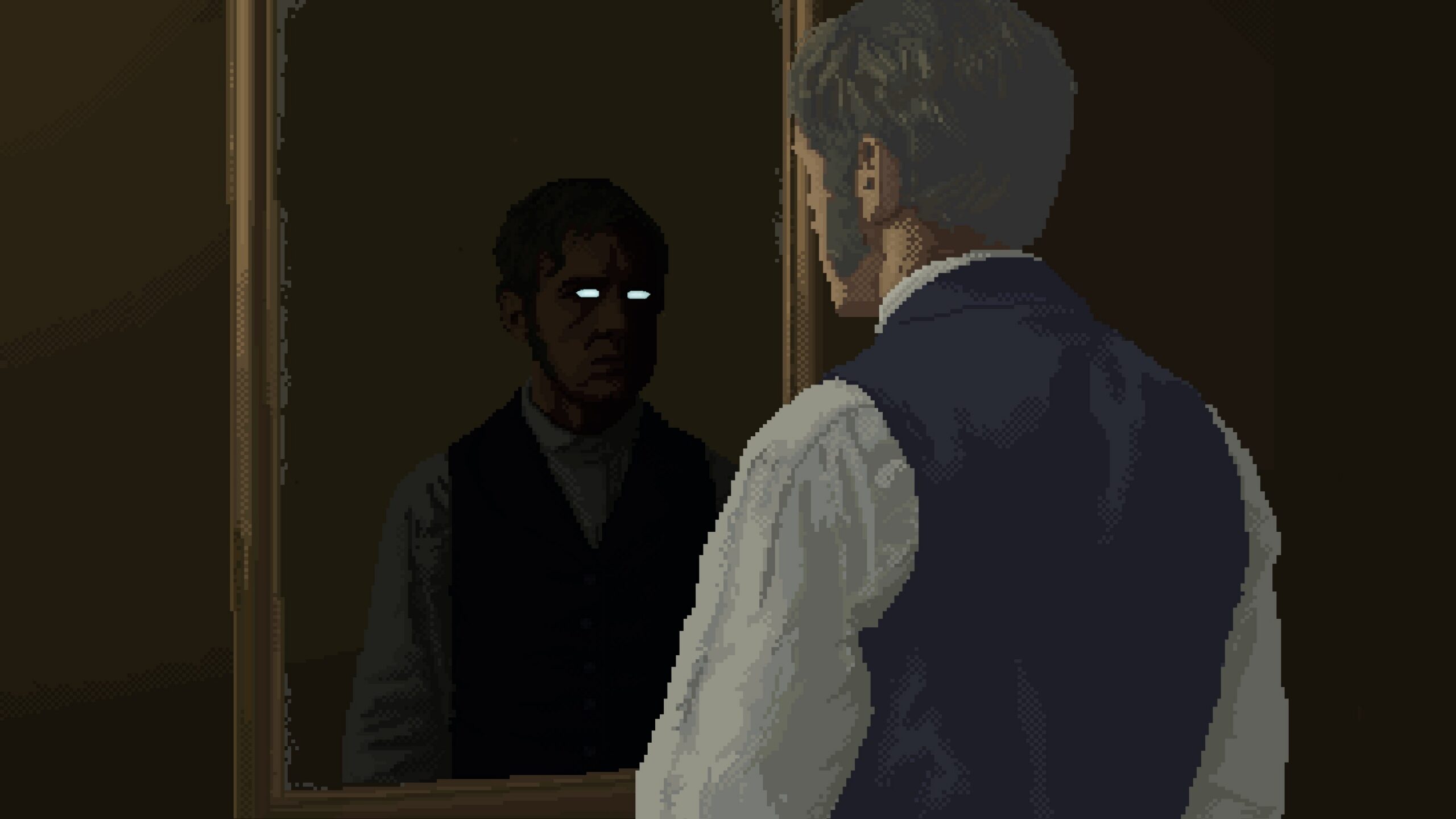
That very principle lies at the core of Cult Vacui, a point-and-click survival horror puzzle game released on April 9 for PC. Set against a grim late 19th-century backdrop, the game blends methodical puzzle-solving with relentless time pressure, where every action carries weight and every second can tip the balance between survival and doom.
A Desperate Pact With Darkness
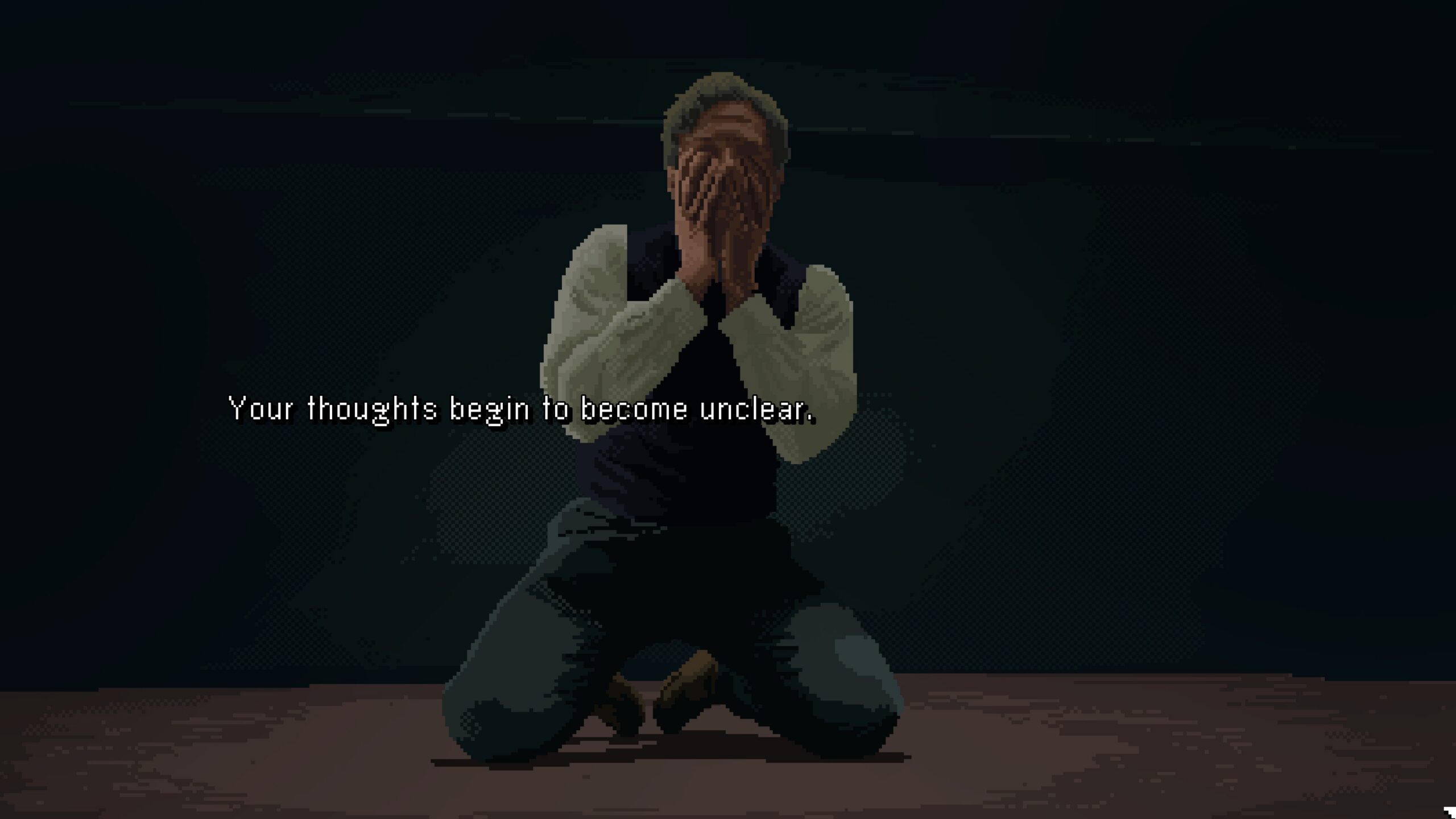
Cult Vacui opens with a striking cutscene that immediately establishes its bleak tone. You step into the shoes of Henry Gladstone, a man who has fled his family estate in Sussex after yet another bitter conflict. Estranged from a deeply disturbed lineage that views him as expendable, Henry carries a far greater burden: a demon inhabiting his body, the result of one of his family’s twisted rituals. This entity has already driven him to acts of violence and corruption, forcing him into hiding in a grimy inn on the outskirts of London.
Desperate to rid himself of the entity and reclaim his life, Henry is granted a final window of opportunity. The demon allows him a brief reprieve before taking full control, giving him just 25 minutes to perform a ritual that could exorcise it. What follows is a tense race against both the clock and the entity within.
Every Second Counts
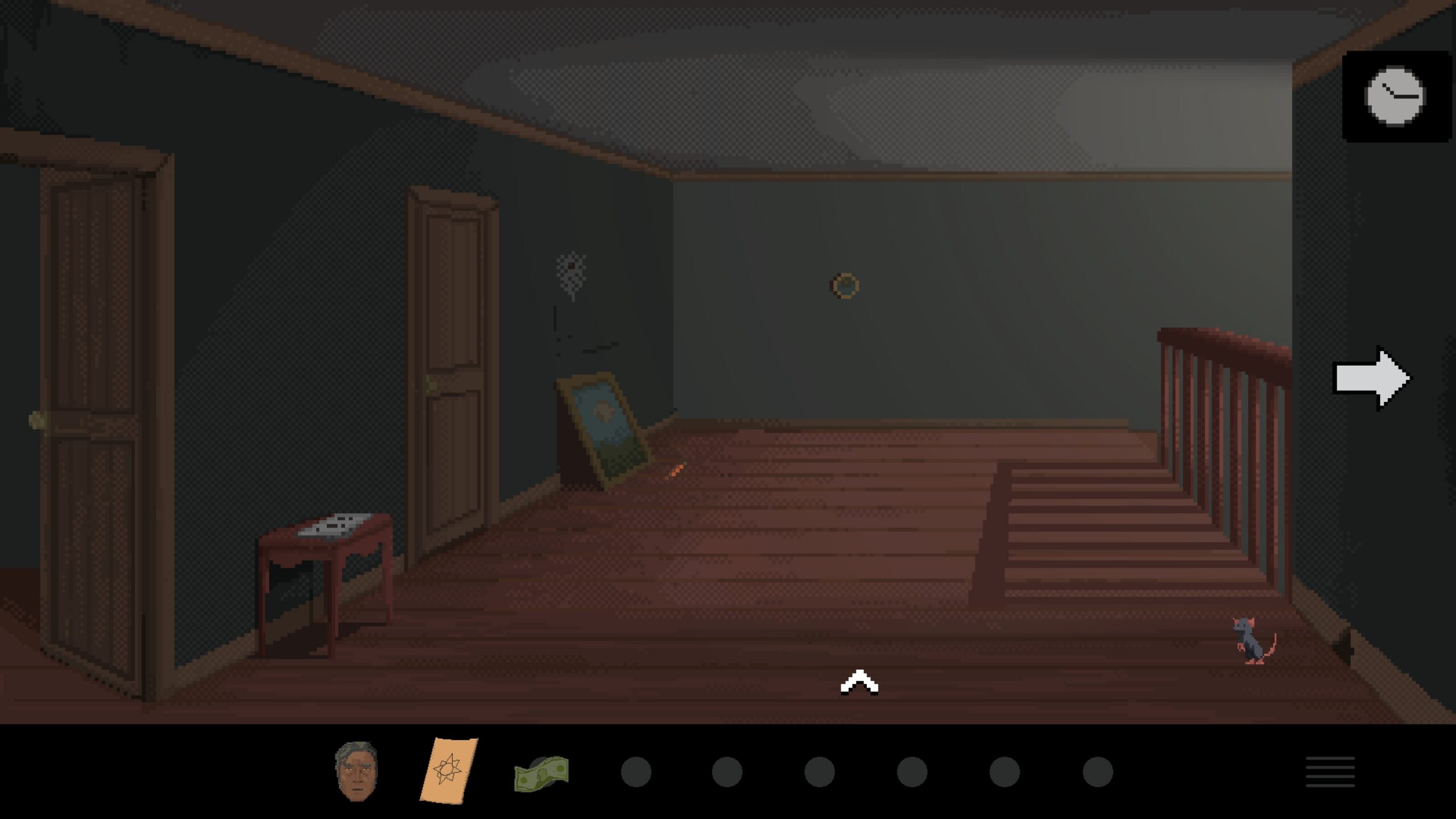
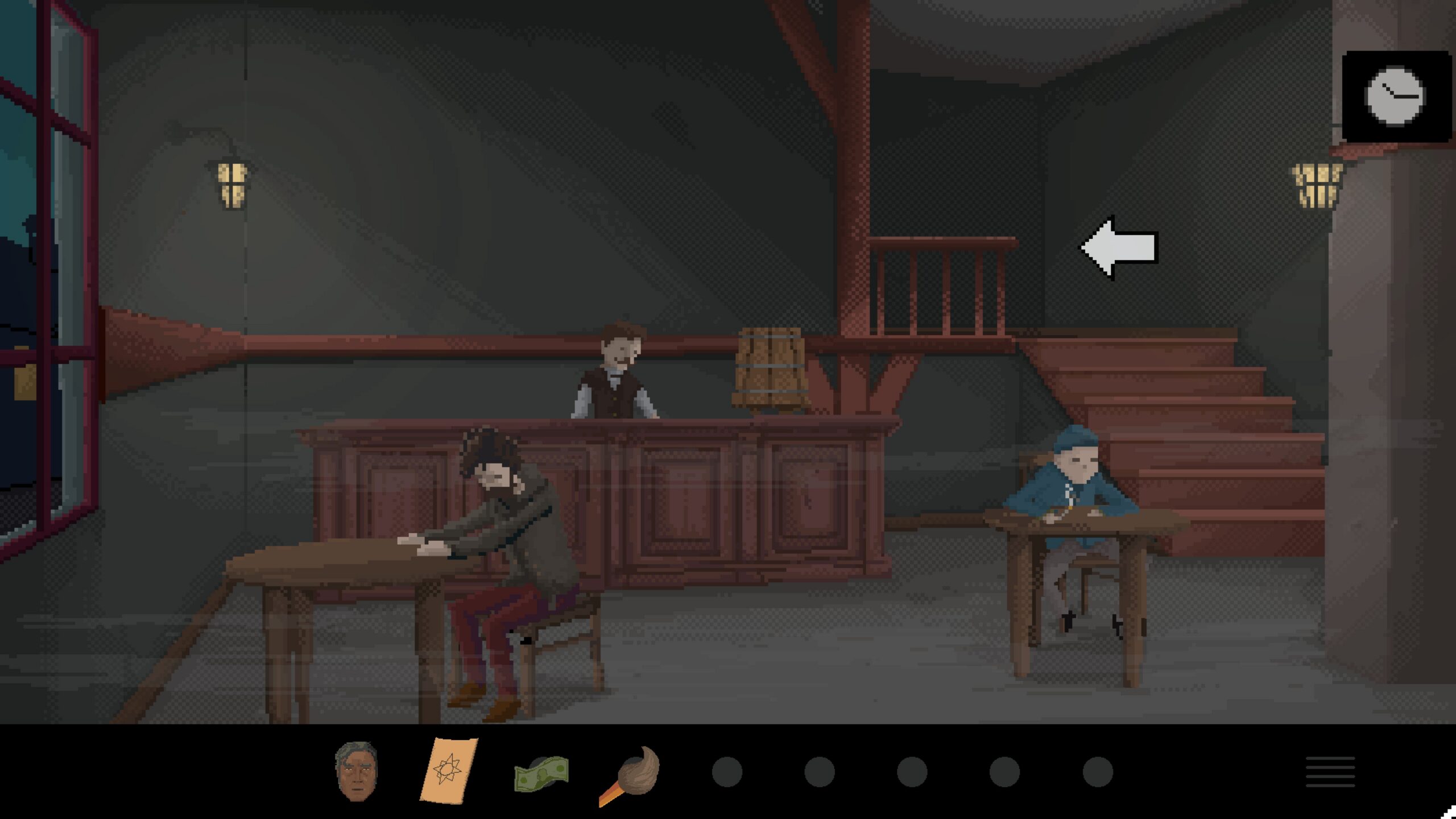
As noted, time management isn’t just one of the mechanics here, it underpins the entire experience. A constantly ticking clock reminds you how little room for error you have, and every action, whether it is movement, interaction, or puzzle-solving, consumes precious minutes. Within the confined space of the inn, you gather items, interact with characters, and piece together the necessary steps to complete the ritual.
NPCs are willing to help, but rarely without demanding something in return, creating a chain of dependencies that forces careful planning. The accumulation of objects and clues gradually reveals the layered structure of the game’s puzzles, emphasizing logic and efficiency over reflexes. It soon becomes clear that Cult Vacui is a methodical, narrative-driven puzzle experience where observation, investigation, and sequencing are paramount.

From Ritual to Survival
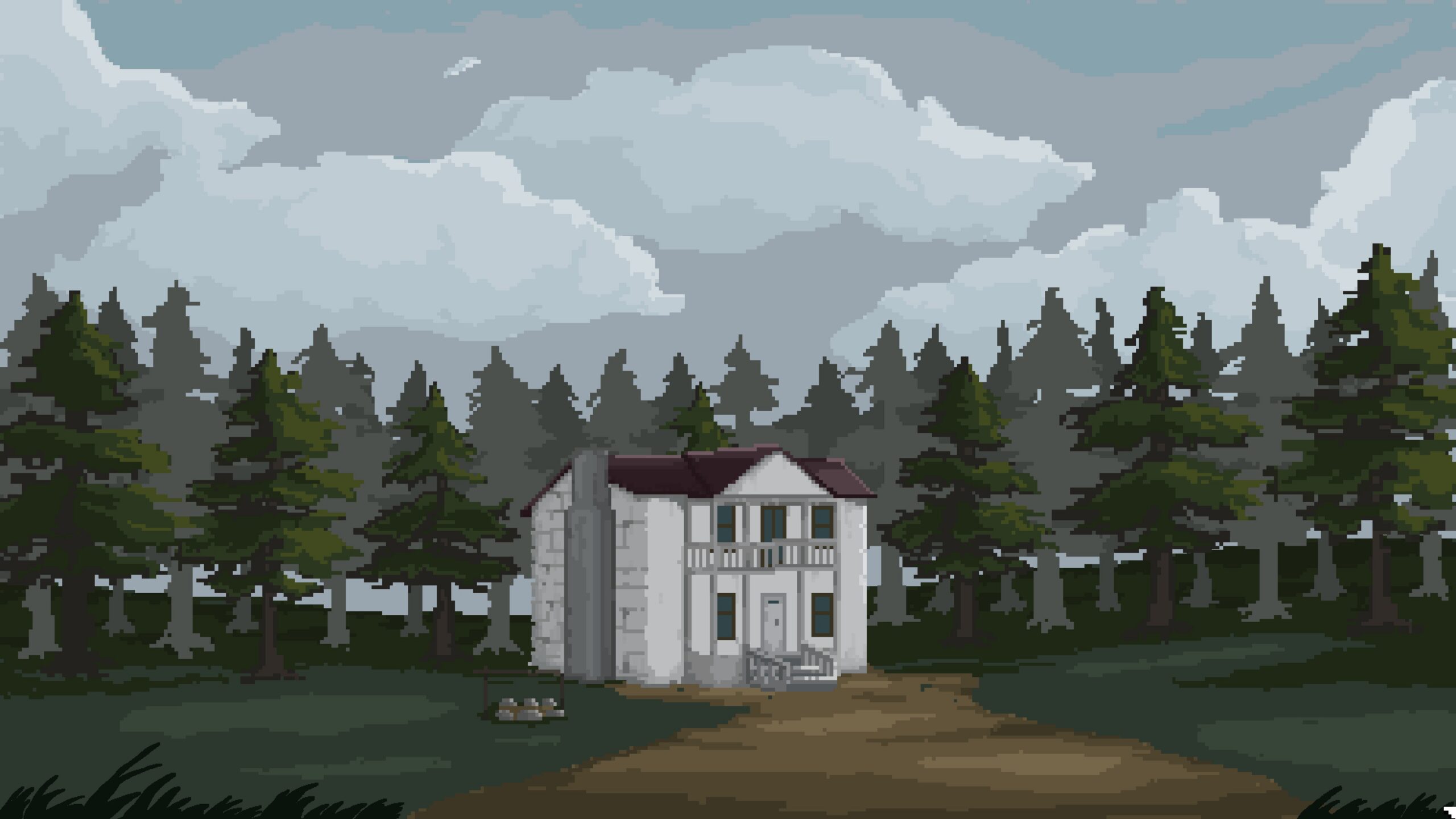
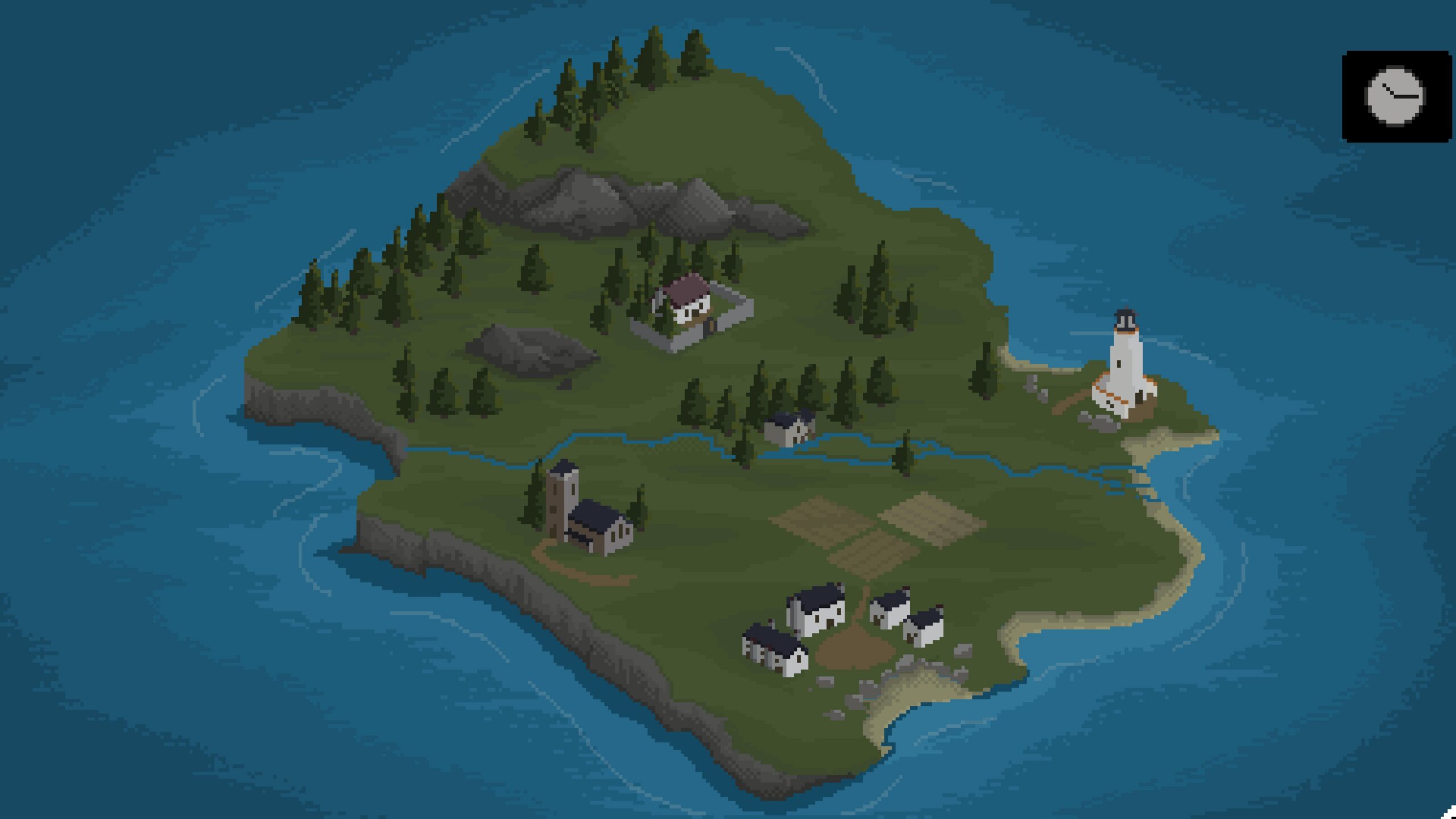
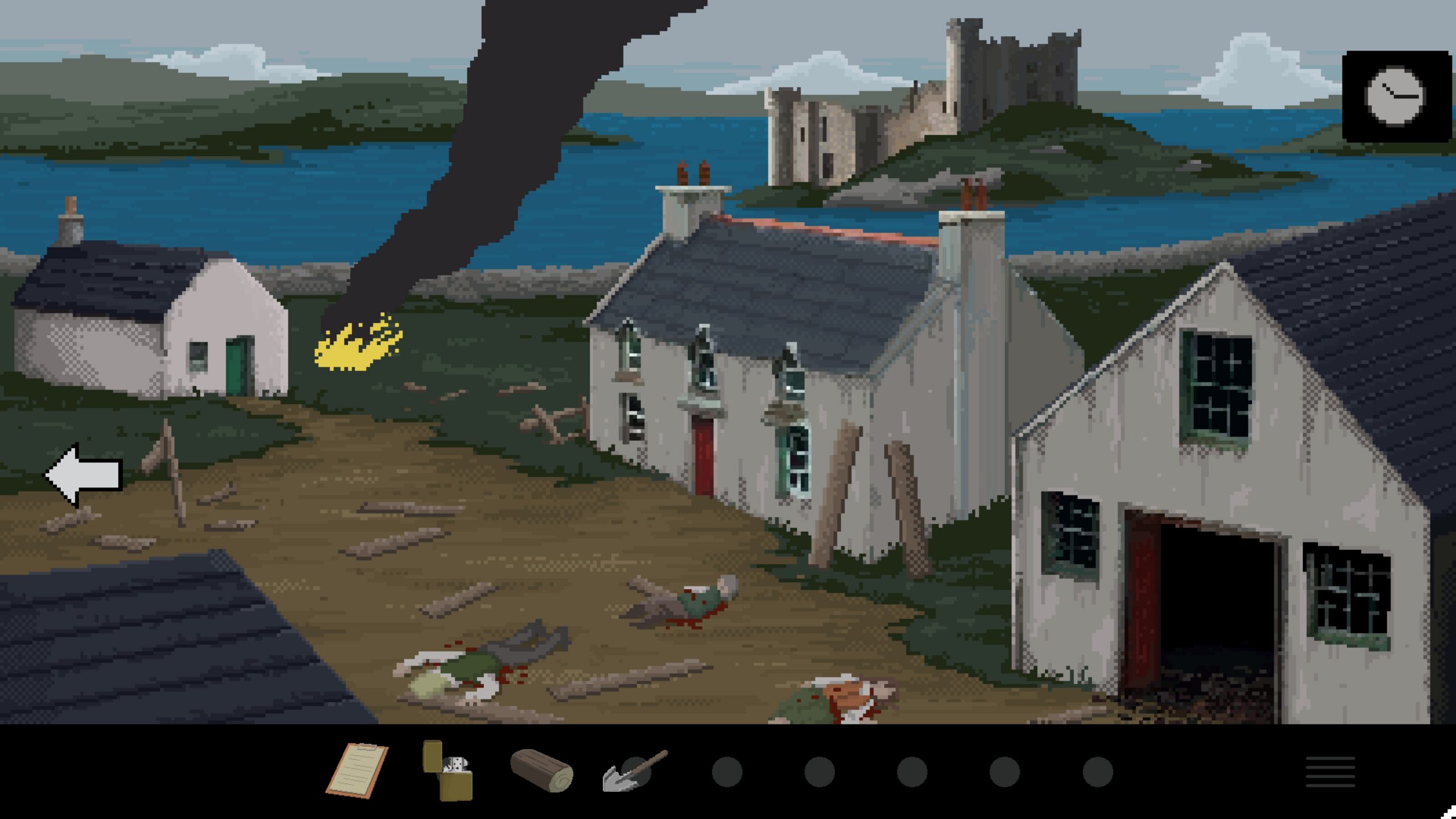
After pushing through the opening act, the story shifts forward in time and transports you to the remote Isle of Barra in Scotland. The core concept remains intact, yet the significantly elevated stakes and expanded scope introduce what initially feels like a separate storyline. Survivors are few after a murderous cult wiped out most of the island’s population. Worse still, the perpetrators intend to return and finish what they started, with Henry now among their targets.
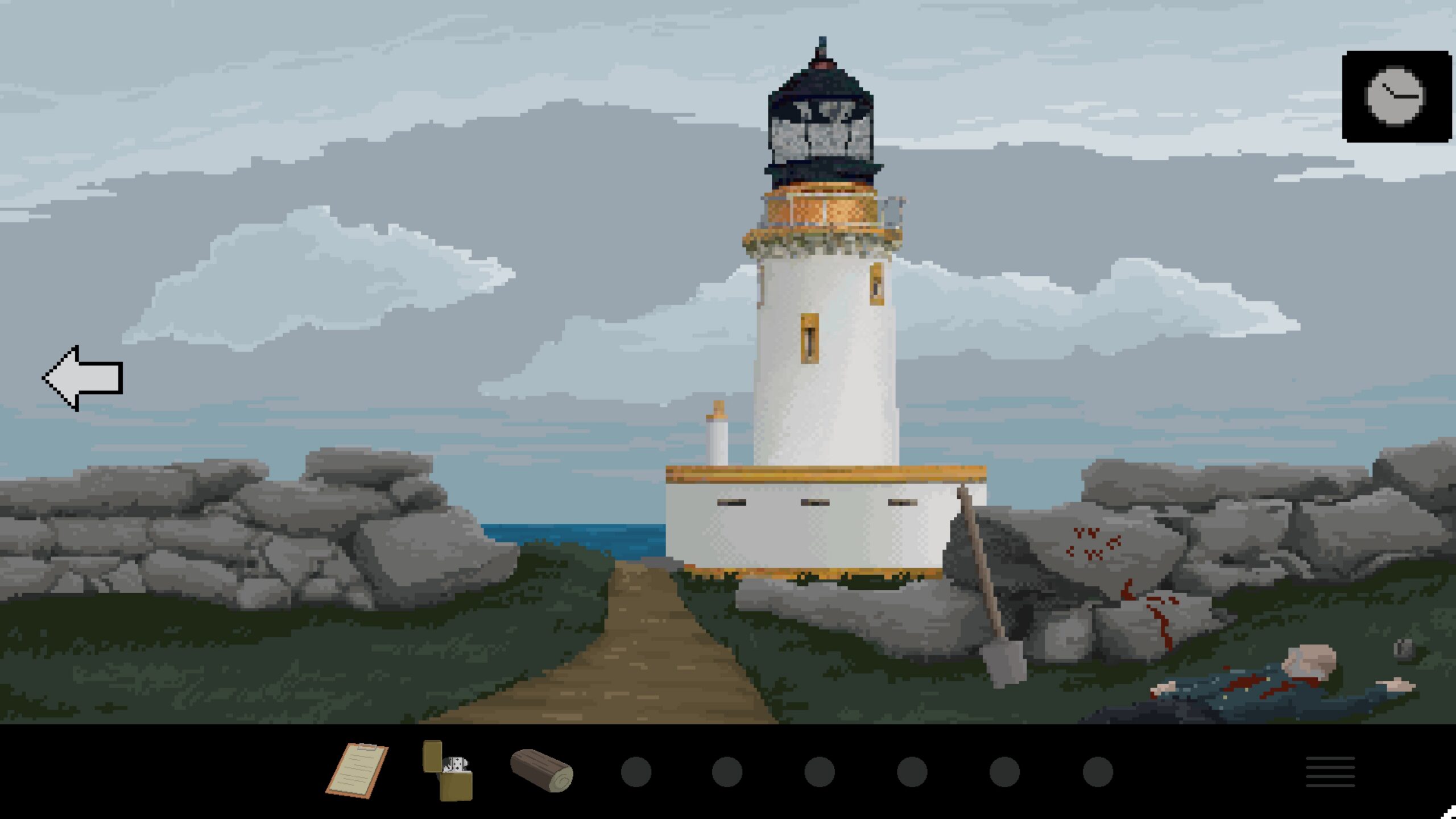
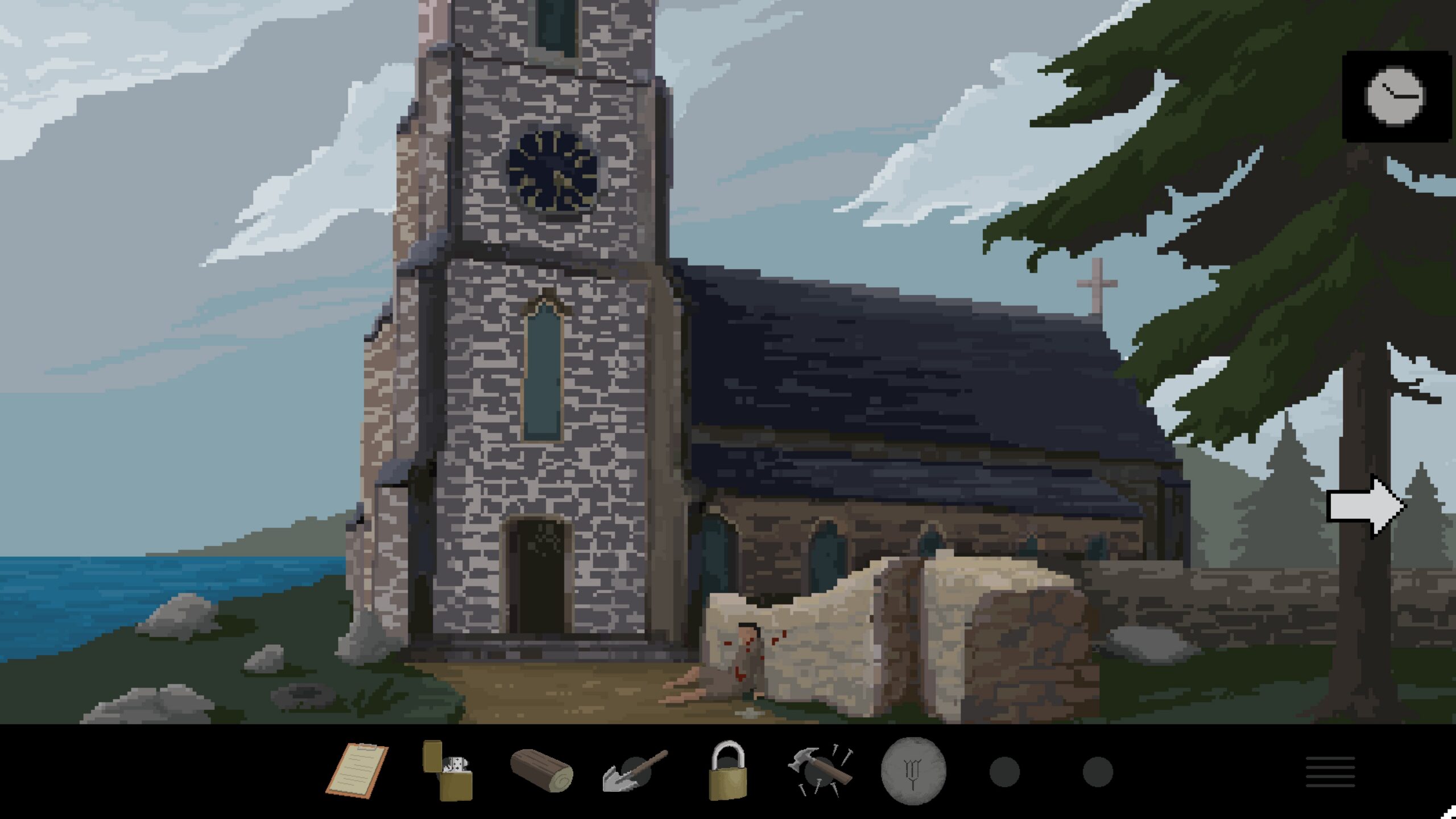
You are given 400 in-game minutes to rescue as many survivors as possible while preparing for the cult’s inevitable return. With multiple locations demanding efficient routing and puzzle chains that reward strategic foresight, the need for keen observation and thorough investigation only intensifies. This involves scavenging resources, crafting makeshift defenses, and fortifying a mansion to withstand the final confrontation.
Across all acts, Cult Vacui’s structure definitely encourages experimentation and repetition. Failure is not a dead end but rather an alternative narrative path, with multiple endings tied to both success and failure states. The puzzles themselves are thoughtfully designed, often requiring several attempts to fully grasp their logic and optimal execution. Despite having several manual save slots available, allowing for retries of specific segments rather than full restarts, the pressure never truly subsides. As a further plus, the oppressive atmosphere is reinforced by a haunting soundtrack that matches the grim setting and lends itself to deliberate thinking.
Final Thoughts
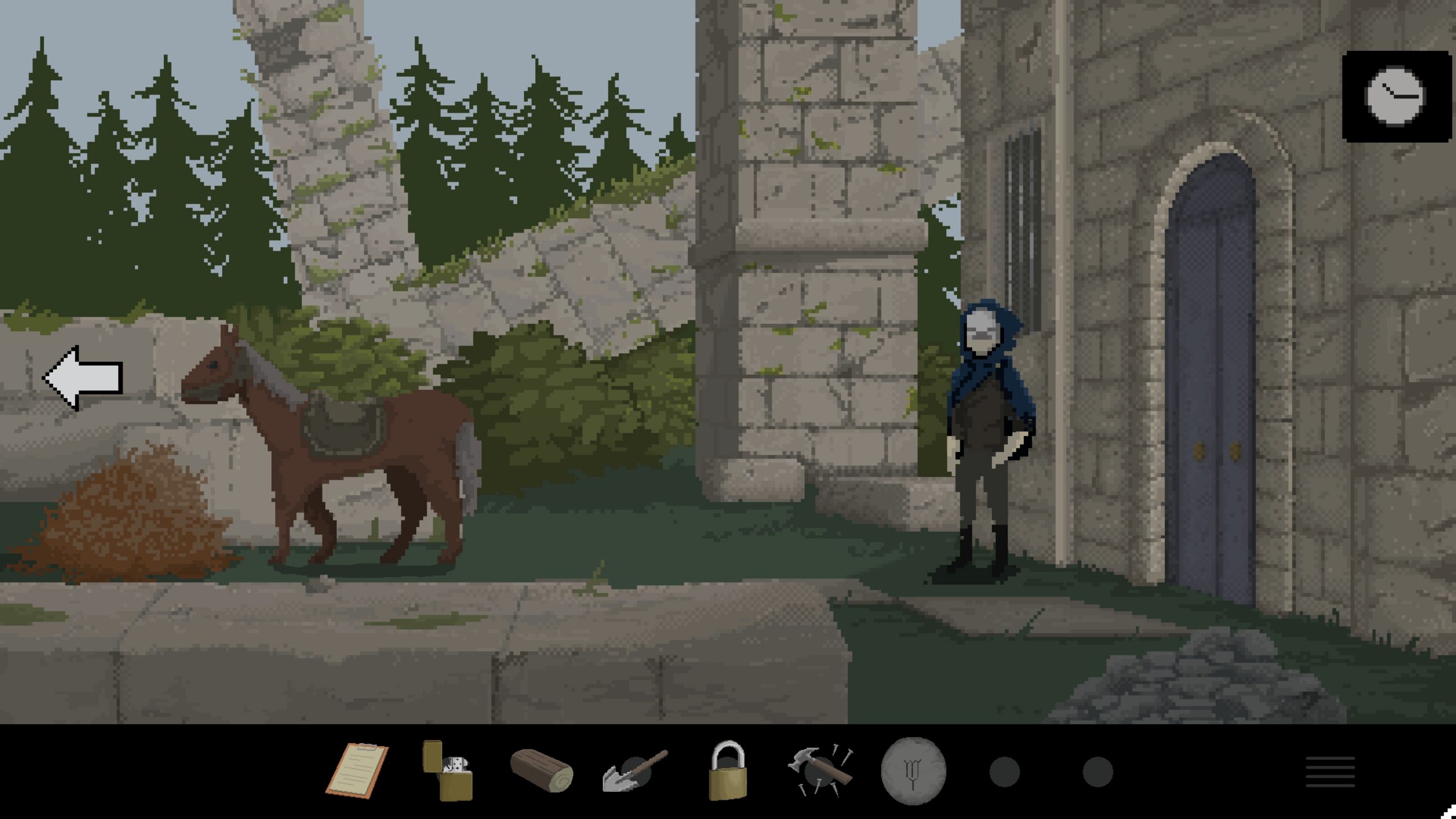
Cult Vacui stands out with its striking pixel art style and a surprisingly polished presentation, with only minor UI quirks occasionally surfacing. Its biggest drawback is the absence of controller support, which feels like a missed opportunity given how well the game could translate to handheld PC devices. Still, for players who appreciate intricate puzzle design wrapped in a tense, time-driven structure, this is a compelling, high-pressure experience that rewards quick thinking and learning from mistakes.
Additional Information
Release Date: Apr 9, 2026
Reviewed On: PC. Download code provided by the publisher and PR agency.
Developer: LBRTY Games
Publisher: Dionous Games
Relevant links: Available on STEAM