DaRmaZat
 The action roguelike survival game Dark Light: Survivor from developer and publisher Mirari&Co. is preparing for its Early Access release in April 2026 on PC via Steam, and a new development update outlines several major additions arriving with the upcoming launch.
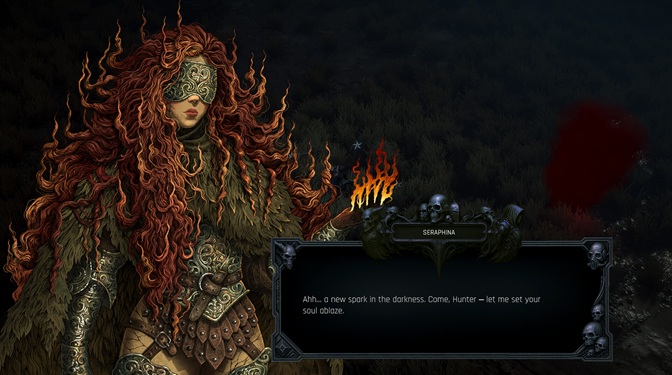
Set in a dying multiverse devastated by the Dark Void, Dark Light: Survivor places players in the role of a Dark Hunter, one of the last surviving humans searching for the mythical sanctuary known as Elysium. Humanity’s final hope lies in the Phantom Train, a piece of advanced quantum technology capable of traveling between shattered universes. Each journey across these unstable worlds requires players to gather energy to fuel the train’s next jump while fighting increasingly dangerous creatures spawned by the spreading darkness.
The latest development update reveals several major gameplay additions planned for the upcoming Early Access release. Two new biomes are currently being prepared, including a dense primordial jungle and a frozen polar wasteland, expanding the game’s environments beyond the original demo map. Combat is also set to grow with more than ten new enemy types that will introduce unique mechanics, such as forcing players into duels, attacking with laser weapons, or healing allies during battle.
A new Totem system is also being prepared, adding powerful modifiers that can grant special abilities, alternative ways to obtain weapons, or large experience boosts, sometimes combined with risky curses that affect gameplay. In addition, two new playable classes are being developed: the Gunslinger, who focuses on dual-wield firearms and mobility, and the Mage, who uses magical staves and defensive spells for long-range arcane combat. The weapon system will also expand with new class-specific gear, universal weapons, and powerful Super Weapons designed to help players clear large waves of enemies and experiment with different build combinations.
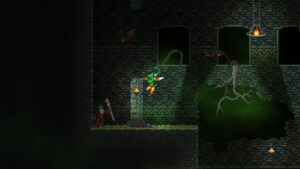
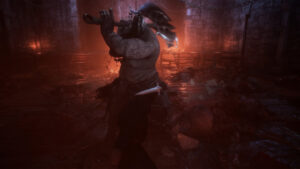
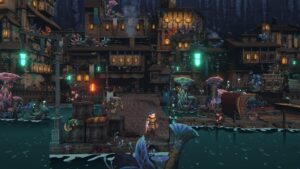
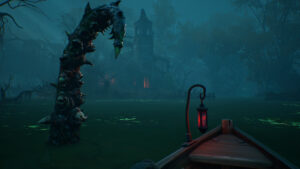
Dark Light: Survivor blends roguelike survival mechanics with shifting gameplay perspectives that alternate between top-down and close-up third-person views. The game also offers visual customization through cinematic graphics and an optional pixel-art mode that recreates a retro aesthetic while maintaining the same gameplay systems.