NVIDIA Unveils DLSS 5, Introducing Neural Rendering for Next-Gen Game Graphics
 Simone
 << Press Release >>
During its GTC 2026 keynote, NVIDIA revealed DLSS 5, the next iteration of its AI-driven graphics technology, which the company says will mark a major shift in how game visuals are produced. The update is scheduled to launch this fall and expands DLSS beyond performance optimization toward real-time neural rendering that enhances lighting, textures, and materials.
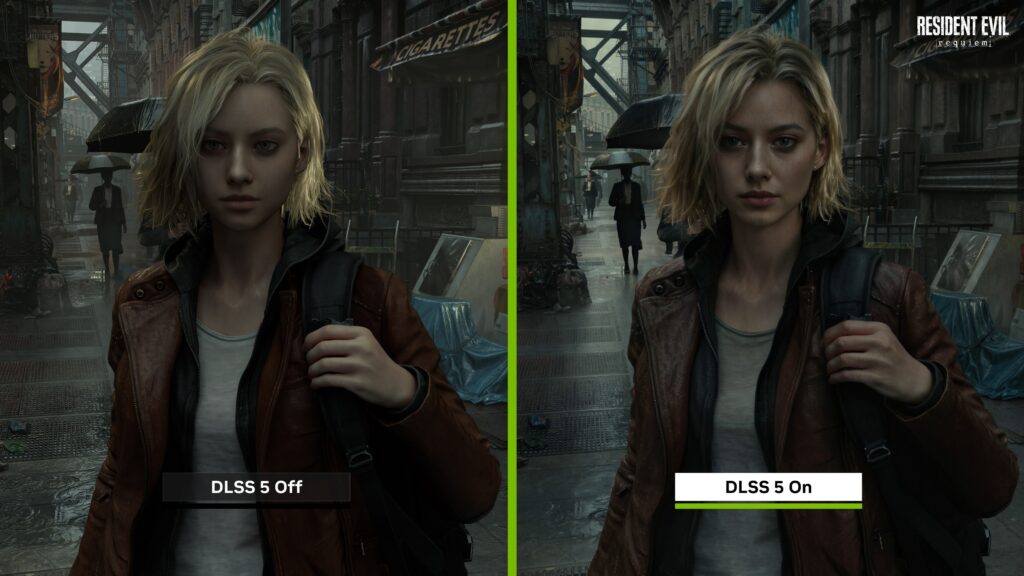
According to NVIDIA, DLSS 5 uses a neural model that analyzes color and motion data from each frame and reconstructs scenes with photorealistic lighting and materials while remaining anchored to the original 3D geometry. The system runs in real time at resolutions up to 4K, aiming to deliver cinematic-level visuals without sacrificing interactive performance.
The DLSS ecosystem has grown rapidly since its debut in 2018. Originally designed as an AI upscaling technology to improve frame rates, it later evolved to generate entire frames using machine learning. NVIDIA says DLSS is now integrated into more than 750 games.
Earlier this year, the company introduced DLSS 4.5, which reportedly relies on AI to generate the vast majority of visible pixels on screen. With DLSS 5, NVIDIA is positioning the technology as a broader rendering pipeline enhancement rather than purely a performance feature. NVIDIA founder and CEO Jensen Huang described the shift as a turning point for graphics technology. Game developers that have already seen the technology say the improvements could significantly affect how future titles are built.
NVIDIA says major publishers and studios — including Bethesda, CAPCOM, NetEase, NCSOFT, Tencent, Ubisoft, and Warner Bros. Games — plan to support DLSS 5. Early titles expected to adopt the technology include Assassin’s Creed Shadows, Starfield, Resident Evil Requiem, Hogwarts Legacy, NARAKA: BLADEPOINT, and The Elder Scrolls IV: Oblivion Remastered, among others.
More technical details about DLSS 5 are expected closer to its fall 2026 launch window.