DaRmaZat
 Yakuza Kiwami 3 & Dark Ties, released this week on consoles and PC, marks a significant milestone for the long-running saga of the Tojo Clan. As a comprehensive bundle, this collection not only delivers a complete transformation of Kazuma Kiryu’s original journey for a new generation but also expands the narrative with Dark Ties. The separate, ten-to-fifteen-hour spin-off adds significant depth to former antagonist Yoshitaka Mine’s backstory, fulfilling a persistent fan request following criticism of plot branches left inexplicably unexplored in the original Yakuza 3. But the repercussions this addition carries—for the weight of this chapter within the broader Yakuza saga as well as its future—are something no one could have foreseen.
Between The Tropics And The Trenches
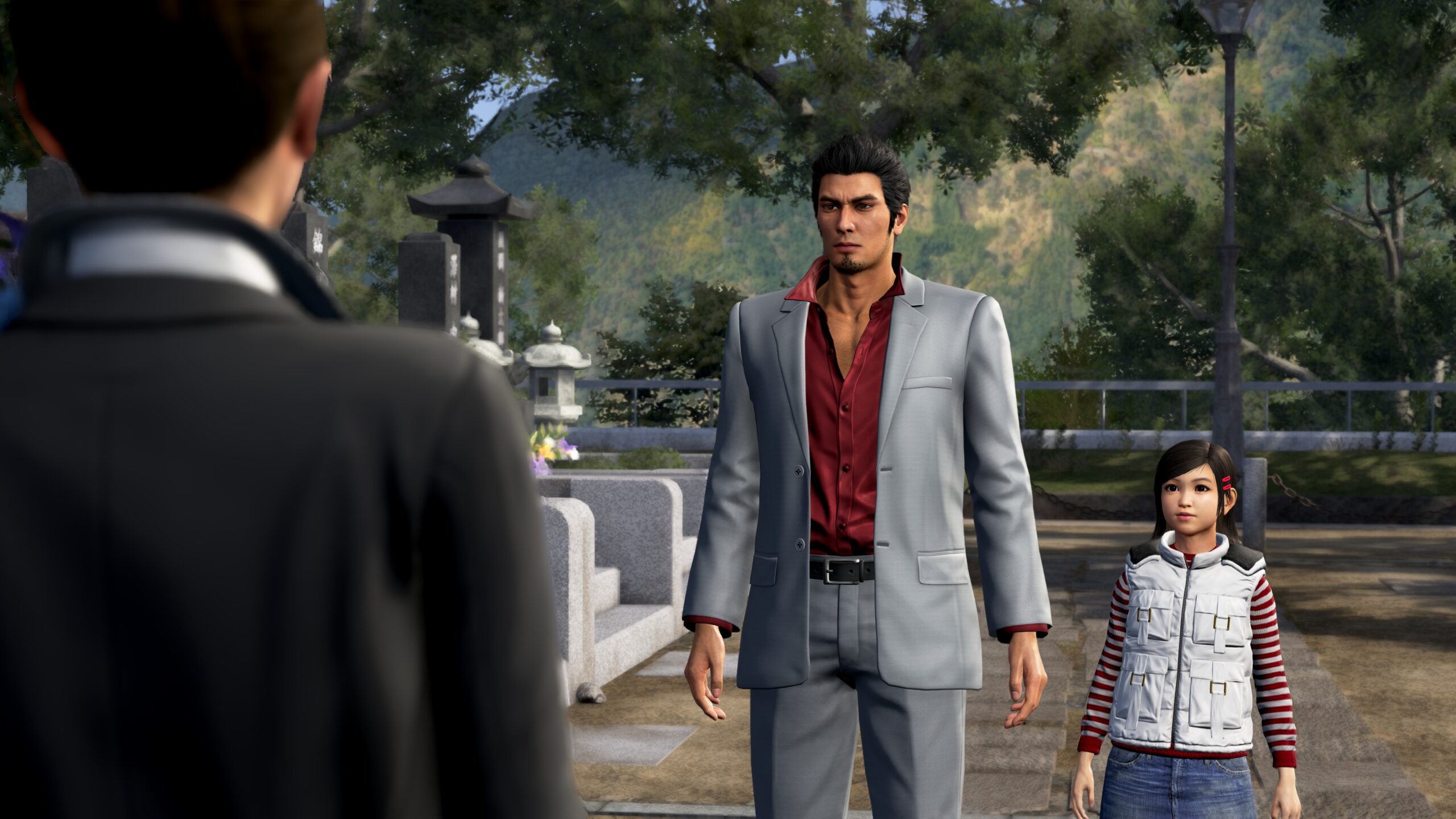
Unlike Yakuza 3 Remastered, which functioned largely as a polished port of the 2009 PlayStation 3 title, this new package offers a total overhaul. The main script has been adjusted to better reflect modern sensibilities—unfortunately resulting in several omissions—while also expanding key scenes to close narrative gaps. New side content has been added as well, including the Haisai Girls storyline in Okinawa, and for the first time, the game features a full English voice cast, with iconic roles such as Goh Hamazaki and Rikiya re-recorded and remodeled after new actors.
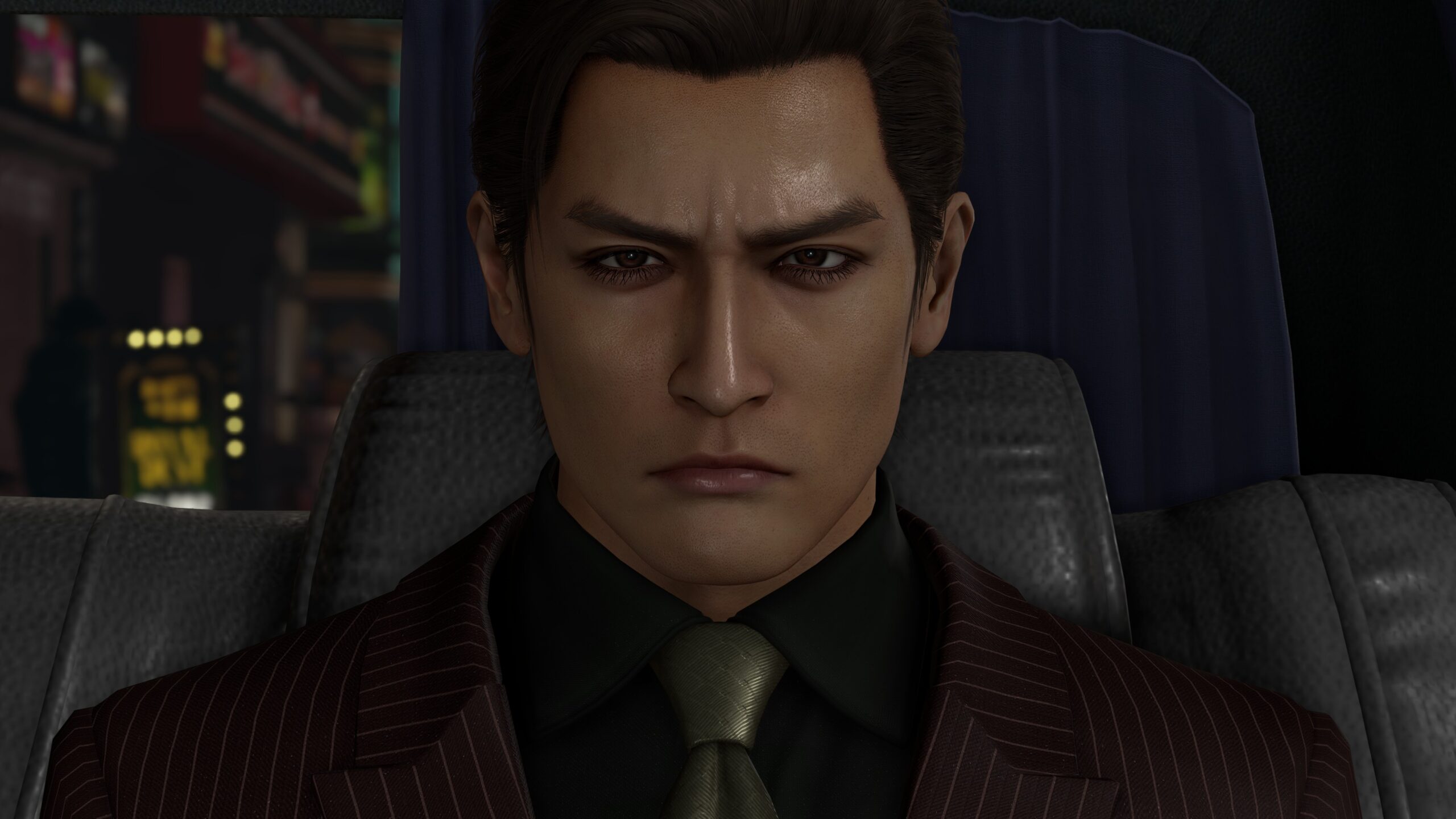
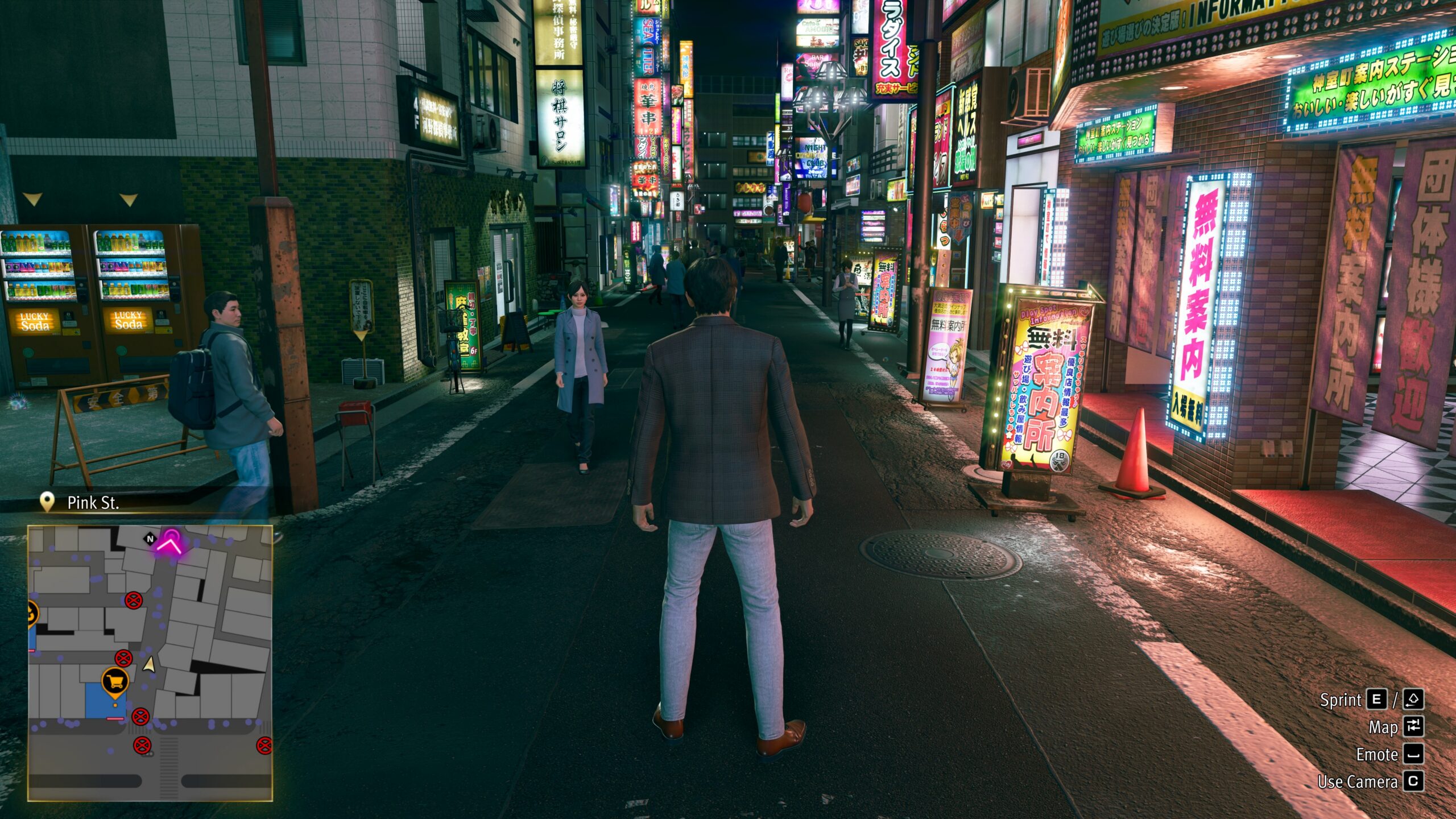
Yakuza Kiwami 3 follows Kiryu as he attempts to leave his violent past behind and run the Morning Glory orphanage in sunny Okinawa alongside his daughter Haruka. Naturally, that peaceful existence is shattered by political schemes involving a military resort, dragging the Dragon of Dojima back into a web of corruption spanning the Japanese government and the neon-soaked streets of Kamurocho. The story of Yakuza 3 may not be the strongest in the entire series, yet it still beautifully explores the bond between Kiryu and the orphanage children—with Haruka firmly at the forefront—while offering enough gameplay variety through challenging, raw, and typically brutal fistfights against the scum of Japan’s underworld.

The Perfect Businessman In An Imperfect World
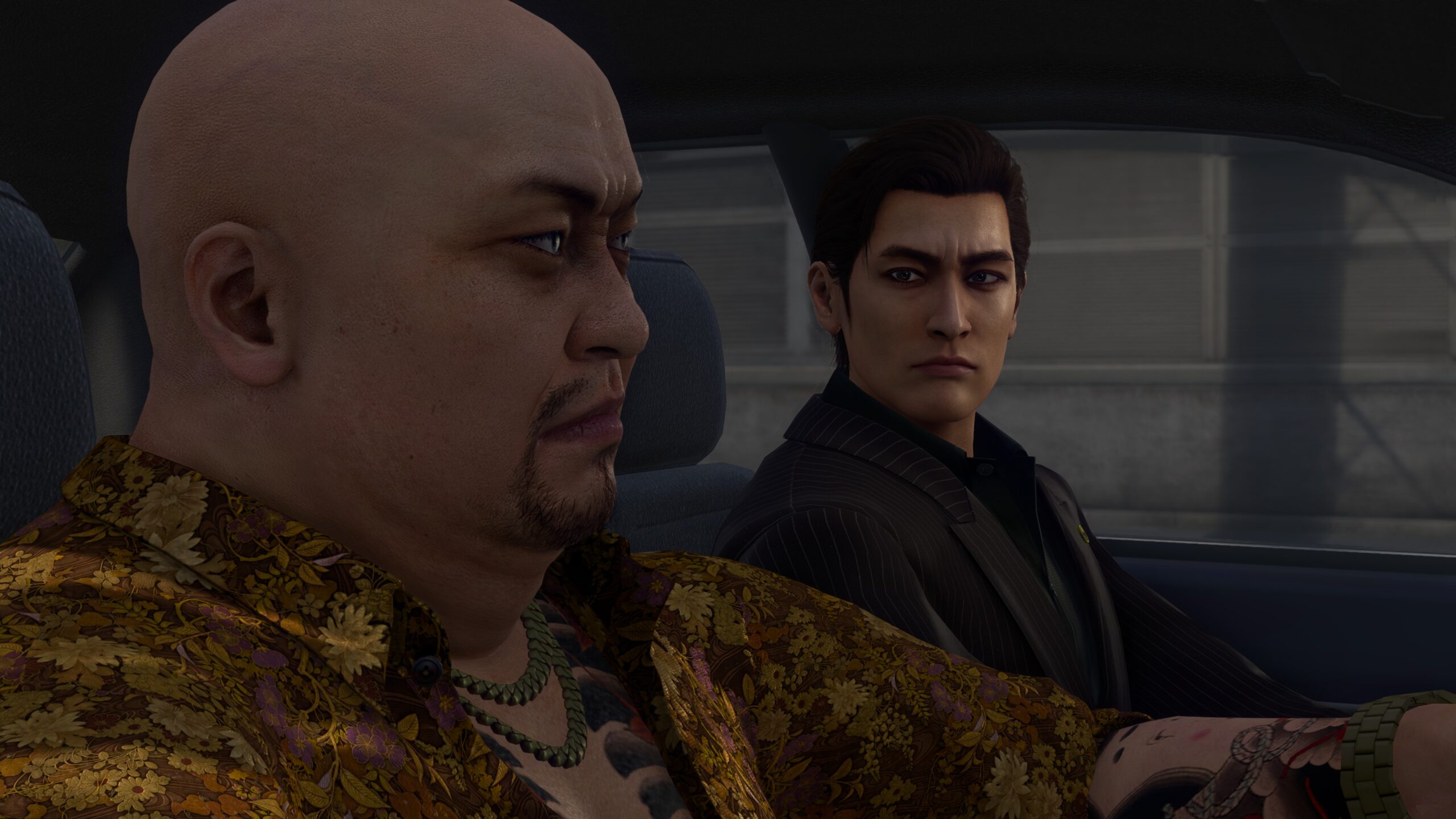
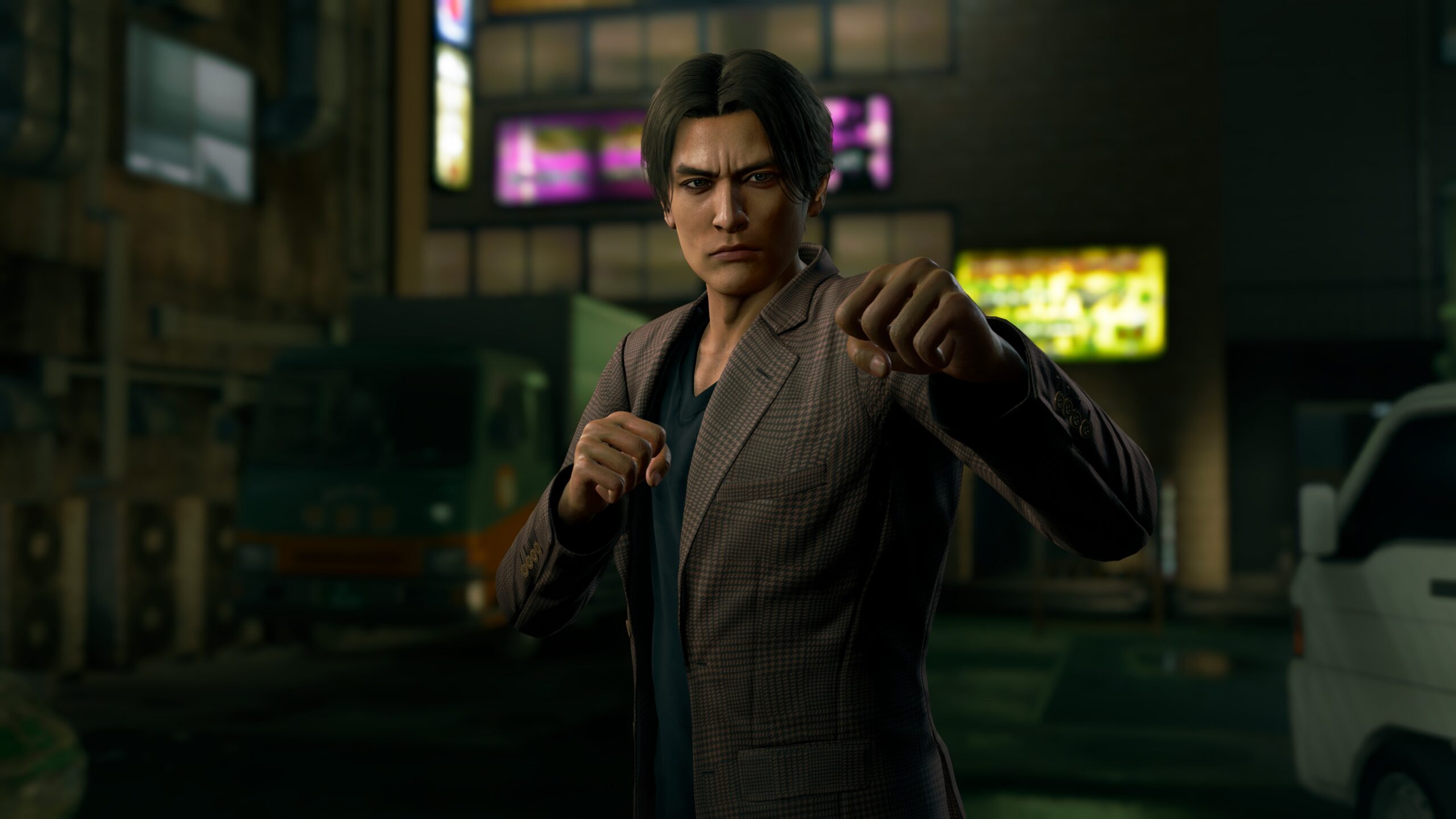
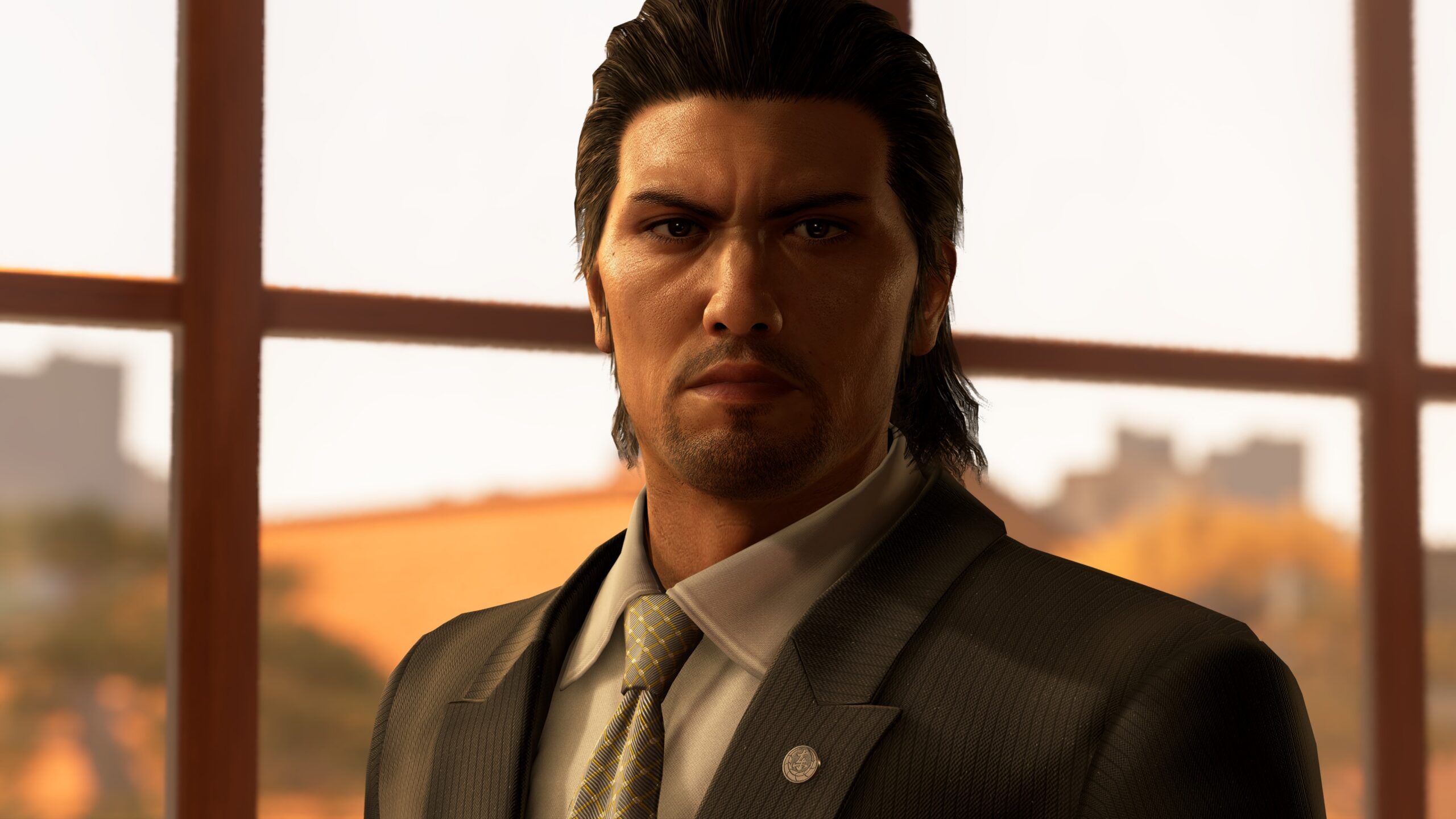
In Dark Ties, however, you step into Kamurocho for the first time as the stone-rich, failed yet cunning startup CEO Yoshitaka Mine—the perfect businessman who, not coincidentally, also knows how to handle himself in a fight. His methods frequently clash with the unwritten rules of “honor” that still apply, even among corrupt criminals.
The plot of Dark Ties itself is highly linear. Side streets in Kamurocho are cleverly blocked off, forcing you to clear multiple enemy gangs before progressing. Originality is limited; while occasional bloody moments stand out, most twists are fairly predictable and character arcs show little depth or development. That can partly be explained by the short runtime, but too often the script leans on humor or awkward beats instead of meaningful progression.

Hyperkinetic Chaos Amidst A Slow-Burning Descent
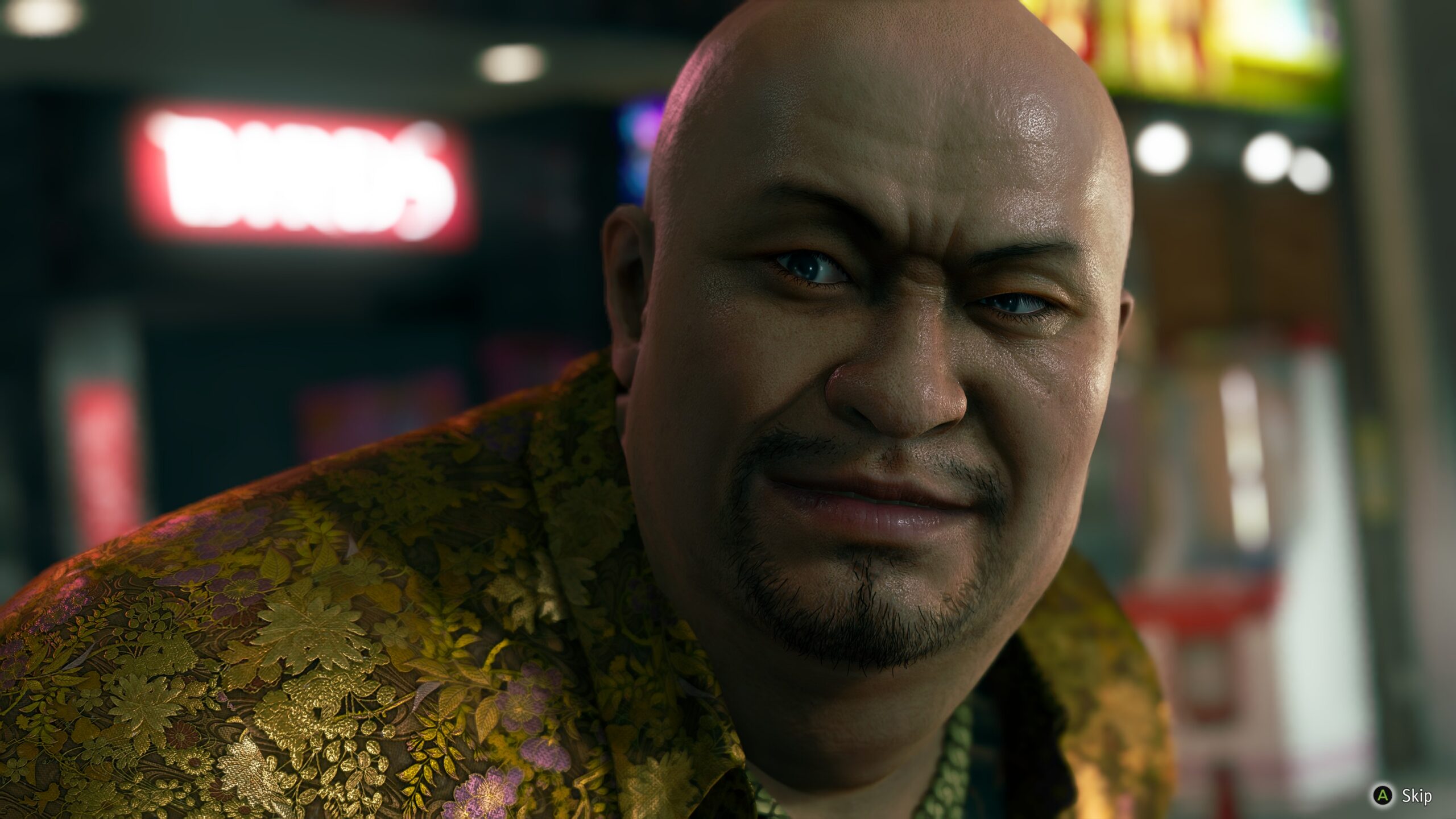
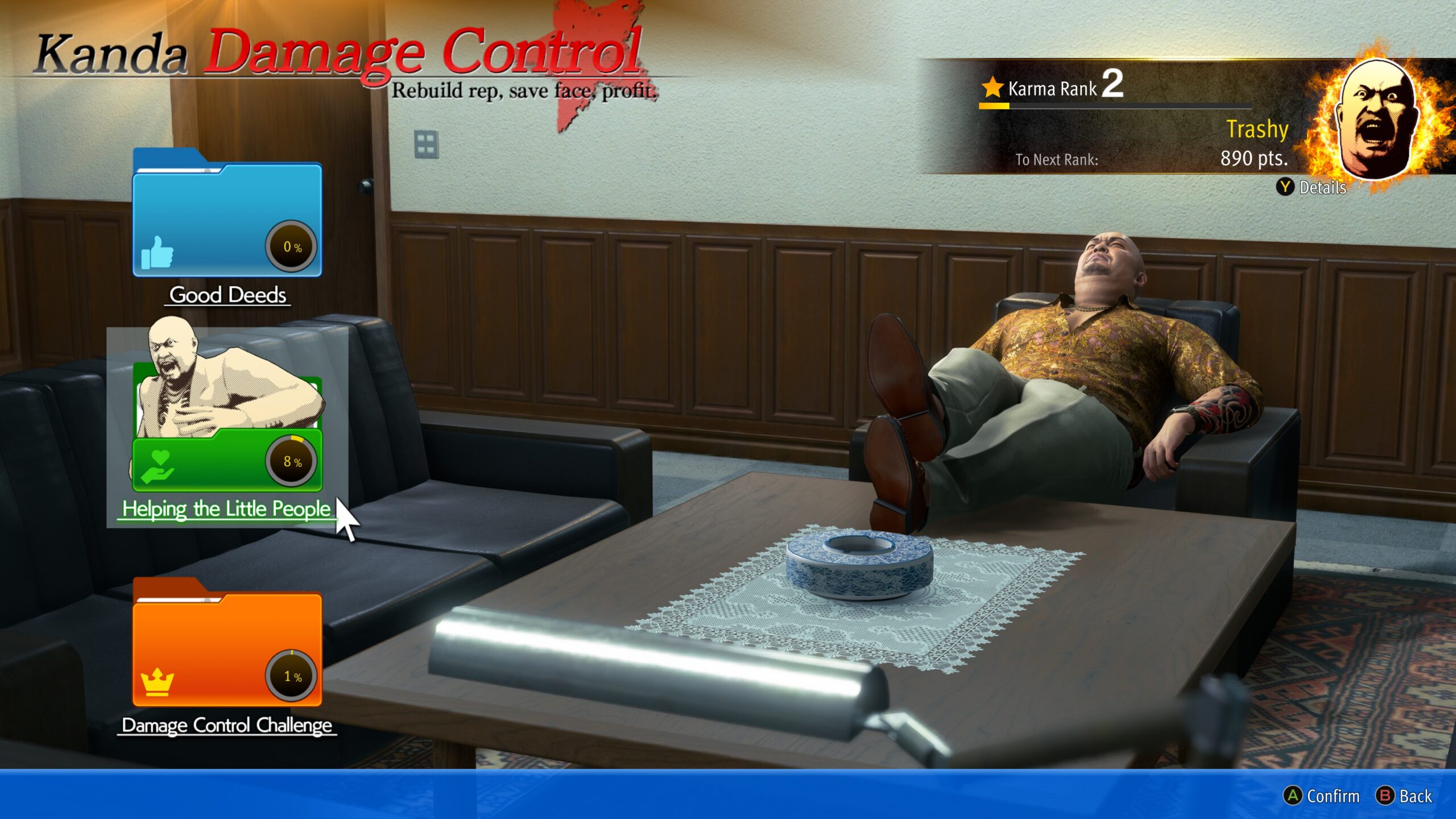
Energy mainly comes from the unhinged Kanda, a ruthless yet hyperkinetic badass who injects momentum into what is otherwise a rather slow-building spin-off. Honestly, for me, Kanda is the real star of this side story. His presence acts like a red rag to a bull for Mine, who seeks to immerse himself in the underworld and join the ranks of Ikari, patriarch of the Nishikiyama family—albeit for hidden motives. The contrast between the polite-looking ex-CEO boss and his sudden full-rogue descent is surprising and refreshing, despite the short, three-chapter structure.
Mine himself also remains intriguing, though. For a long time, you are left guessing about his true incentives and what drives him to embrace the darker side of the street. Meanwhile, Dark Ties features a linear ending that simultaneously functions as a spoiler for the conclusion of Kiwami 3, which has now been slightly reworked—without going into specifics. Much more emotional weight and narrative substance are packed into Chapter Three than into the earlier parts of the expansion. Unfortunately, that means the climax arrives somewhat late, though it does leave behind material to reflect on—almost teaser-like in nature.


Blackouts, Bro Time, And The Familiar Grind
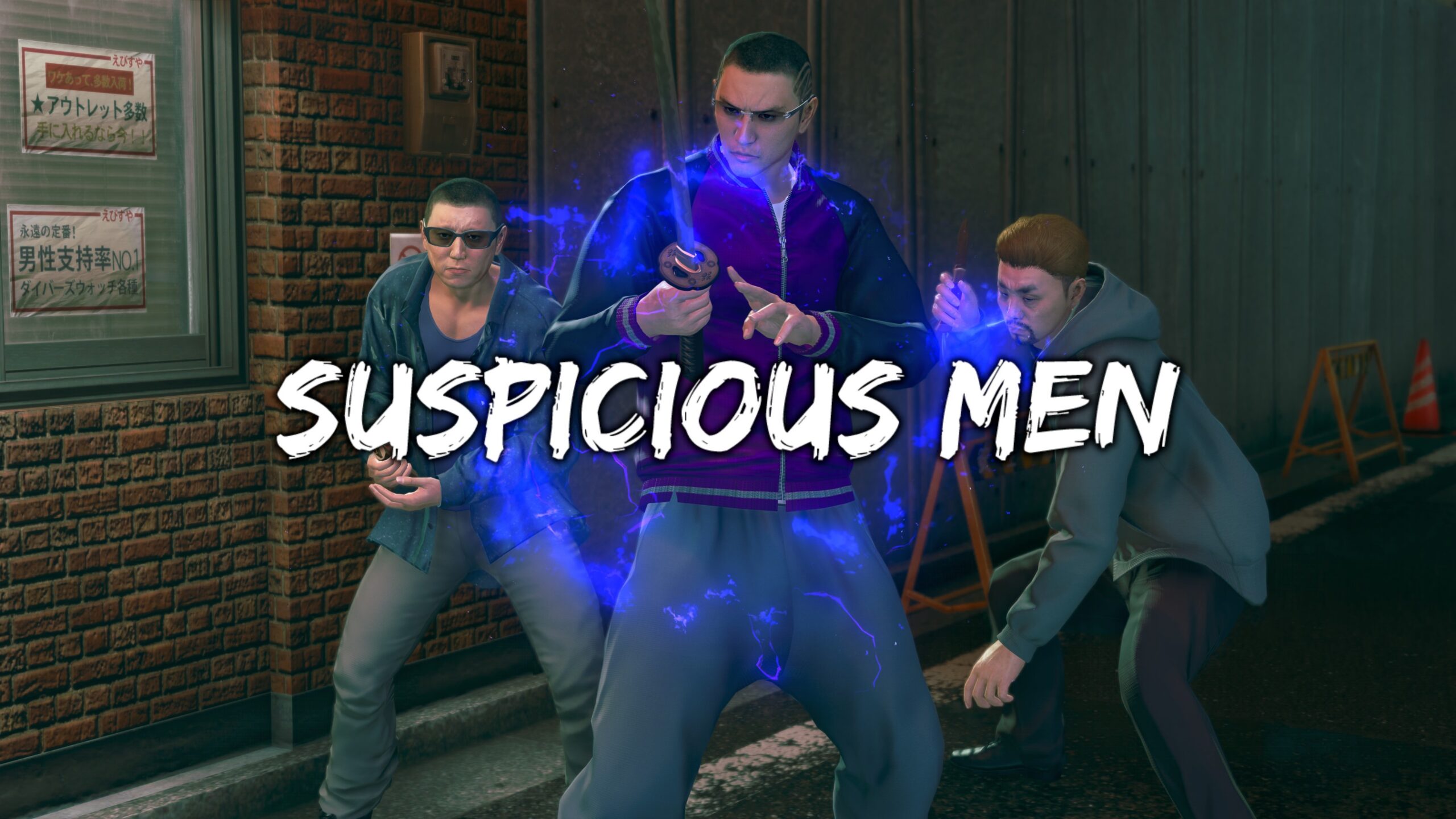
Pacing in Dark Ties moves extremely quickly. Screen blackouts follow one another in rapid succession, leading into another cutscene, another string of brawls, or an absurd fetch quest. Searching for a lost ring, buying a Tauriner or a coffee, outperforming someone in karaoke—you name it. All of it is framed as earning rewards from IT guy Zenba, improving your Karma with aniki Kanda, and unlocking more of the so-called Bro Time together. At the same time, I couldn’t help but feel it was mostly grind-heavy padding. Naturally, that formula is hardly new within this franchise, which has long since extracted nearly every possible variation from its side activities. Or perhaps that’s just my impression.
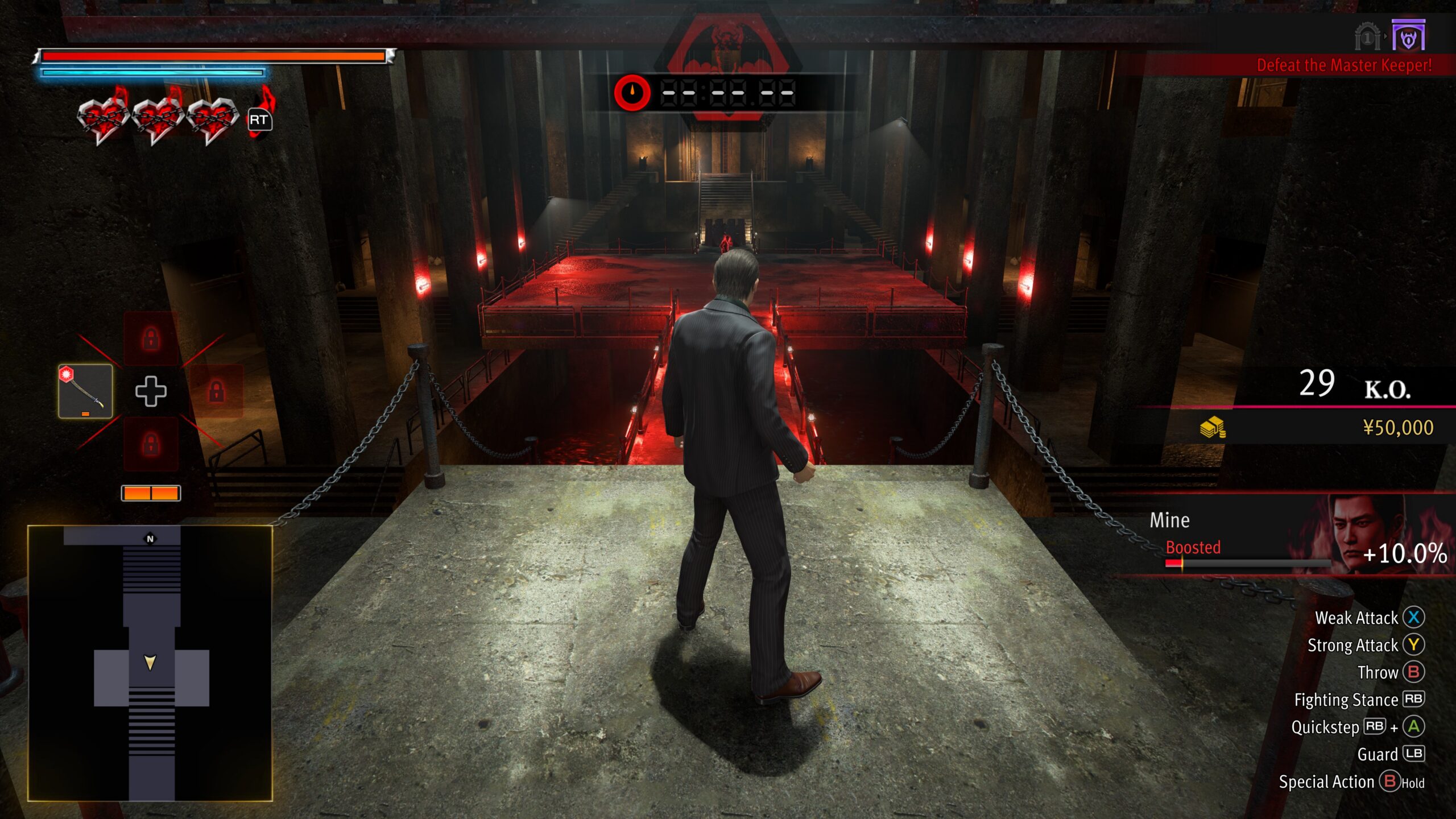
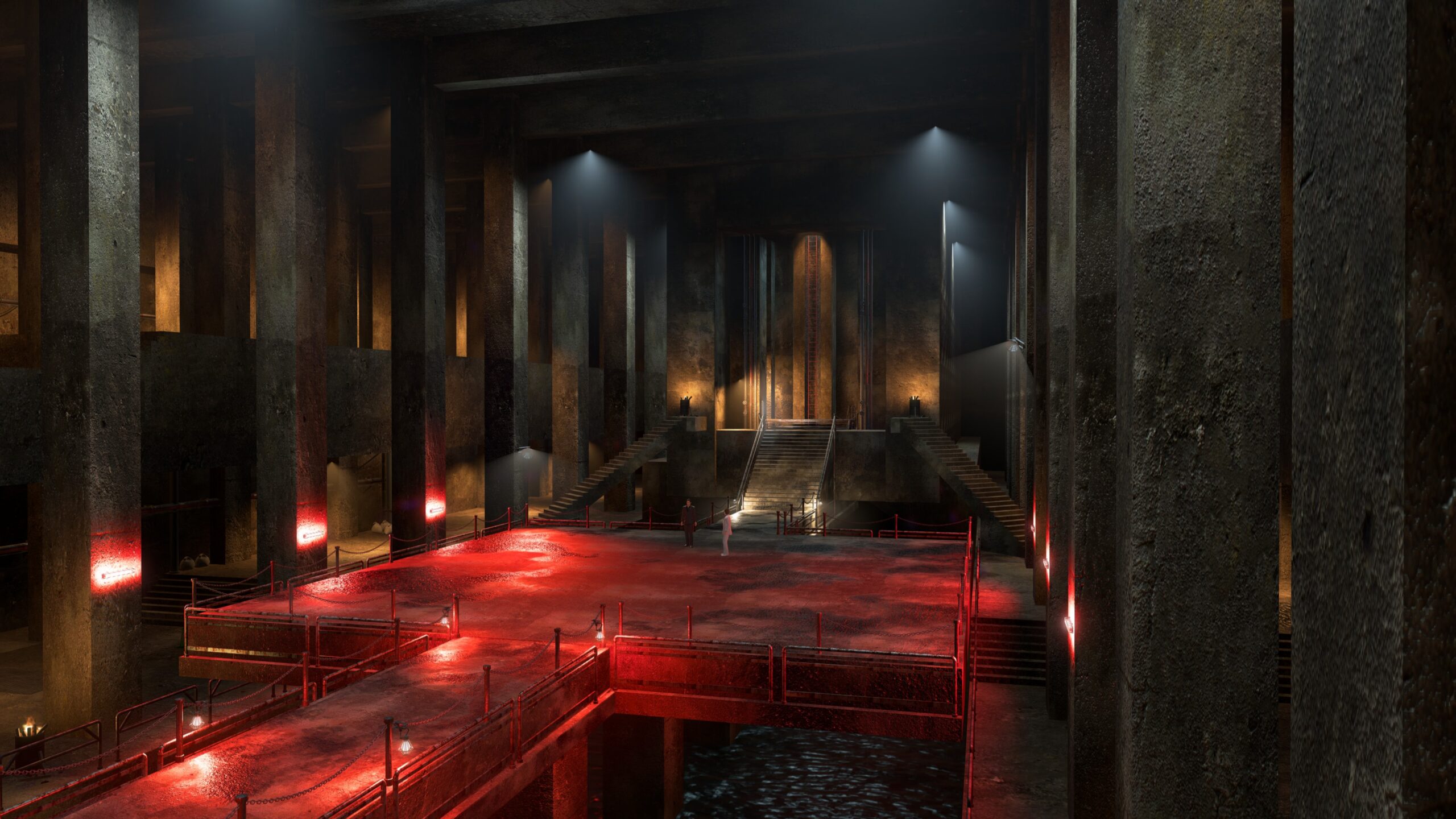
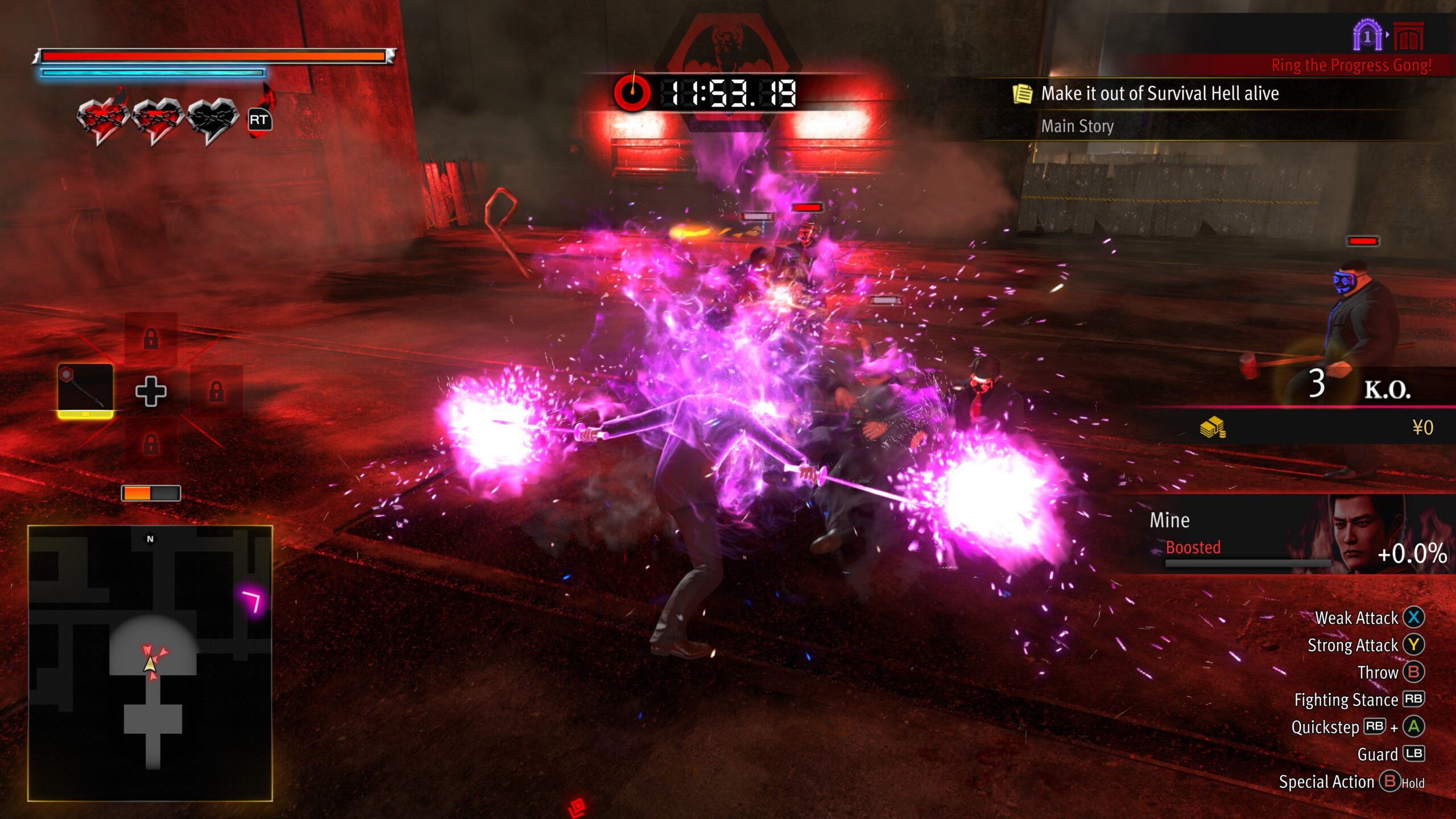
Even the roguelike Survival Hell mode—where you and optionally hired mercenaries fight through an underground labyrinthine fight club, defeating mobs and bosses against the clock to make the Progress Gong echo—does little to change that dynamic, despite its cautious nods toward thematic parallels with the main story of Yakuza 3.
Modernized Brawling Meets Cumbersome Traditions
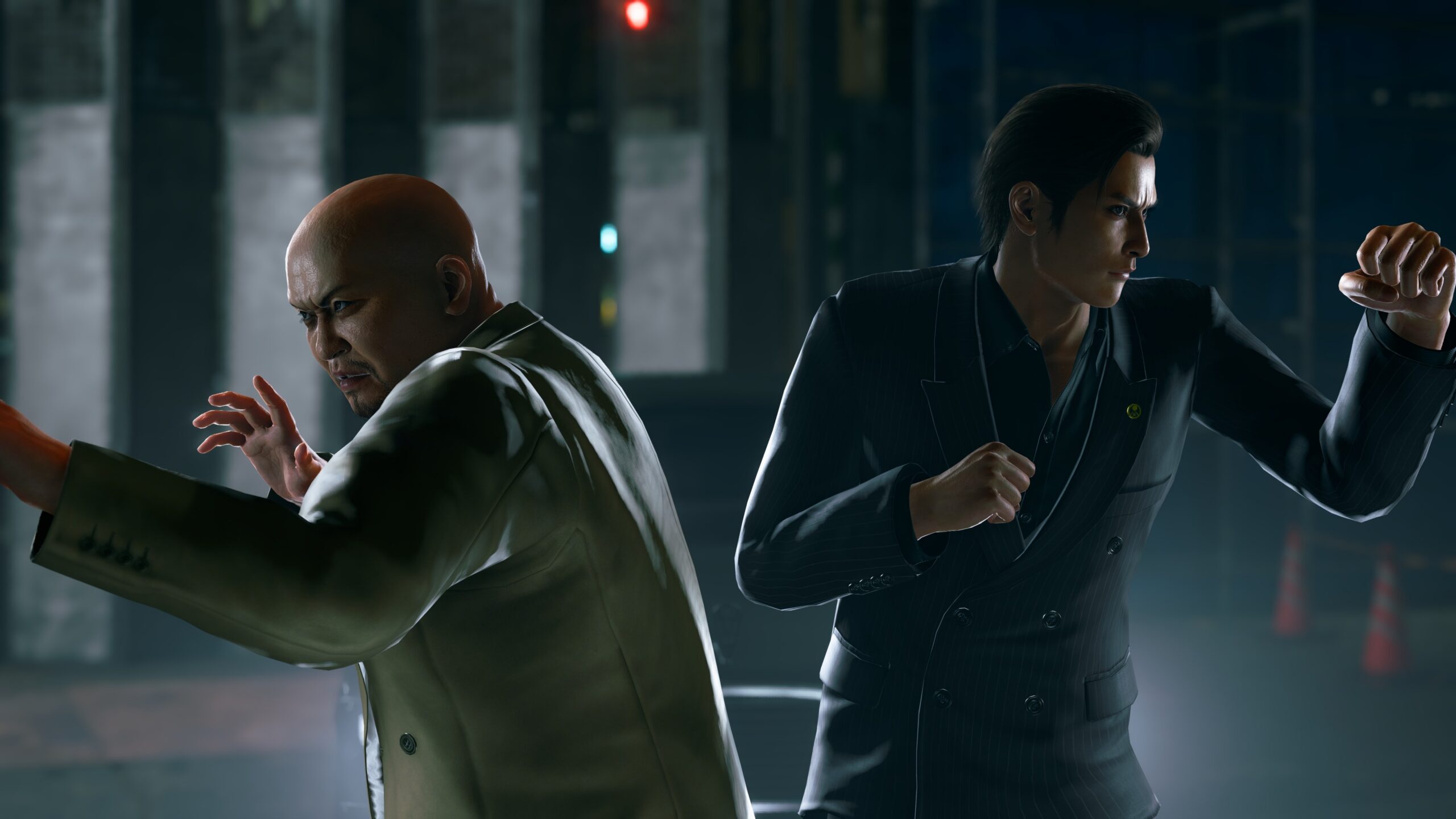
Combat in Dark Ties also feels clearly more modern, built around perfect dodges followed by counters and the gradual buildup toward critical attacks through successful moves such as Shackled Hearts, which eventually allow you to trigger a Dark Awakening. As in previous entries, bosses still possess aura shields that must be removed before they take real damage. Heat Actions and Deadly Attacks also remain intact, so no, not everything has been completely reinvented. What worked has stayed; what felt too outdated has been polished.
In Yakuza Kiwami 3, Kiryu now learns new fighting techniques via the return of Revelations, using his mobile phone to capture strange street situations. A wide range of minigames—golf, fishing, karaoke—remains present. However, other mechanics still feel dated. For example, claiming fetch quest rewards—including Good Deeds that increase Kanda’s status in the city—via Zenba feels cumbersome. Rewards can only be collected per Kanda rank through dialogue, meaning that if your Karma increases across multiple ranks, you must replay the same scene multiple times to claim each reward before the main story continues.
From High-End Scaling To Handheld Nostalgia
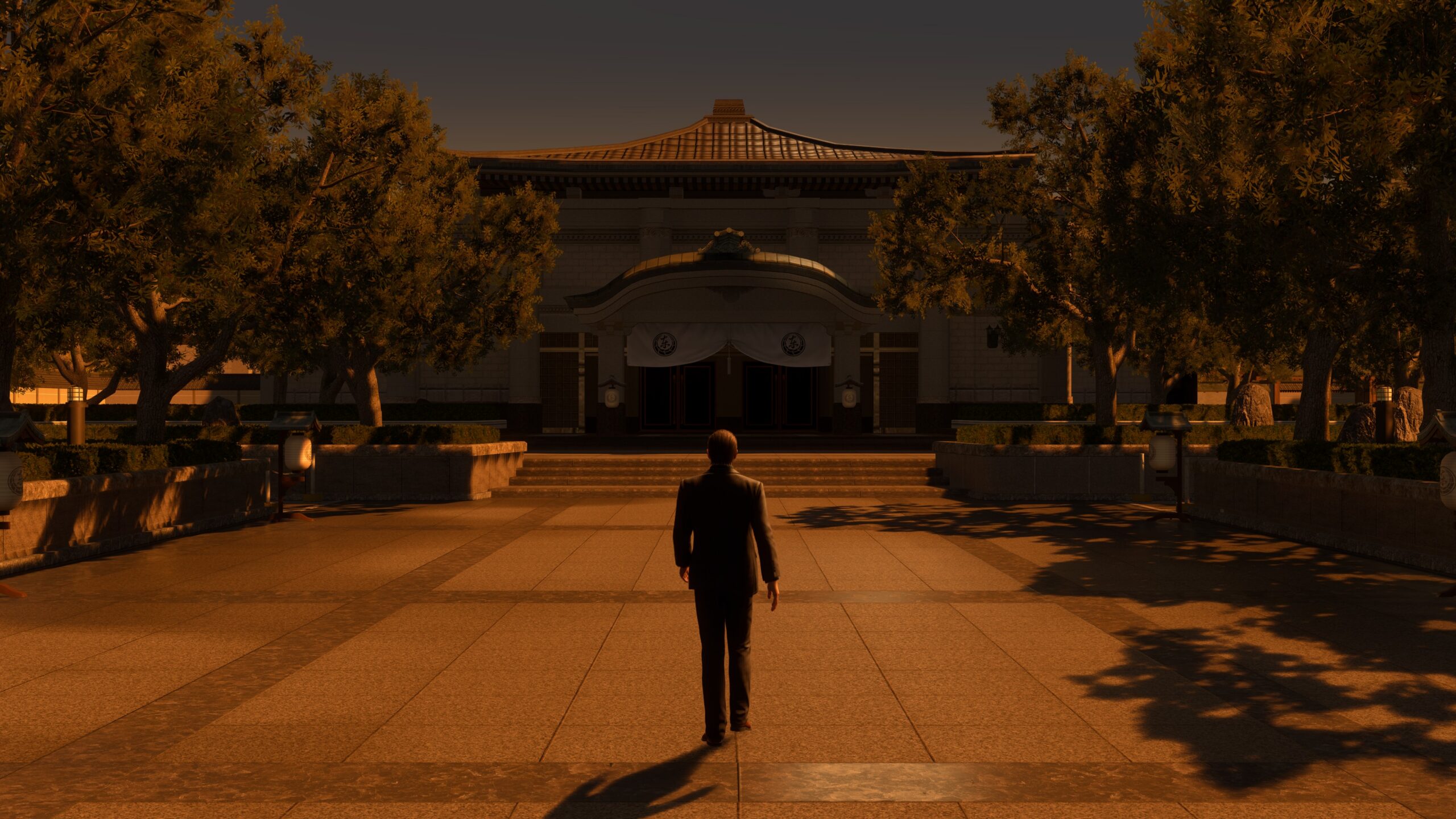
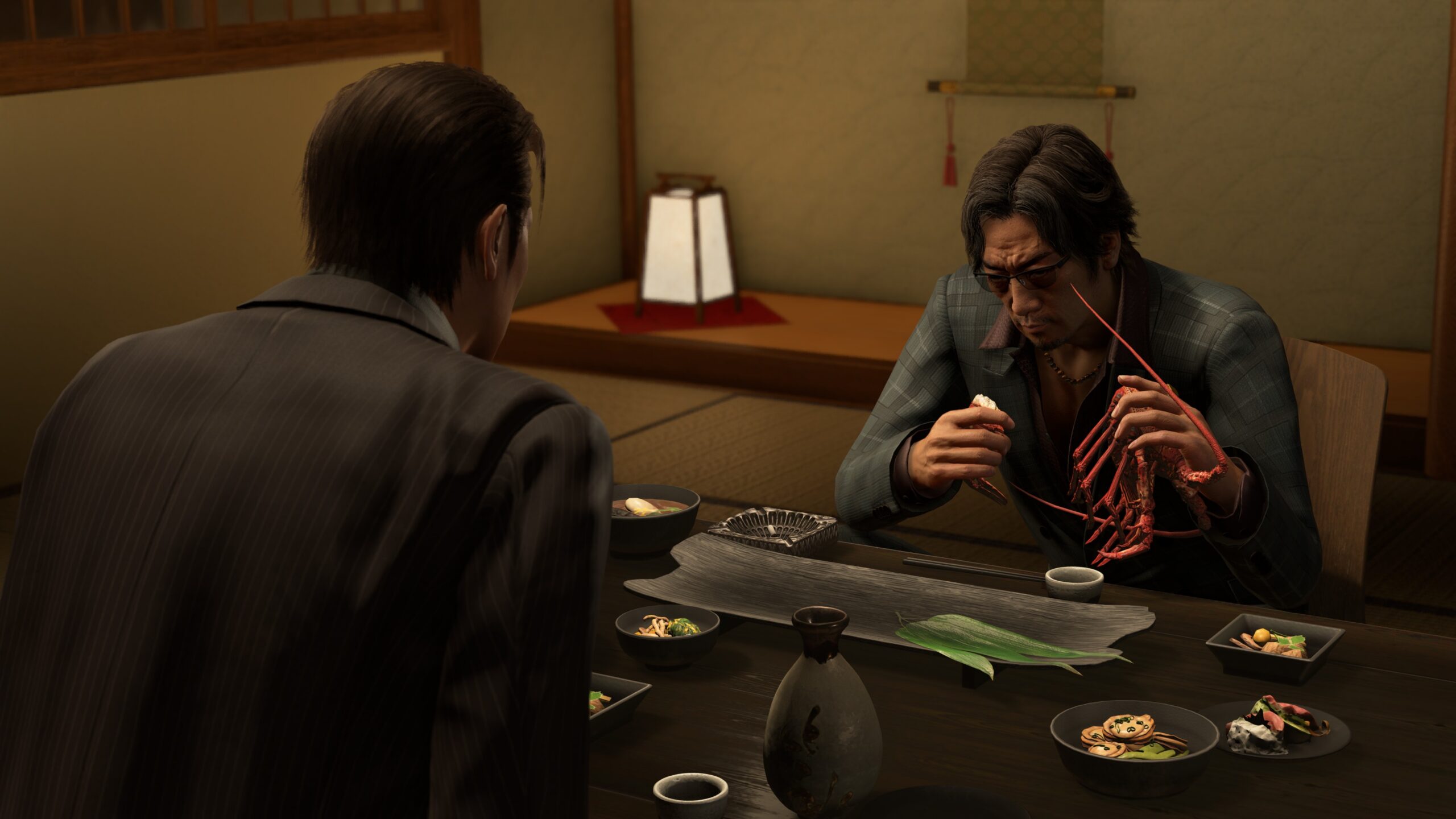
Technically, the leap from Yakuza 3 Remastered to this Kiwami version is enormous. The game has been fully rebuilt in the advanced Dragon Engine, already familiar from recent Like a Dragon and Gaiden spin-offs. Where the Remastered edition still ran on an aging engine at 1080p, Kiwami 3 now delivers visuals, lighting, and textures in line with the most recent entries. The infamous “Block-uza” issue from the original version, where enemies blocked excessively, has been completely resolved through a smoother combat system that blends classic style with modern action and the new Dragon Boost technique.
Shop transitions are now seamless and free of loading screens. Still, right before and after combat, there are occasional old-fashioned moments where the protagonist and everything around him freezes stiffly while events resolve—something that Yakuza 6: The Song of Life had already eliminated thanks to more seamless transitions between cutscenes, dialogue, and in-game combat. Street encounters remain repetitive and mandatory, featuring insignificant thugs that subtly allow character upgrades and the unlocking of new techniques through what feels like a hidden tutorial system.
The game naturally includes modern features for contemporary graphics cards: upscaling technologies such as Nvidia DLSS, AMD FSR, Intel XeSS, and Frame Generation. Not everything feels perfectly optimized yet—faces during cutscenes can occasionally appear slightly blurry—but performance overall is very smooth. It quickly becomes clear that this is not a true next-gen title, partly due to somewhat stiff animations and the presence of older cutscenes.
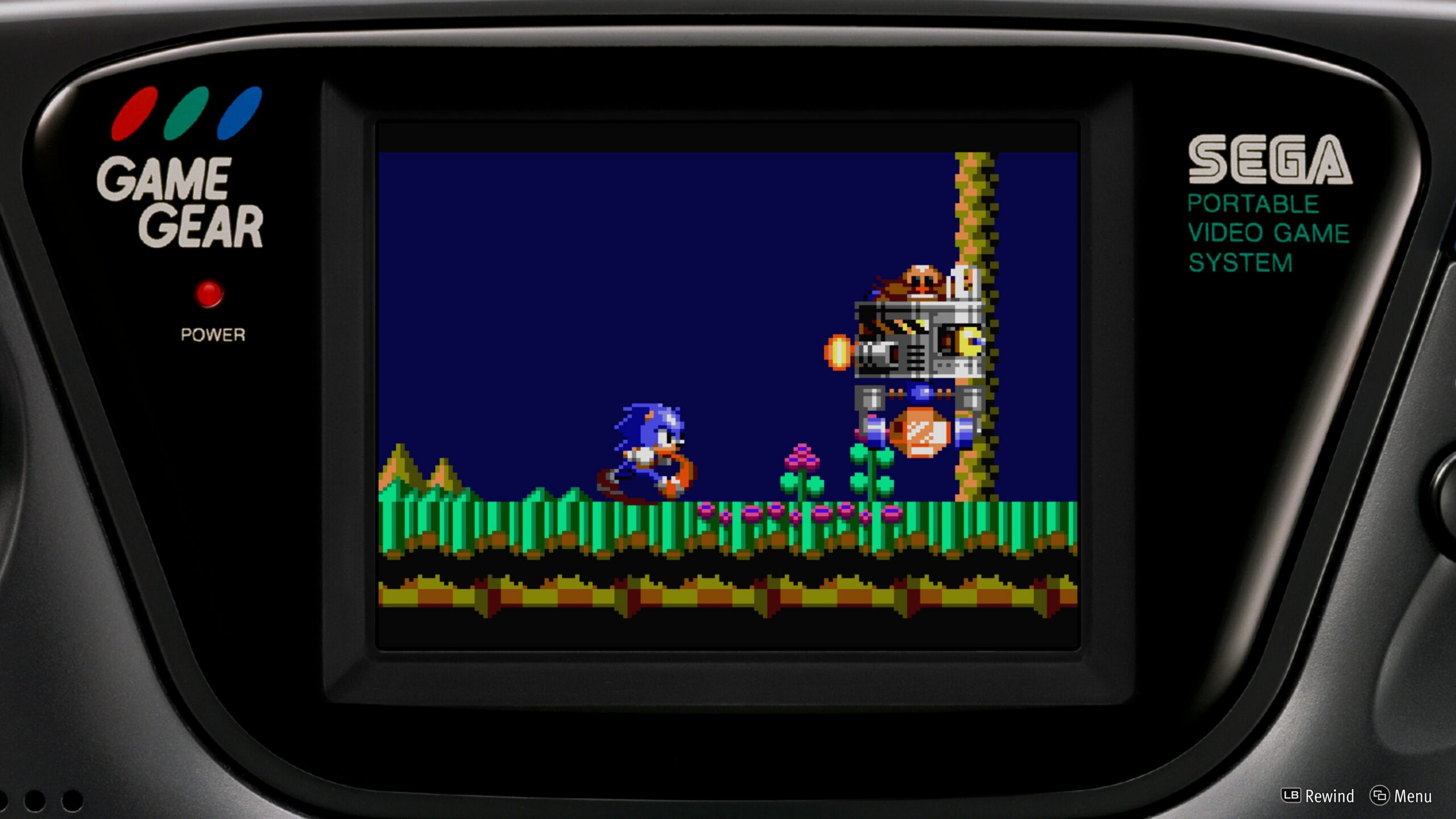
One of the strongest surprises in Dark Ties, personally, came when I stumbled upon a SEGA Game Gear tucked away on a storage shelf. Instantly, I could try three virtual cartridges: Columns, Pac-Man, and Sonic the Hedgehog. With several additional retro games to unlock, this becomes—by far—one of the main reasons for SEGA fans, retro enthusiasts, or completionists to keep playing in the so-called Premium Adventure Mode after finishing the main storyline of Dark Ties.

Final Thoughts
Personally, I walked away from Yakuza Kiwami 3 & Dark Ties with complicated feelings. On one hand, the technical leap provided by the Dragon Engine is undeniable, making the combat and the streets of Okinawa feel more alive than ever. On the other hand, the removal of certain original and Remastered content leaves a bit of a bitter aftertaste for purists who value total preservation.
The Dark Ties expansion follows a similar trajectory; it takes until the final chapter to truly find its pulse. But once it hits its stride, the depth, emotion, and tension are palpable. The finale even delivers a cliffhanger with significant repercussions for the entire Yakuza franchise—a bold move that ensures this isn’t just a forgettable side story.
Ultimately, while the pacing can be uneven and the grind occasionally heavy, the experience remains undeniably memorable. It may not be the undisputed peak of the series, but for the dedicated fans, the chance to see Yoshitaka Mine’s descent and a reworked Kiryu saga is worth the entry price. It’s a package that feels less like a definitive version and more like a thought-provoking evolution—one that is strictly essential for those who live and breathe the Tojo Clan’s history.
Additional Information
Release Date: Feb 11, 2026
Reviewed On: PC. Download code provided by the publisher and PR agency.
Developer: Ryu Ga Gotoku Studio
Publisher: SEGA
Website: Ryu Ga Gotoku
Relevant links: Available on Steam