DaRmaZat
 Disciples: Domination marks the fifth main installment in the long-running Disciples franchise, a dark fantasy strategy RPG series known for its grim world and tactical turn-based combat. Rather than serving as a direct continuation of the classic Disciples I and II timeline, it builds upon Disciples: Liberation and positions itself as a thematic soft reboot. But does this reboot succeed?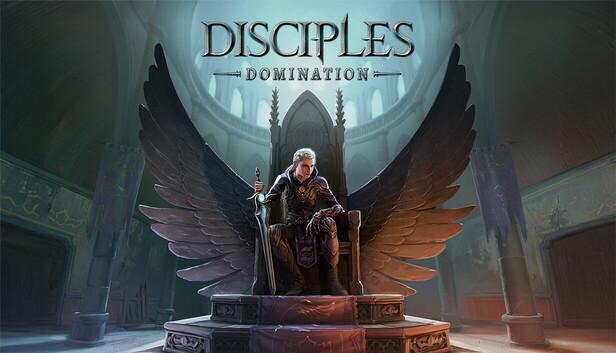
A Fractured Throne and an Uncertain Queen
This new arc revisits the world of Nevendaar fifteen years after Avyanna defied and slew the old gods, reshaping the balance of power and ascending to the throne of Yllian. While familiar factions such as the Empire, Mountain Clans, Undead Hordes, Legion of the Damned, and Elves remain central, this entry deliberately lays the groundwork for a new trilogy aimed at redefining the universe for both newcomers and returning players.
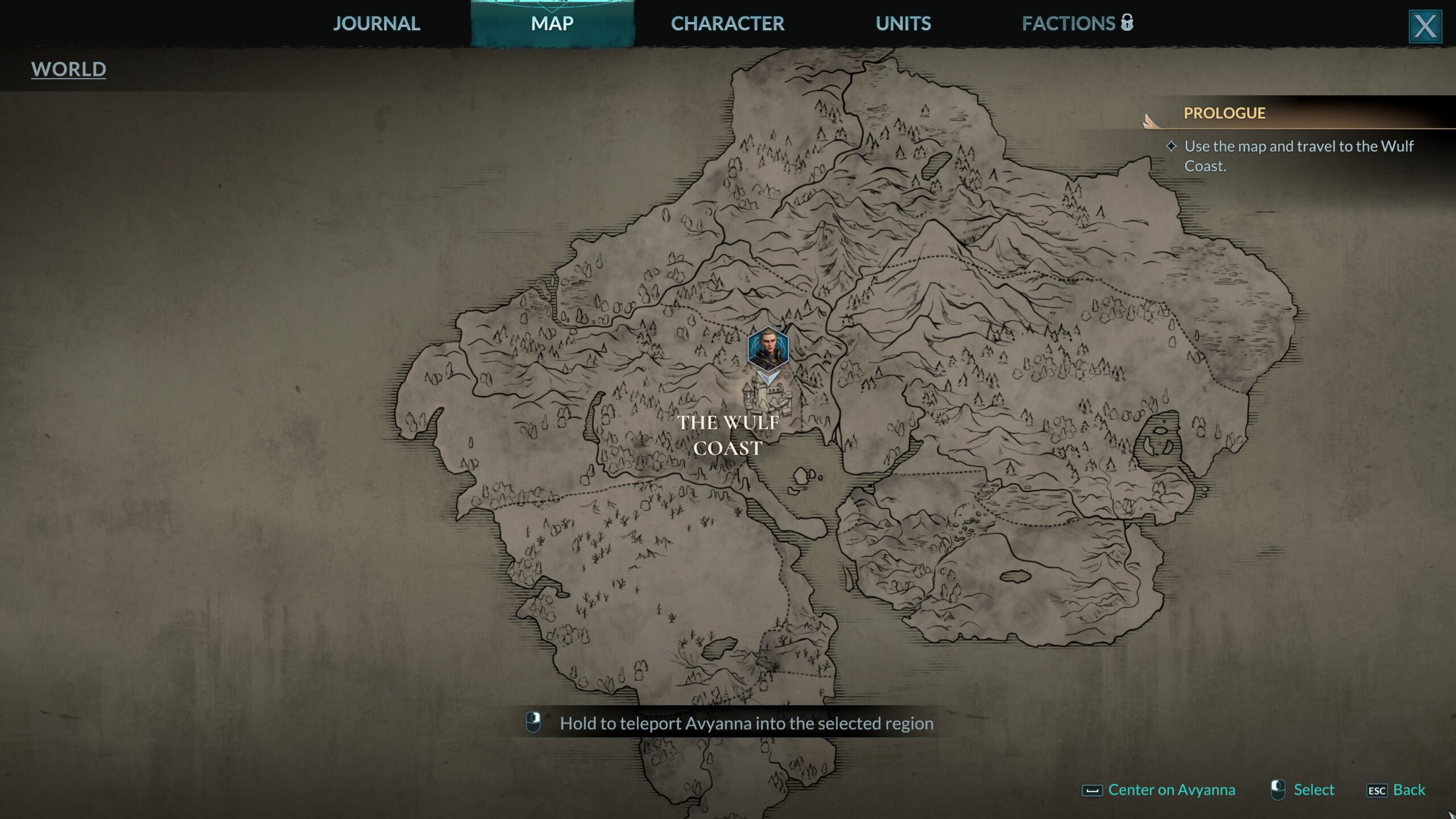
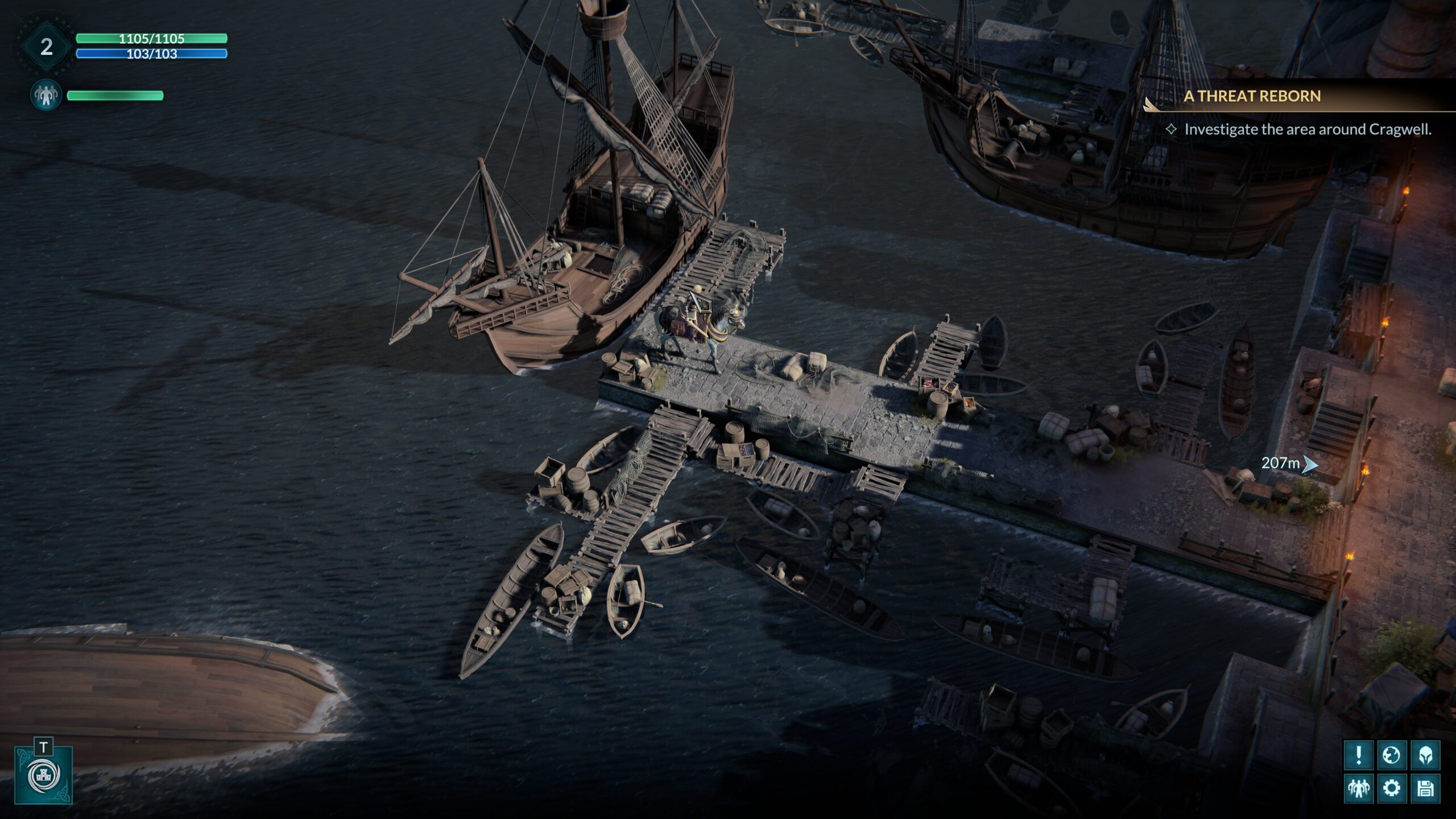
The opening cinematic and prologue of Disciples: Domination lean heavily into atmosphere, though clarity initially takes a back seat. As Queen Avyanna, you rule Nevendaar from the legendary city of Yllian, a hub you can return to at will via portal travel. Early events send you to the ancient dwarven stronghold of Cragwell to investigate a string of murders, where you soon assist a dwarf named Helmer against a band of marauders. Helmer becomes your first companion, setting the tone for a campaign built around alliances, suspicion, and political fragility.
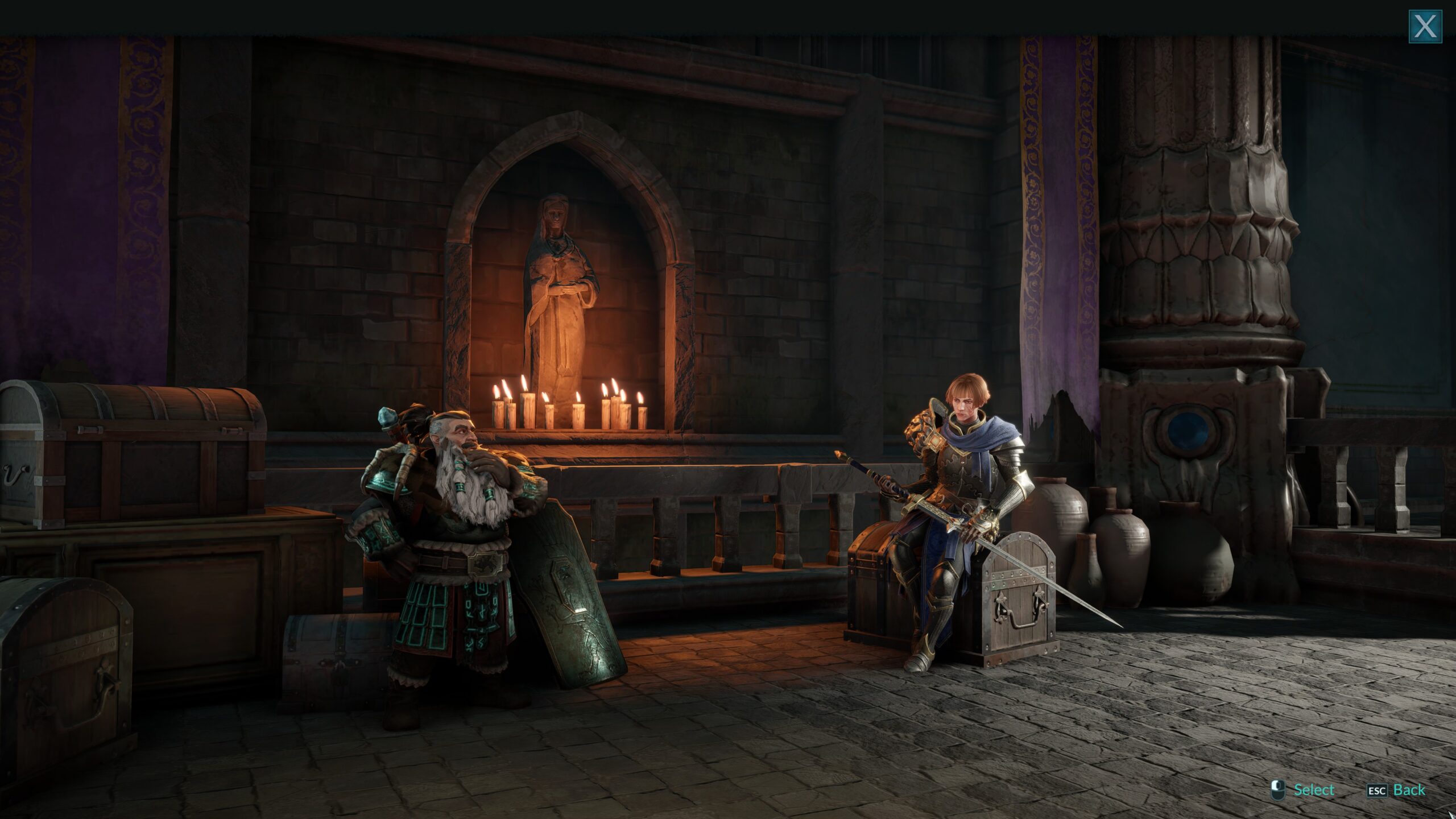
Avyanna herself is portrayed as a ruler haunted by doubt and by the weight of divine power she once opposed. However, the writing occasionally falters. Dialogue can feel inconsistent in tone, with certain characters oscillating between exaggerated politeness and abrupt hostility. Conversations with your companions, taking place within the castle, offer multiple response options, including the ability to ask, attack, or even pursue romance, yet meaningful divergence is limited. Personally, I found that many of these kinds of interactions required excessive mouse clicking, and once the lengthy exchanges began, they could not be exited prematurely, making some sequences feel like narrative padding rather than impactful role-playing.
Turn-Based Combat Built on Familiar Foundations
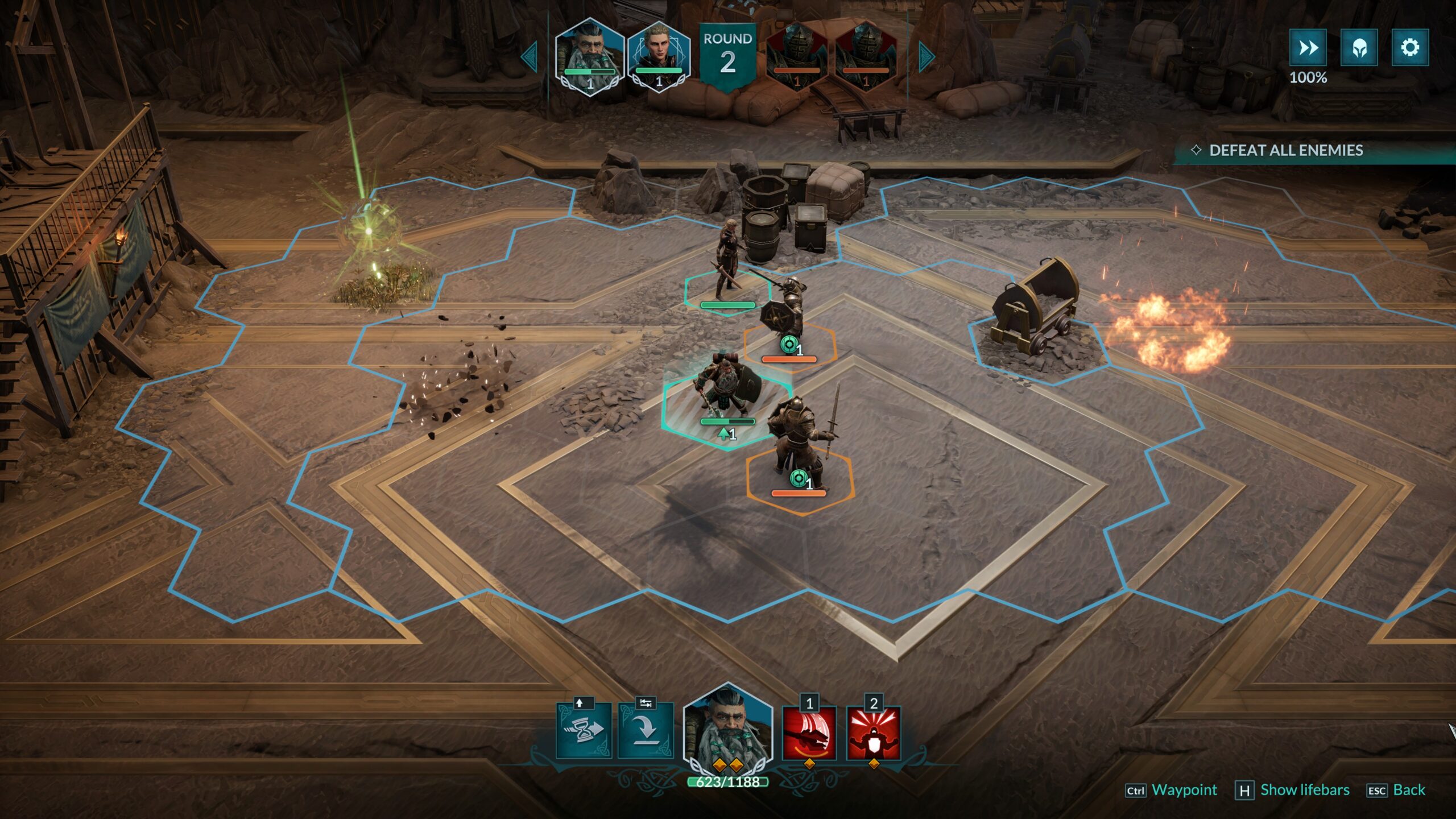
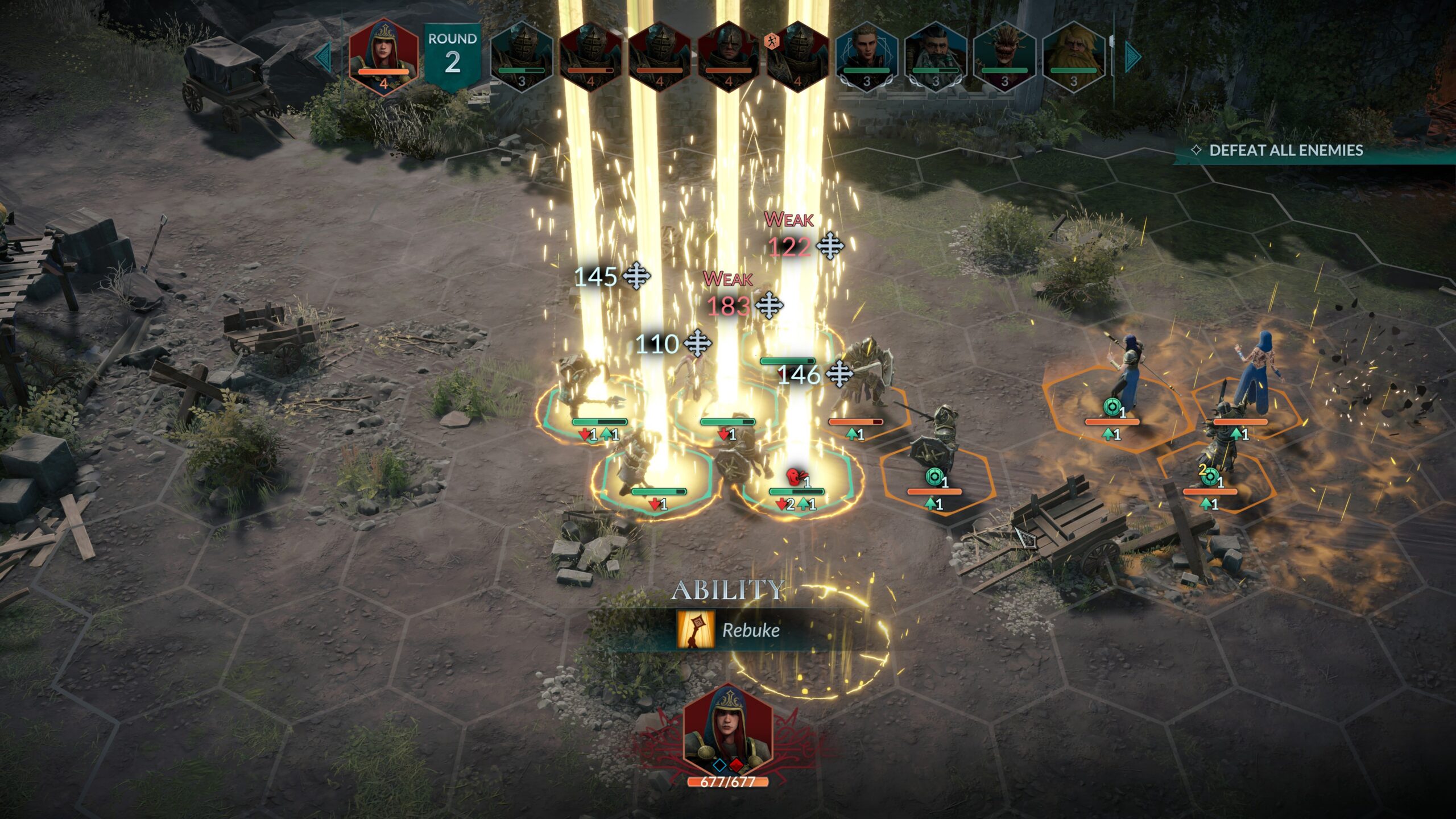
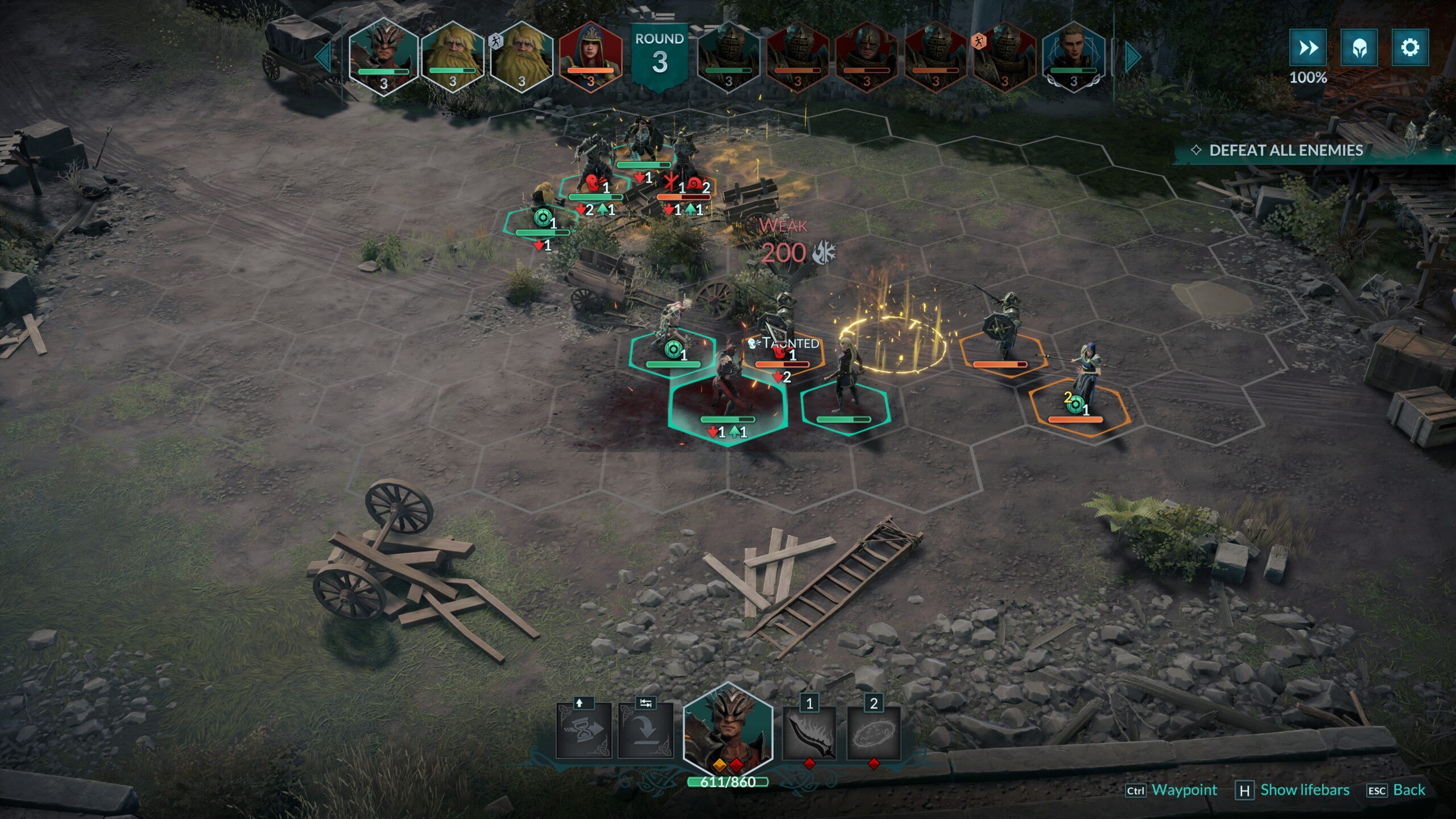
Turn-based combat in Disciples: Domination moves along fairly quickly, though most encounters feel similar and stick to clearly defined tactical rules. The camera occasionally switches from a static 2D perspective to top-down, but otherwise the presentation stays largely unchanged. Units move according to their movement stat and expend action points to reposition, attack, or activate abilities. These same limitations apply to the enemy, making awareness of opposing action point reserves crucial. Any unused action points automatically convert into restorative effects or buffs such as increased agility or strength.
Your party’s and their enemies’ abilities frequently apply conditions that influence combat flow, and morale acts as a secondary system that can weaken any combatant on the battlefield when used strategically. Demoralized opponents gradually lose resilience and absorb heavier damage, while fallen units open possibilities for corpse manipulation or the creation of skeletal remains.
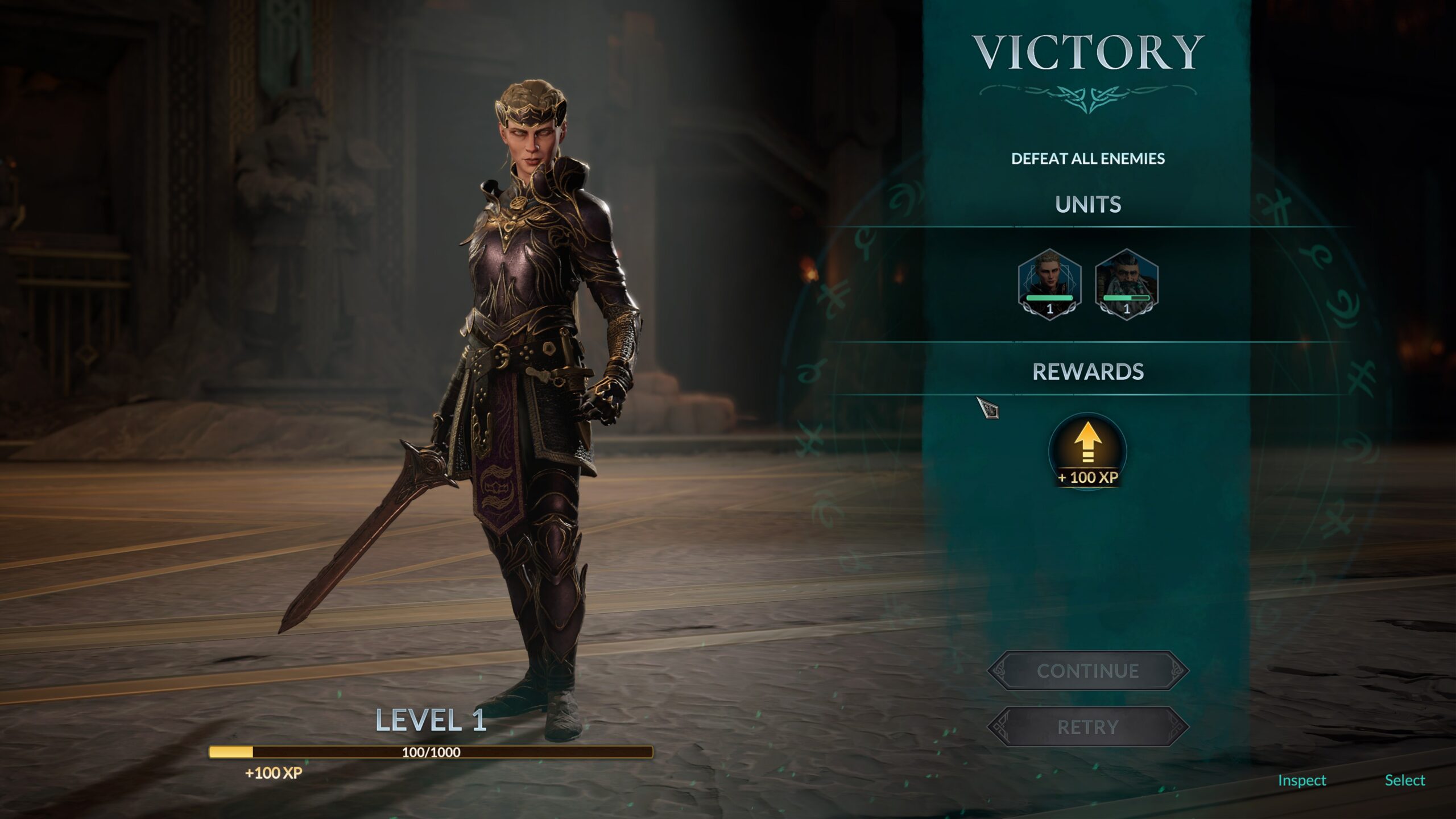
Despite these interlocking systems, I rarely felt that combat was groundbreaking. It’s competent and consistently engaging, yet the mechanics reminded me of countless board game-inspired adaptations that came before. Nevertheless, I found tactical timing especially satisfying when deliberately choosing to wait, forcing enemies to waste valuable action points before launching a decisive counterattack. Each battle grants experience, and the secondary objectives reward you with extra gear and progression, often encouraging specific constraints like avoiding spell usage — which adds an enjoyable layer of challenge and decision-making.
Formation, Timing, and Battlefield Control
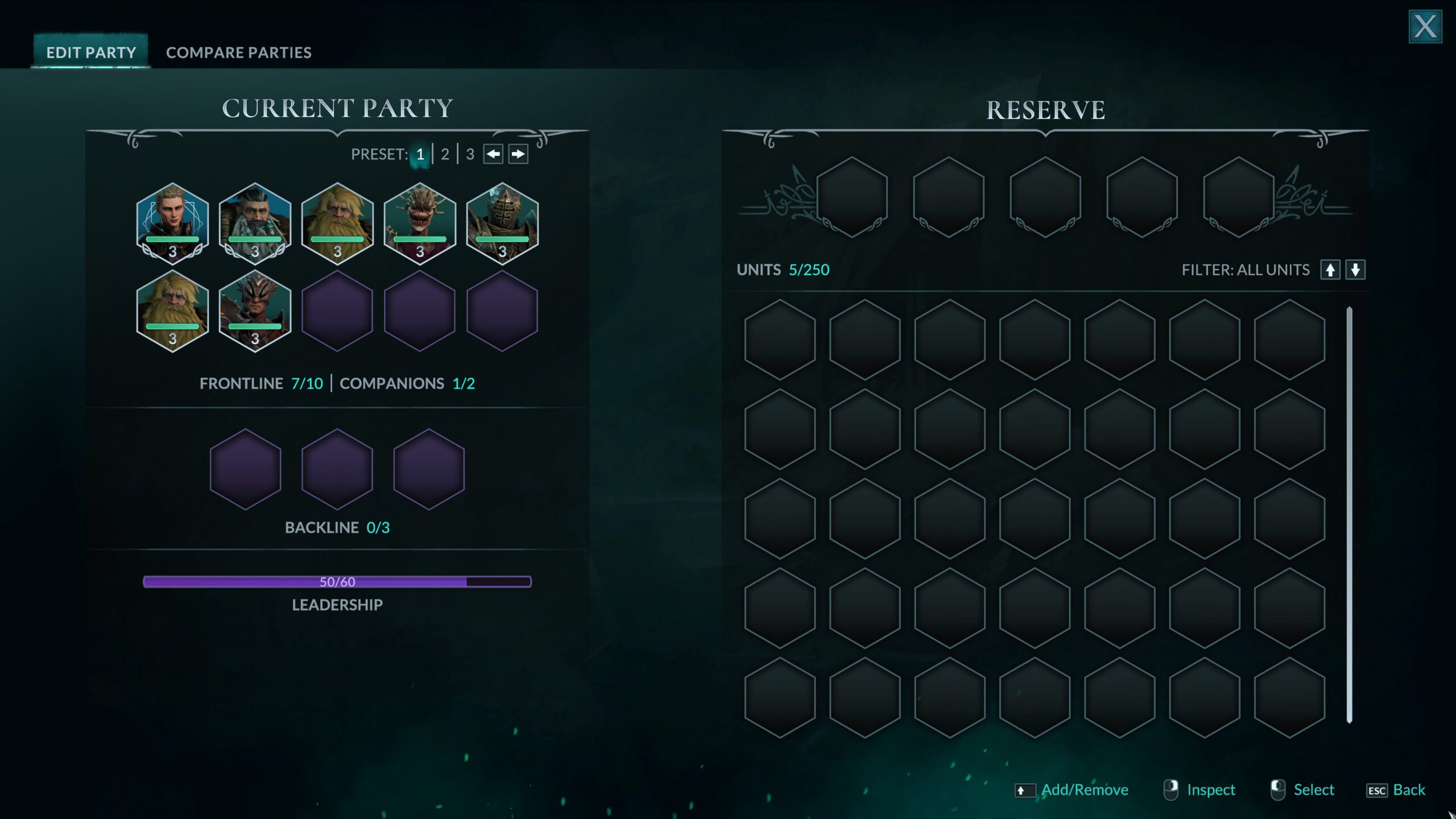
On top of that, party management introduces a frontline and backline formation structure. Frontline units are directly controlled but vulnerable, while backline units act automatically and cannot be directly targeted unless the frontline collapses. Losing all frontline units results in immediate defeat, which makes careful formation planning essential. Yes, Disciples: Domination’s difficulty can escalate quickly, with enemy groups fielding combinations of heavily armored Paladins, healing Priestesses, and even Disciples. Through trial and error, you gradually learn that progression often benefits from grinding smaller encounters to expand and strengthen your roster before tackling major story objectives.
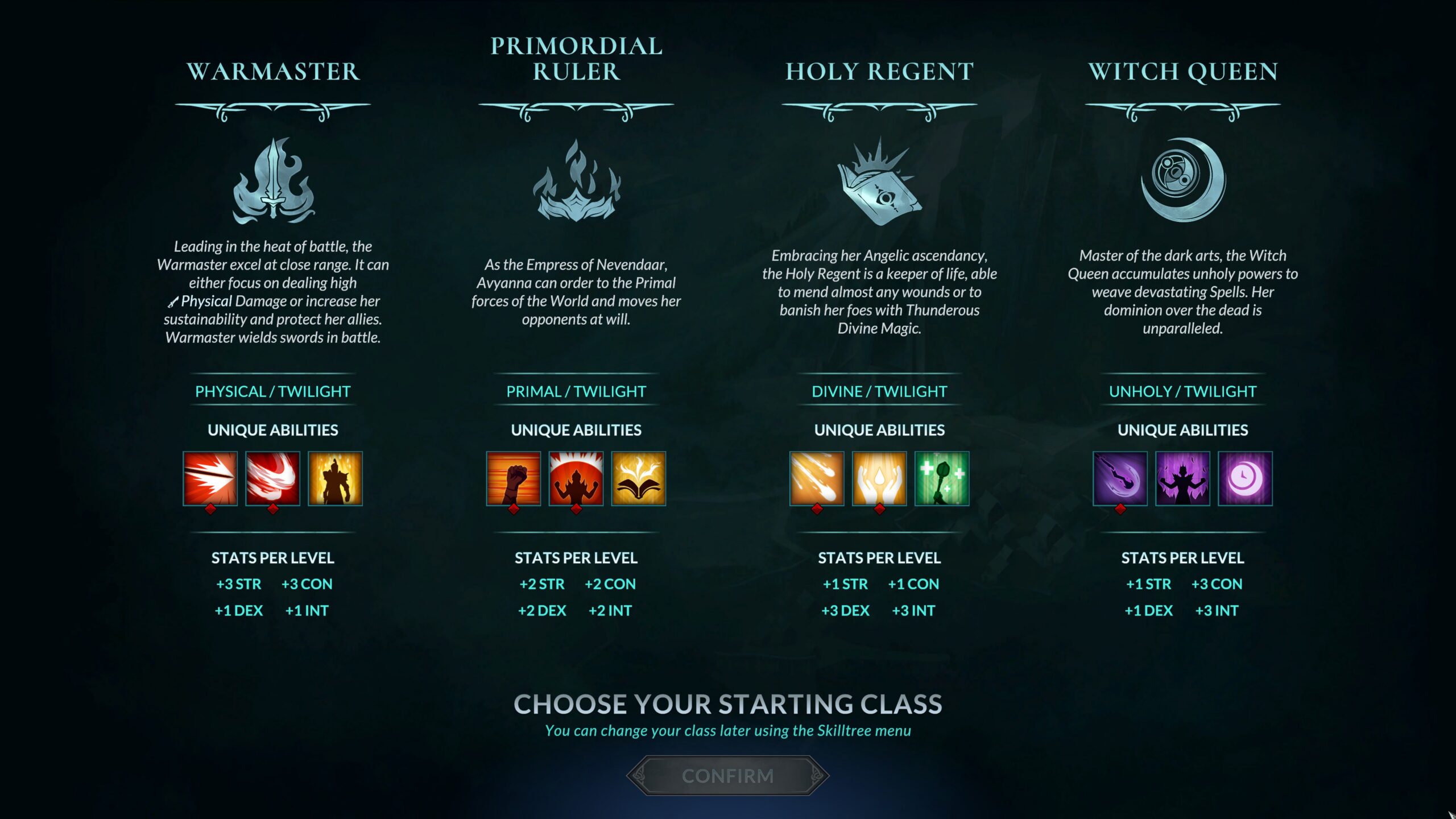
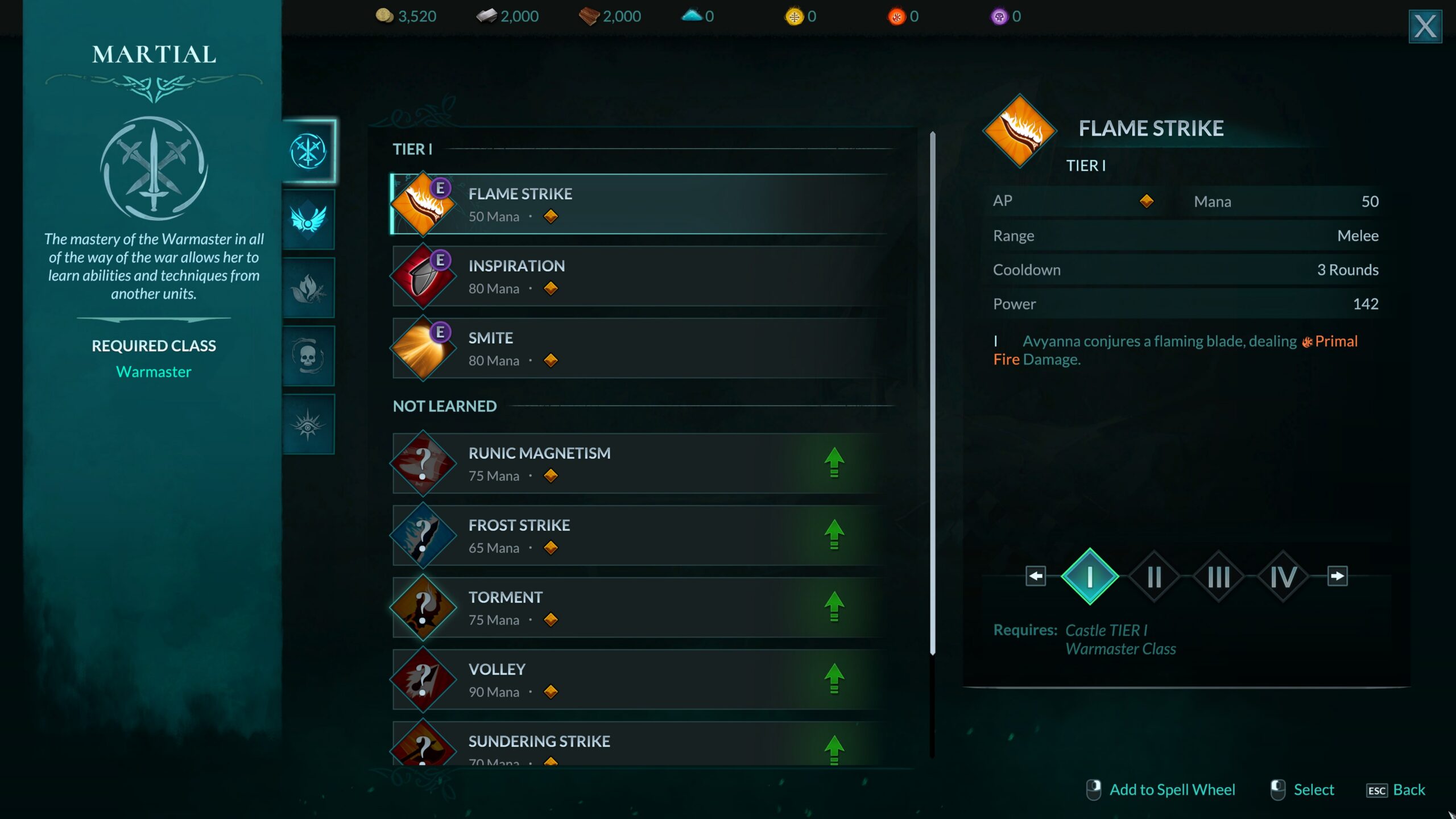
What’s also interesting though is that class selection happens early, yet can later be adjusted through a gold-based respec system. I quickly found myself drawn to the Warmaster for melee combat and battlefield leadership, while the Primordial Ruler manipulates natural forces and positioning, the Holy Regent channels divine healing and lightning-based judgment, and the Witch Queen commands dark magic and undead forces. Each class opens up distinct spell domains, though Twilight remains universally accessible. Spells consume mana and scale alongside castle tier upgrades, with quick-cast assignment only becoming available once a spell has been learned. As Yllian’s castle tier grows, leadership capacity also expands, gradually unlocking higher-tier recruits and building upgrades — which makes planning each step of progression feel satisfying and meaningful.
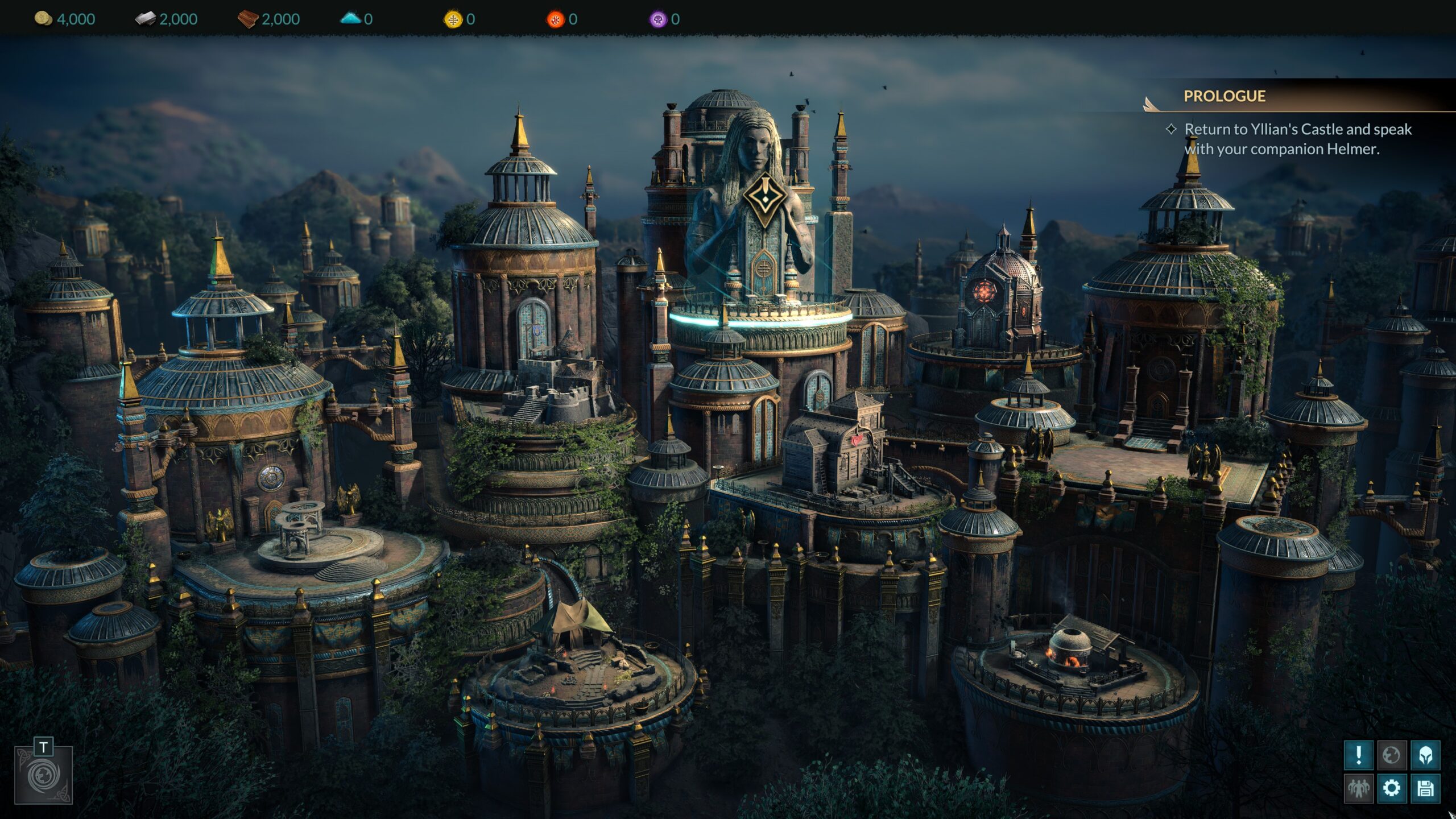
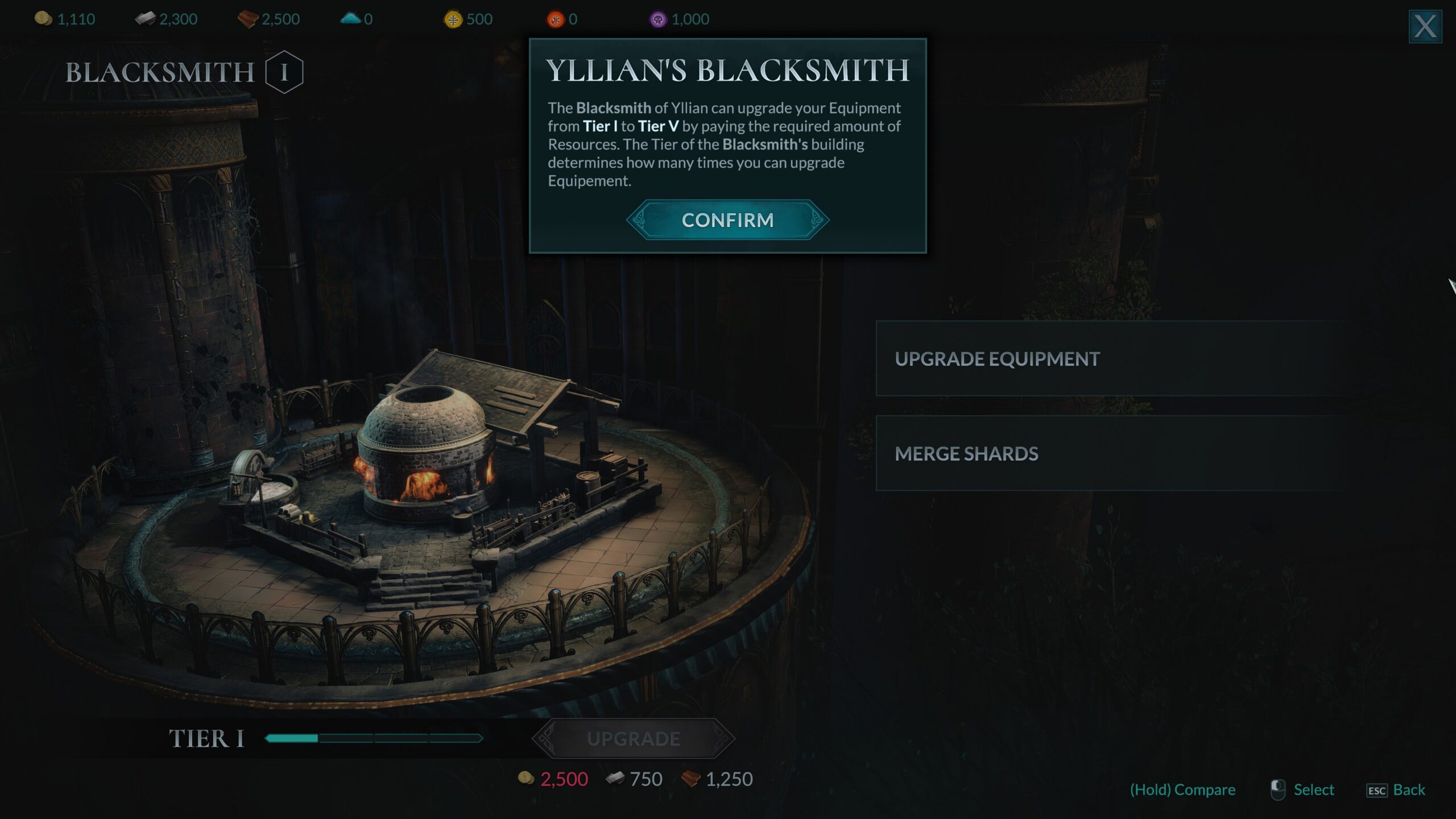
Building on that sense of progression, Yllian itself forms the strategic backbone of the campaign. Each faction maintains a dedicated structure that enables recruitment, upgrades, and passive bonuses, and how investing in these buildings directly strengthens allied factions while influencing their perception of your rule. The Dwarven Barracks, constructed during the prologue, perfectly exemplifies this system by granting access to Mountain Clan units once built. Additional facilities — including the blacksmith, market, temple, stone cradle, and undead quarters — support equipment enhancement and resource management. The blacksmith allows weapon upgrades through shard merging, while the market facilitates resource acquisition, though a more prominent selling function would have been beneficial.
Ruling Through Grievances and Political Balance
Beyond tactical battles, I really enjoyed the broader governance system centered in Yllian’s throne room. Here, Avyanna hears the grievances of her people — disputes uncovered during exploration or tied to the main narrative — and it immediately reminded me of the council moments in Pathfinder: Kingmaker. It’s up to you to decide how to respond, balancing resource expenditure with diplomatic judgment — and taking the consequences if that turns out to be a totally stupid choice.
Favoring one faction can make another resentful, and I often felt the pressure mounting as I tried to maintain equilibrium. The system adds a satisfying layer of macro-strategy, making it easy to feel the weight of ruling a fragile kingdom where every decision truly matters. Which makes it easily one of the best parts of this game.
On the Technical Side
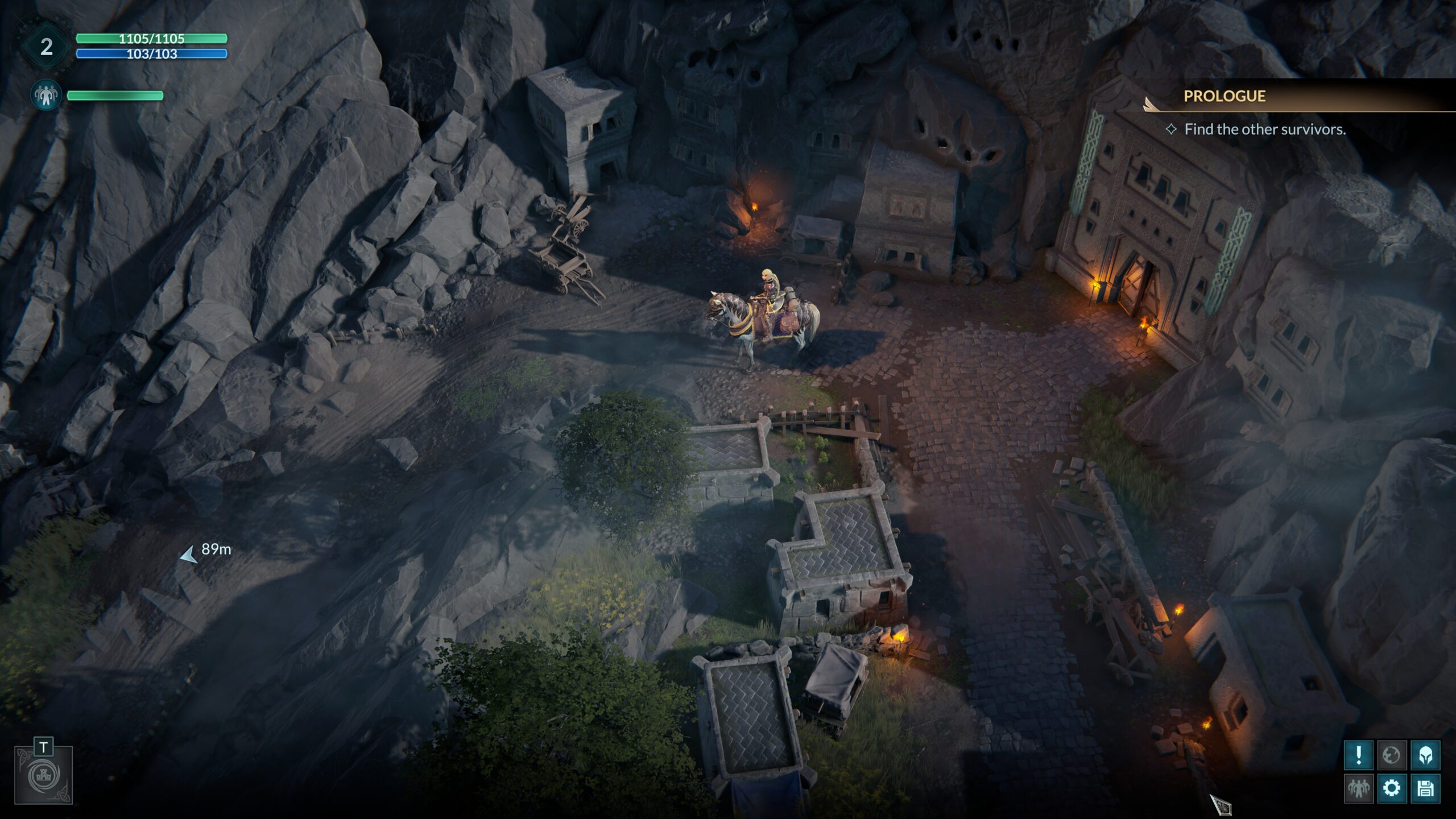
While exploring the isometric world map of Disciples: Domination, the decay and little details packed into every corner really stand out. Early areas mostly serve as transitions between battles, but soon the world opens up with capturable resource nodes, collectible materials, and environmental interactions that sometimes depended on which companion you bring along. Once you’re freed from all the dialogue and the micro- and macro-management, it’s a truly enjoyable experience to explore the world at your own pace and uncover its secrets.
Fast travel through waypoints makes moving around much easier, though you might wish the dungeons also had a minimap. The camera lets you zoom in and out, but can’t be rotated, and even zoomed out it sometimes feels a bit tight. I also noticed that performance stabilizes once shaders finish compiling, so those initial microstutters and occasional camera hiccups are just something you have to wait out.
Final Thoughts
Despite uneven dialogue, some limitations and quirks, Disciples: Domination stands as a confident evolution for the franchise. The political decision-making feels meaningful, the gradual construction of a formidable army is addictive, and Nevendaar remains a compelling realm to traverse. The turn-based combat delivers a consistent challenge, and for those seeking a more accessible experience, a Story Mode is available, along with plenty of customization options. As a soft reboot, it succeeds in offering a fresh entry point into the Disciples universe while honoring the thematic darkness that defines it.
Additional Information
Release Date: Feb 12, 2026
Reviewed On: PC. Download code provided by the publisher and PR agency.
Developer: Artefacts Studio
Publisher: Kalypso Media
Relevant links: Available on STEAM