DaRmaZat
Nearly three years after its initial release, This Bed We Made remains one of the more unique narrative experiments in recent indie memory. Its appeal begins with its 1950s Montréal setting, where it’s not cigarettes, candlelight, and old-fashioned courtship that provide the backdrop, but a prestigious yet unassuming hotel that sets the stage for a neo-noir-infused mix of romance and crime. From there, This Bed We Made weaves together personal secrets and emotional dilemmas through deeply human, emotionally charged conversations and player choices that can shape relationships. At the center of it all is the decidedly unconventional role of playing a chambermaid who moonlights as a detective.
From Housekeeping to Homicide
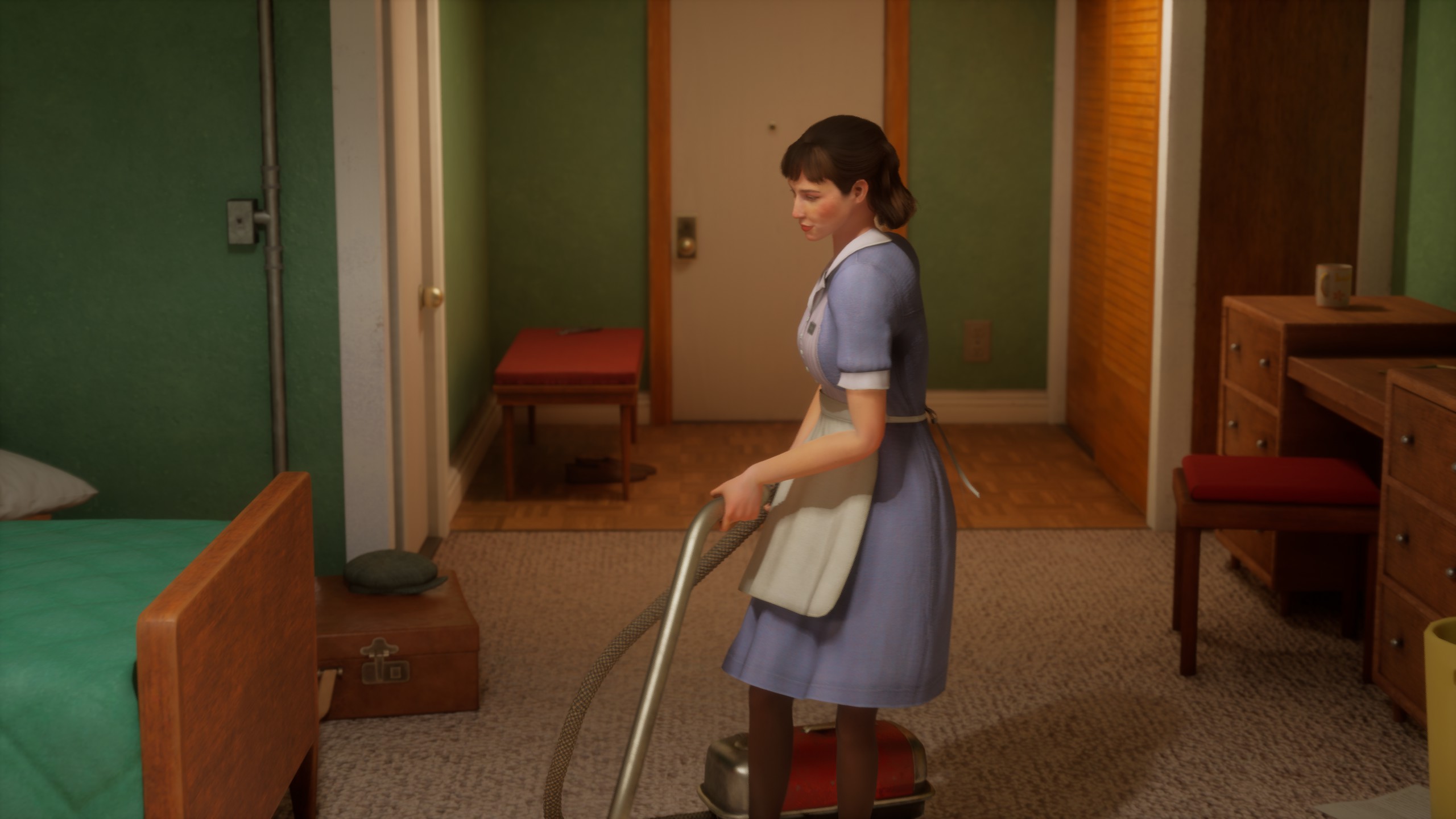
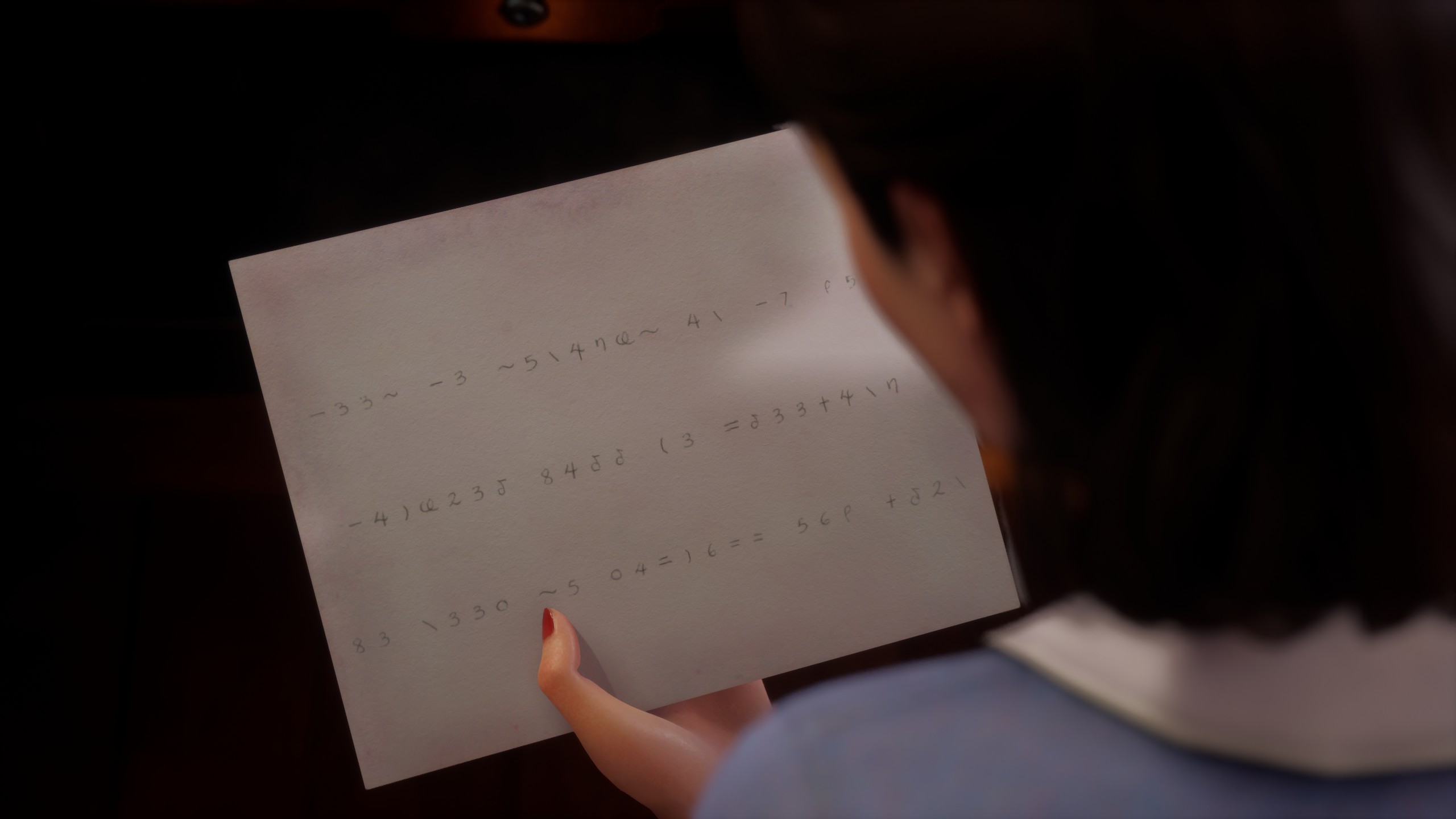
In This Bed We Made, you step into the shoes of Sophie Roy, a quiet and dutiful chambermaid working at the Clarington Hotel in 1950s Montréal. Leading a fairly dull and solitary life without a partner or real hobbies, Sophie spent years caring for her sick mother, who has since passed away. Cleaning hotel rooms is something she performs with meticulous, dutiful precision every single day. Yet Sophie harbors a strange habit: she cannot resist snooping through guests’ personal belongings, driven by a deep desire to understand who these people are and glimpse the world beyond her own small life.
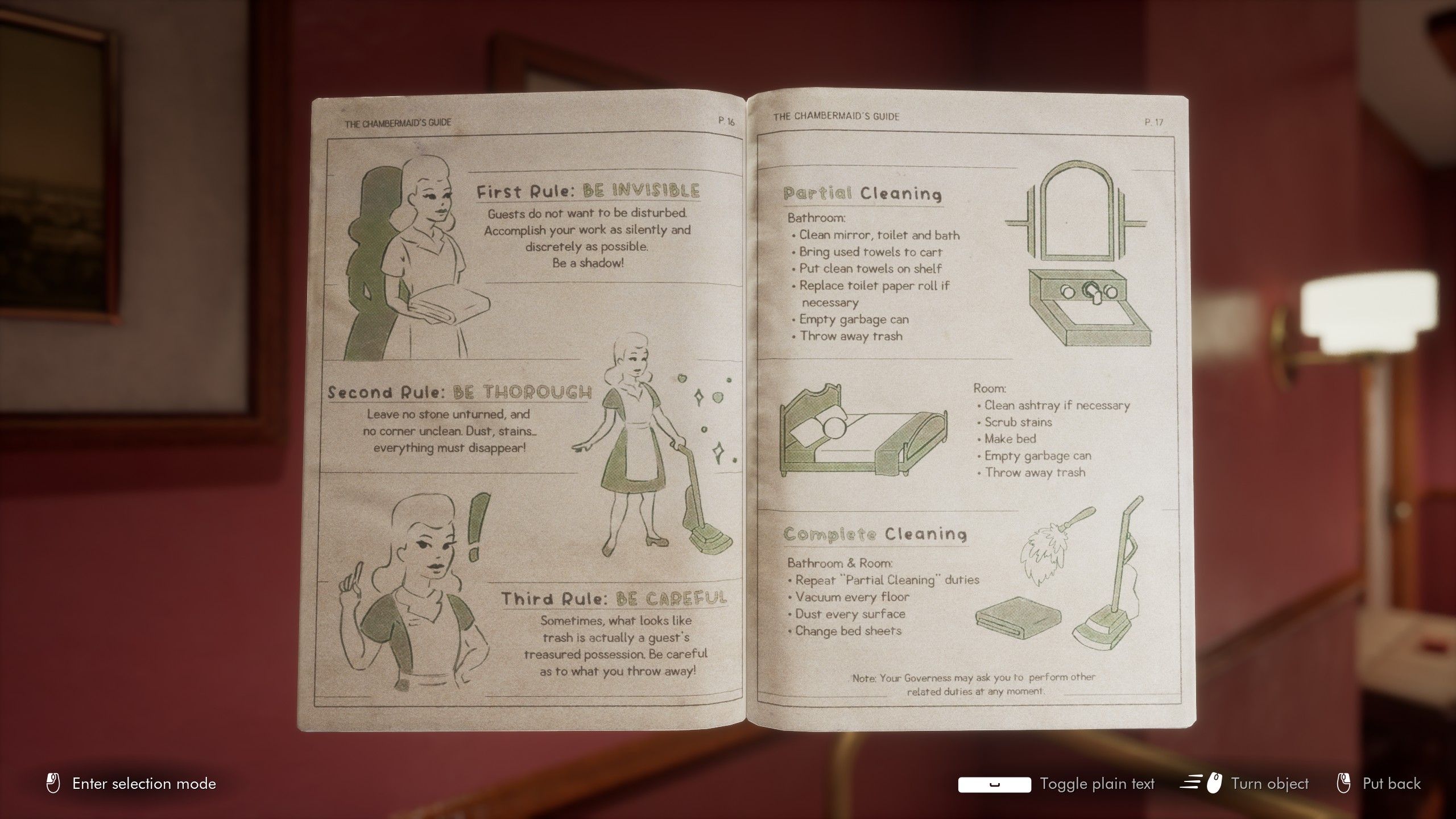
At the start, you spend time carrying out repetitive chores without much mechanical challenge. You scrub bathtubs, clean toilets and mirrors, replace towels, empty trash cans, and mop floors. Fortunately, these mundane duties are quickly put in service of the narrative. During a routine shift, management calls you to clean up a broken vase in the hotel lobby following an altercation between a couple staying at the hotel. From this point forward, the story gradually shifts from voyeurism and intrusive snooping into a dark murder mystery filled with love affairs and the drama that comes with them.
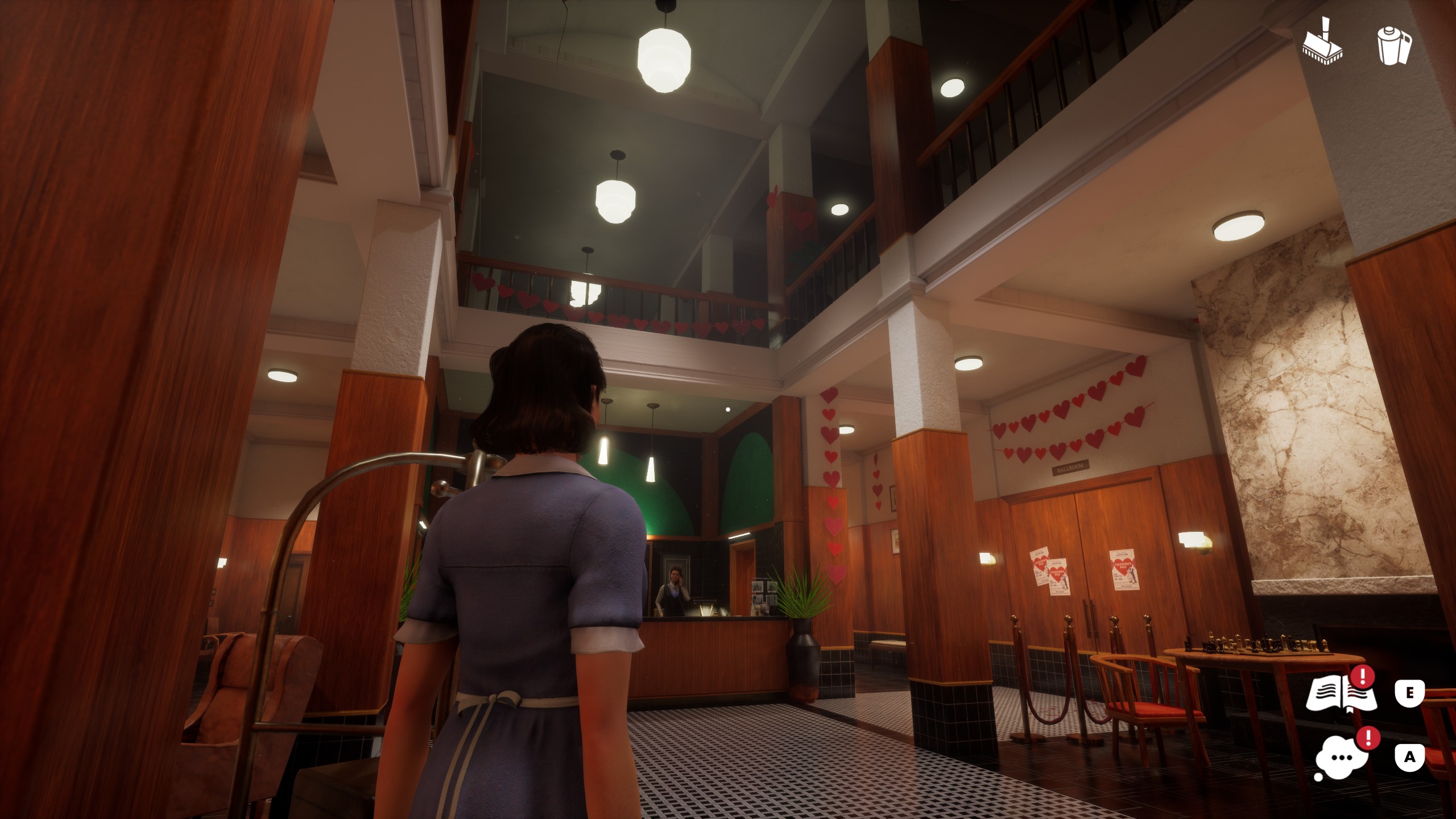
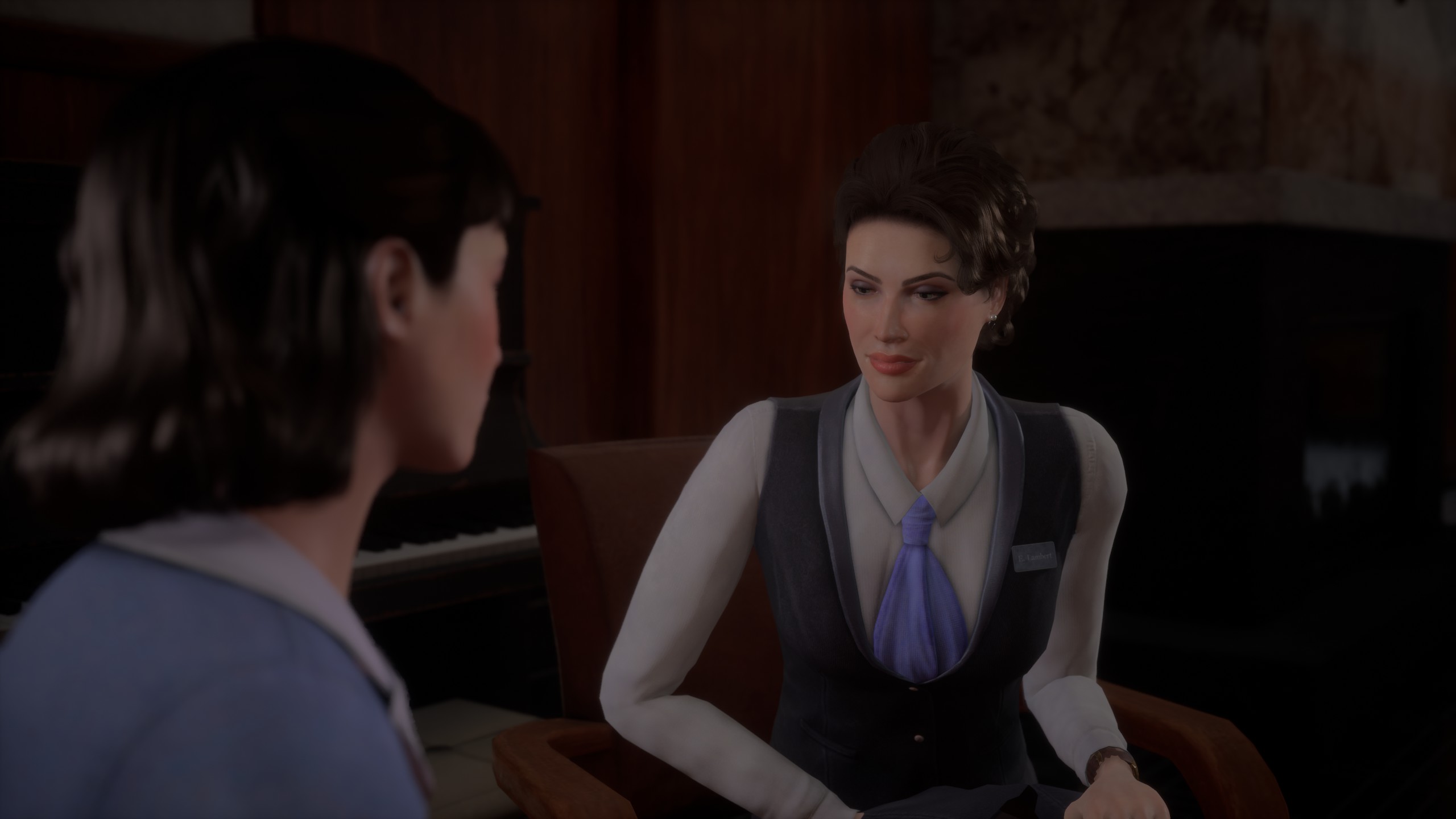
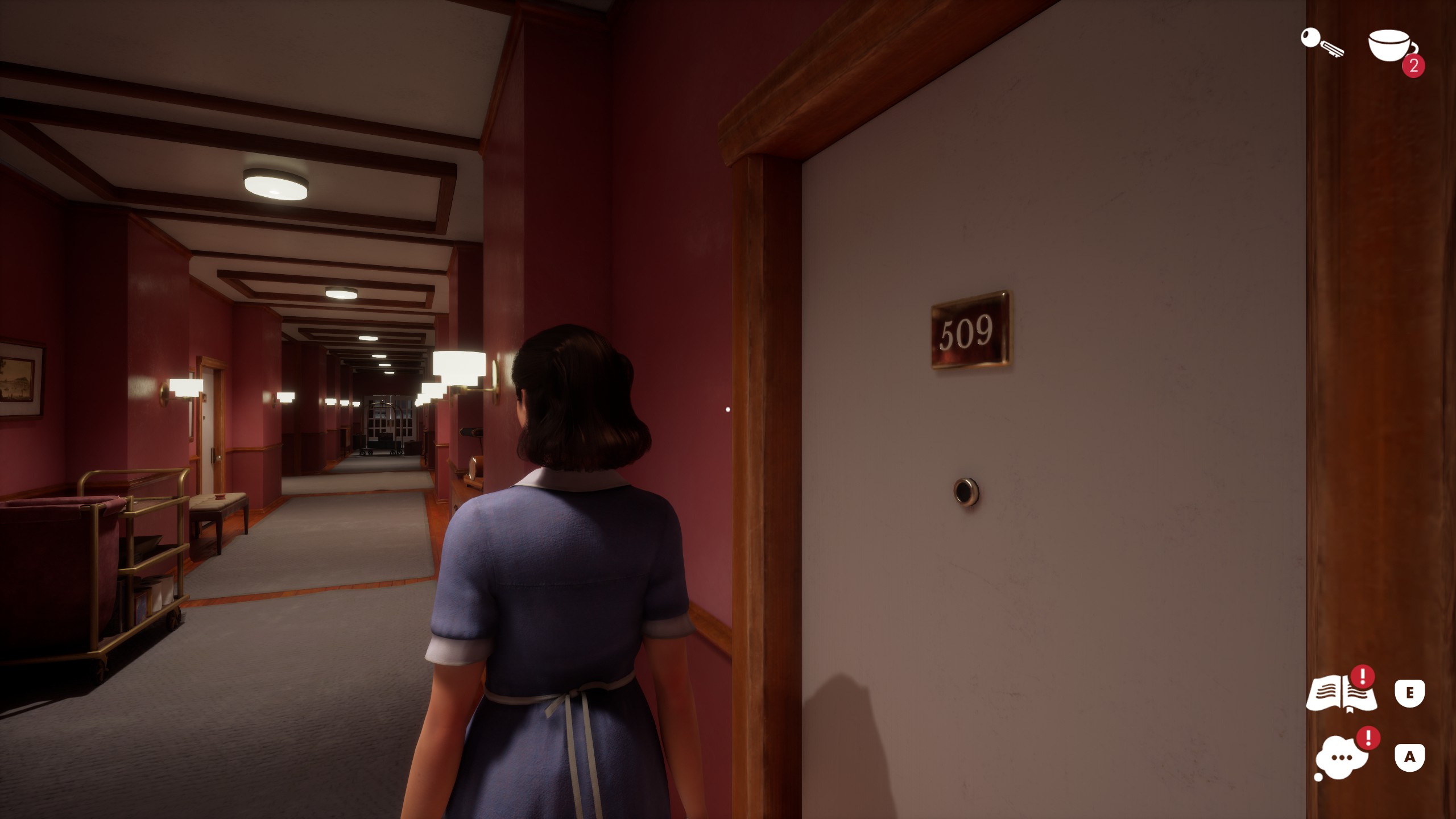
The Clarington Hotel still proves to be an ideal backdrop for the story as it unfolds. Its five floors deliver a strong 1950s atmosphere backed by a sultry, jazzy soundtrack. Most of the hotel’s guests never actually appear on screen, so you interact primarily with receptionist Beth, her assistant Andrew, and Bernard, the stereotypically intimidating hotel manager who, unfortunately for Sophie, also happens to be her boss. Forming closer bonds with either of the two romance options – the seductive Beth or the book-smart Andrew – gives you a degree of personal agency over Sophie’s relationships, but the core investigation revolves around turning guests’ rooms inside out between your daily chores.

Snooping, Lying, and its Limits
I still remember the genuine tension of those first few hours, as you sneak around in strangers’ rooms, rummaging through their belongings, opening suitcases and reading private letters. That suspense gradually fades, however, once you realize there is never any real threat of getting caught while snooping. Sophie can poke around with virtually no risk of being discovered.
Because you regularly have to solve light puzzles, they help break up the rather slow investigative work, though figuring out where to go next can occasionally feel vague. The built-in hint system offers very little help here, as instead of providing dynamic or progressive clues based on your current step in a puzzle, it merely gives you a single static tip.
Perhaps more than anything else, revisiting the game reminded me just how little your physical actions inside the rooms actually matter. Cleaning up evidence, closing doors and suitcases after searching them, or throwing away personal items carries no narrative consequence whatsoever. The story turns out to be mostly linear, and the meaningful choices reside almost entirely within dialogue branches – specifically whether Sophie chooses to lie, conceal information, or tell the truth. Furthermore, the ending itself also comes off as somewhat disappointing. It leaves much of the mystery up to speculation regarding who actually did what, while shifting the focus toward whether Sophie herself will face consequences for her actions.

Welcome To The Roaring Fifties
On an audiovisual level, the game’s aesthetic was one of its biggest selling points for me when I first played it, and revisiting it, that hasn’t really changed. Period-accurate decor, atmospheric lighting and a jazzy soundtrack capture the 1950s mood remarkably well, giving the game a distinctive noir identity that I found particularly appealing despite its indie limitations. The voice acting also holds up well, with Sophie’s soft cadence contrasting wonderfully with Beth’s seductive tone and Bernard’s dominant, pushy voice.
That said, the obvious indie flaws are still hard to overlook. Lip-syncing is far from impressive, character animations often feel stiff, and a few awkward cutscenes feature expressionless facial animations, while at other times, characters inexplicably break into smiles during serious plot moments.
Final Thoughts
Almost three years on, This Bed We Made still stands up as a stylish, atmospheric neo-noir mystery driven by a truly distinct premise. Taking on the role of a nosy 1950s chambermaid searching for answers behind closed doors provides a captivating hook that comfortably carries its brief three-to-six-hour runtime.
Its flaws – a complete lack of risk while snooping, a rigid hint system, and the realization that environmental choices carry less weight – are certainly easier to spot upon revisiting it. Yet, despite a few dips in the writing and a somewhat vague conclusion, its solid voice work and moody setting still make the Clarington Hotel an intriguing place to snoop around.
Additional Information
Release Date: Nov 1, 2023
Reviewed On: PC. Download code provided by the publisher and PR agency.
Developer: Lowbirth Games
Publisher: Lowbirth Games
Relevant links: Available on Steam.