DaRmaZat
 Paranormal investigation. It’s one of those concepts that always sounds intriguing whenever it pops up. As a kid, I was endlessly fascinated by the occult and how much of it might actually be grounded in reality. After all, where there’s smoke, there’s fire… right? Or is the human brain just destined to invent convenient nonsense every now and then? In The Occultist, protagonist Alan Rebels is chasing answers of his own after his father’s disappearance—only unlike me, he’s supposedly a professional paranormal investigator. That alone should make for a compelling starting point, right?
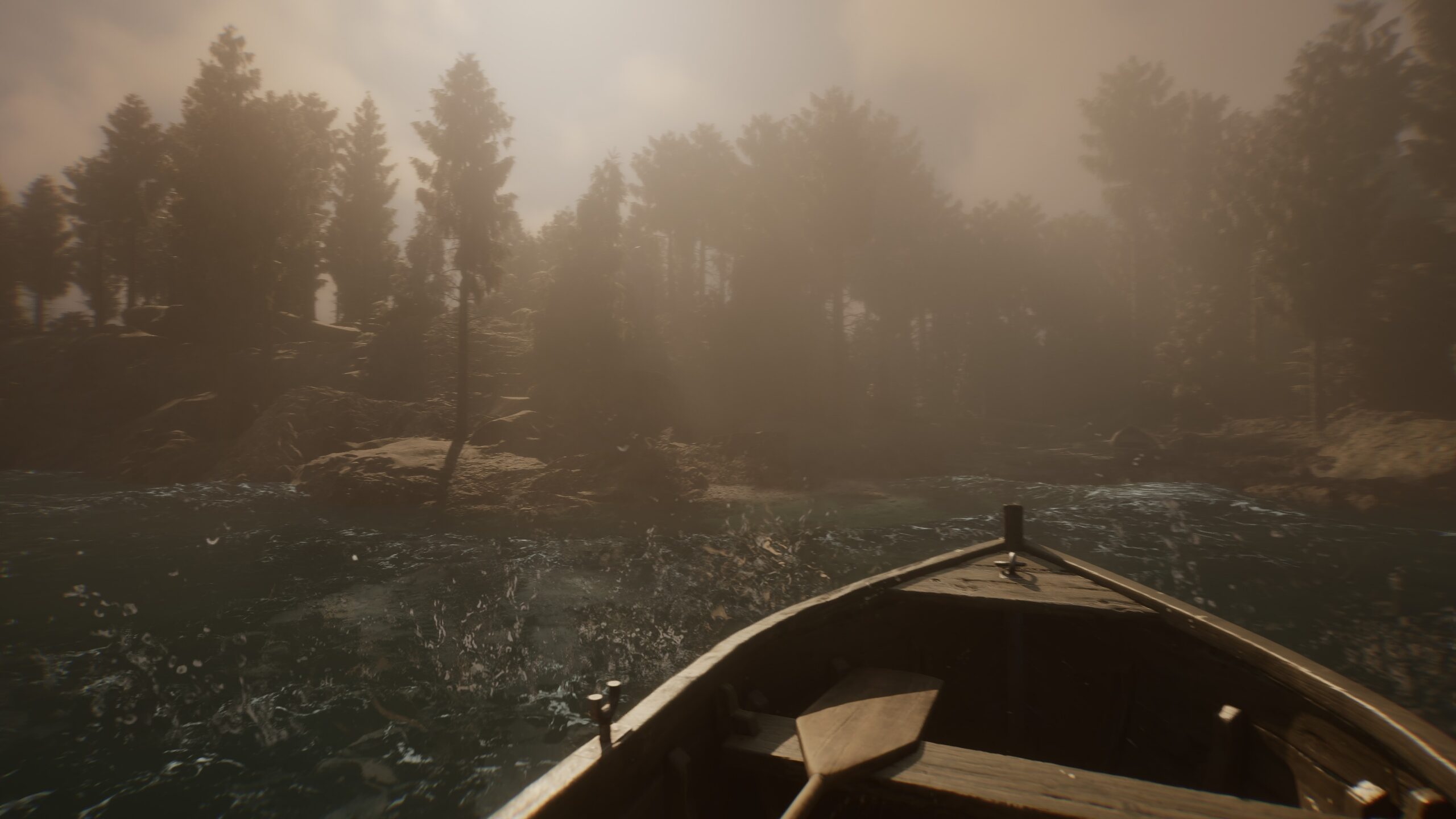
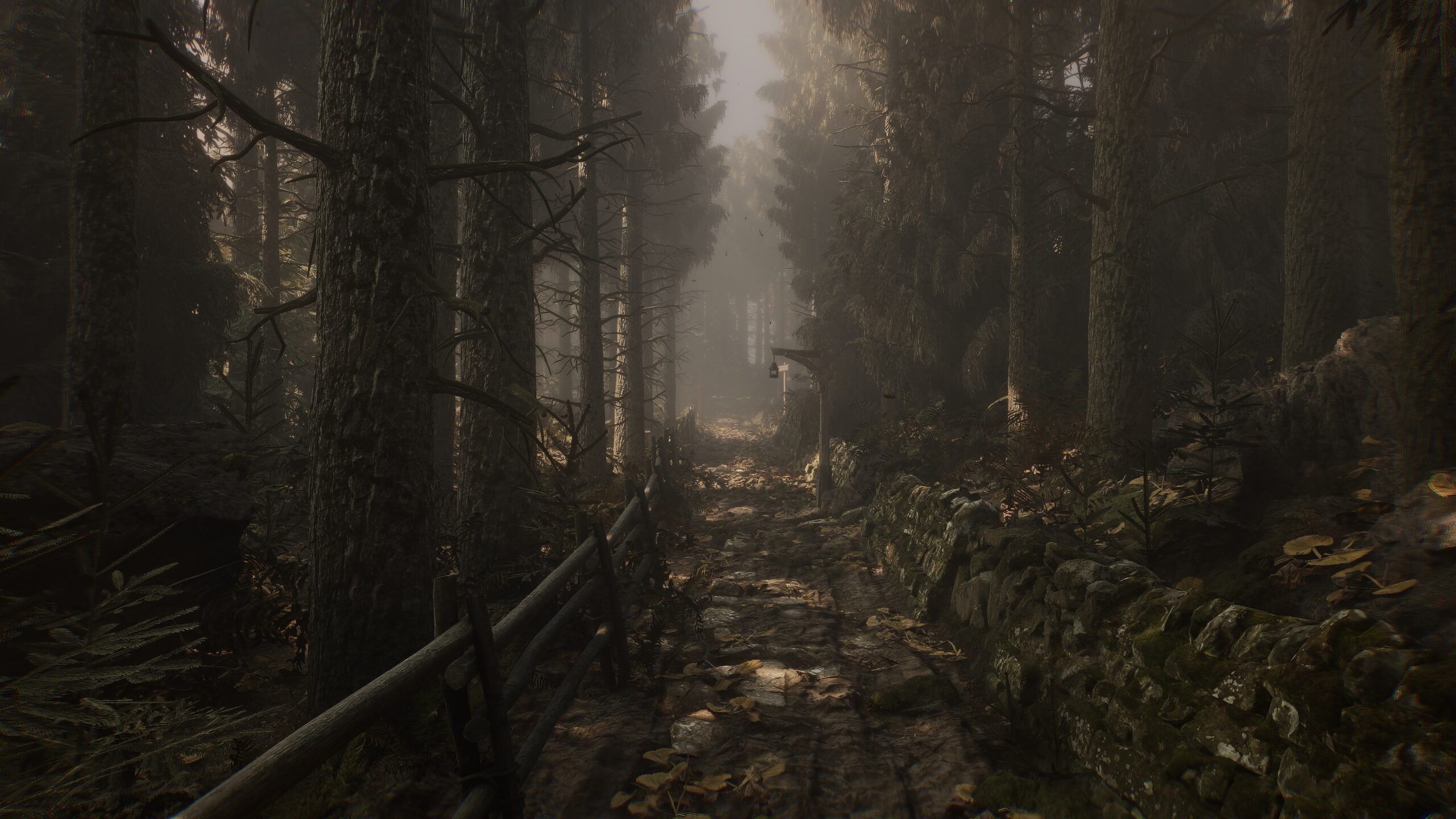
Alan arrives by boat on the mysterious island of Godstone, guided by his pendulum and vague mentions of a family curse tied to his father. Why Godstone specifically remains unclear at first, leaving it up to you to piece things together. The opening leans heavily into a slow, atmospheric “walking sim” structure: a collapsed bridge, a strange bird guiding your path, a deer used as a jumpscare, and above all, a dense, ever-present mist hanging over the environment. The island itself carries the legacy of a long-abandoned cult that once performed disturbing rituals here, adding some much-needed narrative intrigue early on.
A Pendulum With Potential, Barely Realized
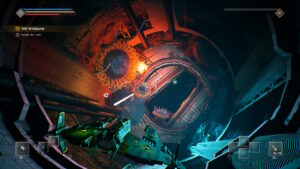
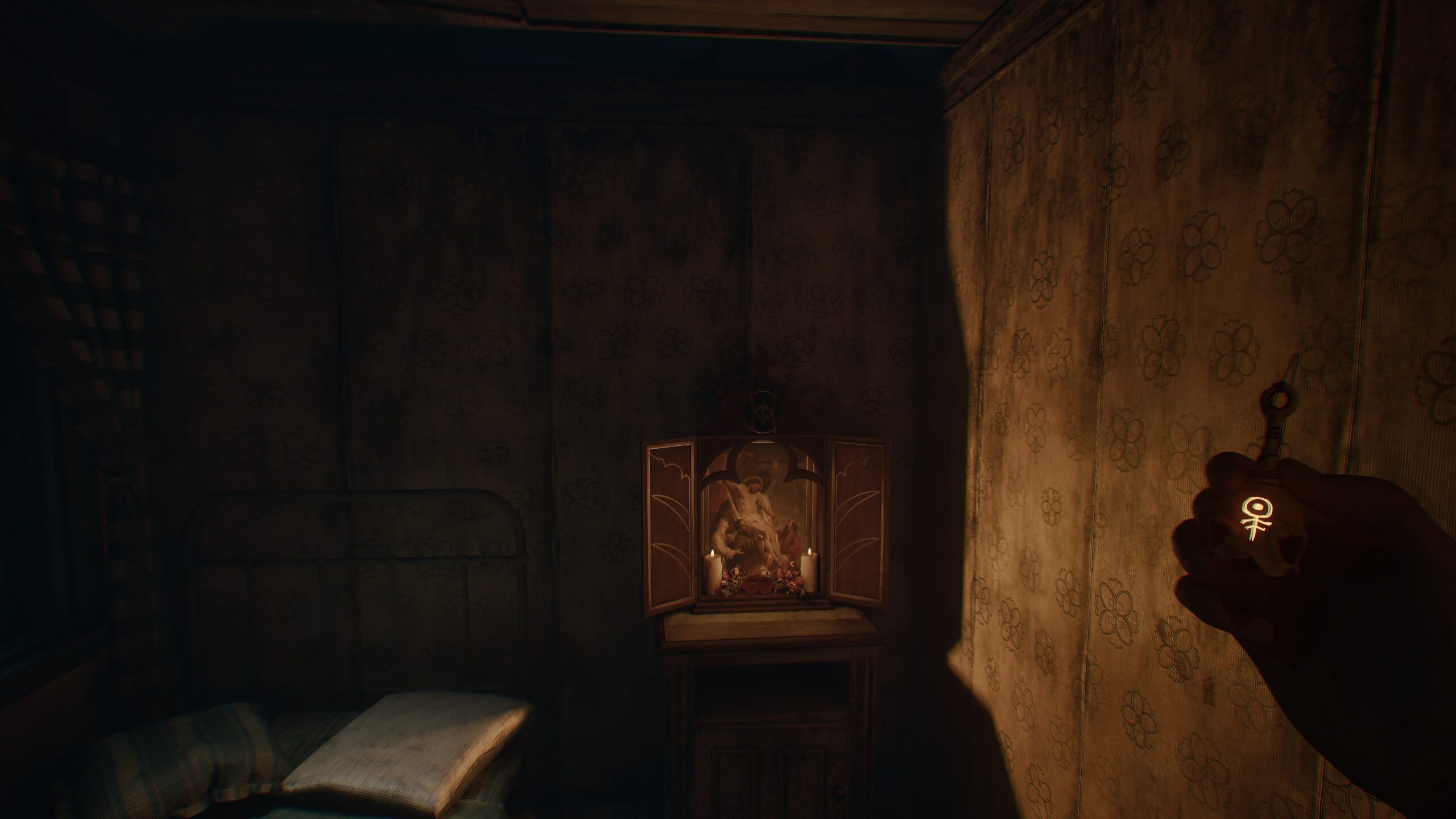
Before long, Alan’s pendulum becomes central to gameplay through the Vera Visio ability, allowing you to detect anomalies and reveal hidden or lost objects. It’s positioned as a multi-purpose paranormal tool with several mechanics, yet rarely evolves beyond simple scanning. You’ll encounter spirits, keys, notes, and the occasional environmental clue, but the loop quickly boils down to very traditional interactions.
Despite the premise of being a trained investigator, Alan never feels particularly capable without the pendulum—strip it away, and he’s essentially just a regular guy reacting to events rather than mastering them.
Linear Design and Frustrating Logic
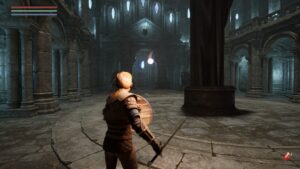
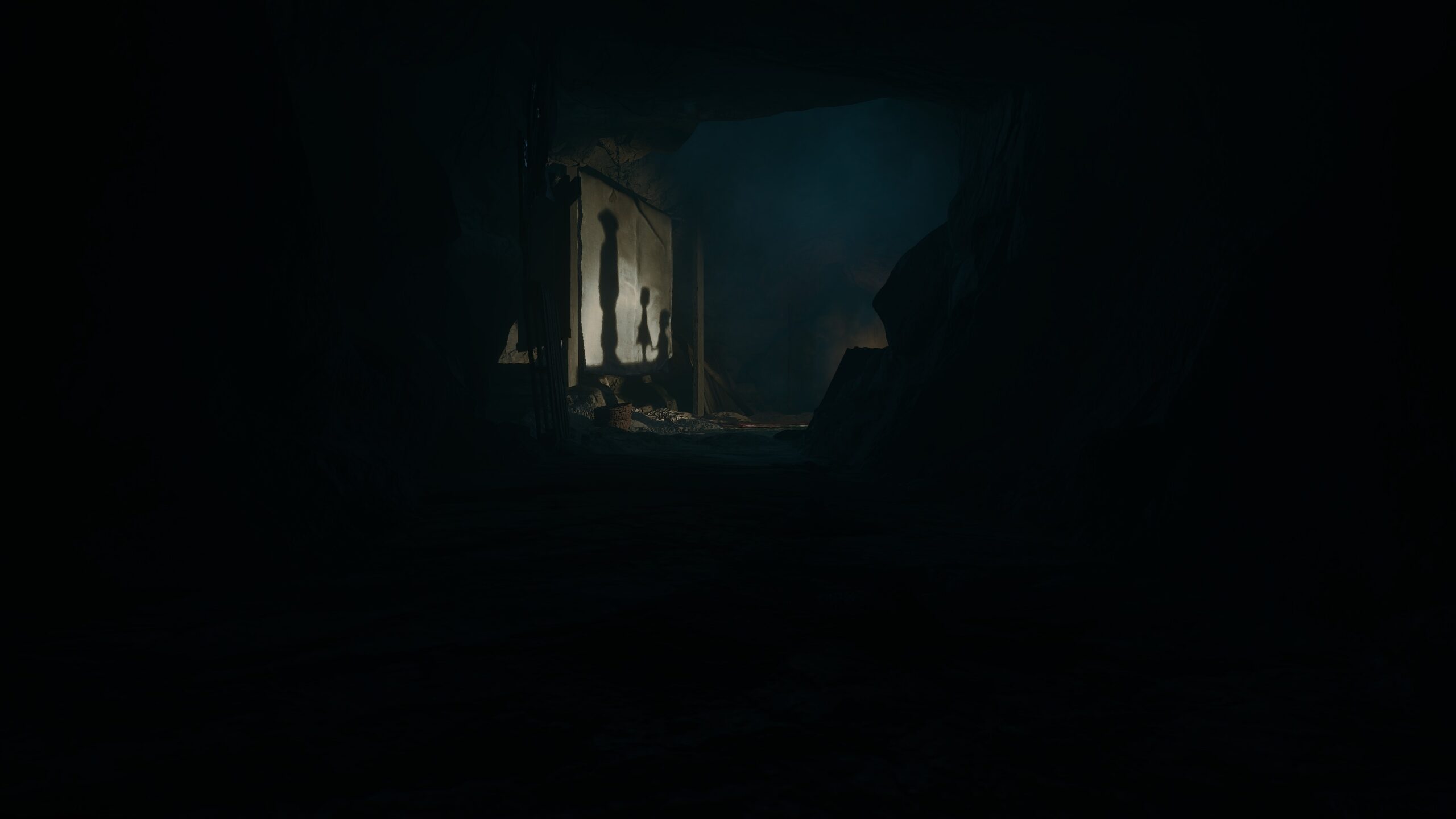
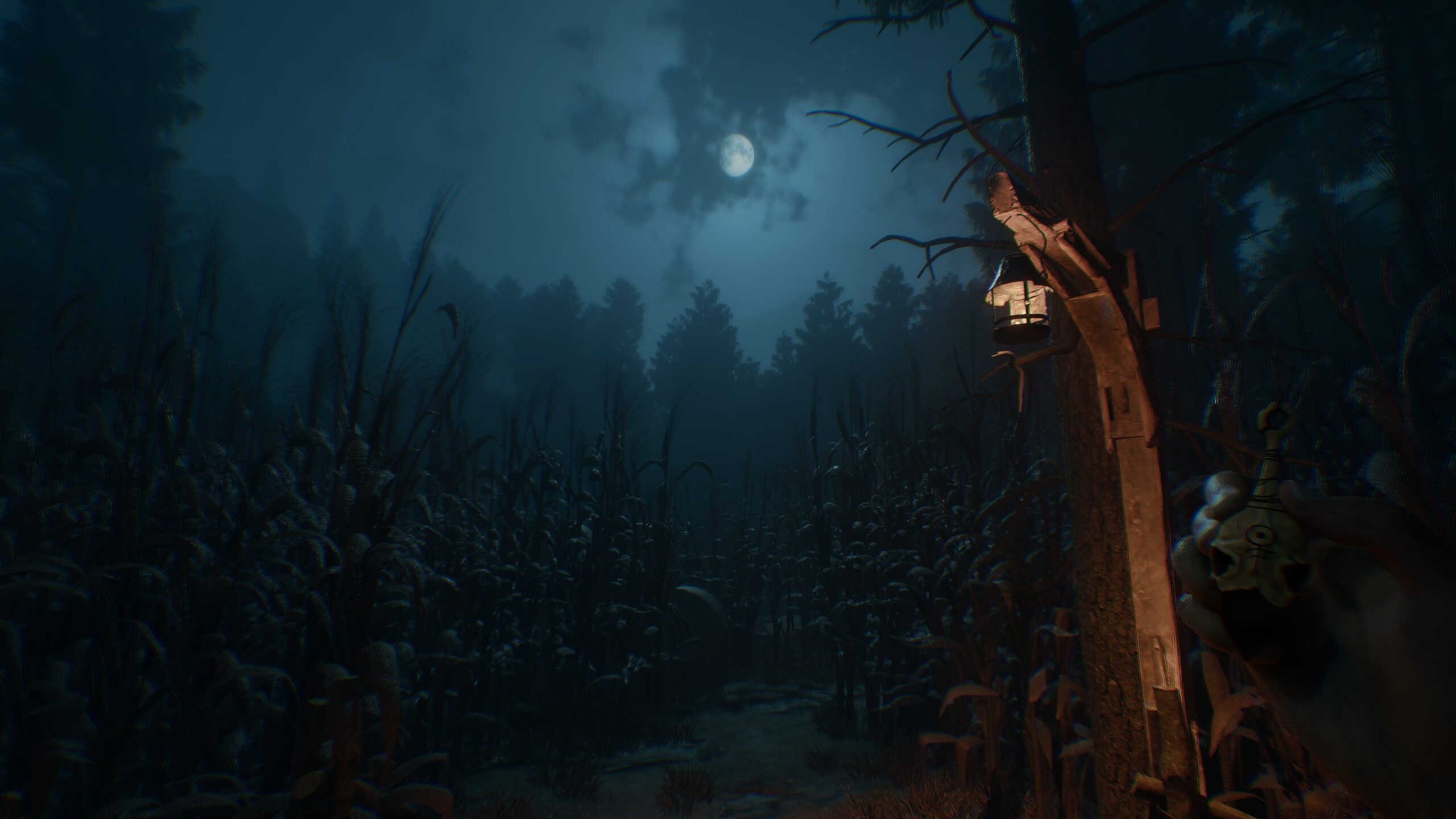
Exploration in The Occultist is extremely linear, both outdoors and indoors. Areas like a farm or an orphanage feel familiar to the point of cliché, and your freedom is heavily restricted by invisible barriers. Cornfields, for example, block your path as if they were solid walls, immediately breaking immersion. Even early sections make it clear how confined everything is, with only a handful of rooms available at any given time.
The visuals themselves are also a mixed bag. While the environments look solid—likely thanks to Unreal Engine 5—the stiff animations undermine that presentation. Unfortunately, the same inconsistency applies to the puzzles.
Most puzzles revolve around basic item hunting—find a key, a hammer, or a code—often located mere seconds away from where they’re needed. This makes the pendulum feel redundant, quickly fading into the background instead of being a core mechanic. Worse still are the logic issues. In one case, I had the correct item to progress, yet the game refused to accept it because I hadn’t triggered an unrelated cutscene on a different floor. That kind of puzzle design isn’t just counterintuitive—it’s outright frustrating.
A Protagonist That Undermines the Mood
Alan himself doesn’t help matters. His voice acting feels off, and his personality comes across as oddly arrogant rather than engaging. He frequently blurts out a loud “What?!” at the slightest disturbance, which quickly becomes grating and actively undercuts the tension.
This disconnect becomes even more noticeable when you consider he’s supposed to be an experienced investigator, yet constantly reacts with surprise to the very phenomena he should be accustomed to. The development of his character is minimal, making it difficult to care about his journey, his connection to the island, or his fate.
Soft Horror, Awkward Consequences
For a game centered around occult horror, the scares rarely land. The ghosts never truly feel threatening, and encounters lack impact. Deaths are especially awkward. Sometimes a spirit briefly addresses you, then you abruptly die and reload close to where you left off. There’s little punishment, which strips away any sense of danger. Even the health system—visually represented through the darkening of Alan’s hand—fails to create real tension. You’re rarely pressured into careful play, as retries offer the quickest fix, making the experience feel oddly forgiving for a horror title.
The sound design doesn’t help either. The voice acting is inconsistent, and the constant, unexplained heartbeat sound effect feels lifted from other survival horror games without understanding why it works there. Instead of building tension, it becomes irritating over time.
Ideas Without Cohesion
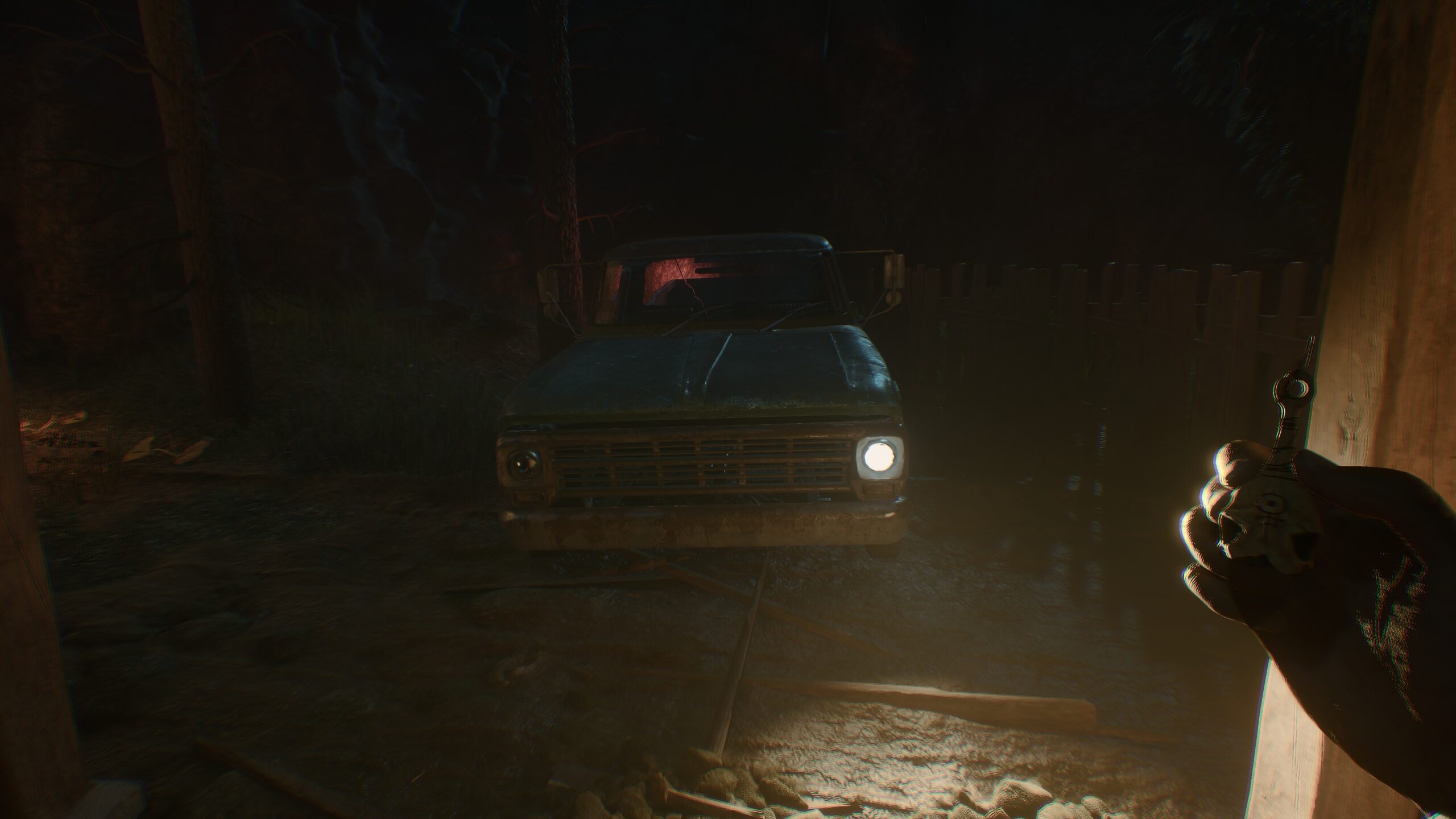
There are glimpses of ambition in The Occultist, though. The island’s backstory involving cult activity, the use of documents and environmental storytelling, and the variety of paranormal encounters all suggest a richer narrative underneath. But the execution feels scattered. Events happen without proper buildup, enemy types feel randomly inserted, and the script often seems to skip crucial connective tissue.
There are hardly any quality-of-life features worth mentioning. Quick-time events can be toggled to “hold” inputs, which is a welcome option. However, control customization is oddly limited—certain actions, like “Close”, cannot be rebound to more intuitive keys like Escape. Also, there is no manual save option available, but whether you actually need it is another question.
Final Thoughts
The Occultist feels like a project full of ideas that never fully come together. What starts as a promising investigation into a missing father on a mysterious island gradually turns into a disjointed experience with underdeveloped mechanics and inconsistent storytelling. There are positives—the atmosphere has its moments, the pendulum concept has potential, and the visual presentation can be striking at times—but they’re outweighed by linear design, illogical puzzles, weak character work, and a surprising lack of tension.
It’s not outright terrible, but it struggles to rise above mediocrity. With stronger writing, more coherent mechanics, and better use of its core ideas, this could have been something far more memorable. As it stands, it’s an investigation that raises questions—but rarely delivers satisfying answers.
Additional Information
Release Date: Apr 8, 2026
Reviewed On: PC. Download code provided by the publisher and PR agency.
Developer: DALOAR
Publisher: Daedelic Entertainment
Relevant links: Available on STEAM