DaRmaZat
 From The Game Kitchen, creators of Blasphemous, and Dotemu, the publisher behind retro revivals like TMNT: Shredder’s Revenge, Ninja Gaiden: Ragebound is a bold side-scrolling reimagining of one of action gaming’s most iconic franchises. It’s not just a tribute to the NES-era classics—it’s a reinterpretation built on speed, brutality, and precision, striking a satisfying balance between modern design and old-school spirit.
Legacy in the Shadows
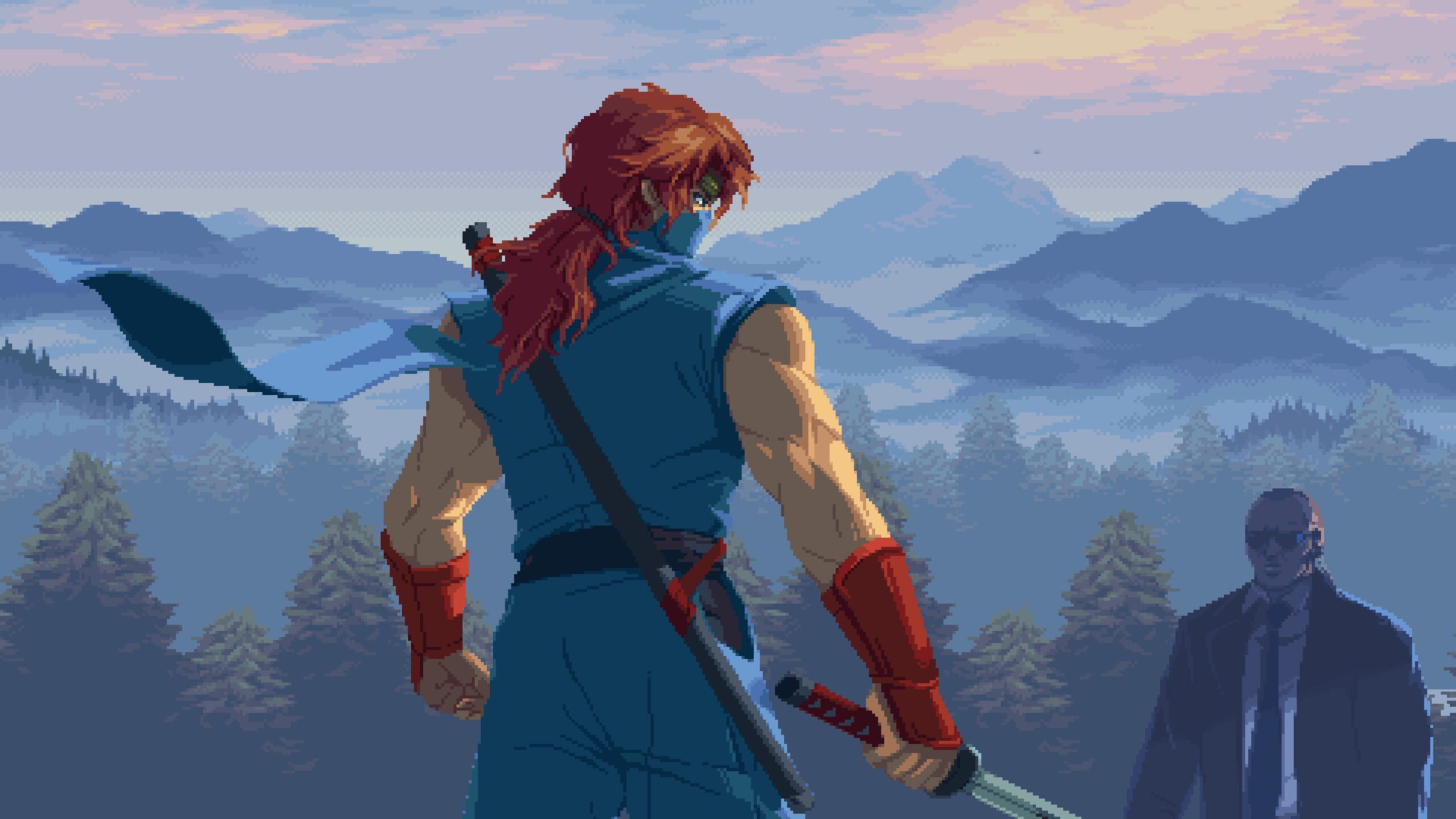
What begins as a respectful nod to series lore quickly shifts gears when a shrine maiden delivers devastating news: Master Jo Hayabusa is dead. Ryu is dispatched to America to honor his father’s final wish, setting the stage for a generational handoff. With demons pouring in from the underworld, it’s up to young ninja Kenji Mozu to take action—driven by duty and vengeance.
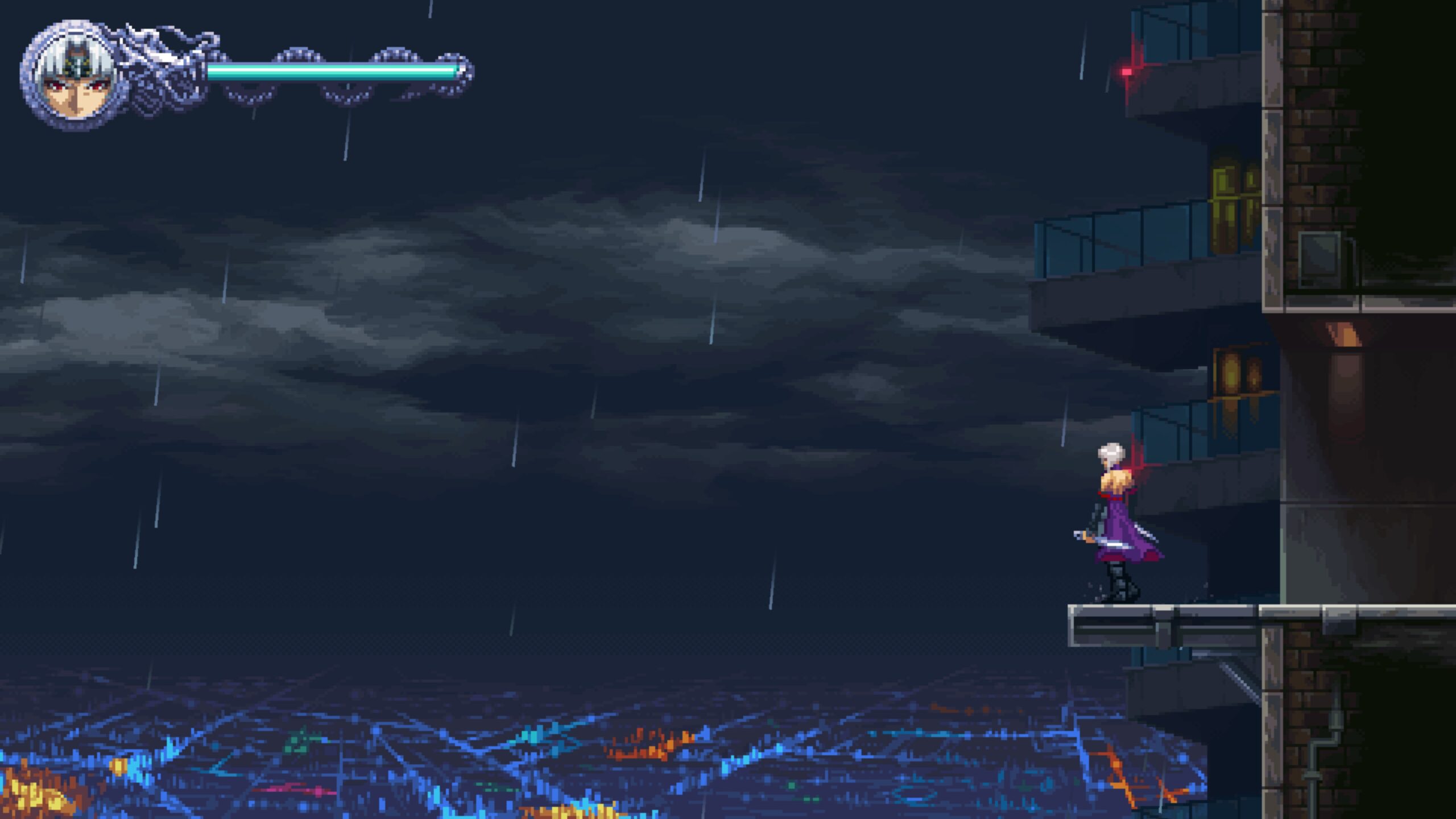
That setup launches a story that feels fast, pulpy, and grounded in classic ninja fiction, but it gains nuance through shifting perspectives and escalating stakes. Eventually, you take control of Kumori, a deadly kunoichi tied to the Black Spider Clan. Her arrival opens up a darker, more modern setting filled with high-rises, laser turrets, and urban infiltration—strong echoes of the more futuristic levels in past Ninja Gaiden titles.
Cut Deep, Move Fast
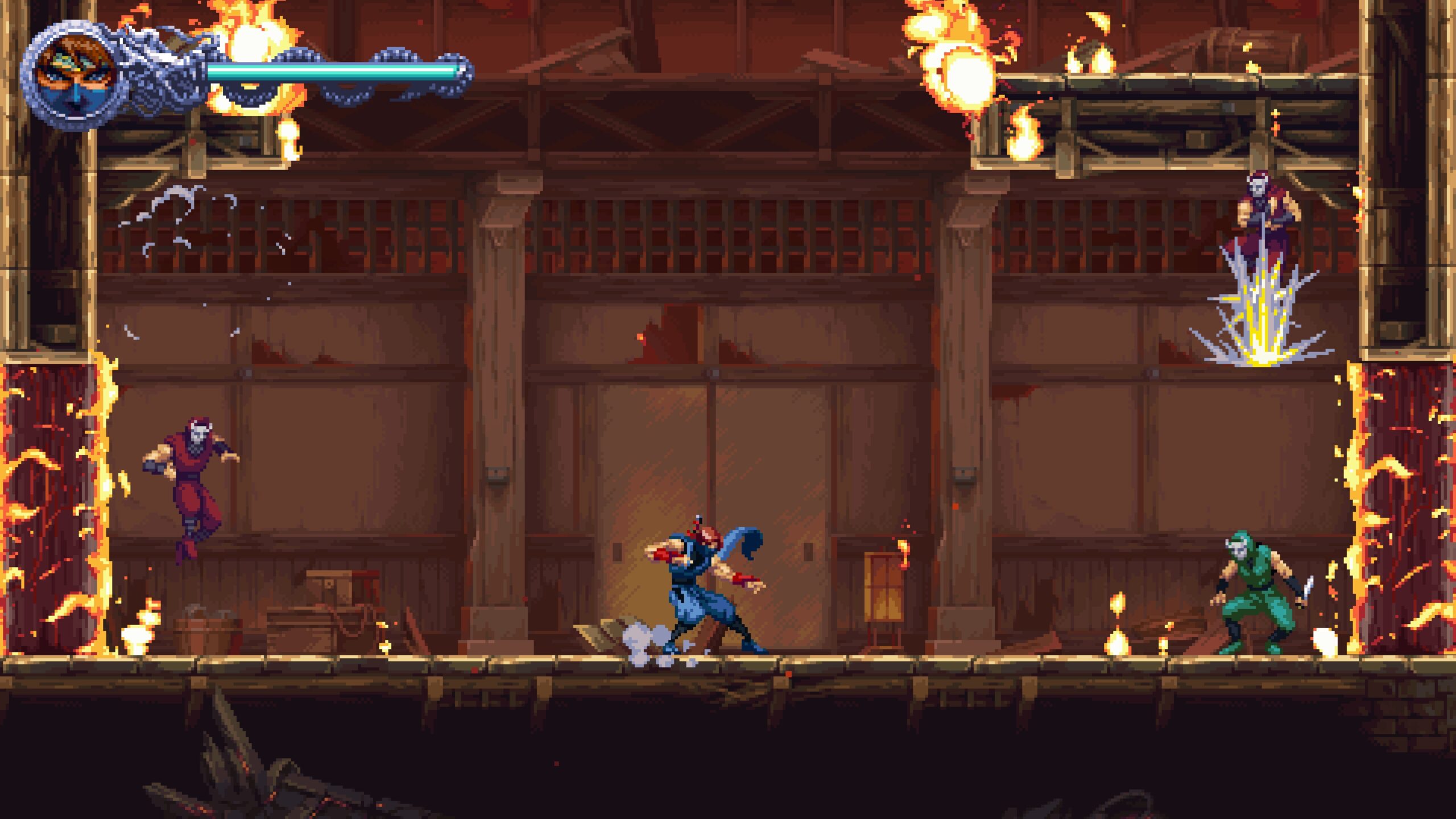
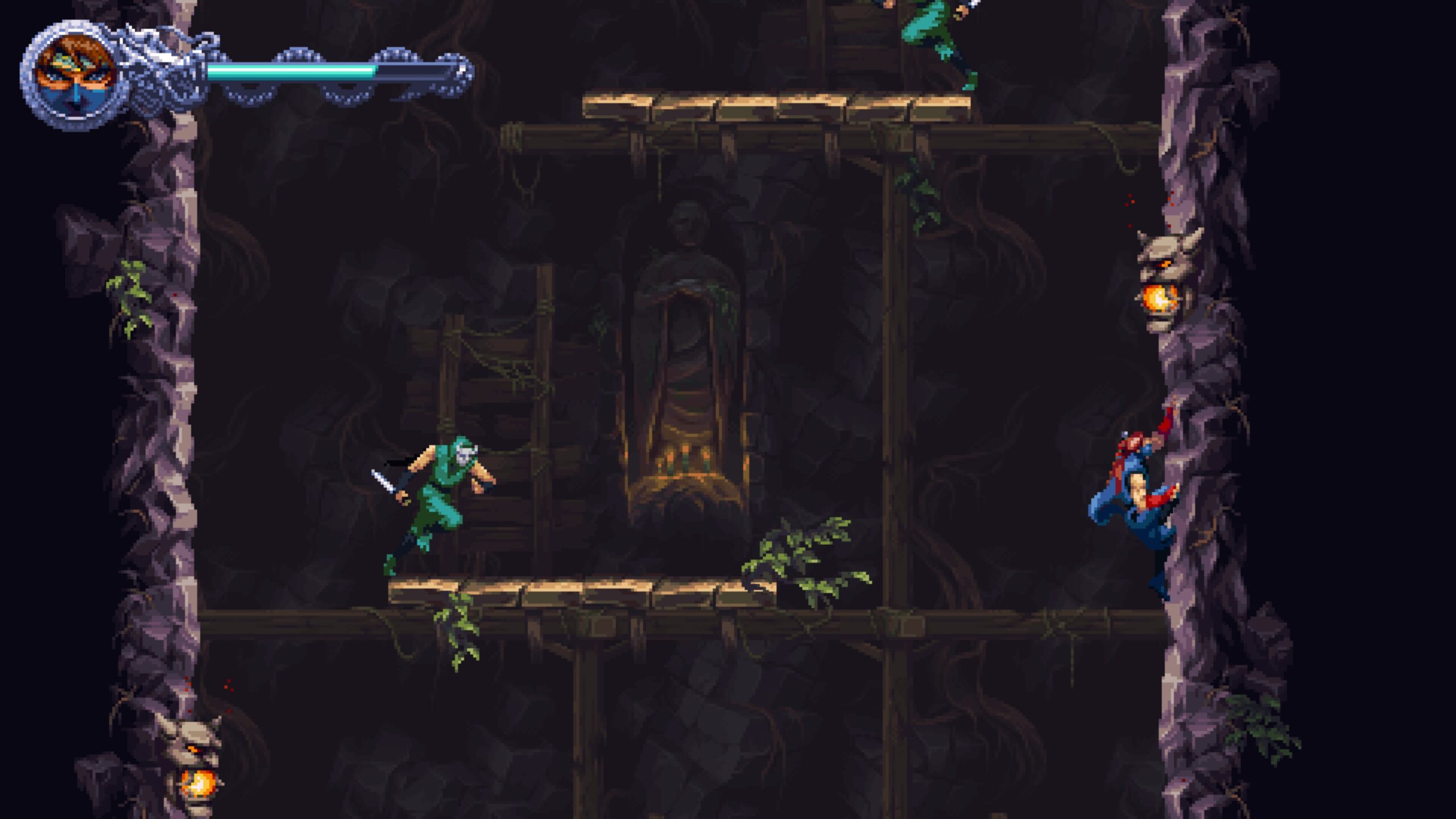
Mechanically, Ragebound brings a welcome dose of innovation. The platforming feels more vertical than ever, with air boosts off enemy projectiles, sprint-activated rolls, and wall grabs all playing a role. A standout platforming mechanic is the Guillotine jump boost, which lets you bounce off enemies or projectiles mid-air to gain extra lift—essential for reaching higher platforms or chaining movement through vertical spaces. Combat is fast and clean, with a satisfying dodge that grants invincibility frames and a Hypercharge mechanic that lets you briefly enter an empowered state—either by defeating specific enemies or sacrificing your own health to charge it manually. It’s a clever system that adds intensity without overcomplicating things.
Weapons and abilities can be upgraded between missions via Master Muramasa’s shop, using golden scarabs hidden throughout levels. These upgrades come in the form of talismans—two can be equipped at a time—and offer modifiers like health regen after kill streaks or bonus damage at low health. It’s a light RPG system that adds variety without slowing the game’s pacing.
Slicing Through Style and Sound
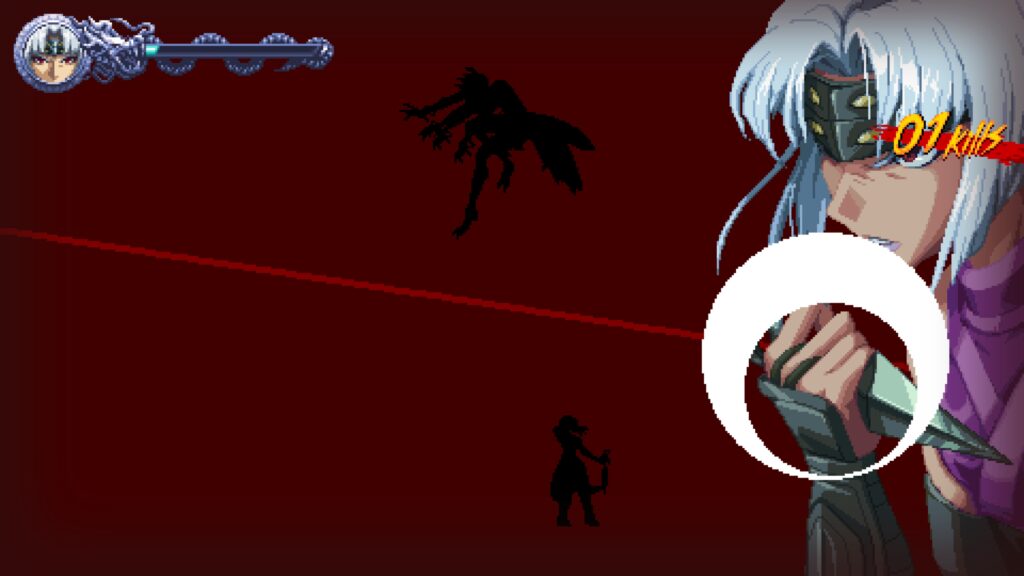
For me personally, Kumori’s segments in particular stand out. Her unlimited supply of thrown blades allows for sustained long-range pressure and environmental manipulation, with the ability to hit switches and disable traps from a distance. Her speed and fluidity make her feel distinct from Kenji, and her chapters come with a noticeable shift in tone and tempo. The Black Spider HQ, filled with atmospheric backdrops and some of the game’s best music, becomes a highlight.
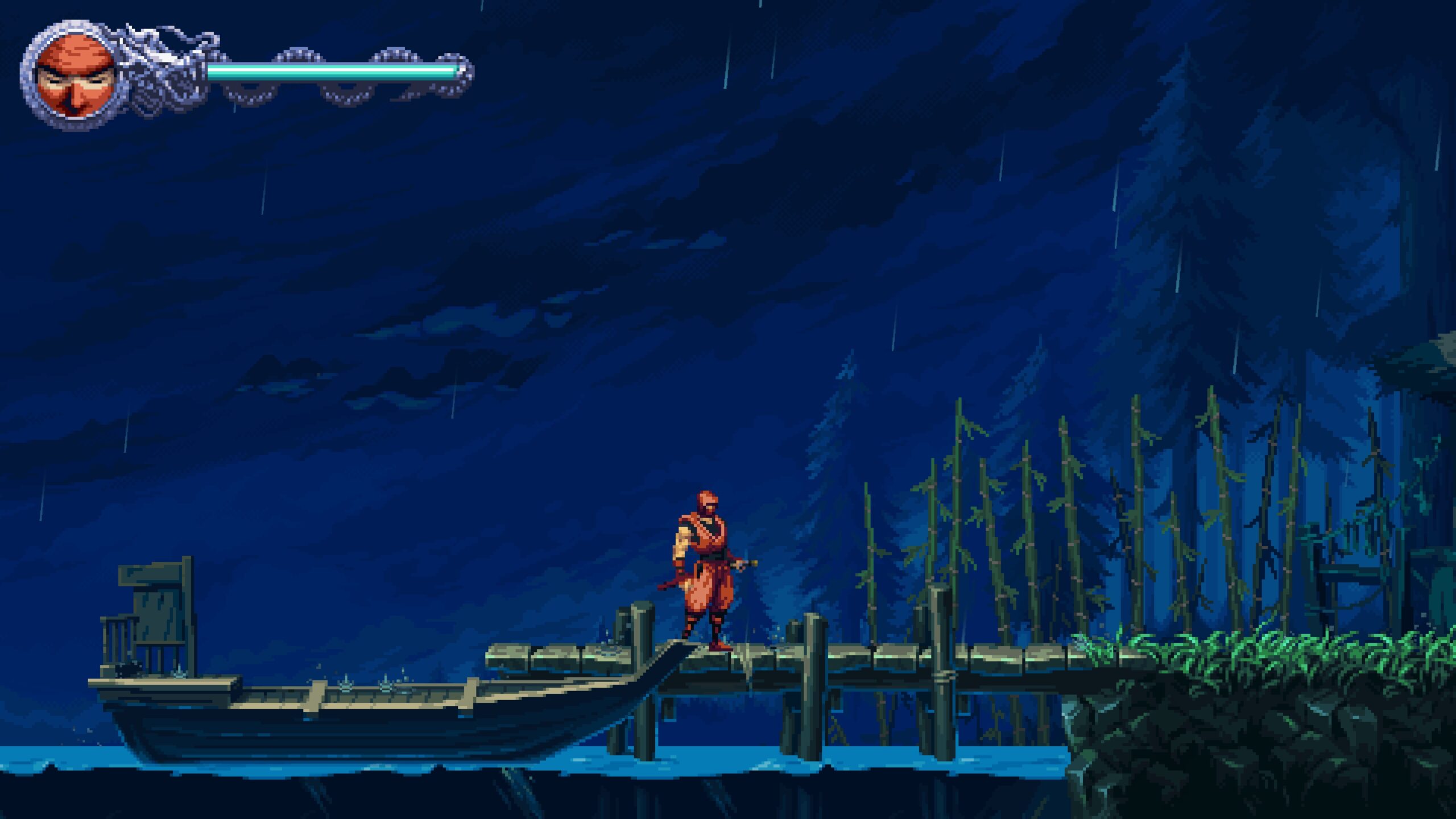
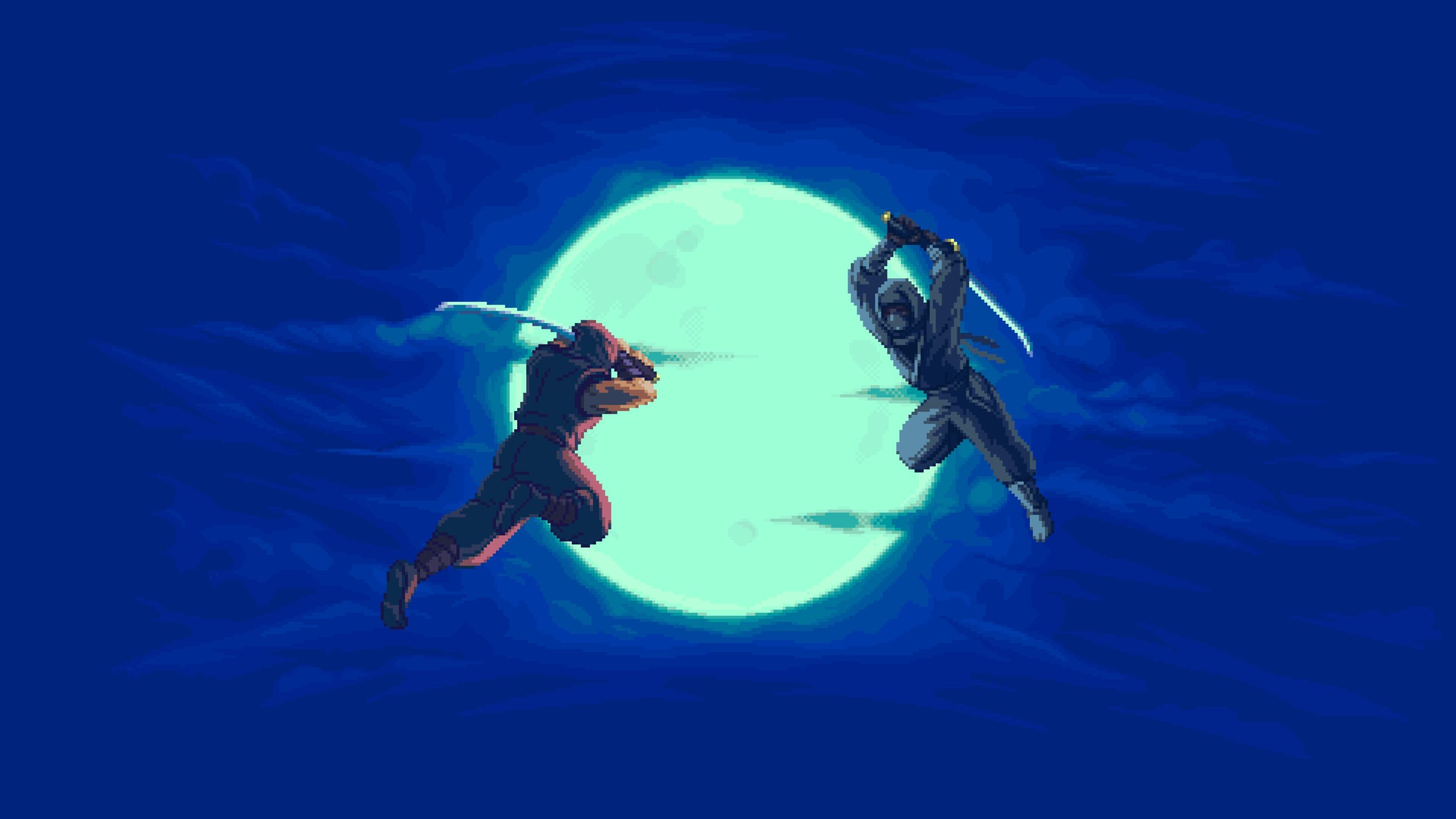
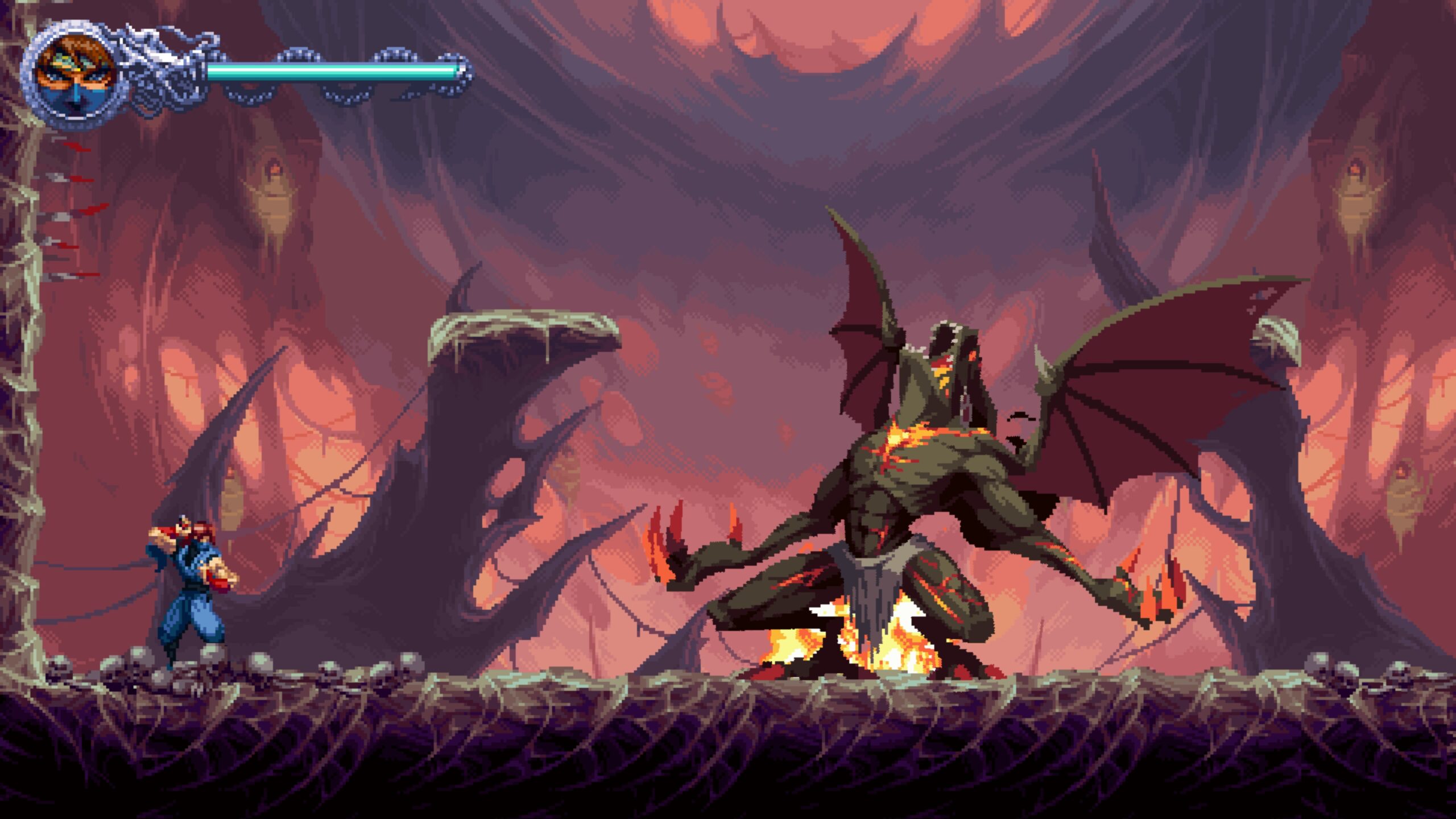
Visually, Ragebound fuses retro-styled cutscenes and detailed pixel art with the sharpness of modern visuals. Character animations are sharp, and background layers create a strong sense of depth. The CRT filter is optional, but it reinforces how much the game draws on retro aesthetics to connect with fans of the original trilogy. Music ranges from punchy metal riffs to more pop-infused tracks that suit Kumori’s stages—a stylistic mix that, while not always subtle, keeps energy levels high.


No Stumbles in the Dark
Ragebound‘s level design encourages replayability, especially with the mission ranking system and the presence of secret routes that reward exploration. A world map allows you to replay specific chapters in any order, adding flexibility that speedrunners will likely appreciate.
While the core combat and structure are solid, some aspects still feel rough around the edges—particularly in the map readability and enemy AI timing, which can sometimes be just off enough to frustrate without feeling unfair. Nonetheless, these are minor blemishes in what’s otherwise a tight and well-executed experience. Performance was also rock solid throughout testing, with no framerate dips or technical hiccups, and load times were minimal.
The real surprise is how much Ragebound opens up across its chapters. Enemy designs grow more complex, the stakes rise with the appearance of four looming Guardians under the Demon Lord’s command, and the shift to Kumori offers fresh momentum just as Kenji’s arc risks running dry. The inclusion of optional stages and unlockable upgrades ensures there’s plenty of reason to keep diving back in.
Final Thoughts
If you grew up slicing through pixelated demons or just want a responsive, brutally stylish action game with speed at its core, Ninja Gaiden: Ragebound is more than ready to test your reflexes. It may not revolutionize the genre, but it understands what makes Ninja Gaiden legendary—and channels it into something that feels both familiar and fiercely new.
Additional Information
Release Date: July 31, 2025
Reviewed On: PC. Download code provided by the publisher and PR agency.
Developer: The Game Kitchen
Publisher: Dotemu, Joystick
Website: https://www.dotemu.com/games/ninja-gaiden-ragebound
Relevant links: Ninja Gaiden: Ragebound on STEAM