DaRmaZat
 The Relic: First Guardian, Project Cloud Games’ long-awaited Souls-like, enters the action-RPG landscape with a dark fantasy story deeply rooted in Korean mythology. Set in the desolate continent of Arsilthus – a once-prosperous realm transformed into an apocalyptic wasteland following the destruction of a great relic – you step into the shoes of the Last Guardian, a mysterious figure wielding magical powers. Your task: restore prosperity to the land while confronting the lingering grief, fear, and memories left behind in the form of powerful relics.
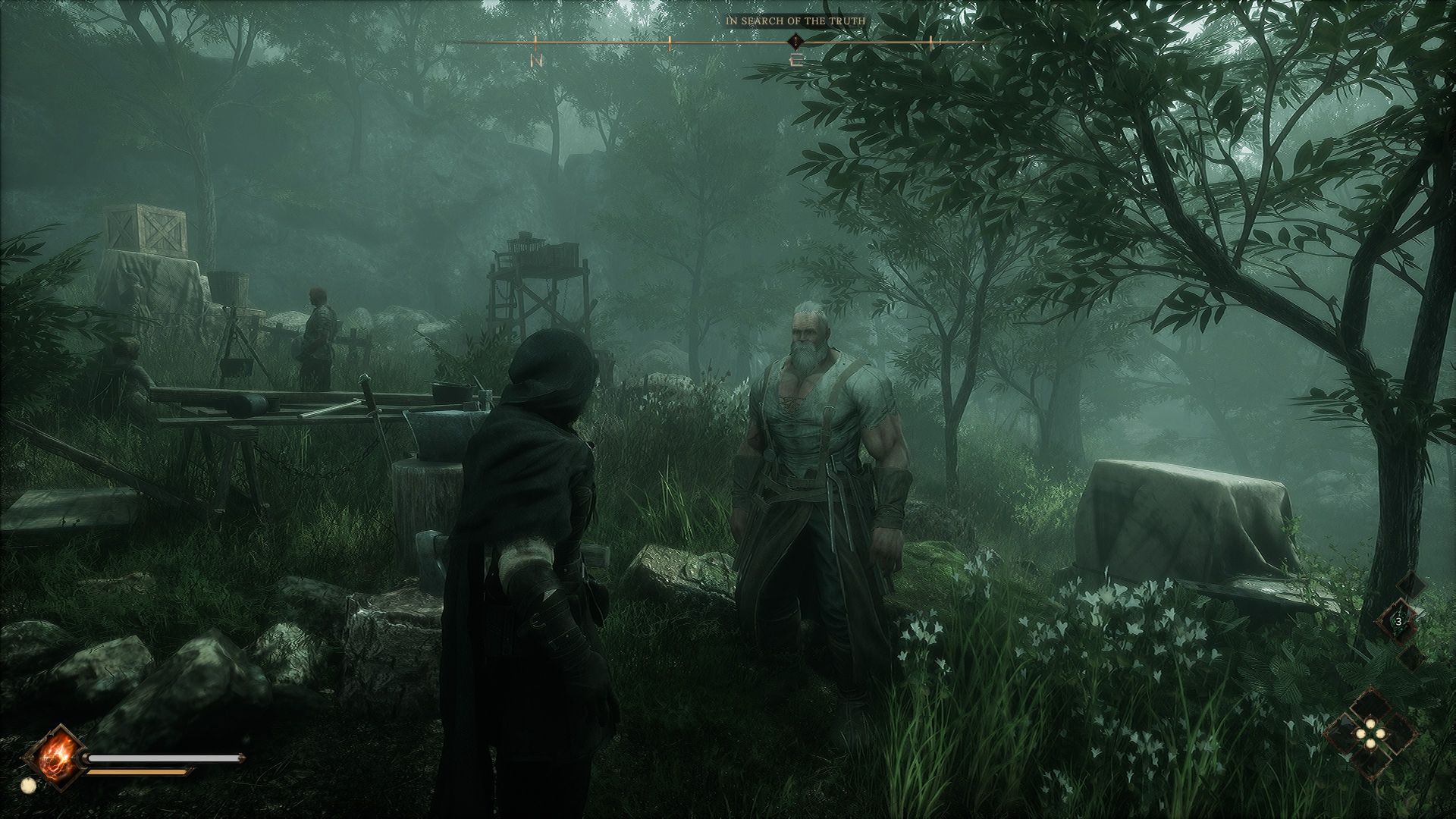
Narratively, The Relic: First Guardian offers an intriguing premise. Every location, enemy, and piece of unique equipment is tied to a specific story. Rather than relying on traditional randomized loot drops, every item is a unique artifact with its own tragedy. In fact, the same applies to the NPCs scattered throughout the world and the game’s primary threat, the Brutals. Throughout your journey, you gradually uncover their dark past through fully voiced letters left behind in the environment.
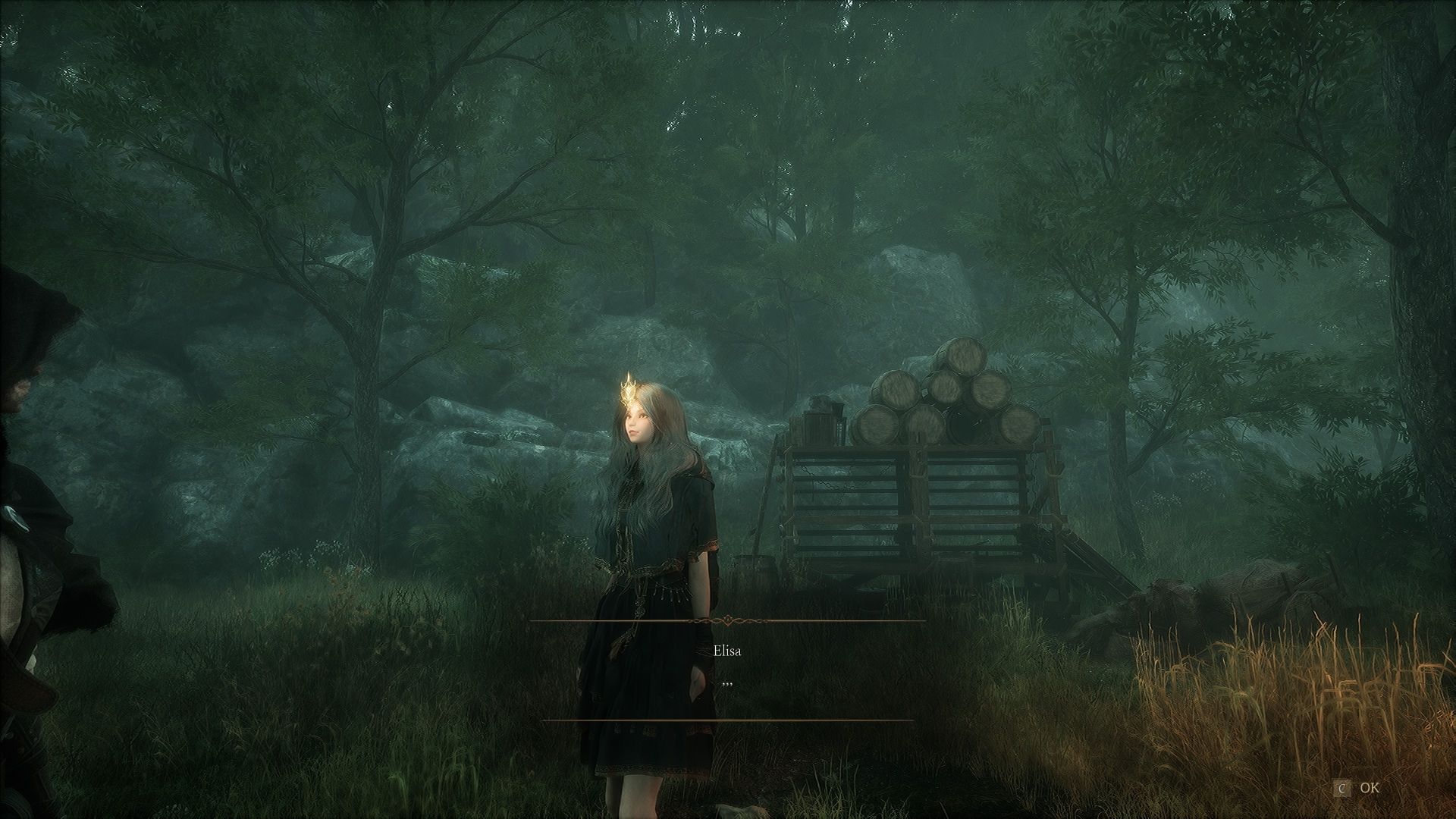
This is clearly a story about grief and loss, and it fits the setting perfectly, but somehow it never fully manages to leave a lasting impression. Even so, while the dialogue scenes also suffer somewhat from stiff animations and limited facial expressions, the game manages to cultivate a somber, haunting atmosphere.
When it comes to combat, The Relic: First Guardian relies on a stamina-based defense system. Interestingly, attacking does not consume stamina; the bar is strictly reserved for dodging and blocking, while skills operate on cooldowns. You have access to five distinct weapon types, including the starting sword and shield alongside options such as the Longsword and two-handed weapons, twelve exclusive skill trees for your Relic Powers, and a plethora of unique passive Relic effects unlocked through Runes. Simply put, those looking to experiment with different builds will find plenty of options here.
However, the combat itself lacks some mechanical variety. Despite the deep skill trees, primary combat often devolves into relying on dodging and a single attack option. Souls-like veterans will immediately understand the flow, as a well-timed initial parry against many enemies leaves them open for a decisive sequence of attacks.
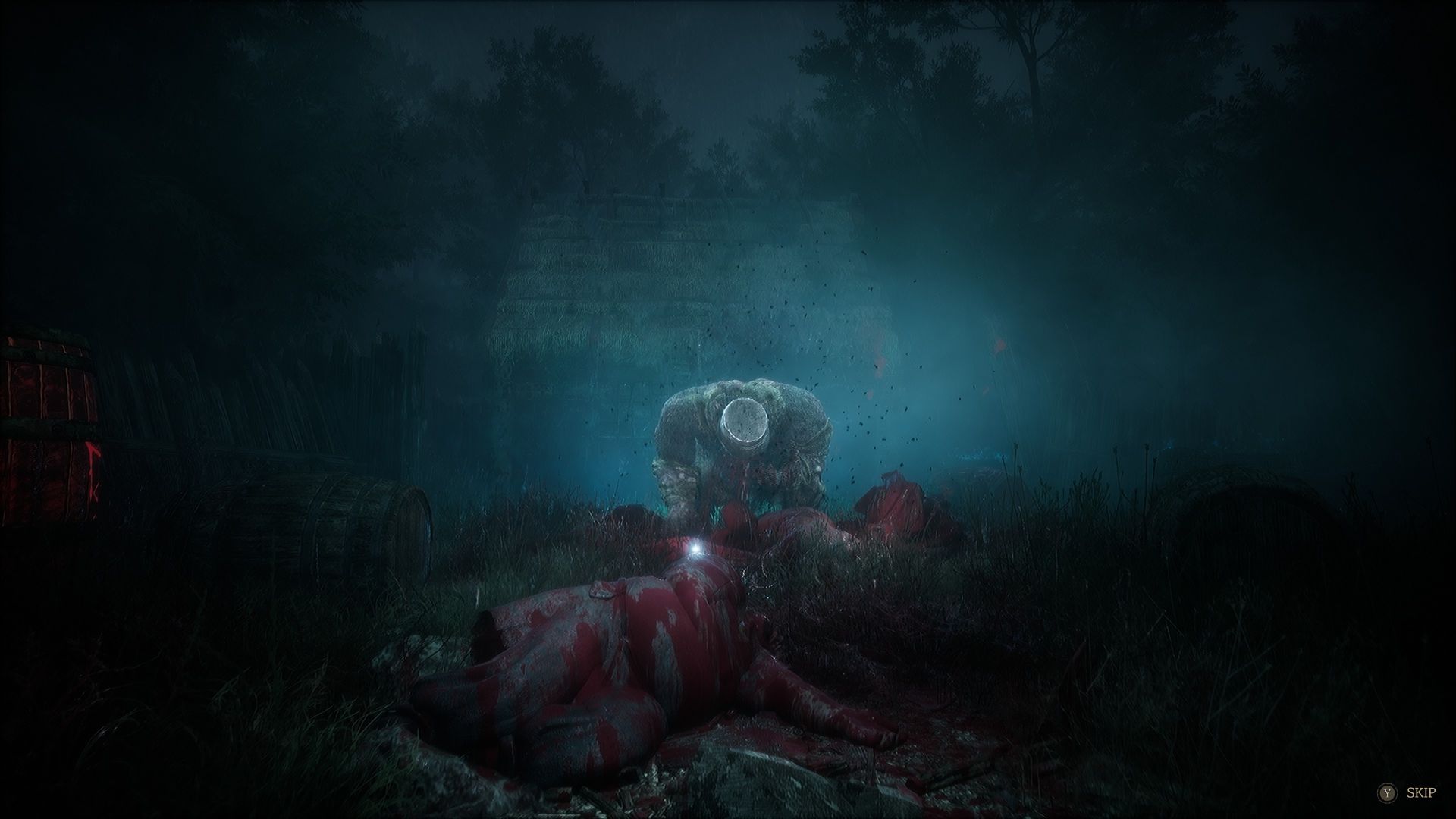
That said, the boss battles are where the combat’s limitations become much harder to ignore. The game throws roughly eighty Brutals your way, which can often feel like a quantity-over-quality approach. Many of these boss encounters take place in cramped, restrictive arenas. When swarmed in close quarters, the camera becomes chaotic, leaving little room to maneuver or execute a shield parry once hit. Furthermore, due to the game’s linear structure, these encounters become mandatory roadblocks, forcing you to retry a boss until you figure out an effective strategy.
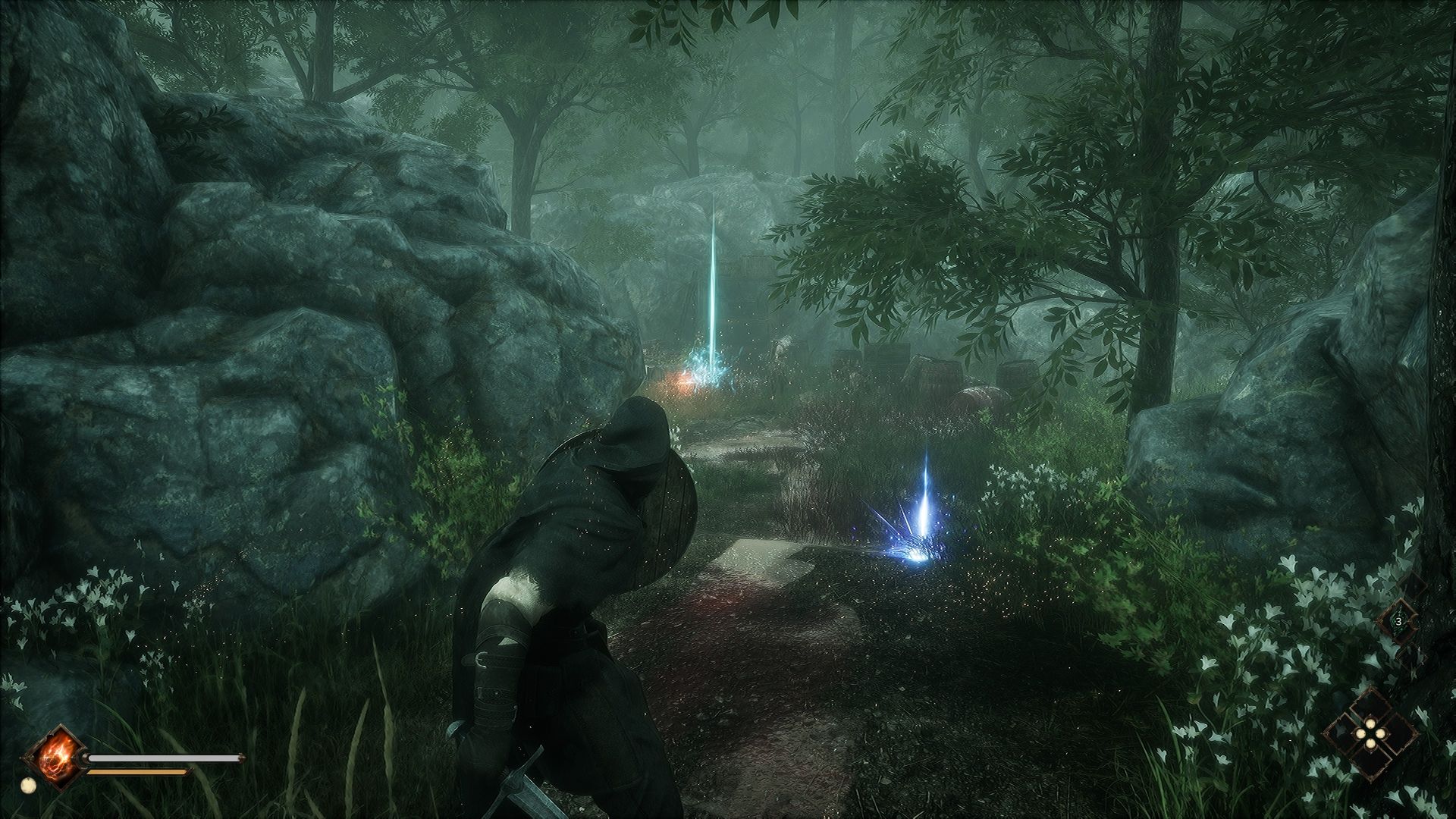
Technically, The Relic: First Guardian exhibits a number of unpolished edges as well. Navigating the menus with a mouse can be impossible at times, and the default button bindings are notoriously awkward – such as placing healing on an action button – with no current option to rebind controls. Furthermore, long loading times, boss intro cutscenes that must be manually skipped after every retry, and getting stuck on terrain collision occur far more frequently than they should in a title demanding precise movement. And while the game achieves a raw, eerie atmosphere with decent lighting, biome transitions can feel jarringly abrupt.
Performance-wise, The Relic runs fine most of the time; however, occasional, sudden frame-rate stutters can occur. Regardless of whether DLSS is toggled on or off, the image presentation also suffers from a persistent grainy quality. On a positive note, the sound design is excellent, with an epic score and detailed environmental audio that elevate the world’s ominous tone.
Final Thoughts
The Relic: First Guardian brings a grim, atmospheric setting and a compelling Korean mythological backdrop to the table, supported by deep character customization and an impressive array of lore. However, its potential is hindered by a quantity-focused boss structure, repetitive single-attack combat patterns, and a general lack of technical polish. From fixed, unnatural button configurations and UI bugs to stutters and glitches, the experience frequently feels unrefined.
Hardcore Souls-like enthusiasts who appreciate dark mythology and extensive build customization may find enjoyment here, but others may want to wait until the game receives significant patches and quality-of-life updates before diving in.
Additional Information
Release Date: July 31, 2026
Reviewed On: PC. Download code provided by the publisher and PR agency.
Developer: Project Cloud Games
Publisher: Perp Games
Relevant links: Available via Steam.