DaRmaZat
 You’d be hard-pressed to find a more fitting subtitle than Quartet for a four-part collection of JRPGs where high school drama, emotional bonds, and magical transformations take center stage. Blue Reflection Quartet bundles Blue Reflection, Blue Reflection: Ray, Blue Reflection: Sun, and Blue Reflection: Second Light into a single package, brushing them up with modern quality-of-life additions while retaining the signature anime flair that Koei Tecmo’s subsidiary studio Gust is known for.
Four Stories, One Connected Universe
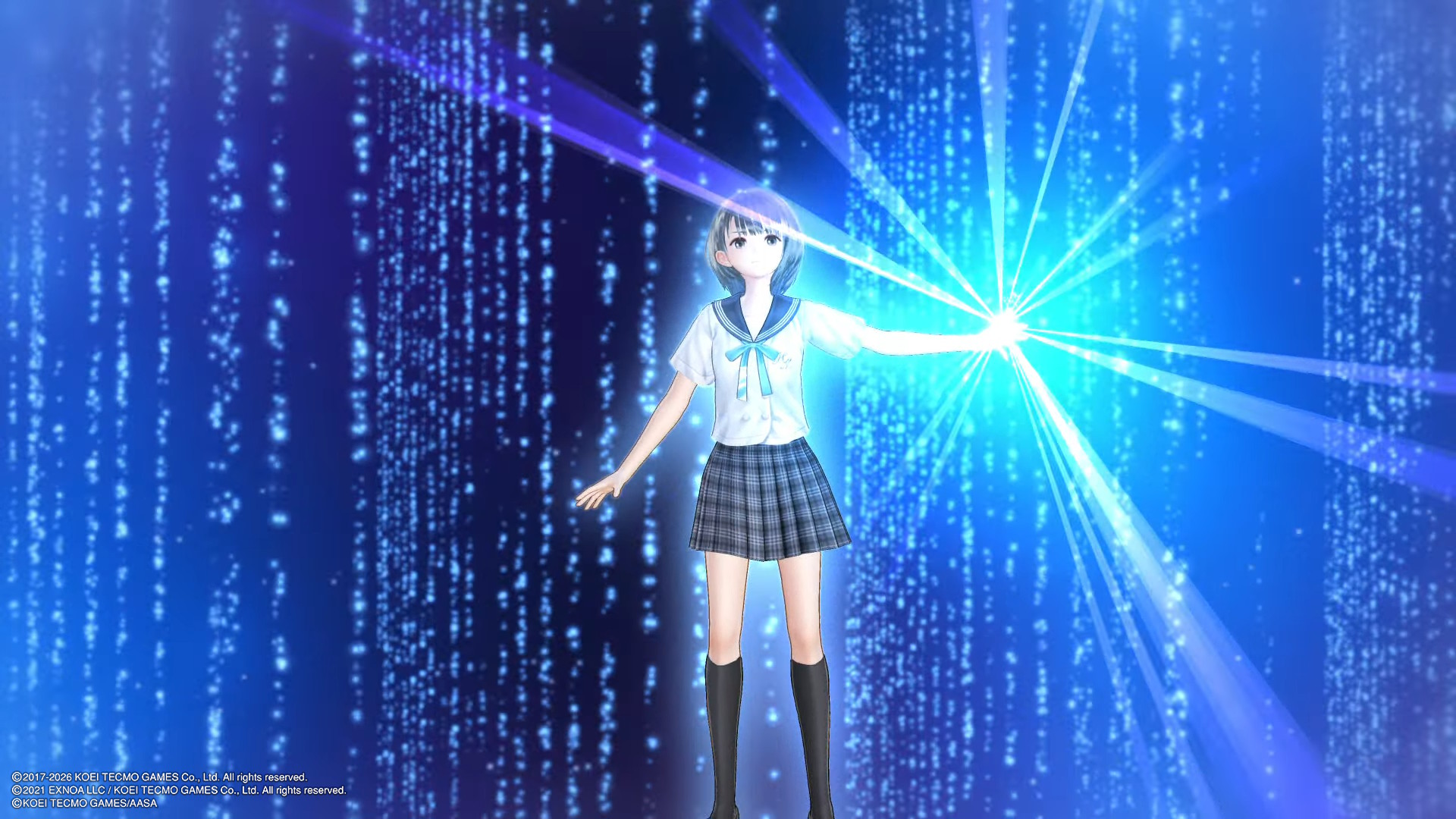
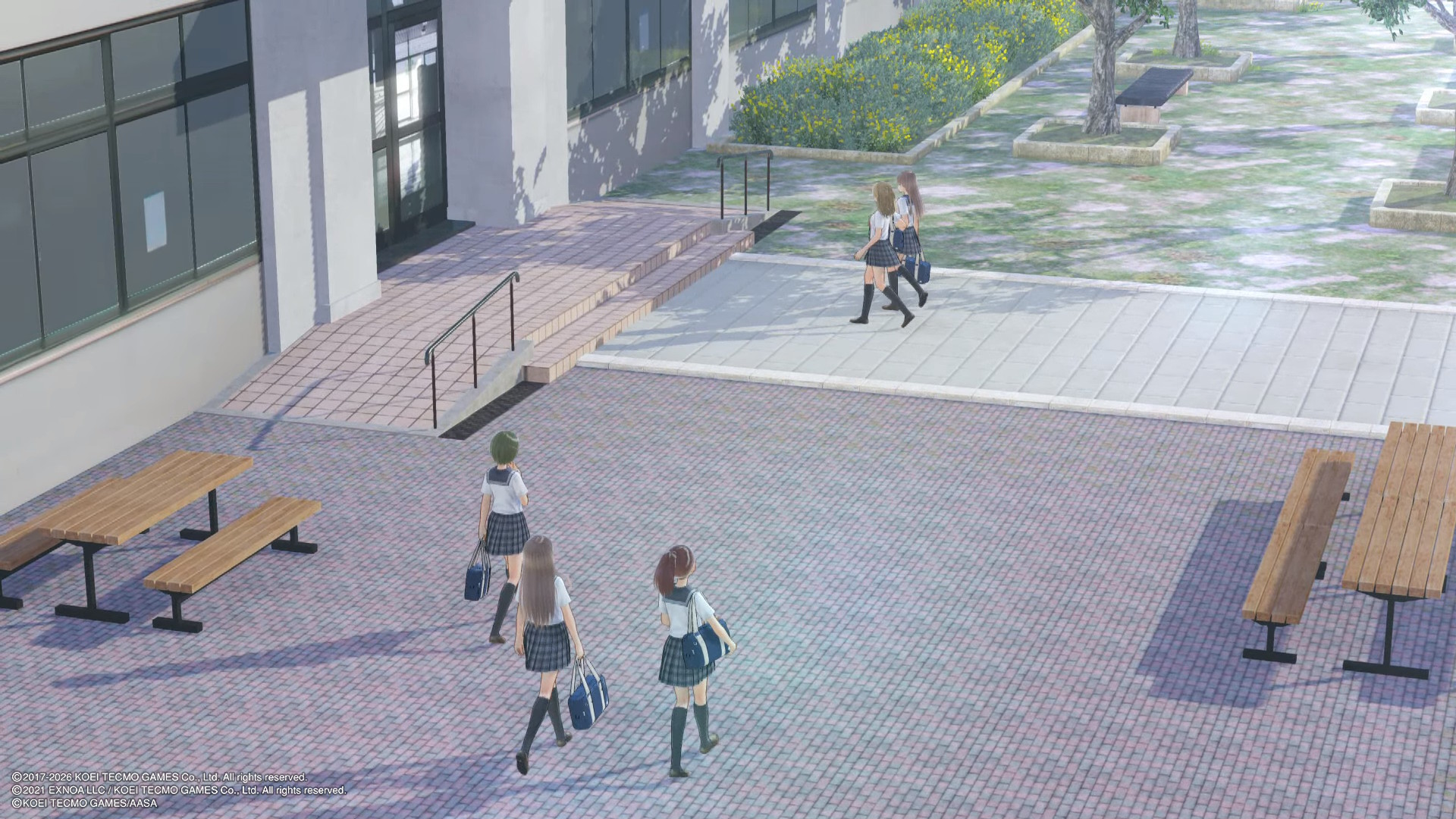
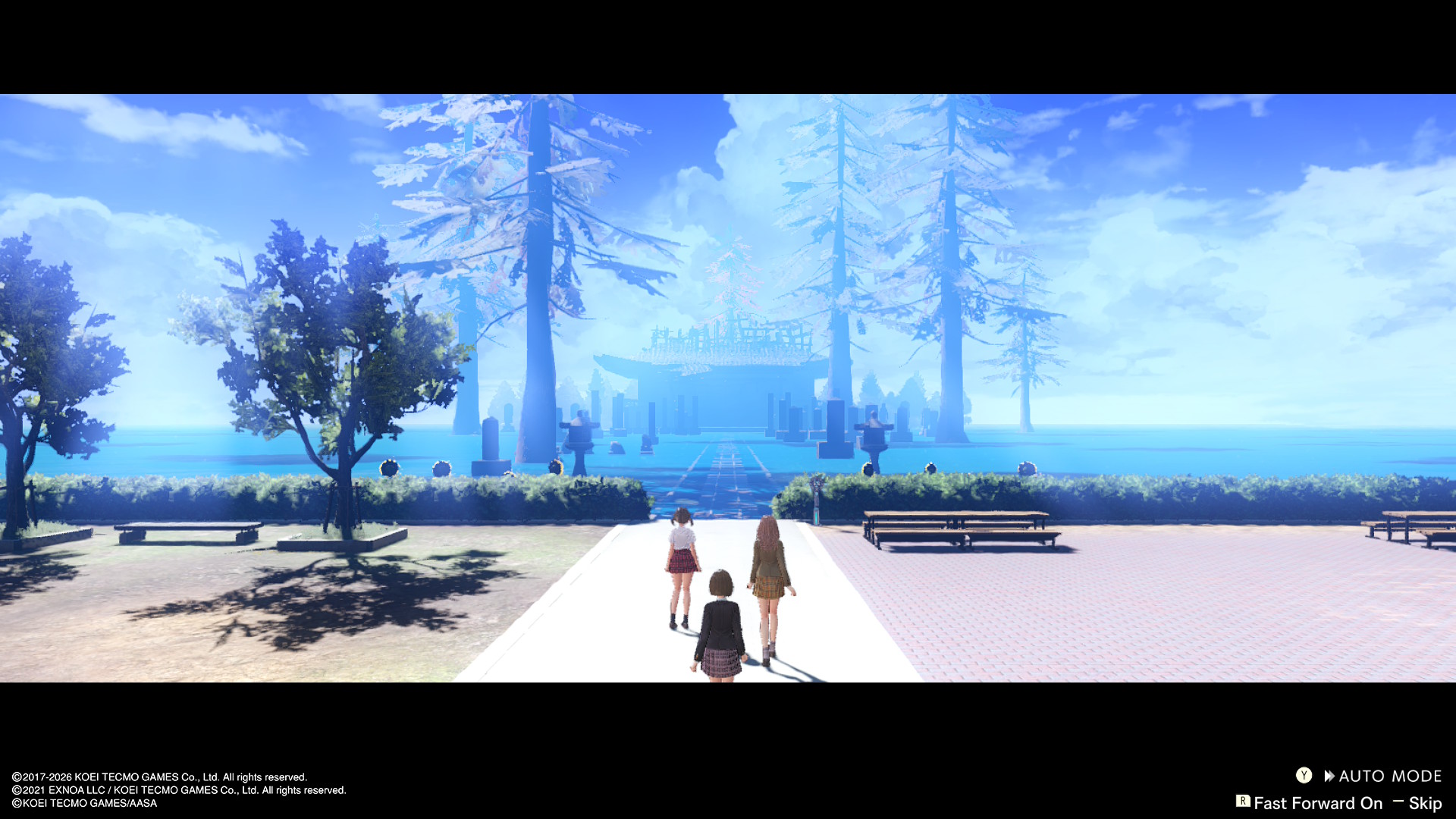
The anthology kicks off with an enhanced remake of the original 2017 entry, Blue Reflection. Here, you follow high schooler Hinako Shirai, a former ballet prodigy whose dreams were shattered by a devastating knee injury. After acquiring a magical ring, Hinako becomes a Reflector. Joined by a close-knit group of allies, including the mysterious duo Yuzu and Lime, she dives into turn-based combat inside The Common, a surreal parallel realm representing humanity’s collective unconscious that threatens to spill into the real world.
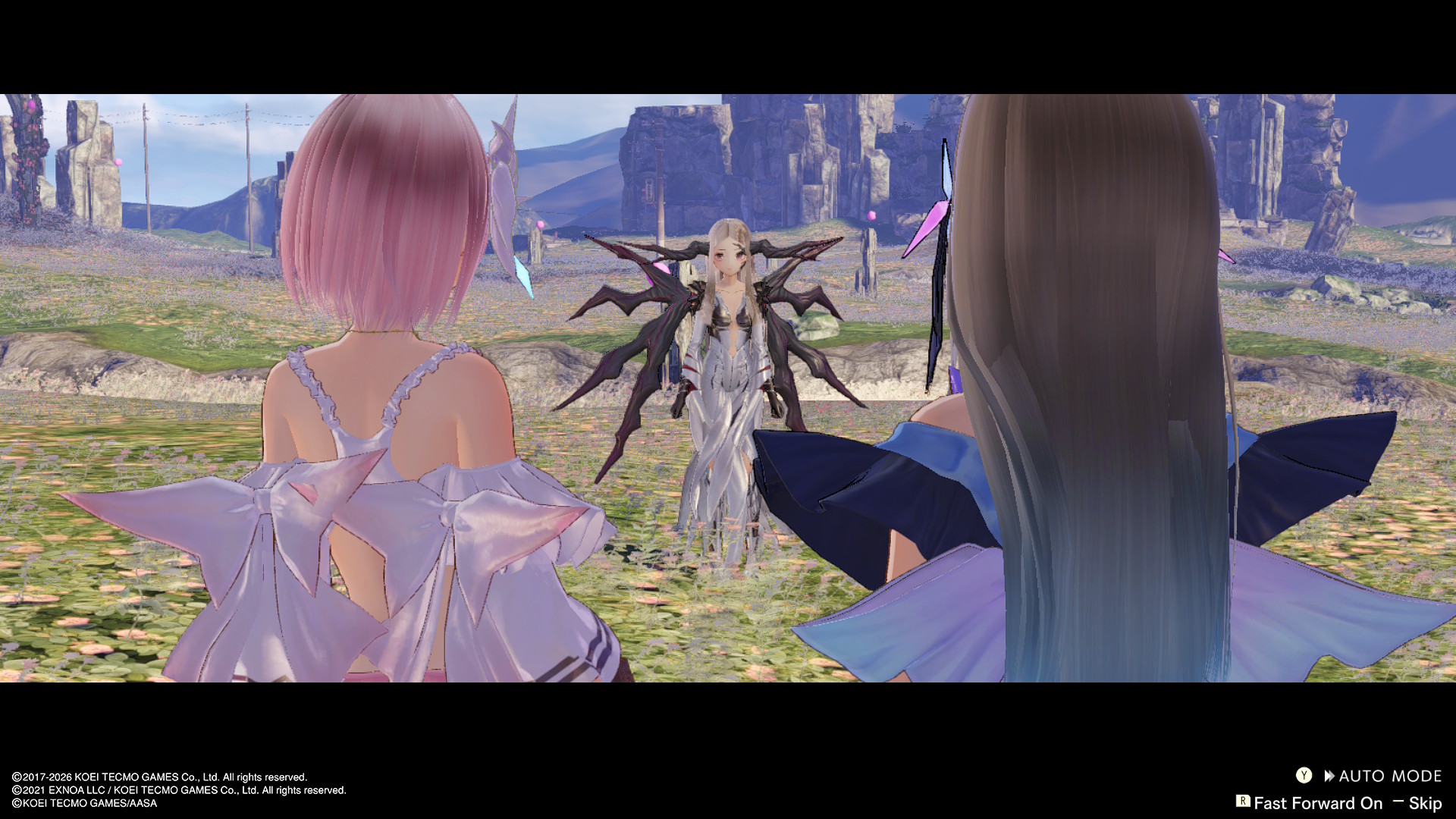
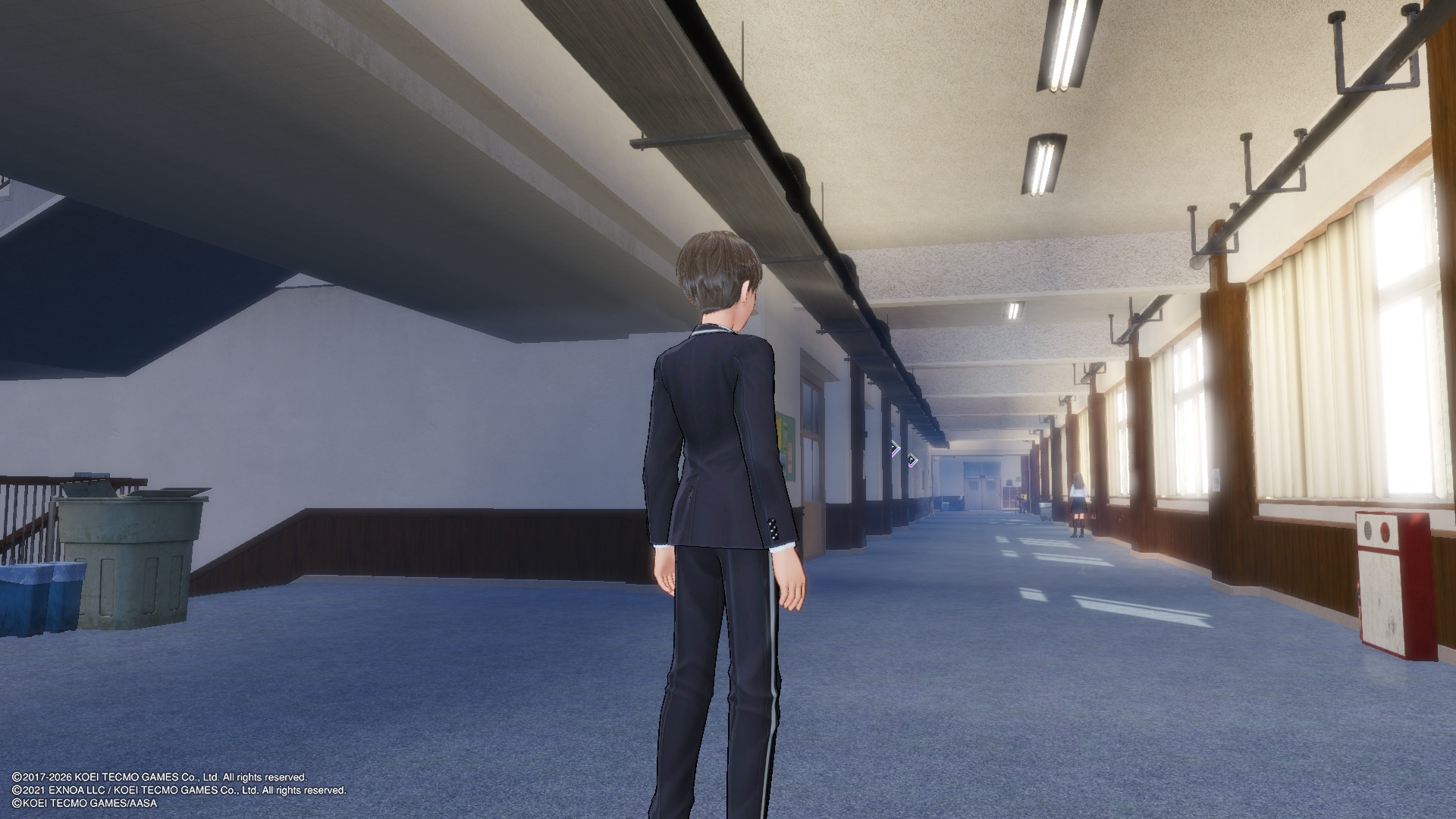
From there, the narrative threads evolve across the remaining entries. Blue Reflection: Ray brings back Yuzu and Lime while shifting focus to a heroic new duo, Hiori and Ruka, who find themselves facing a fresh apocalyptic threat and a new antagonist. Originally a mobile story, Blue Reflection: Sun mixes up the formula by introducing a male protagonist – an Eroded hero tasked with neutralizing a toxic substance simply called Ash that rains down upon the Earth while fighting off the monstrous Testa occupying the Cosmic Fang Tower.
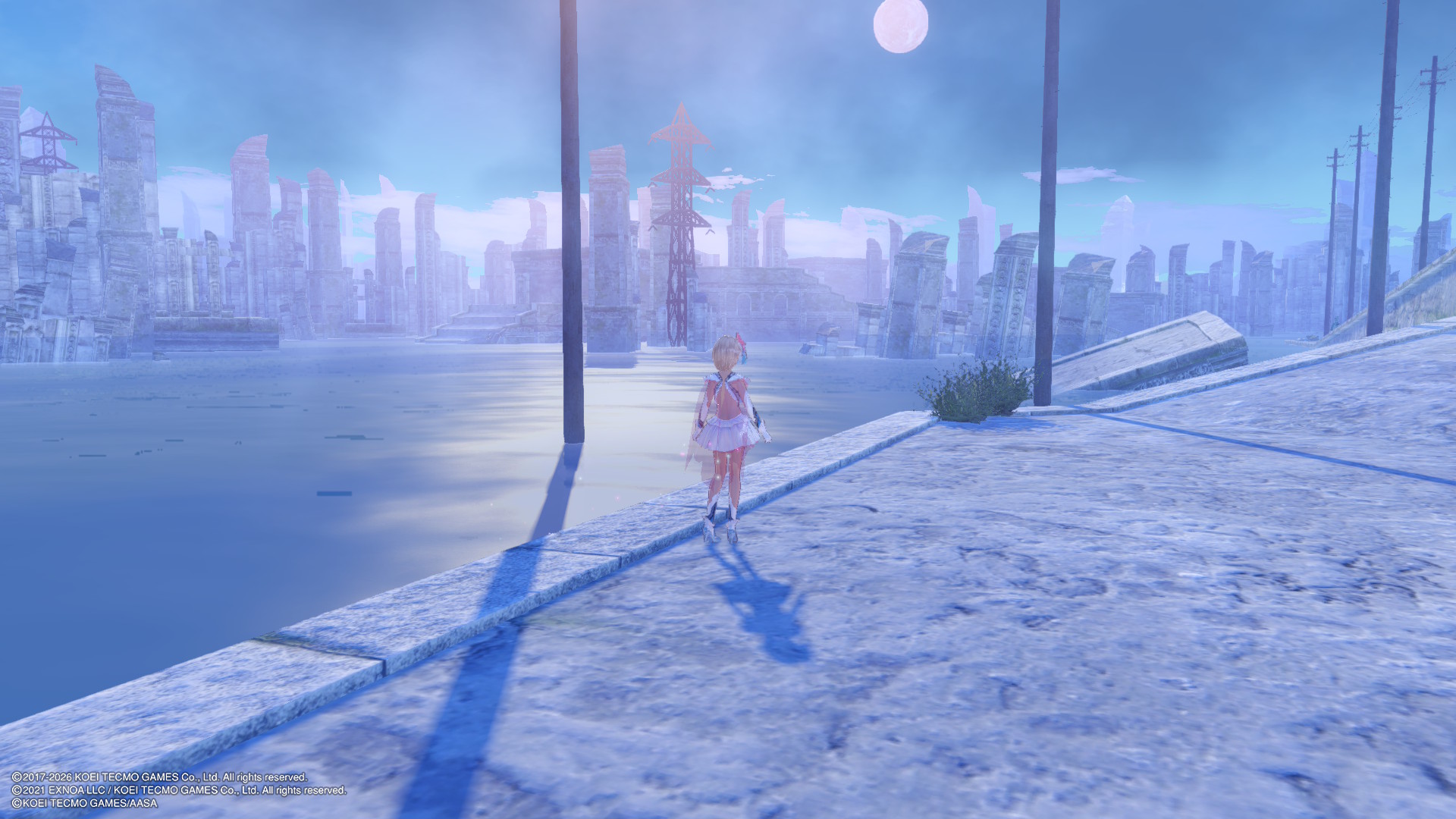
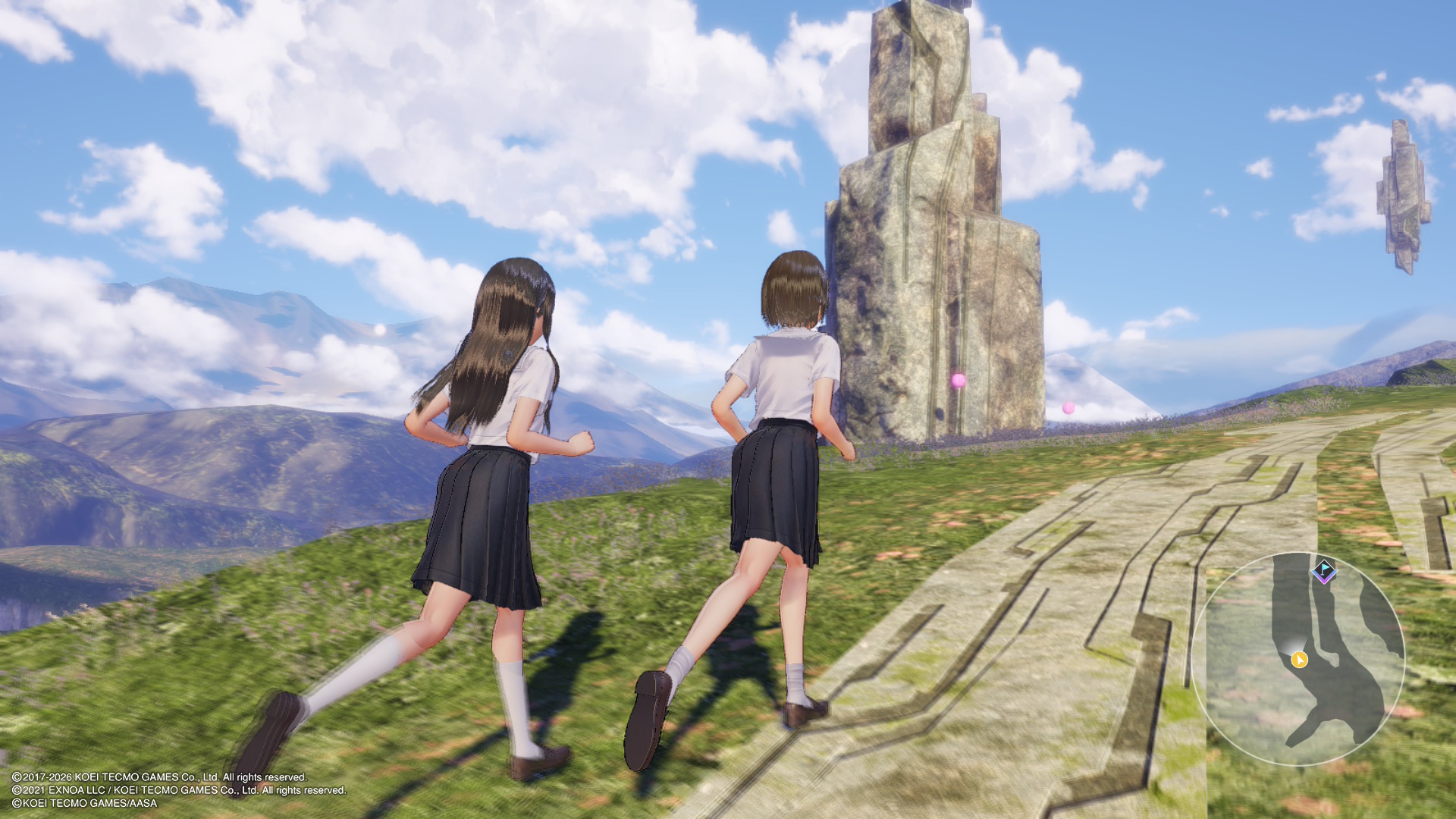
Finally, Blue Reflection: Second Light stands out as the most dreamlike entry of the bunch, where main character Ao finds herself stranded alongside girls like Rena and Kokoro in a surreal, floating world. For me personally, the soundtrack in this entry is the absolute highlight, with soothing, ethereal piano melodies that perfectly fit the themes of friendship and personal growth.
Emotional Combat and Mindscapes
Despite the occasional eerie tone, the heart of the series lies in its positive narrative flow and deeply intimate interpersonal relationships. Throughout all four entries, emotional turmoil manifests as broken fragments lost within The Common. As a Reflector, your mission is to venture into this mental realm alongside your companions to recover those fragments. Free from physical and mental limitations, your party wields a growing toolkit of attack, defense, support, and technical abilities.
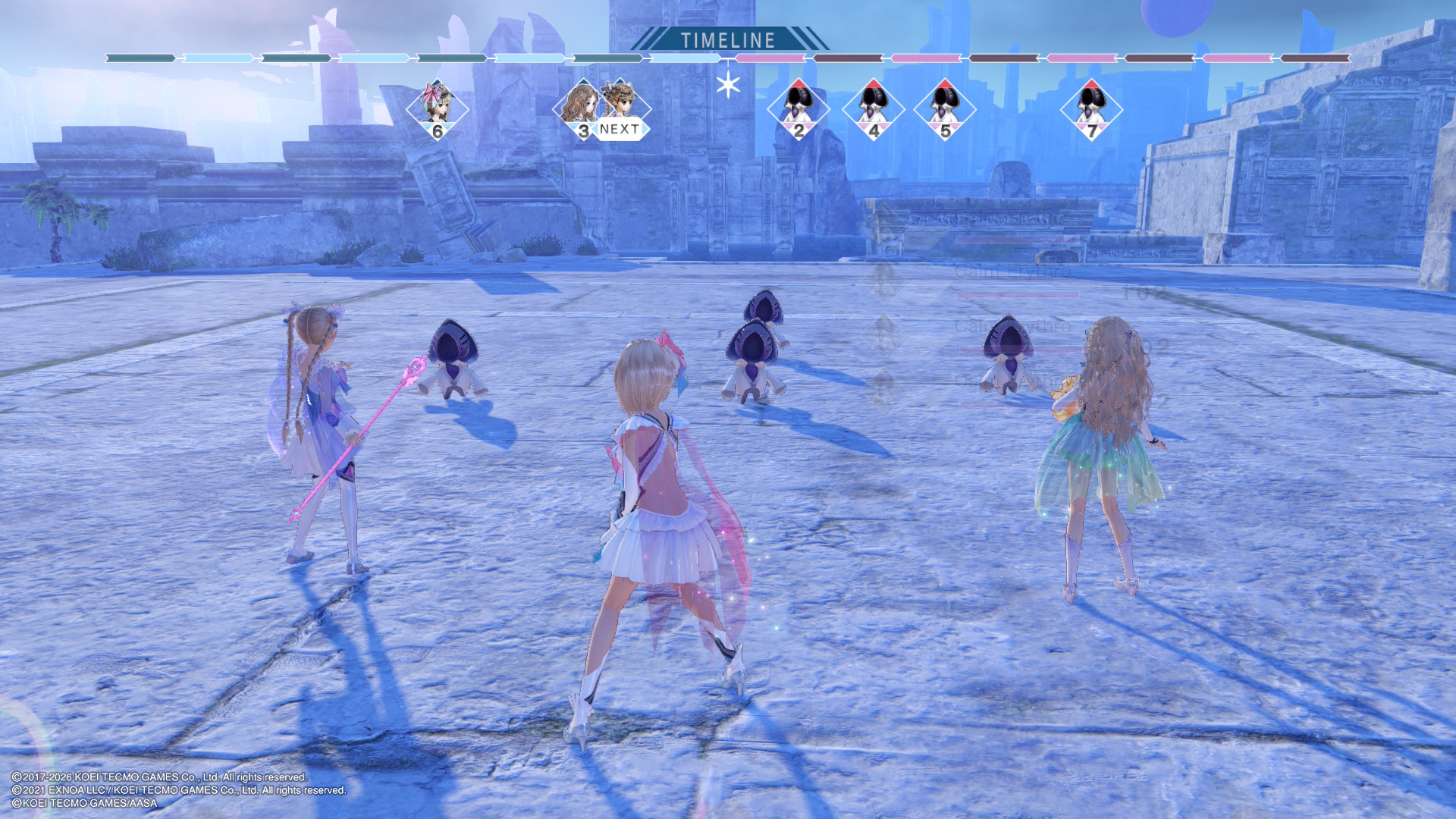
Mechanically, the skill-based combat in the series relies heavily on managing Ether – the source of your Magical Points used for devastating special attacks – while manipulating the timeline. Success hinges on controlling wait times and executing knockback attacks to delay enemy turns, keeping the upper hand throughout. You can also initiate real-time preemptive strikes on the field before turn-based encounters begin, giving your party a solid head start if you land a hit unseen.
Modern Touches of Virtuosity
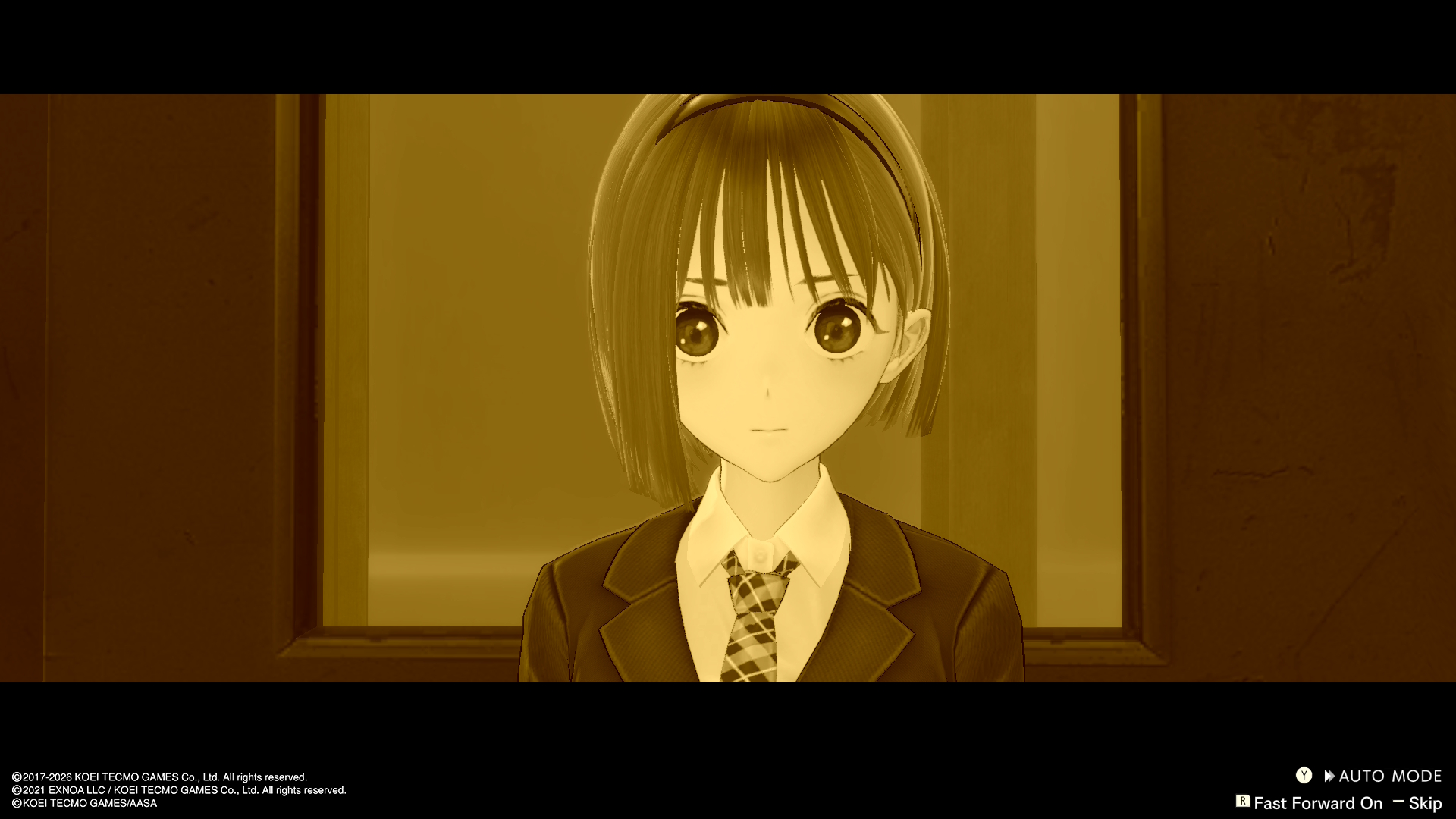
Truth be told, the series’ age often does show in its restrictive level design, where invisible walls divide smaller zones separated by brief loading screens. Fortunately, all four updated releases bring essential quality-of-life features to smooth out the pacing, including dialogue skips, fast-forwarding, and auto-advance options.
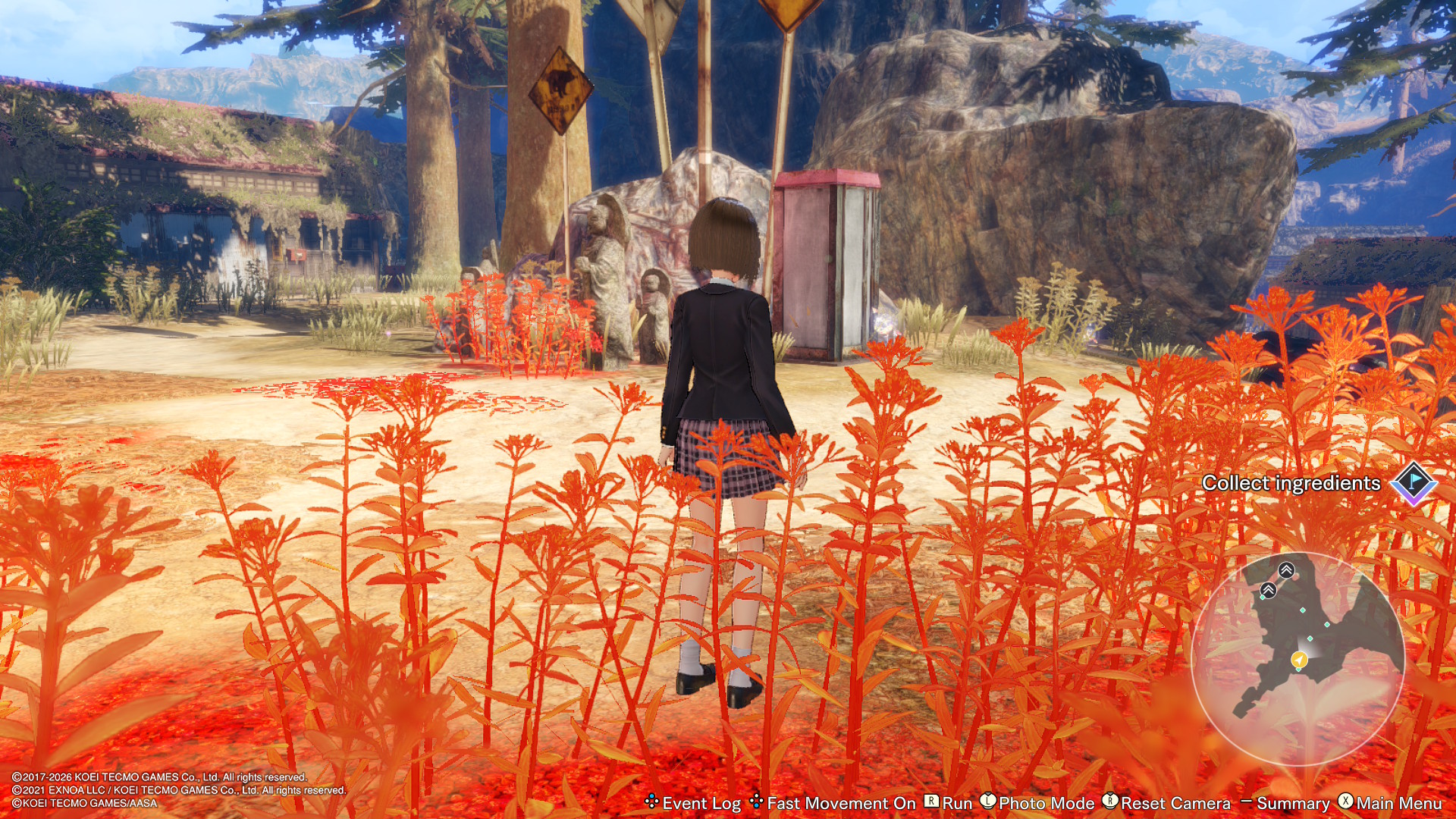
Performance on the Nintendo Switch 2 is rock-solid, as all four titles maintain 1080p at 30 FPS across handheld and docked modes with virtually no framerate dips. Loading times are noticeably snappier than in the original releases. Furthermore, the compilation boosts overworld movement speed across the board and lets you speed up turn-based battles by up to 2x at the simple press of a button. And as for the audio side of the package, the blend of heavy synths and Japanese voice work might feel a bit chaotic to some, but I personally caught genuine flashes of musical virtuosity throughout the tracks.
Final Thoughts
Blue Reflection Quartet delivers incredible value by bringing four distinct JRPGs together in one polished package. You need to be prepared for heavy doses of dialogue, plenty of school-life chatter, and an unapologetic embrace of the Mahō Shōjo genre. While locked at 1080p 30 FPS on Switch 2 rather than pushing higher framerates, the rock-solid stability and modern quality-of-life upgrades make this the definitive way to experience Gust’s emotional series.
Additional Information
Release Date: July 30, 2026
Reviewed On: Nintendo Switch 2. Download code provided by the publisher and PR agency.
Developer: KOEI TECMO, Gust
Publisher: KOEI TECMO
Relevant links: Available via Nintendo eShop (BE, NL, US) and Steam.