DaRmaZat
 Almost three years ago, the cinematic puzzle-adventure Planet of Lana left me with a lasting impression through its painterly art direction and wordless storytelling. Its sequel, Children of the Leaf, picks up right where that evocative experience left off. While Lana’s clan is still recovering from the intrusion of those hostile machines, the sequel shifts its narrative toward unearthing their buried lore, introducing gameplay centered on expanded abilities and increased verticality.
With Age Comes Responsibility
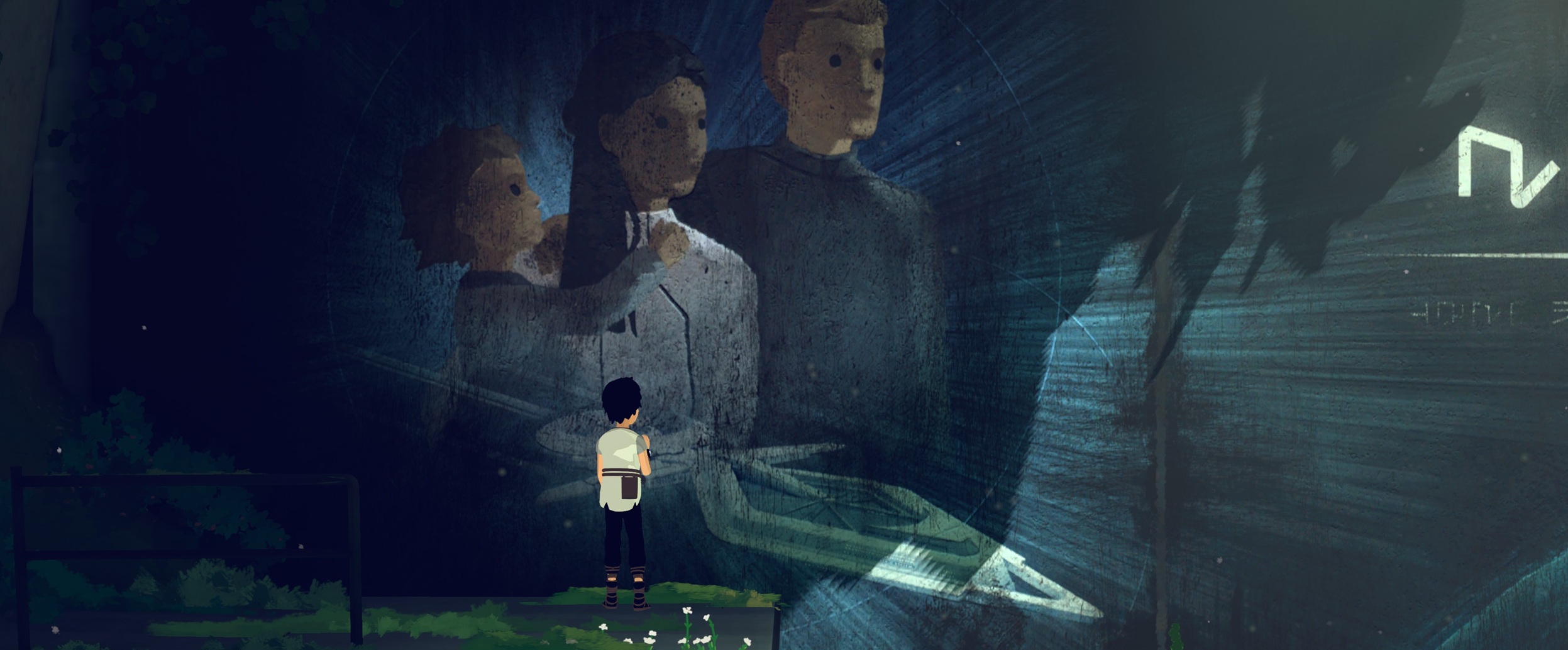
Before kicking off the prologue, the game briefly recounts how the previous story concluded after the intrusion of those mechanical invaders. However, certain secrets about the lore and the planet where Lana and her fellow villagers live only surfaced afterward, and that is exactly what this second part explores. Indeed, Planet of Lana II: Children of the Leaf carries the emotional throughline forward, trading the original’s simplicity for a more expansive world, richer possibilities, and deeper core mysteries.
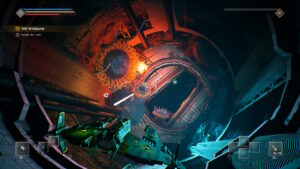
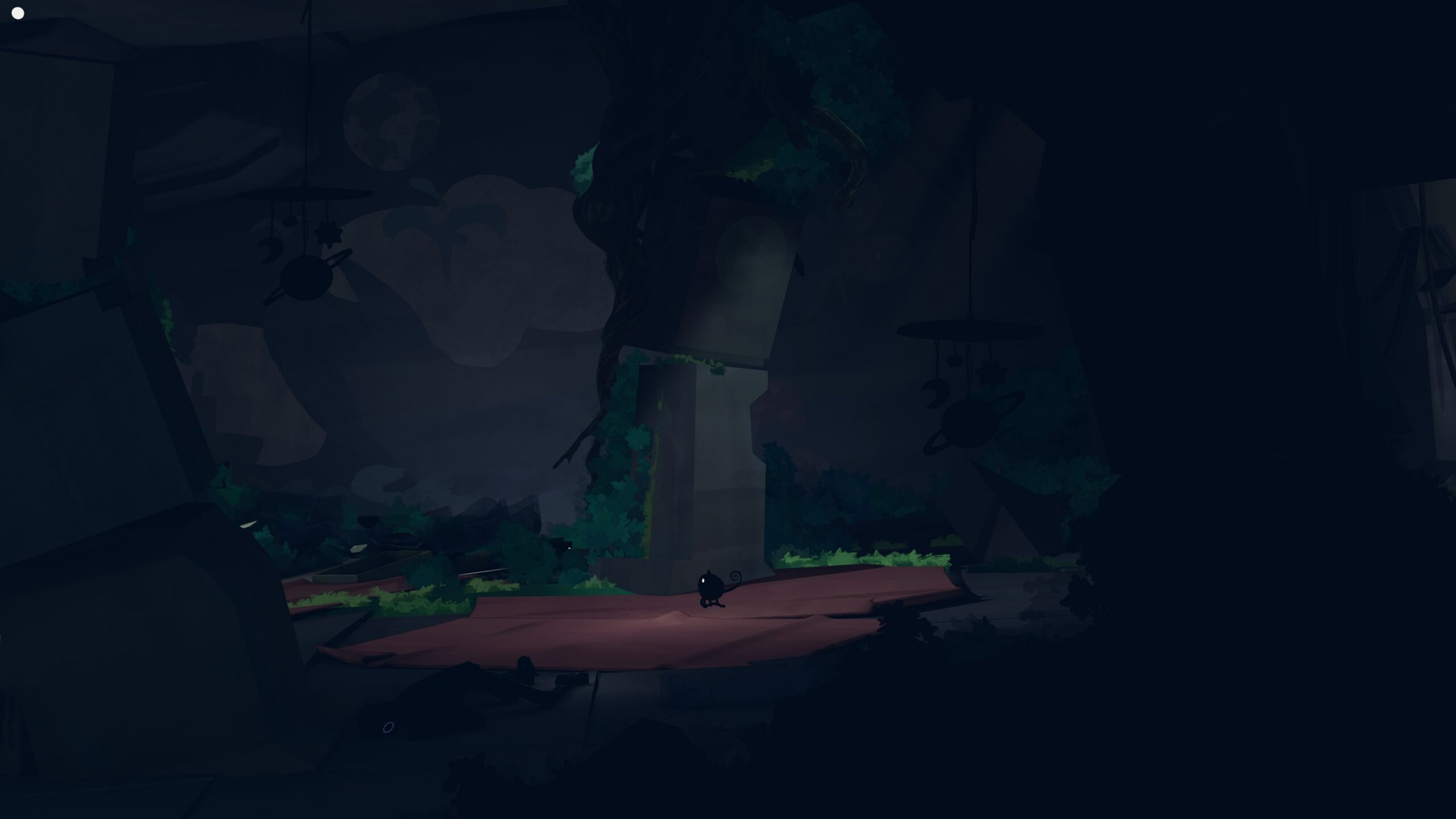
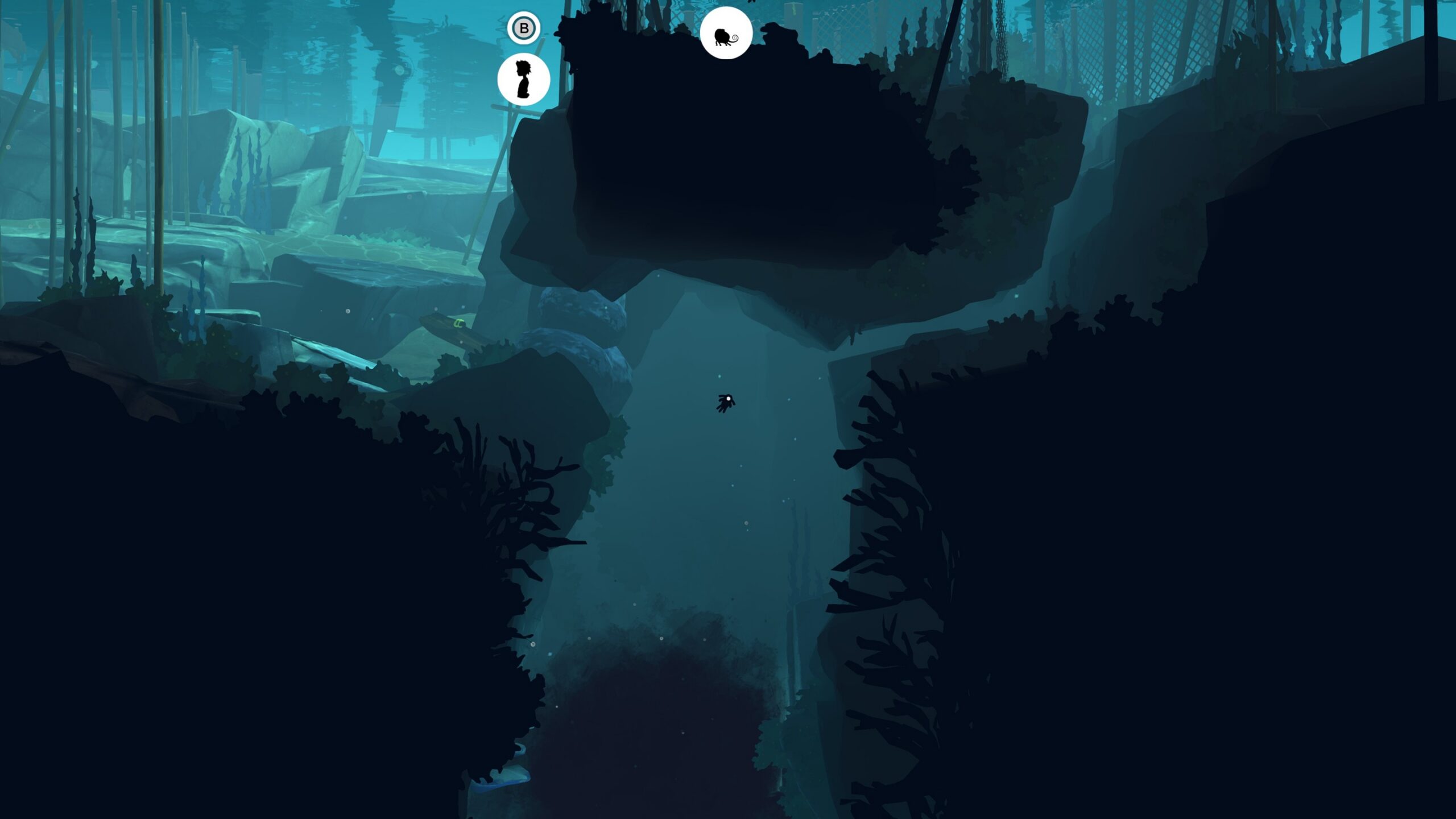
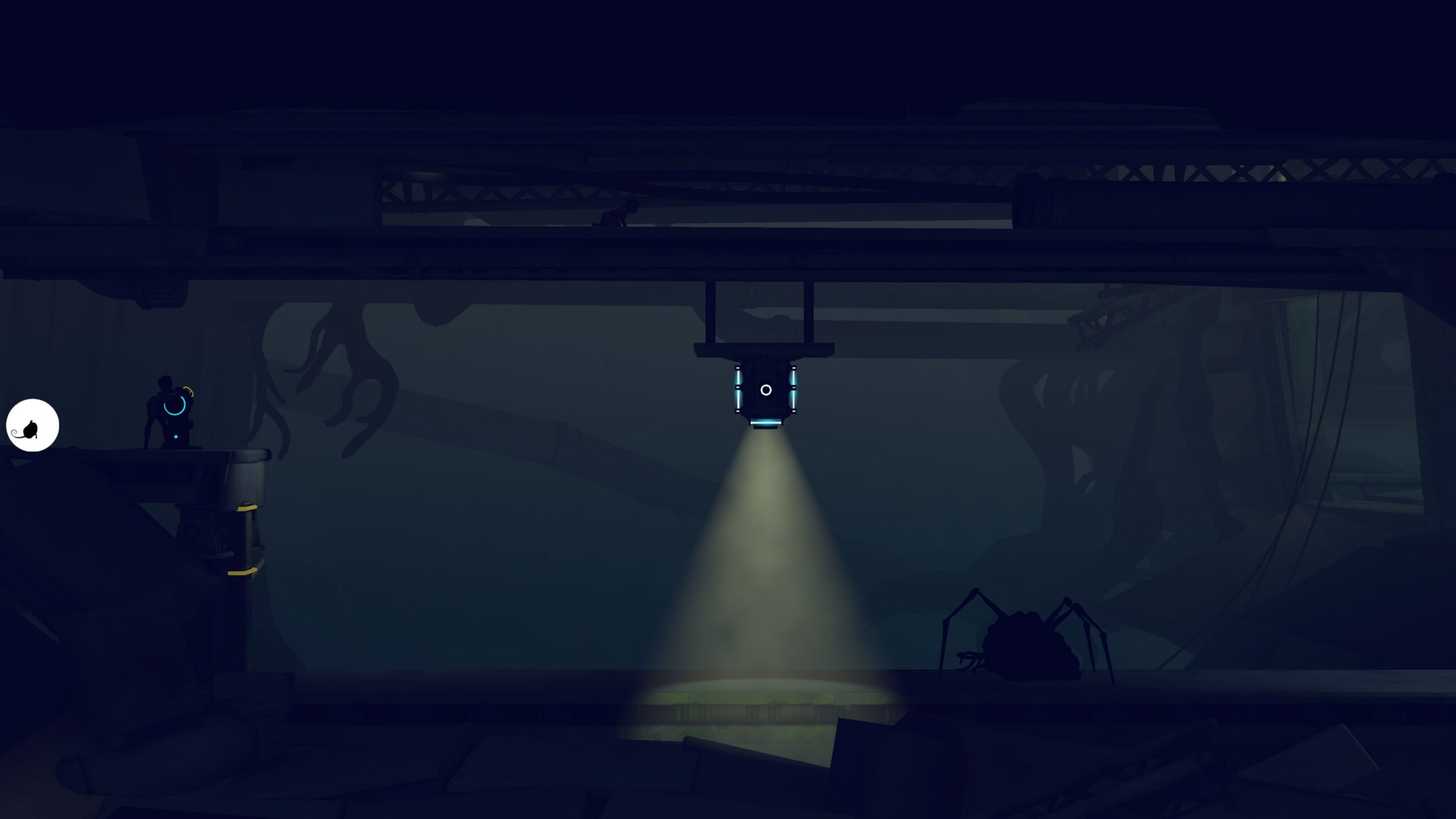
It all starts with Lana—who is slightly older now, though not by much—carrying the responsibility for Anua, a girl too young to properly gauge the world’s dangers as they explore underground caverns. Not much later, they are reunited with that quirky little creature from the first game, Mui. Admittedly, this sequel begins in a rather uninspiring setting, and things don’t exactly move at a brisk pace. Actually, the first chapter only truly becomes interesting once water mechanics are introduced, featuring electric fish that kill you instantly on sight. The caverns are pitch-dark, cluttered with platforms designed solely for tutorials and pipes for Anua to crawl through. Just like in the previous game, the area is patrolled by those menacing, spider-like creatures that will grab and crush you if you don’t use a light beacon as a buffer.
After Anua comes into contact with radioactive material left by villains, it falls to Lana to obtain healing seaweed to bring her back to consciousness—back to the land of the living, so to speak—while the secrets of the world and the origins of the strange intruders unravel. Inevitably, several plot events will once again test one’s emotional resilience.
The Powers of Mui
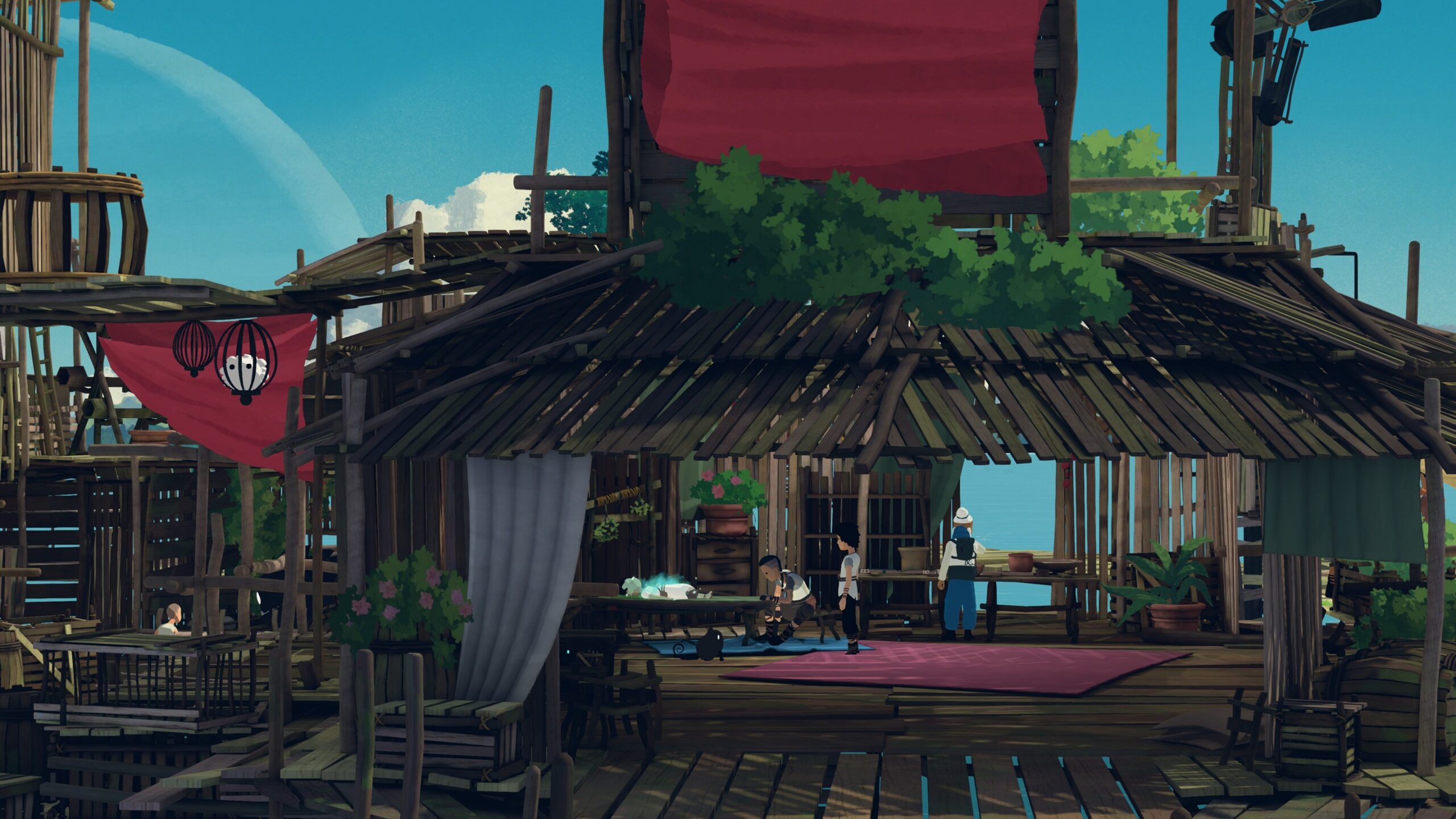
Immediately upon Lana’s return to the village, the warmth and charm of the original experience resurface, resulting in an irrepressible smile on my face. The fictional, babbled language—delivered with pitch-perfect intonation—prevents any sense of distance, making me instinctively understand every emotion and intention while breaking down every language barrier.
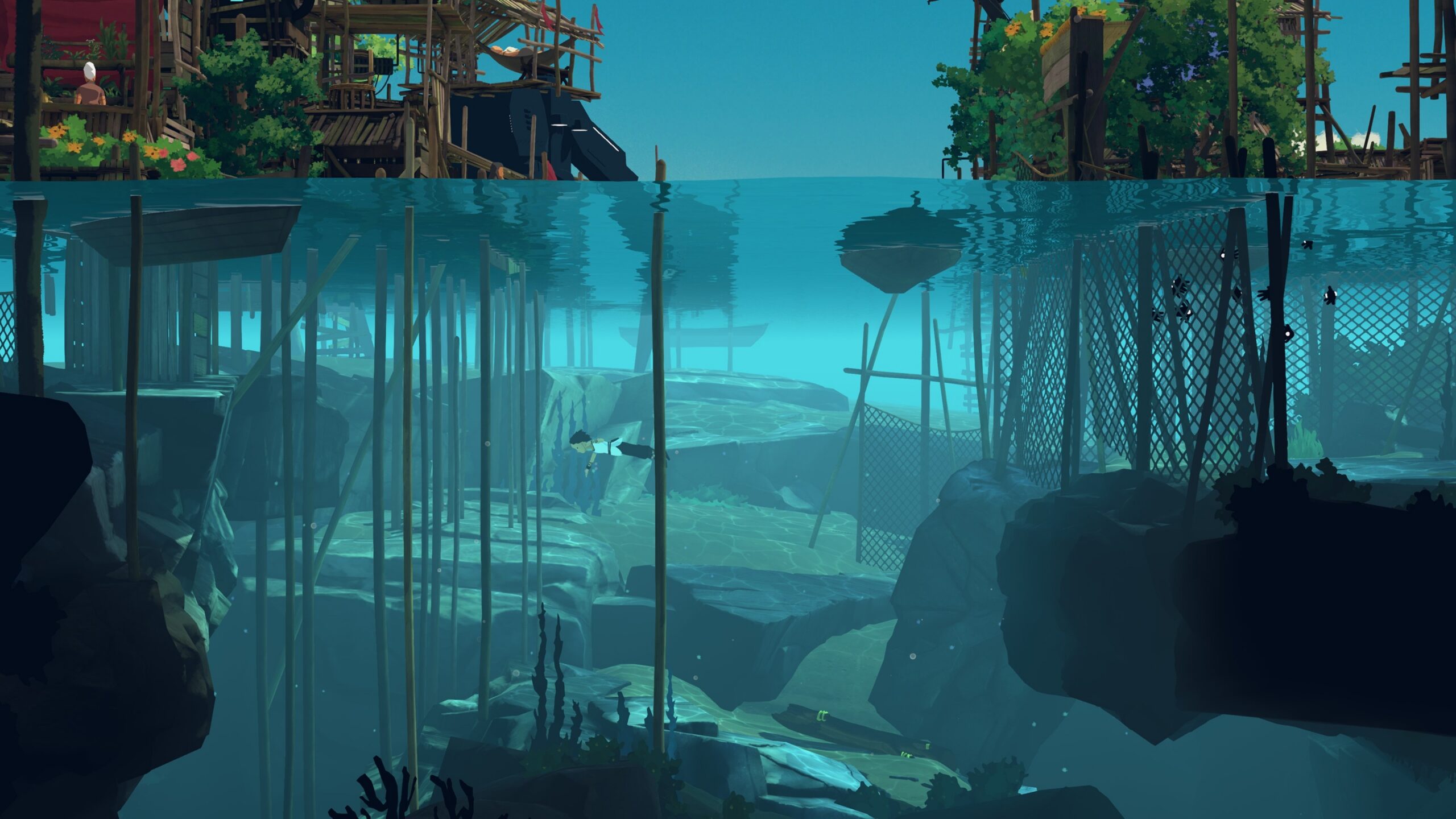
Yes, the art style and sound design are once again sublime, and the core gameplay largely remains the same, focusing once more on sandbox puzzles, alongside basic parkour actions like climbing and wall-jumping. This vertical shift is a natural fit for the world’s design: multiple platform layers are now stacked on top of each other, allowing you to slide, dive, and climb higher than ever before.
Most of the puzzles in Children of the Leaf require the knowledge to manipulate objects for progression or to deactivate devices emitting lethal electrical currents. Mui can also be guided to a waypoint, allowing for more than just “follow” or “stay” commands. By precisely ‘planting’ him somewhere, he can take control of objects—like drones—and even living beings, effectively allowing you to perform special abilities unique to each object or animal.
Unfortunately—and it’s a shame to have to say this—the execution is somewhat uneven. While some creatures are a joy to control, others simply don’t work as smoothly. For example, one of the special abilities is to control a so-called ink fish, which derives its name from its power to generate a large underwater ink cloud at a specific spot. Sadly, however, there is no way to undo this ink cloud quickly, not even by returning control to Lana and Mui. If the cloud is placed in the wrong spot, the wait for it to dissolve naturally is far too long. Furthermore, when a controlled delegate fails, something can go wrong during the automatic transition back to Lana. Sometimes, she will automatically perform an action because the button was already being pressed in the hope the remote-controlled creature would have succeeded, leading to accidental mistakes.
Toying with Logic, Trial-And-Error
During the puzzles, the order of execution is still paramount, and the exquisite focus on both logical thinking and trial-and-error remains untouched—which is a good thing. These were the standouts of the first game, and it’s heartening to see that hasn’t changed. At the same time, a few new elements make certain puzzles more obscure and less accessible. The focus shifts toward execution speed rather than pure logic—evident in the game’s run and escape sequences—which is exactly where things can sometimes go wrong.
It is somewhat annoying that there is no visual indicator—not even a simple dotted line—to show how far Mui can walk or jump, nor is there an accessibility setting for this. The same goes for an oxygen meter; since Lana has to swim underwater so often, a visual indication of her remaining breath would have been helpful. These omissions often turn the puzzles into guesswork and slight frustration, compounded by logic that isn’t always consistent. Take the climbing, for instance: Lana and Mui scale some surfaces effortlessly, yet are inexplicably blocked by others, such as a slightly elevated floor, a nearby pipe, or even a simple floating plank where I absolutely can’t imagine the skinny Lana causing it to sink.
The fact that Mui can only be controlled within a certain radius literally limits the puzzles as well, making them feel somewhat tedious when backtracking is required to get him back in range. On the plus side, the automatic save points are very generous. Even better, they are incredibly forgiving. Several times I just barely failed an action and died, yet the game saved my progress, allowing me to pick up right from that point.
Final Thoughts
Planet of Lana II: Children of the Leaf is a visually stunning and emotionally resonant continuation that chooses to deepen its world rather than merely expanding it. Elevated by the music and the unique Planet of Lana-style gibberish, the storytelling remains heartfelt, and the core bond between Lana and Mui is as poignant as ever.
While certain mechanical refinements would have smoothed out the friction and some new features feel slightly undercooked, the overall journey remains deeply rewarding. At roughly six to eight hours, it is a worthwhile experience for anyone who values atmosphere and puzzles that trust the player to think and feel in equal measure.
Additional Information
Release Date: Mar 5, 2026
Reviewed On: PC. Download code provided by the publisher and PR agency.
Developer: Wishfully
Publisher: Thunderful Publishing
Relevant links: Available on STEAM