DaRmaZat
 Ayasa: Shadows of Silence has come a long way since we previewed the early demo that hinted at its surreal, symbol-laden world. Back then, the dark platformer felt like a curious experiment—haunting, visually distinct, but staggeringly unstable. Now the full release is out, yet it still occupies a strange middle ground. The demo phase may be over, but the game continues to receive patch after patch as the developers try to wrestle its technical foundation into place. That same dreamlike pull remains intact—this sense of drifting through a world that speaks in imagery instead of dialogue—but so do the cracks that complicate the journey.
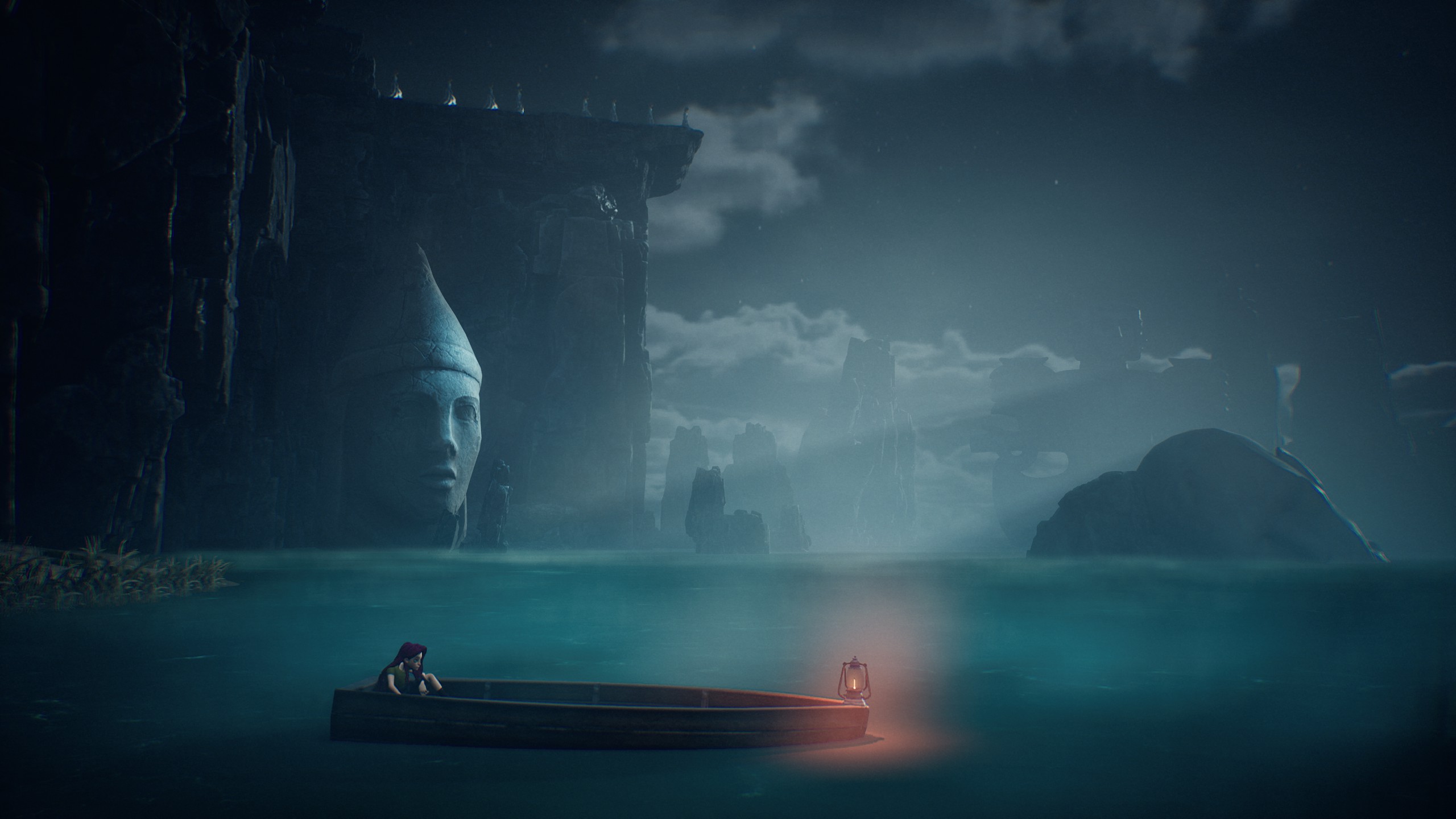
Once again, this release version doesn’t so much welcome you as shove you headfirst into its unraveling reality. You, as the fragile girl called Ayasa, awaken in the woods, surrounded by a universe already collapsing under atomic fire, an invading alien force, and a creeping purple mist whose clawed limbs constantly threaten to swallow the world whole. Nothing is explained, and nothing wants to be explained. Instead, the game moves with the cold logic of an unfolding nightmare, and asks you to follow along as best as you can.
A World Turned Inside Out, Unsettling You
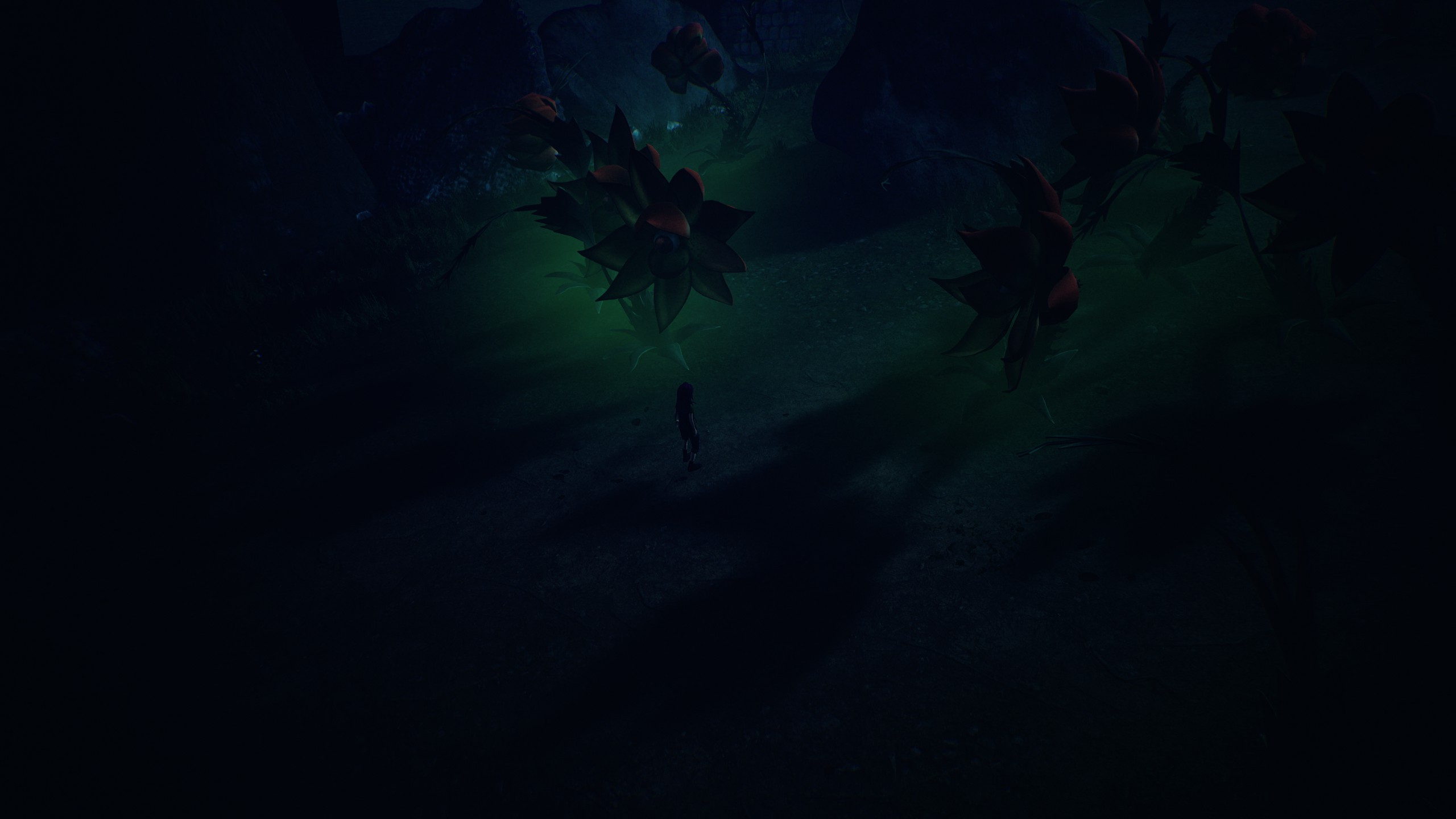
The Inverted World is still the game’s most compelling creation. What was once overseen by the Absolute, Tas, now lies in fractured lands that reflect both global ruin and Ayasa’s internal conflict—domains tied to Faith, Hope, Love, Greed, Indifference, and Betrayal, each bleeding into the next like shifting dreams. Ayasa: Shadows of Silence trusts the player to accept everything at face value: the dead elephant in the forest, the distant mushroom cloud, the alien advance on a city doomed to fade. Their lack of explanation becomes part of the emotional rhythm.
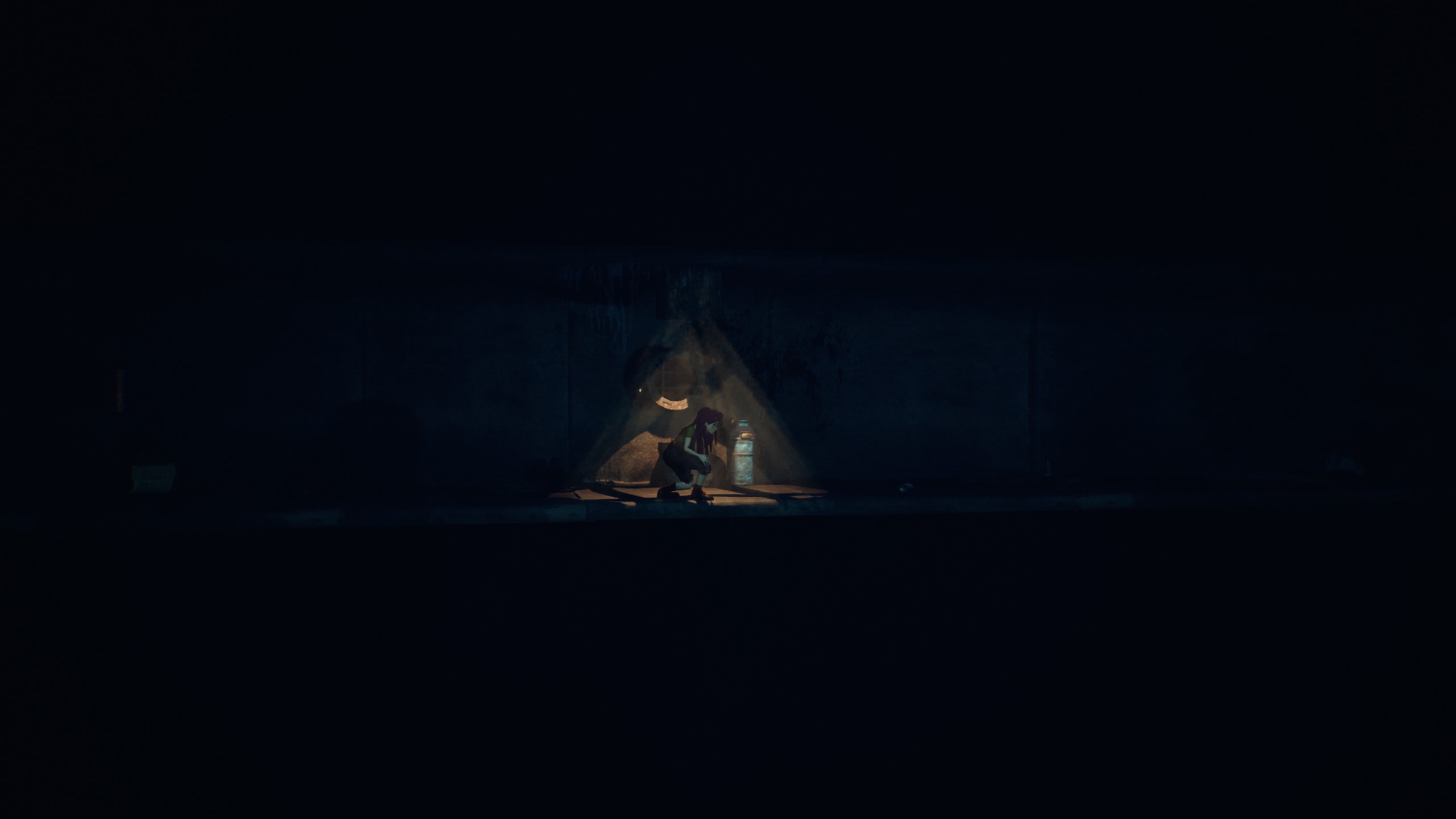
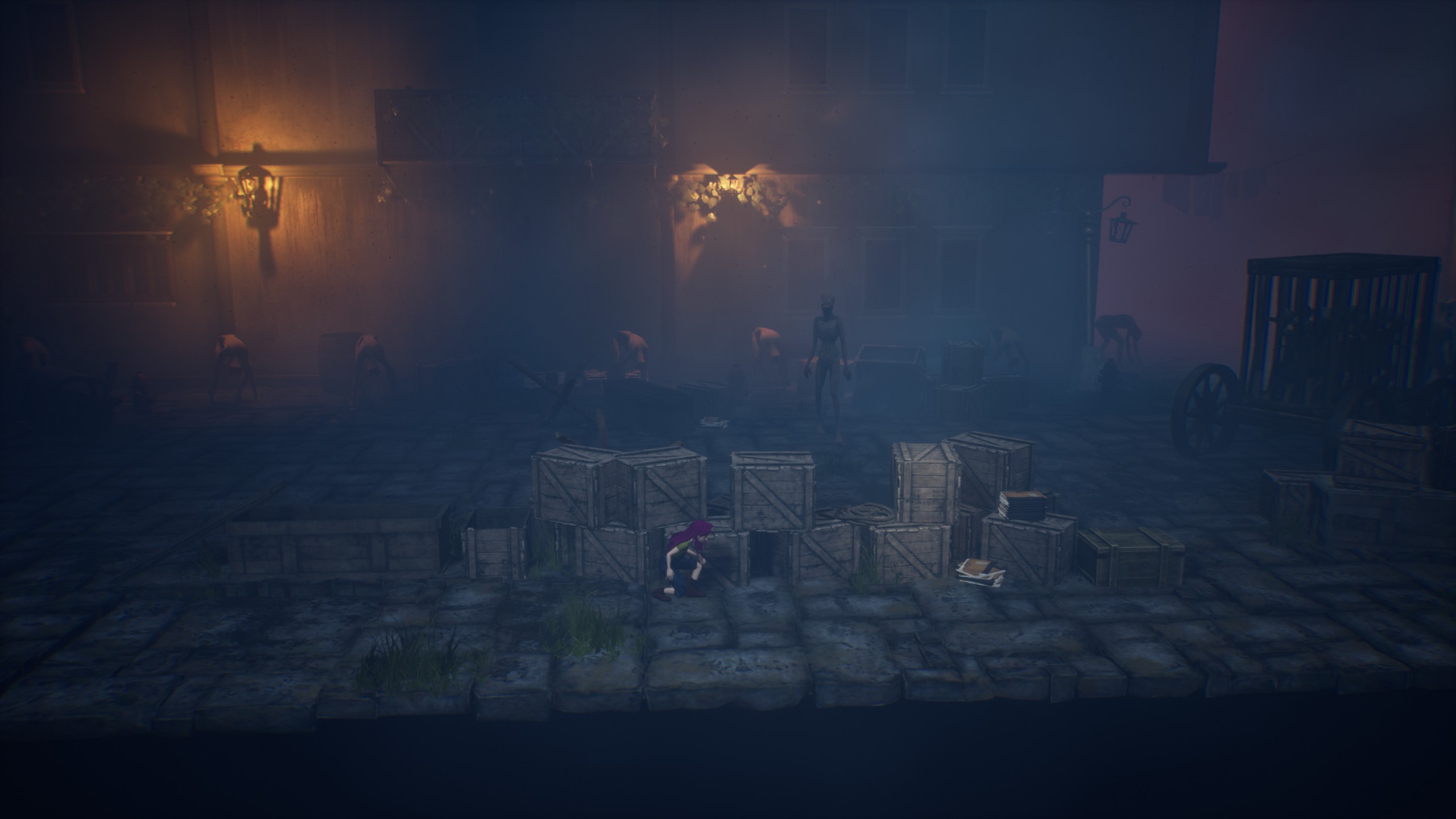
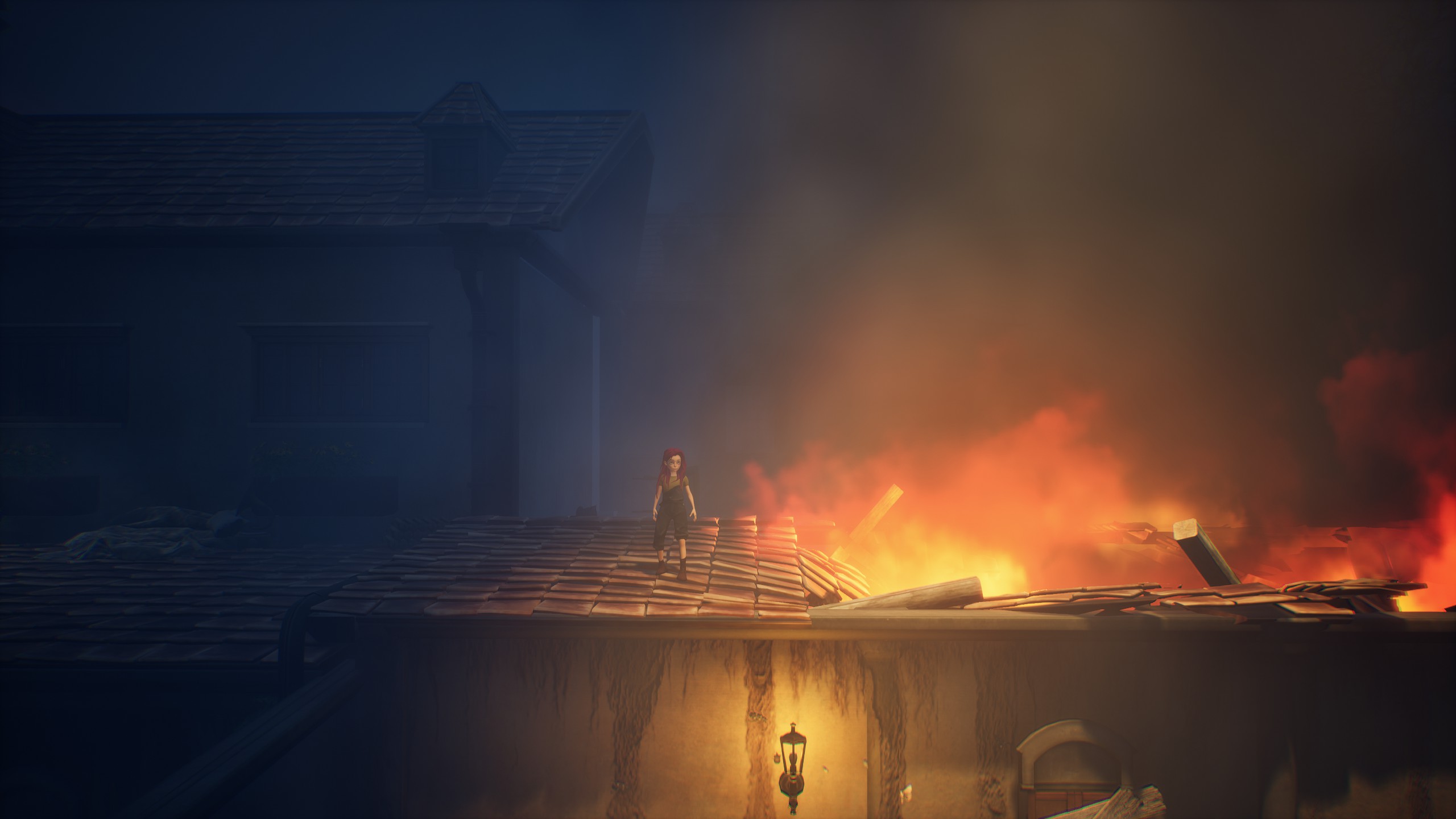
Horror here manifests with an almost anime-expressionist distortion—elongated shadows, grotesque silhouettes, environmental shifts that feel like abrupt mood swings. The world folds between symbolic spaces with no clean transitions, as if stitched together by memory rather than level layout. Candlelight flickers in burned forests, shattered villages feel emptied of humanity mid-breath, and abandoned homes whisper through their architecture instead of the usual text or audio logs found in so many other games. Exactly, Ayasa’s story is communicated through mise-en-scène rather than plot. When something terrifies or unsettles you, it’s because you’ve stumbled into imagery that reveals more than it’s willing to say.
A Playground That Is Fond of Delaying You
While the ideas behind Ayasa’s mechanics remain intriguing, the execution continues to feel unsteady in this release version. Platforming in this 2.5D perspective still suffers from the same depth issues, with jumps that look safe but betray you at the same moment. Truth be told, Ayasa’s movement still floats rather than commits; and the character sometimes seems to hesitate before reacting to input. Even something as basic as controller prompts remains inconsistent, with PlayStation button icons appearing despite selecting an Xbox controller in the options. Why have the option, then?
My experience during the opening minutes mirrors what many other players ran into. A first issue appeared in the main menu: my first selection didn’t register, so I had to retry the intended option several times. After waking in the forest, the game asks you to push a crate to reach a fallen tree. A simple tutorial-like moment—but the jump delay was so pronounced that I couldn’t reliably clear it. I eventually managed to nail the jump by pressing the button halfway through the box, only for the landing on the tree on the other side to be nearly impossible. At one point the game glitched so much while jumping that it threw Ayasa onto the back of the first monster in the area passing by in the gap beneath, riding on its back until the game decided it was time to reload from the very start. Because savegames didn’t work either. And that wasn’t just an outlier—it set much of the tone.
Even past this intro, the controls remain temperamental. The girl can spawn half-merged into the ground, stuck in place until she falls through the map. Also platform edges behave unpredictably; the game’s fixed camera begs for forgiving collision, but the current build often denies that grace. Trial-and-error platforming isn’t inherently bad, but here it’s compounded by load screens that feel far too long for the size of the arenas. Also, instead of the intended key art of the girl peeking through the darkness, I regularly saw the engine flash loading the raw assets.
Don’t Listen or Look Too Closely
Despite these technical issues, Ayasa’s abilities can shine. Revealing hidden paths with bursts of light or powering forgotten machinery recasts each location with clever symbolic resonance. Sure, the gameplay ideas are solid; it’s just the systems that still tremble under them. Visually, the game also remains striking. Every scene leans into moody surrealism, with spectral colors played out against oppressive shadow, landscapes that feel simultaneously decayed and theatrical, weather effects that batter the world without pause. The wind tears through the trees, storms drown the horizon, and entire regions feel sculpted from dread.
But then sound and performance come back in, betraying that aesthetic artistry. When the game transitions from cutscene to gameplay, audio is often sliced abruptly. Enemy attacks sometimes land without any noise while background music, when it appears at all, fades in and out like a feature still in prototype. For a game that thrives this much on atmosphere, its soundscape feels unfinished. Similarly, performance is also unstable. The cutscenes are rendered in stutters, regardless of the system. The load times also stretch far beyond what is bearable, and optimization remains inconsistent with oddly, the medium graphics preset providing more FPS than the low one. Or, to conclude, optimization did not quite fully materialize.
Final Thoughts
Unfortunately, even after its release, Ayasa: Shadows of Silence is still a contradiction through and through. Its world is bold, lyrical, and unsettling in all the right ways. Its imagery lingers, its ideas carry weight, and its dreamlike structure invites repeated contemplation. But the release build still behaves like something caught between versions—haunted by input inconsistencies, audio gaps, unpredictable collisions, long loading screens, AI hiccups, and scene transitions that feel stitched with frayed thread. Even now, frequent patches arrive in quick succession, each one trying to pull the experience closer to the game it wants to be.
There’s something genuinely affecting, atmospheric, and worth watching here, but the technical foundation continues to blur what could have been a seamless descent into its beautifully broken world. With enough updates, Ayasa may yet become the memorable, haunting journey it clearly strives for. For now, though, patience and perseverance remain part of the experience.
Additional Information
Release Date: Nov 28, 2025
Reviewed On: PC. Download code provided by developer and publisher.
Developer: Aya Games
Publisher: Aya Games
Relevant links: Ayasa: Shadows of Silence on STEAM