DaRmaZat
 A tiny mouse climbing through a sewer labyrinth doesn’t sound unusual for a roguelike—until Morsels layers it with strange creature-swapping, CRT fuzz, and an almost feverish sense of motion. Furcula and Annapurna launched this top-down action roguelike on November 18, promising runs that spiral between frantic bullet-hell pressure and odd moments of quiet, only to throw you back into chaotic rooms where hits land before you even realize the fight has started.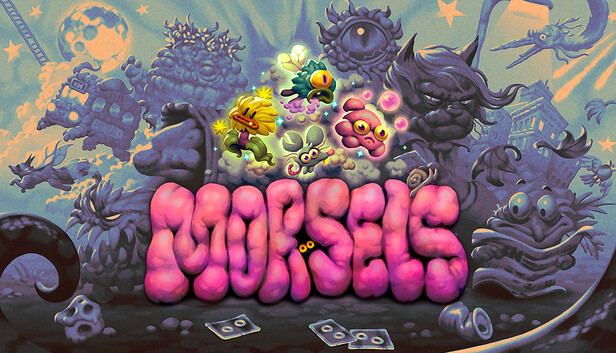
Into the Maze, Into the Teeth
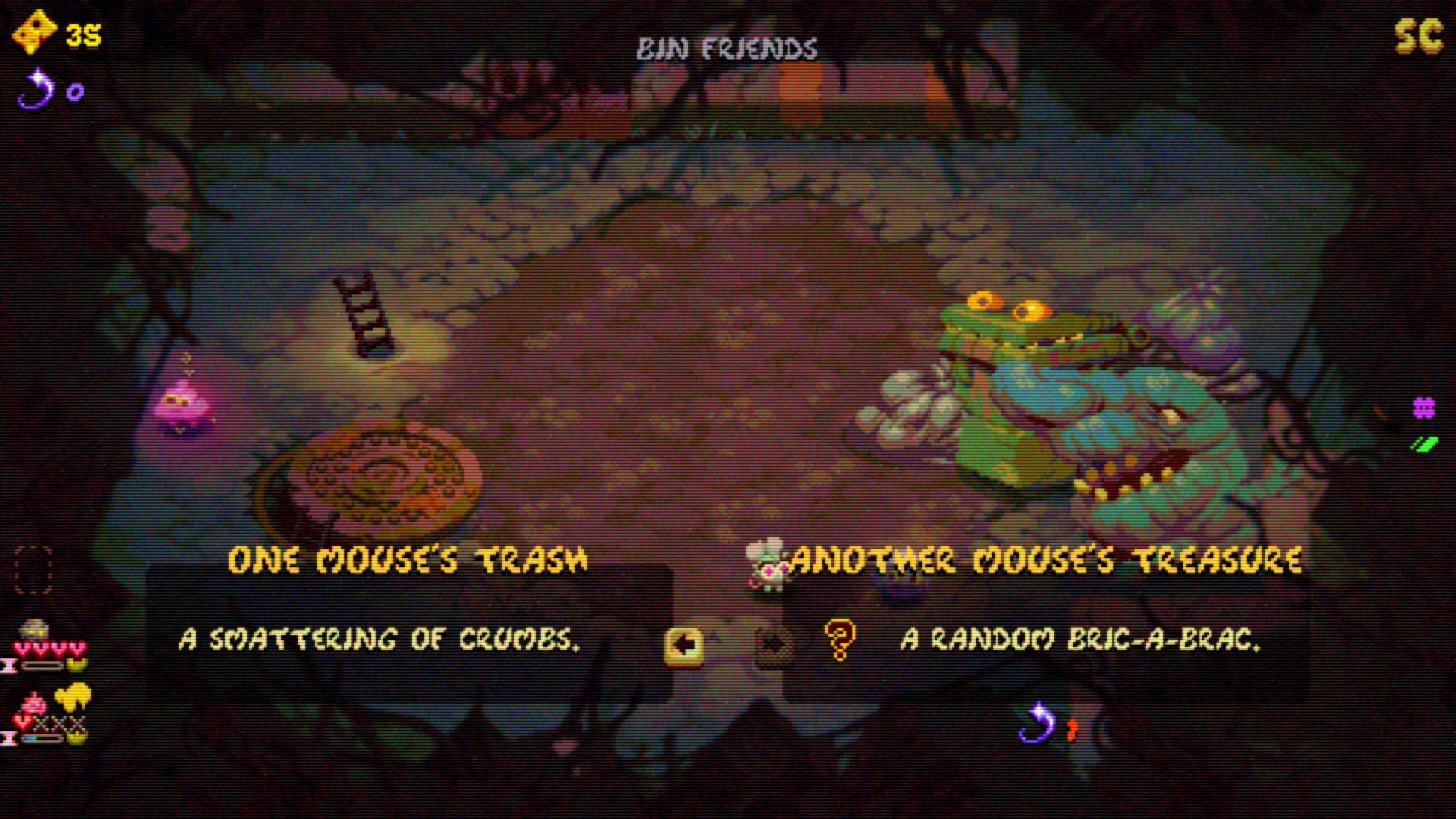
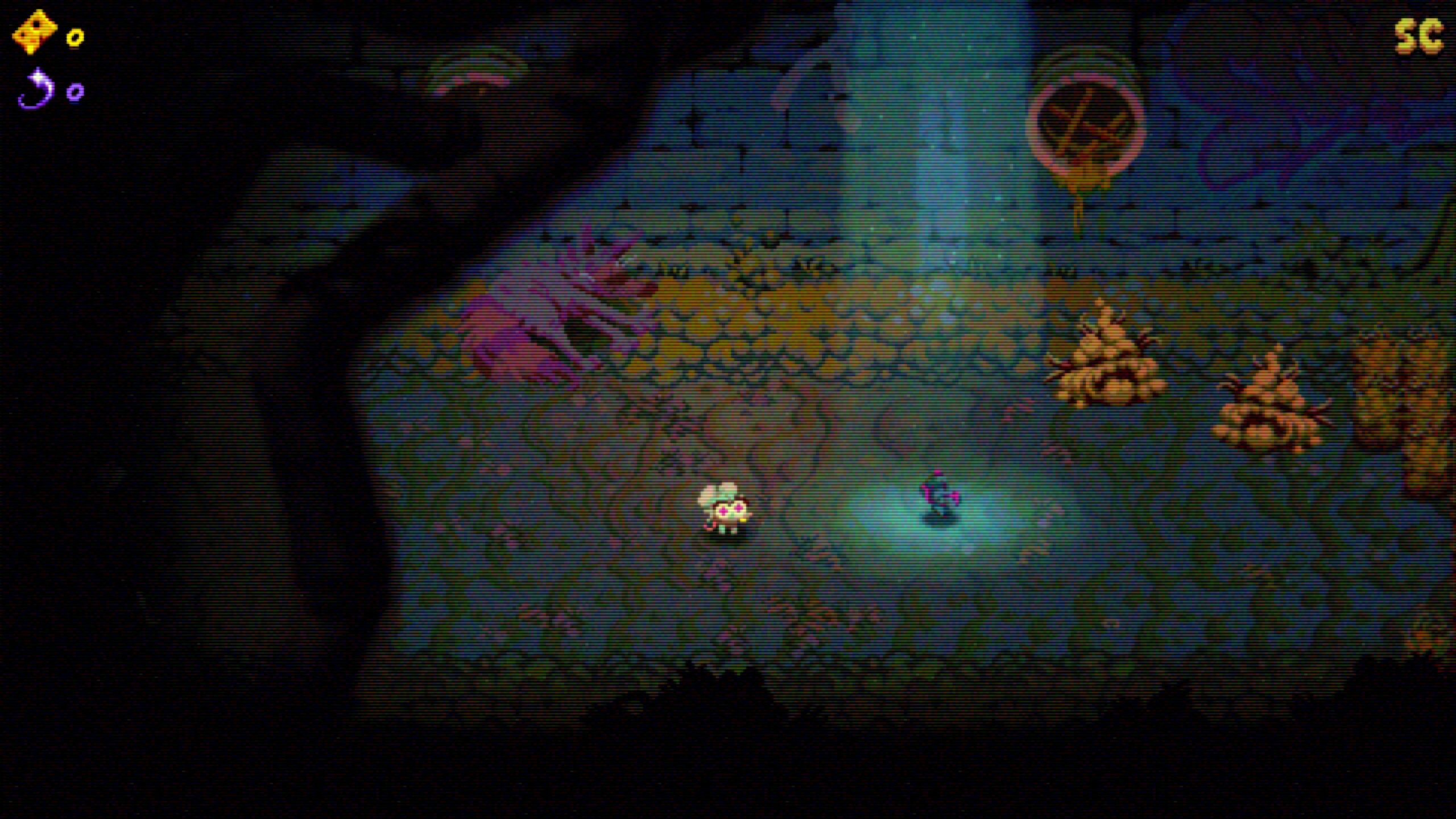
Morsels‘s difficulty choices open with a wink (“soft cheese” versus “hard cheese”), but the humor hides how quickly the game can turn mean—especially when attacks, despite being tied to directional aiming, don’t always fire where the mouse is actually facing. Sewer platforms, dripping pipes, and rusting metal form a world that feels deliberately off-kilter. Ladders lead to small chambers, sewer covers hide compact zones, and stages unfold in brief, looping chunks that feel stitched together more by instinct than logic.
The world looks open at first, but invisible blockers tighten exploration into strict lanes, with some barriers even requiring proper keys. Others you can bypass with a single dash—no explanation, no logic, just an unspoken rule you eventually adopt. That’s just Morsels: its inconsistency gives the world a dream-logic quality, though not always in a flattering way. For me, the in-game progress often felt like wandering through a place that keeps rewriting its own rules.
Creatures That Carry You, or Break You
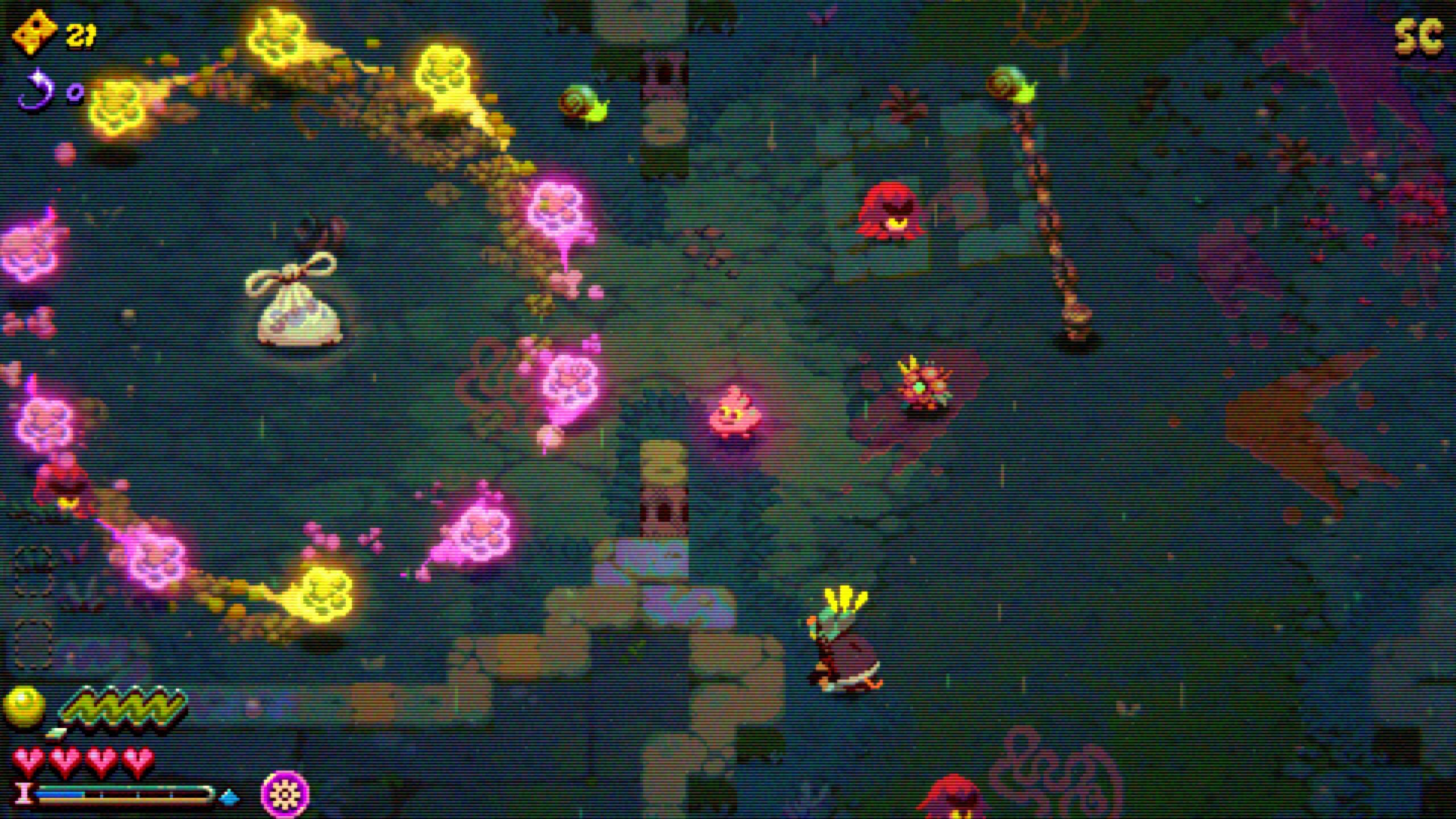
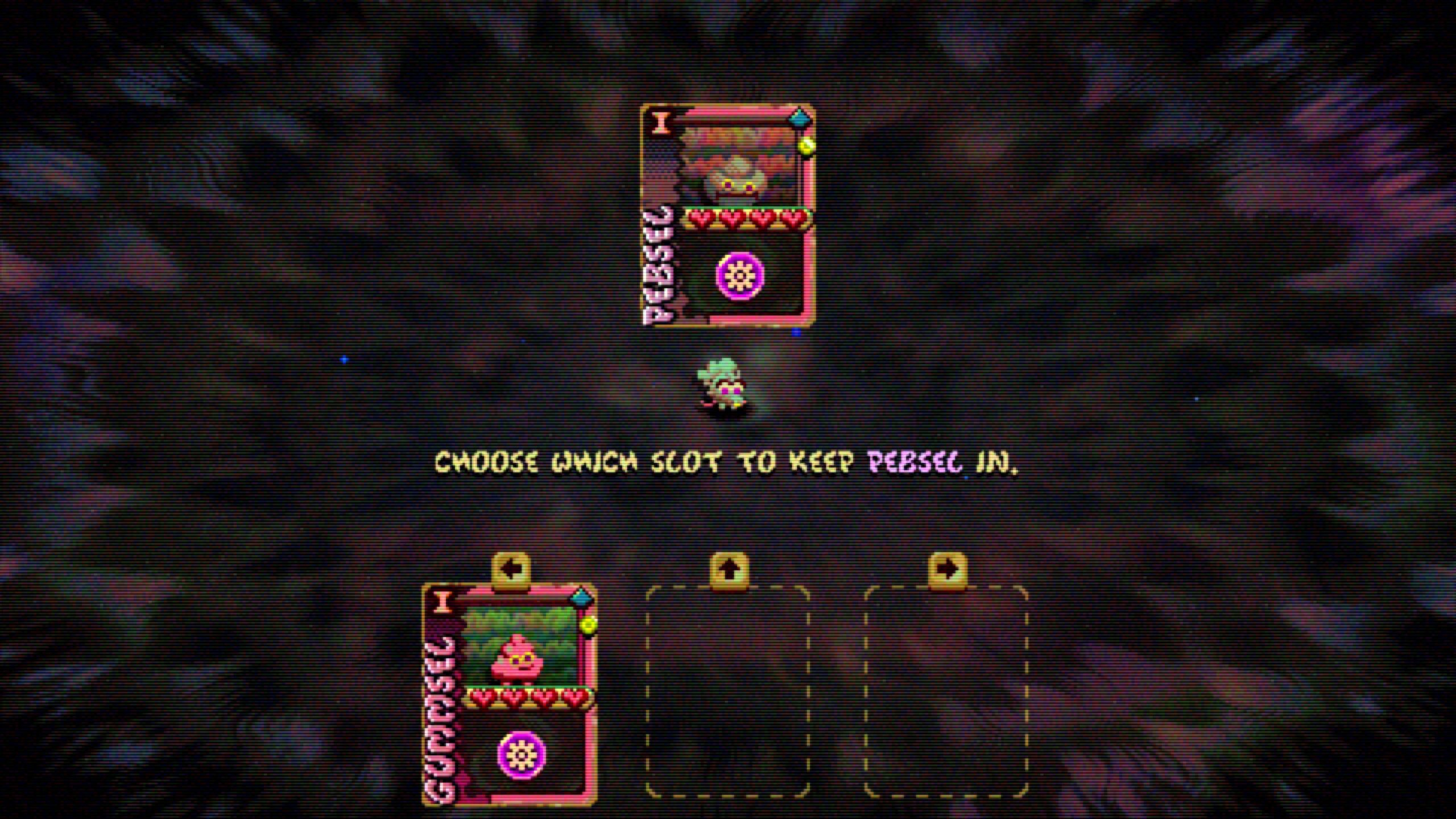
Morsels’ frequent card pickups fuel the mutation system, letting you transform into new “morsels”, each a creature with its own quirks. Sometimes the form feels like a gift: safer attack arcs, smoother patterns, or the rare breathing room that lets a run settle into clarity. Other mutations drag the difficulty in the opposite direction, giving you attacks that hit oddly, wind-ups that slow everything to a crawl, or ranges that don’t match the chaos around you.
When a form feels wrong, abandoning it becomes its own survival instinct. That act—stepping out of a creature shape and re-steering the run—is one of the few times the game feels generous. Yet the opening moments of many rooms remain punishing, with scripted hits that drop health before you’ve even registered the threat. Dodging is quick, dashing is snappy, but the imbalance between reaction time and incoming damage creates a rhythm that leans more toward recovering than mastering. Runs end cleanly, though. You can push deeper, restart immediately, or return to the sewer hub without tedious wrapping or meta-currency grind. The structure is simple and thankfully avoids extra friction.
Oddities, Afflictions & Things That Shouldn’t Exist
Morsels wears its roguelike lineage openly, and yes—there’s a streak of Binding of Isaac in how you move room to room, juggling cooldown-based attacks while praying your build doesn’t collapse. But the resemblance mostly ends at structure; the game’s true identity is stitched from its weirder subsystems, the ones that feel like they’ve crawled out of a drainpipe with attitudes of their own.
One of Morsels’ strangest pleasures is its ailment system. New forms don’t always arrive pristine—sometimes they’re cursed with parasites, trailing hazards, or passive debuffs that feel less like balance tweaks and more like the world itself resenting your presence. Curing them requires the right consumable, but until then you’re forced to adapt, improvise, and occasionally babysit your favorite form while a hostile hitchhiker nips its health down one mistake at a time.
Amid chaos, birds flit by as unexpected moral support. Smash the right cage and you’ll earn a fluttering squadron of sparrows that auto-target enemies and, bizarrely, feel more loyal than anything else in the sewers. They hover, they pepper threats, and sometimes they clean up entire fights you had no business surviving. Their deadpan patience—just silently watching until needed—adds a warm, absurd counterweight to the otherwise grotesque ecosystem.
Blurred Lines, Clean Sound
On PC, Morsels‘ presentation falters in an unexpected way with no resolution settings at all. My 4K display softened everything into a permanent haze, as though I was watching the action through a layer of damp air. It had its charm, though, with the fuzz looking partly stylistic. However, the lack of basic scaling options turned it into a drawback rather than an aesthetic choice.
Despite that, the atmosphere survives in patches—I loved the grime, the CRT bleed, the jittery creature designs. Performance also holds steady, and input responsiveness is fine even if directional attacks betray you too often. The audio sits on the opposite end of that spectrum: gentle, understated, atmospheric. Yes, for me, Morsels‘ soundtrack became one of the few consistently pleasant aspects, smoothing edges that the rest of the game kept sharpening.
Final Thoughts
Morsels is messy, distinctive, and strangely compelling, even when its mechanics act up in quirky ways. The mutations offer wild swings between power and vulnerability, the world bends its own rules without apology, and the surreal texture keeps pulling you forward despite the frustrations.
But those frustrations cannot be neglected either—misfired attacks, room entries stacked with unavoidable hits, traversal inconsistencies, and the ever-present blur that muddies an otherwise intriguing world. The game’s charm isn’t enough to erase all of it, though it does soften the blow. As a small, stubborn roguelike with ideas bigger than its own coherence, Morsels leaves a vivid impression even when it leaves you exhausted. It’s memorable, occasionally maddening, and unmistakably itself.
Additional Information
Release Date: Nov 18, 2025
Reviewed On: PC. Download code provided by the publisher and PR agency.
Developer: Furcula
Publisher: Annapurna Interactive
Website: Morsels
Relevant links: Morsels on STEAM