DaRmaZat
 The third-person supernatural horror adventure DreadOut 3 has received a new developer update focused on the return and redesign of Linda’s iconic Irisphone. The game, previously announced for PC and scheduled to launch via Steam in 2026, continues to expand on its core mechanics as Digital Happiness shares behind-the-scenes insights into its evolving systems.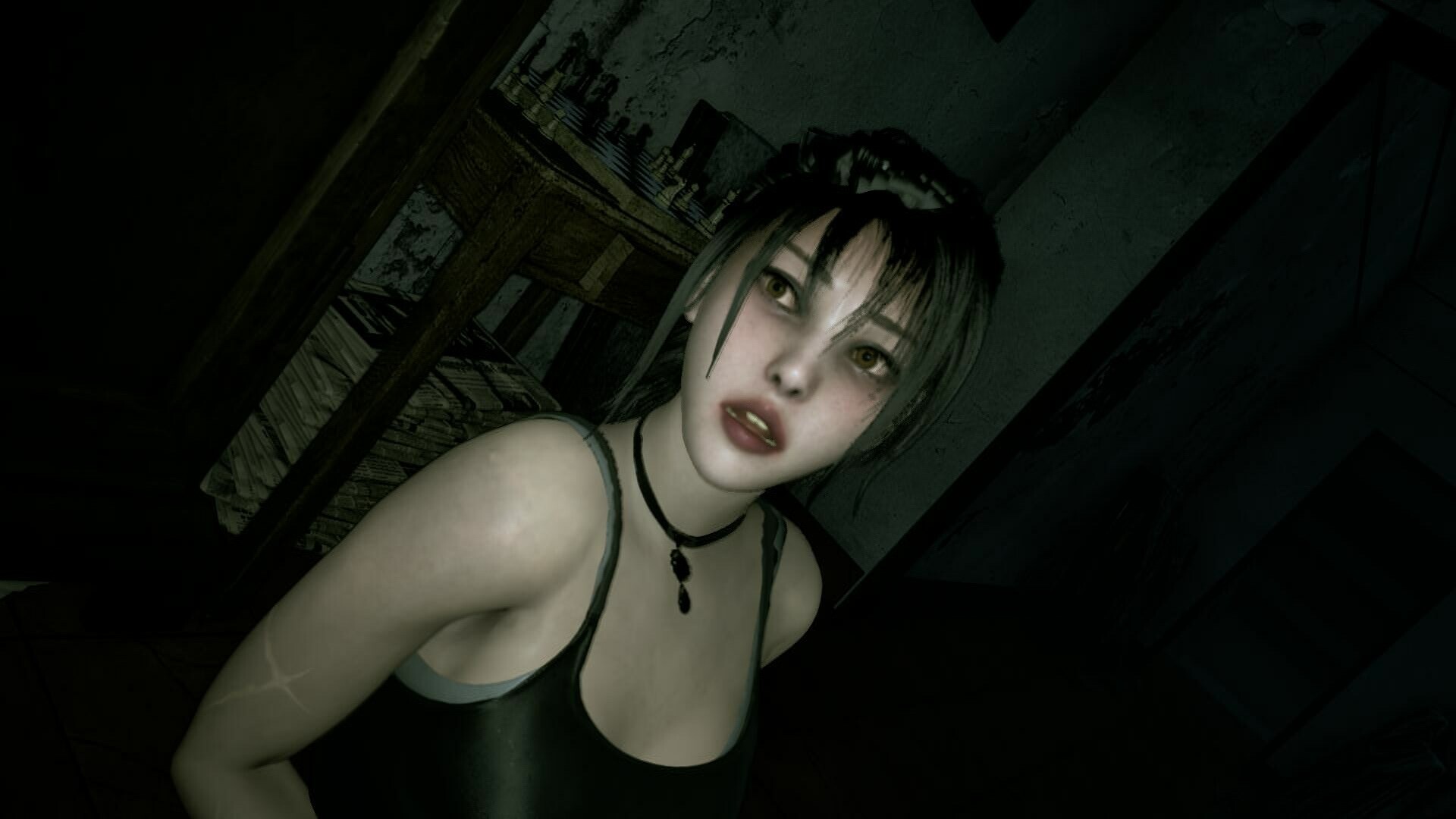
As the next chapter in the long-running franchise, DreadOut 3 once again follows Linda as she confronts malevolent forces rooted in Indonesian folklore. While the sequel promises larger environments and a deeper dive into the supernatural realm, one of its most recognizable mechanics remains central: the smartphone camera used to detect and combat spirits. In this latest devlog, the team breaks down how that tool is being refined for the upcoming installment.
The Irisphone played a functional but visually understated role in DreadOut 2, where its interface lacked strong visual identity. For the third entry, the developers aim to strike a balance between clarity and character. The updated camera UI is designed to be instantly recognizable while remaining subtle enough not to distract from tense encounters. Returning visual distortions from the original DreadOut reinforce moments when reality fractures and the unseen begins to surface, preserving a signature aesthetic tied to the series’ horror tone.
One notable adjustment involves the implementation of a camera crosshair. Early demo feedback, including reactions from Gamescom 2025, suggested that the crosshair could reduce tension by obscuring ghostly figures. In response, the team is actively refining its appearance and responsiveness to ensure it enhances usability without diminishing fear. The goal is to create an intuitive interface that feels natural from the first interaction while maintaining immersion.


The devlog also revisits a long-running question about the Irisphone’s battery life. Rather than functioning as a strict survival resource, the phone’s power has traditionally reflected narrative progression. In earlier entries, events unfolded over short in-game timeframes, with charging occurring offscreen. In DreadOut 2, the presence of a boarding house hub contextualized that recharge cycle. For DreadOut 3, the approach remains grounded in story logic rather than punishing resource management, keeping the focus on atmosphere and exploration.
Beyond interface refinements, DreadOut 3 continues to build on its established blend of third-person exploration and first-person camera-based encounters. Players will once again traverse environments that shift between the physical and spiritual realms, documenting entities for the Ghostpedia while uncovering folklore-inspired mysteries. With its 2026 PC release window still intact, the latest developer update underscores how even subtle UI decisions contribute to shaping the tension and identity of the experience.