DaRmaZat
Following Square Enix’s successful launch of the HD-2D title The Adventures of Elliot: The Millennium Tales, Final Fantasy Resonance was naturally hotly anticipated as well. Sporting the same visual style but taking the form of a traditional, turn-based JRPG, this release marks a major milestone for one of gaming’s most iconic RPG franchises, aiming to combine familiar Final Fantasy elements with spectacular battle sequences and a modern take on classic pixel art.
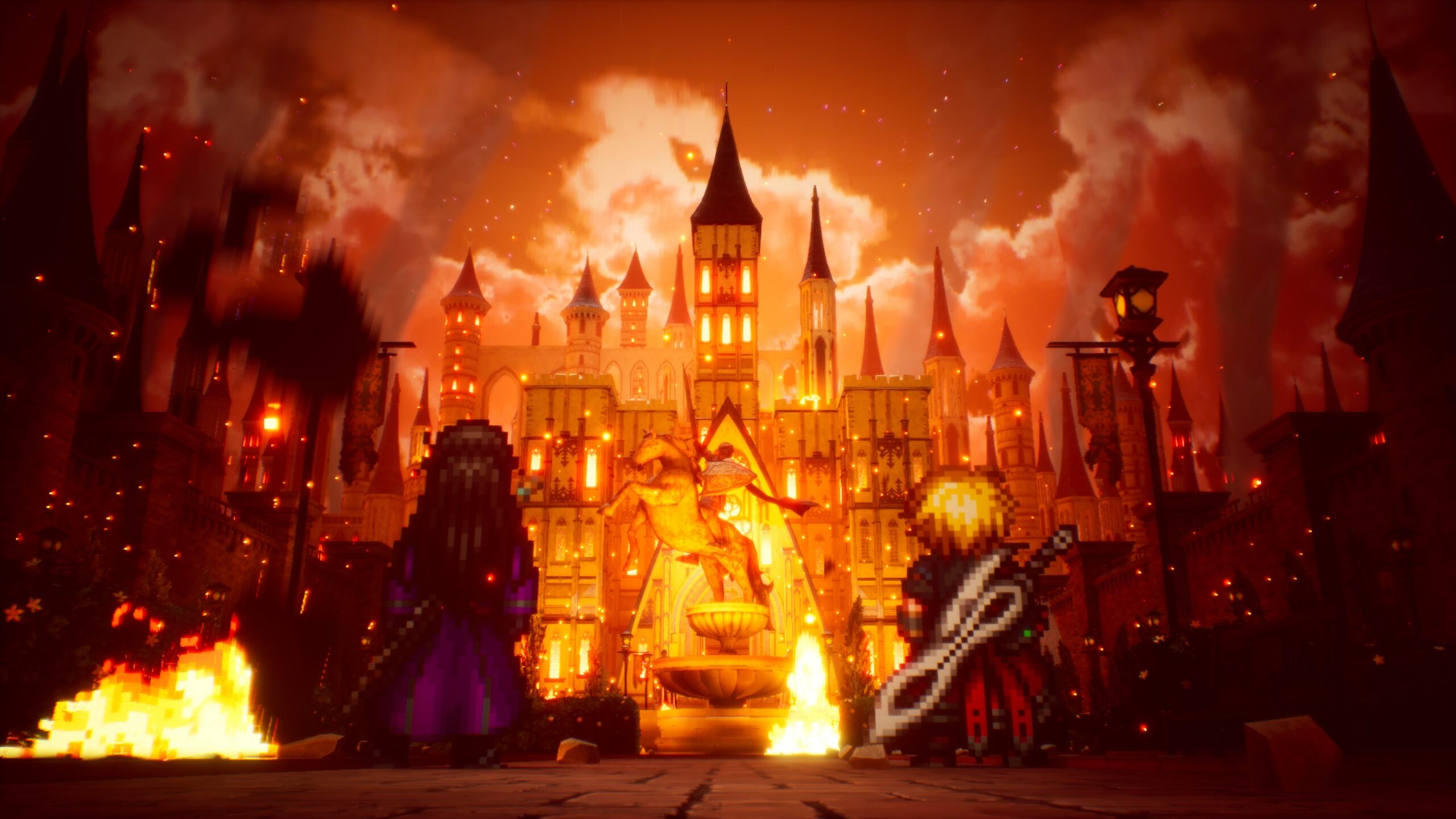
As far as the story goes, Resonance doesn’t exactly have the most original premise, with its rather predictable plot about the scales of balance being tipped and the world facing imminent destruction. Fortunately, that doesn’t mean the way this typical hero’s tale is presented can’t leave an impression. In fact, it delivers plenty of tense moments right from the start.
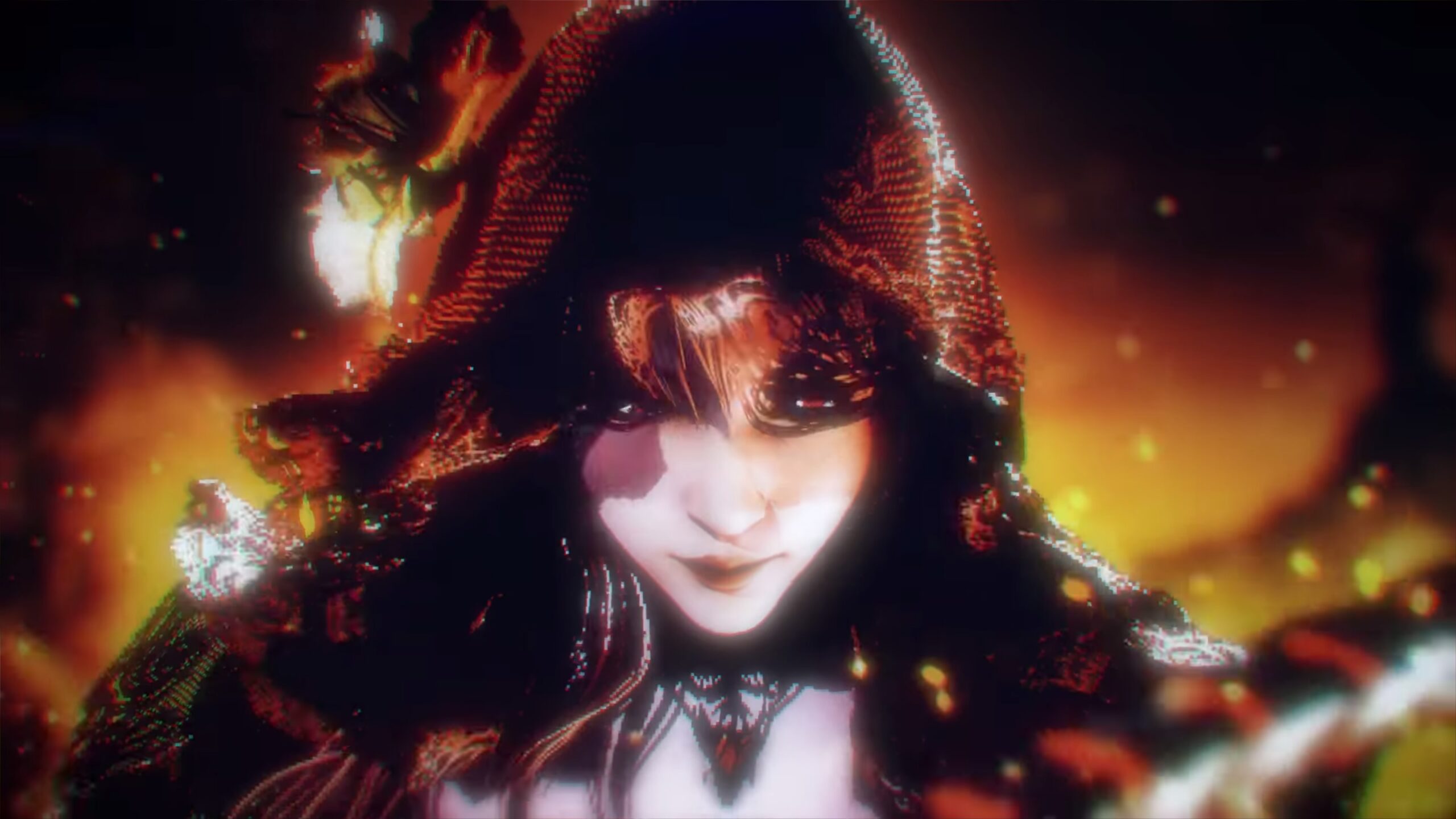
An exciting prologue takes you back 700 years, putting you in the shoes of the so-called Archwitch, who can command legendary allies (Espers) during combat for a set number of turns – more on those later. During this introduction, you learn that the magical Crystals that maintain the world’s balance amid a war between magic and machines are under threat. After this gripping opening, the story jumps forward in time, taking you to the Kingdom of Grandshelt, where you follow Rain, a knight and Airship Squadron Commander, alongside his best friend and Deputy Commander, Lasswell.
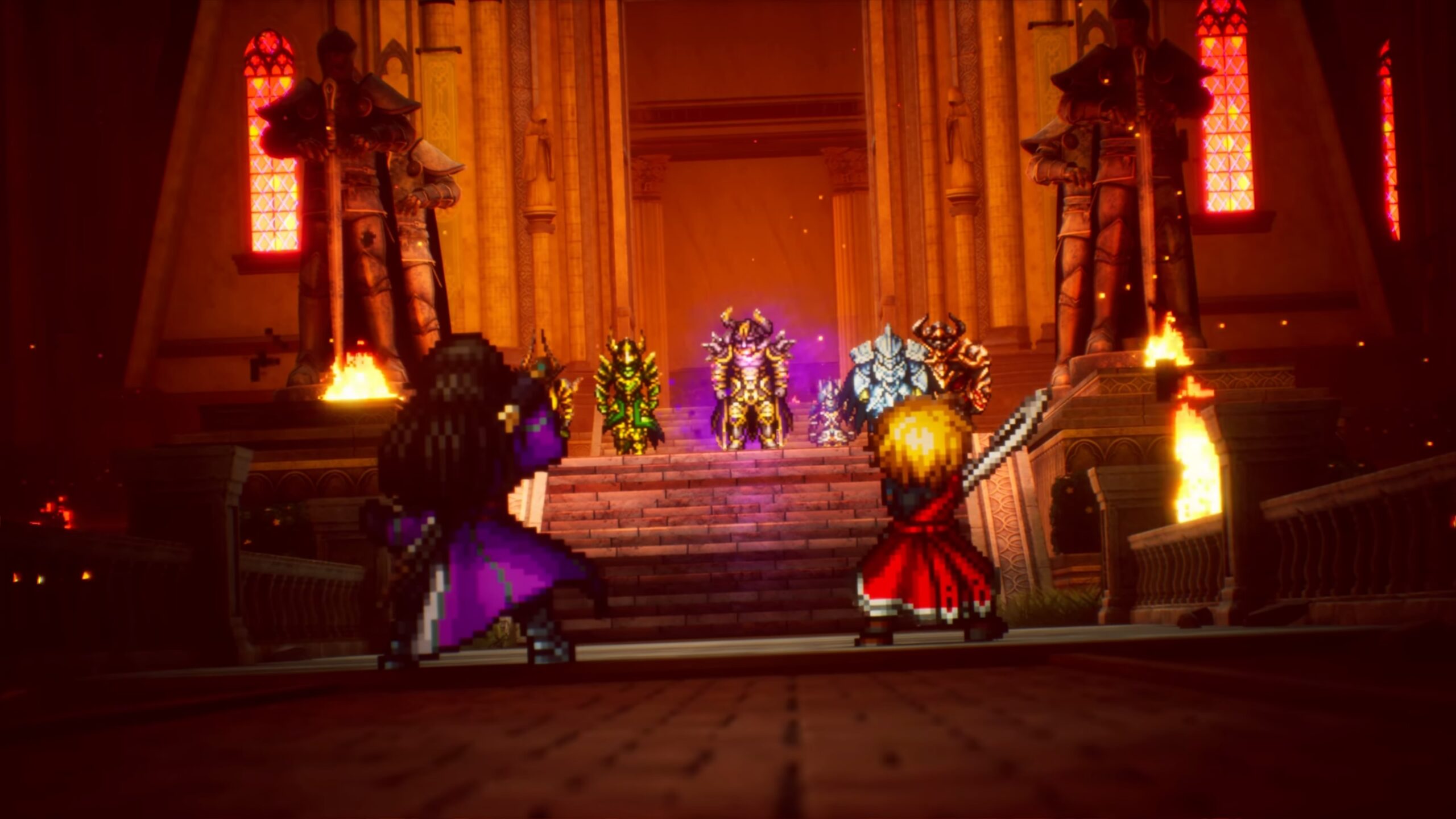
As enforcers of the peace, Rain and Lasswell are summoned by the king, who informs them that a strange magical barrier threatens the Earth Crystal. Soon after, their own Squadron is struck by disaster when an armored mage, one of six evil Paladins clearly intent on establishing absolute dominion over the world, destroys their airship, resulting in multiple casualties. Meanwhile, the skies are filled with falling meteors, and the two begin experiencing strange visions of a mysterious girl with magical powers. With trouble and strange occurrences now coming at them from all sides, they have no choice but to do everything in their power to track down the source of this evil and put a stop to it.
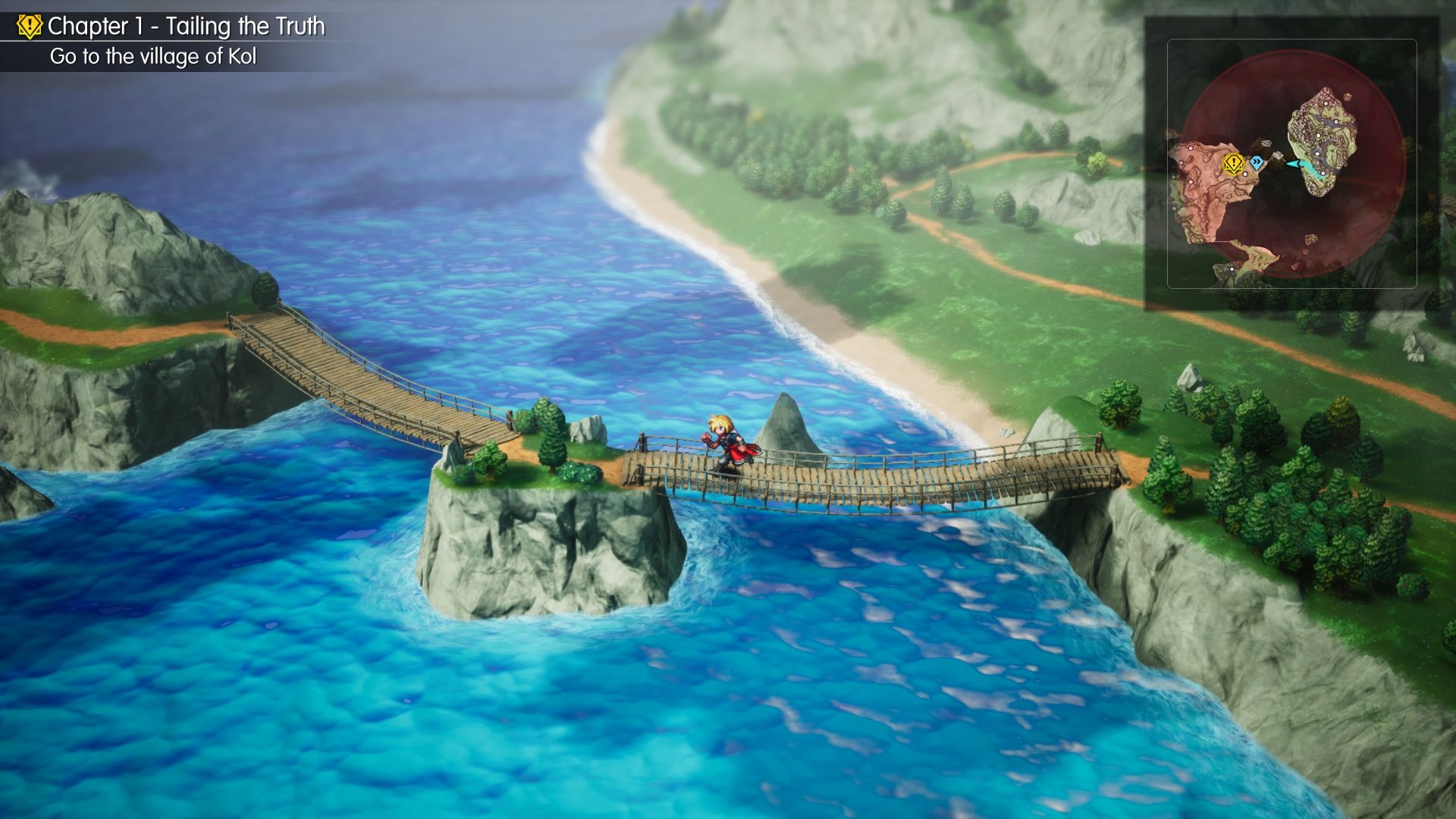
The journey begins in their hometown of Mitra before taking them to Felicitas and beyond, with six additional playable characters joining them along the way as they strive to save the universe of Lapis. One minor immersion breaker is that, outside of cutscenes, you explore the entire game world with Rain alone. Your party members are nowhere to be seen, yet they still participate in conversations as though the NPCs they are talking to can see them.
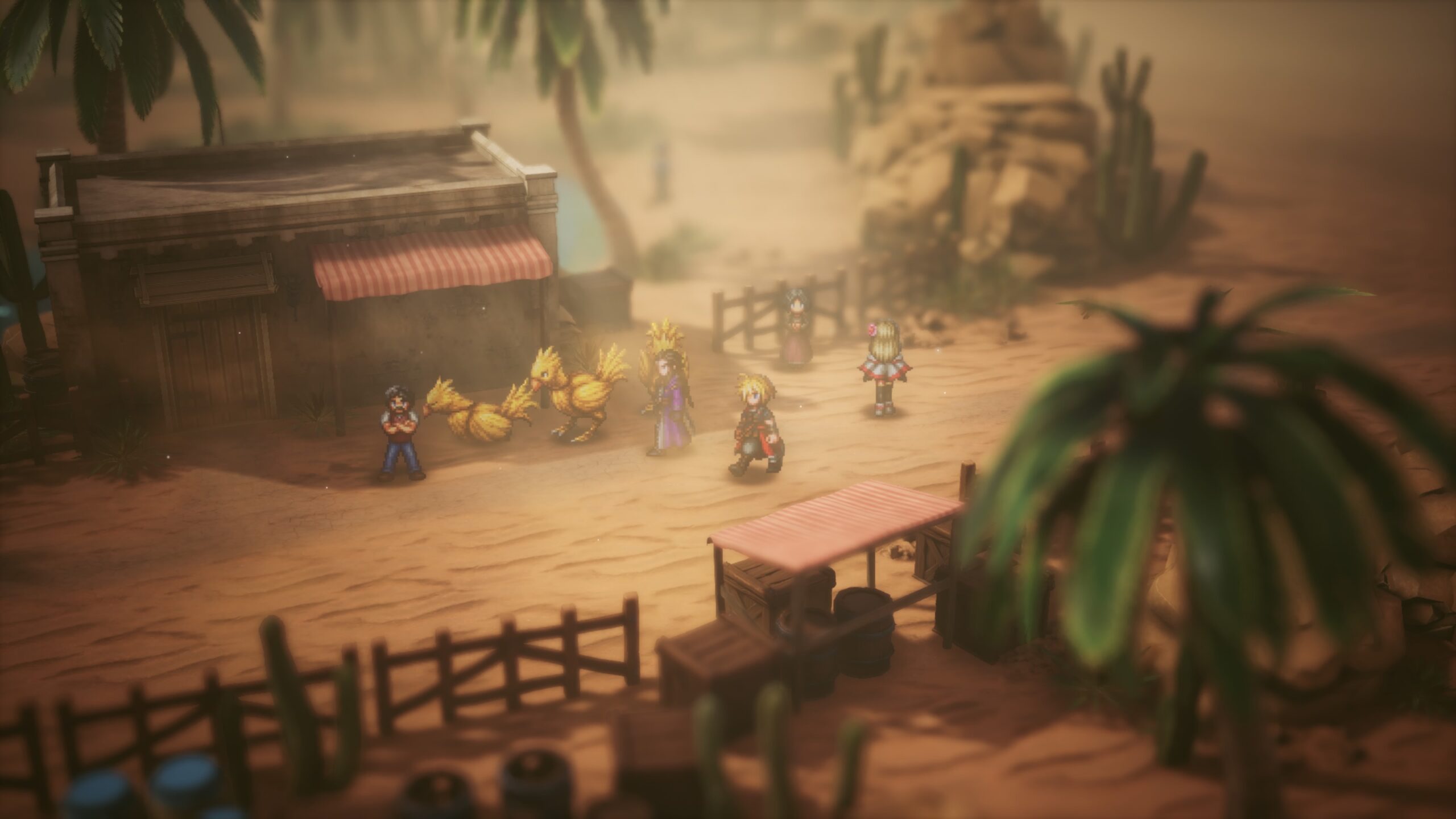
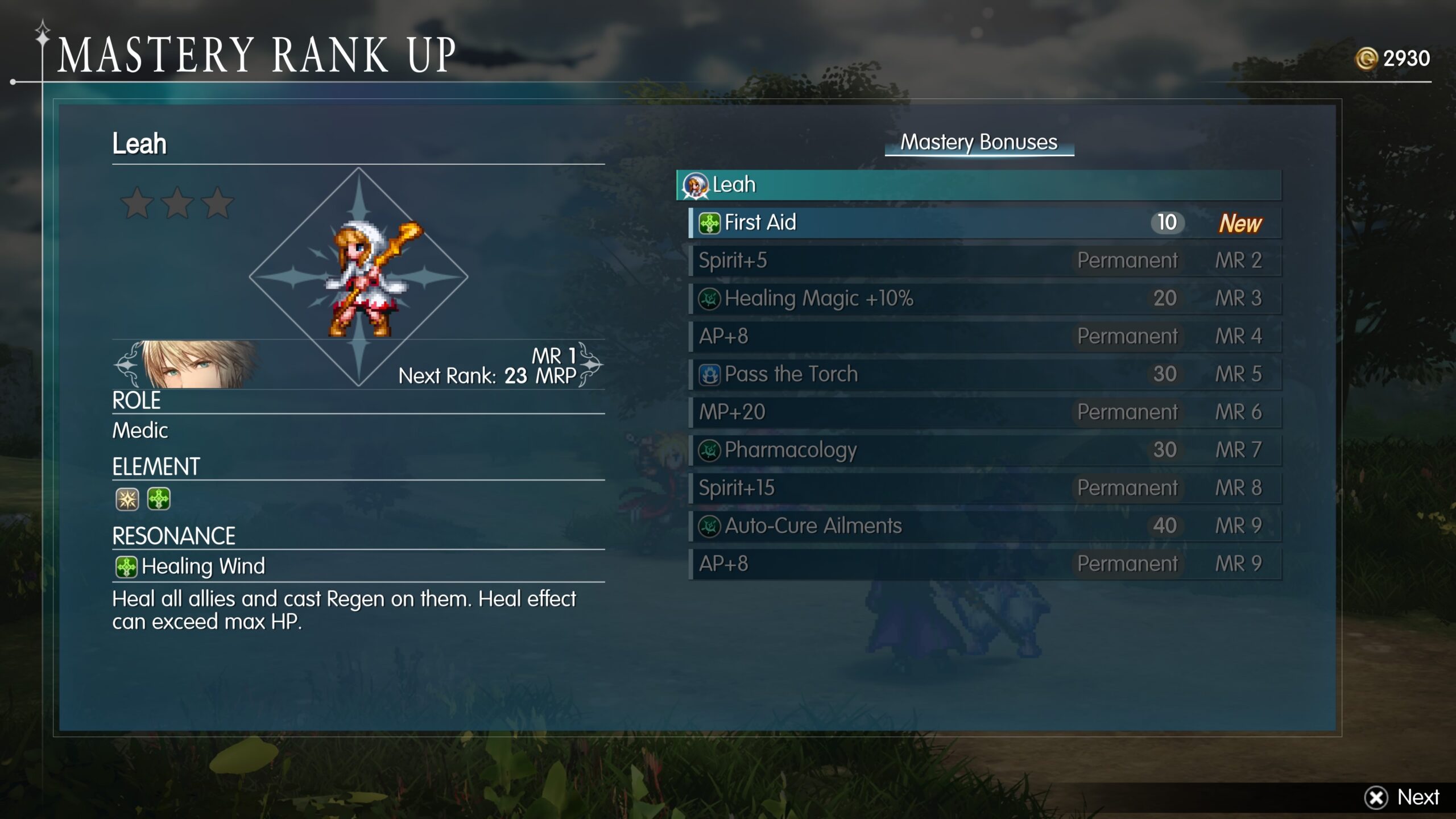
Of course, classic Final Fantasy lore is woven throughout Resonance. From traveling by Chocobo to visiting the alternative spiritual realm of the Farplane, various legendary heroes from the series also make a return, albeit in a different form: Visions. These include Cloud, Tidus, Cecil, Leah, Tronn, and others. Visions can be found in Sanctums scattered throughout the world and possess either healing or destructive powers. You can equip them to your party members, granting them access to Resonance attacks. Equipping Visions also allows your characters to earn Mastery Points during battles, which help them progress toward Master Ranks that unlock new abilities. You can then equip these abilities, subject to a maximum number of Ability Points.
The turn-based combat in Resonance is, much like its story, far from groundbreaking, as practically all of its mechanics have already appeared in other games in the genre. However, its impressive cutscenes make battles a visual treat, and the combat itself is surprisingly deep and extensive. Most importantly, it’s wonderfully addictive.
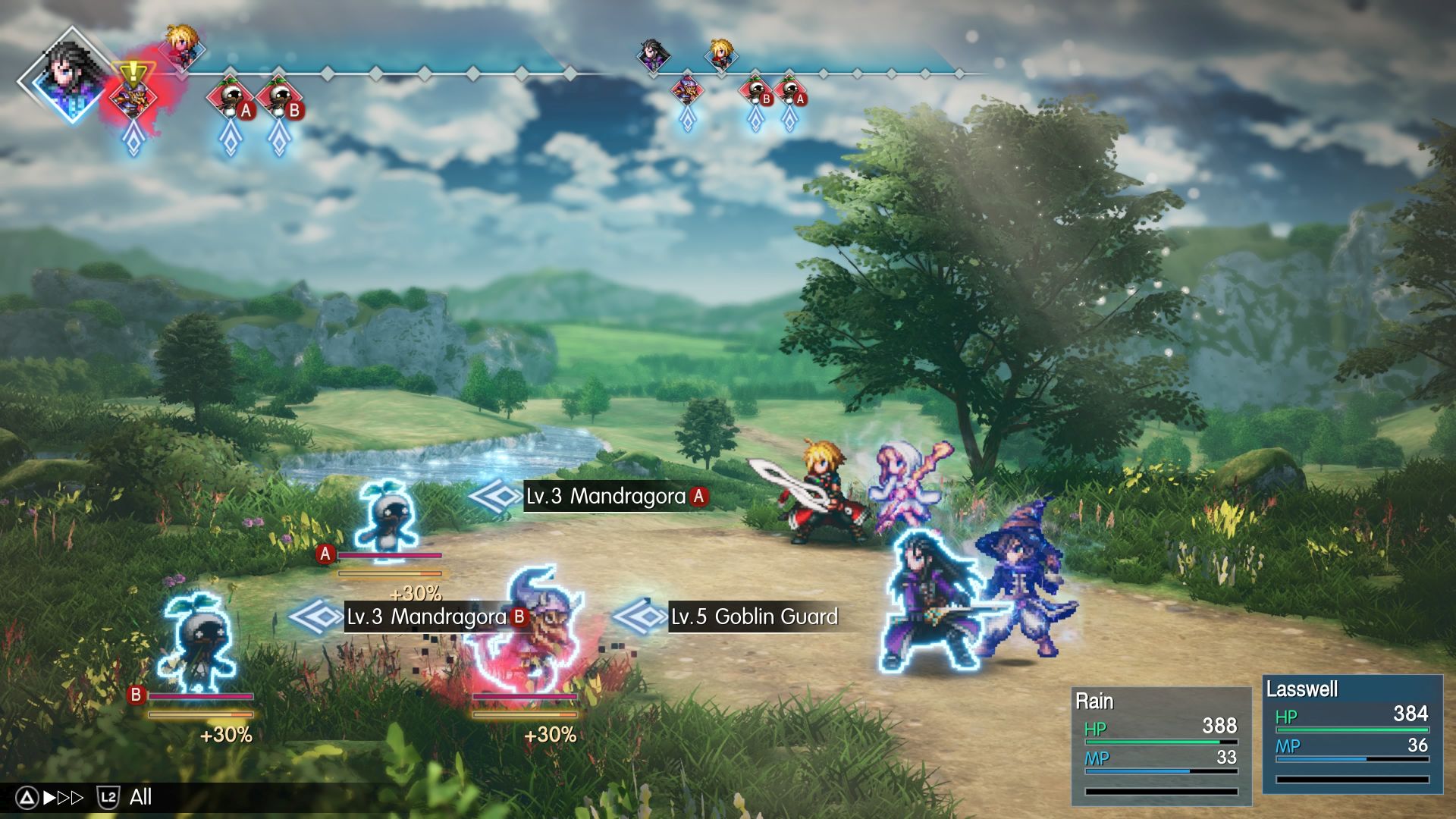
You also won’t see battles coming unless you keep the minimap visible. It starts flashing yellow when danger is imminent and turns red when an attack is unavoidable. During battles, you can have up to four party members on the battlefield. Besides their regular damage-focused attacks with their swords or staffs, each party member has a range of special attacks to unlock. Depending on your progress through the story, you may also temporarily have additional party members fighting alongside you. Characters frequently offer tips on whether regular attacks will be effective or which special skills you should use against an enemy’s particular weaknesses.
Enemy weaknesses are revealed the first time you hit an enemy with the correct elemental attack. If the ALL option is available in the turn-based combat UI, you can also cast Multicast spells for area-of-effect attacks. Certain enemies can inflict Status Ailments on you and your party members, causing detrimental effects that you need to cure using white magic such as Esuna or items like Remedies. Another interesting mechanic is the Limit Burst attack, which you build up by dealing damage until a purple-pink bar called the Limit Gauge is full.
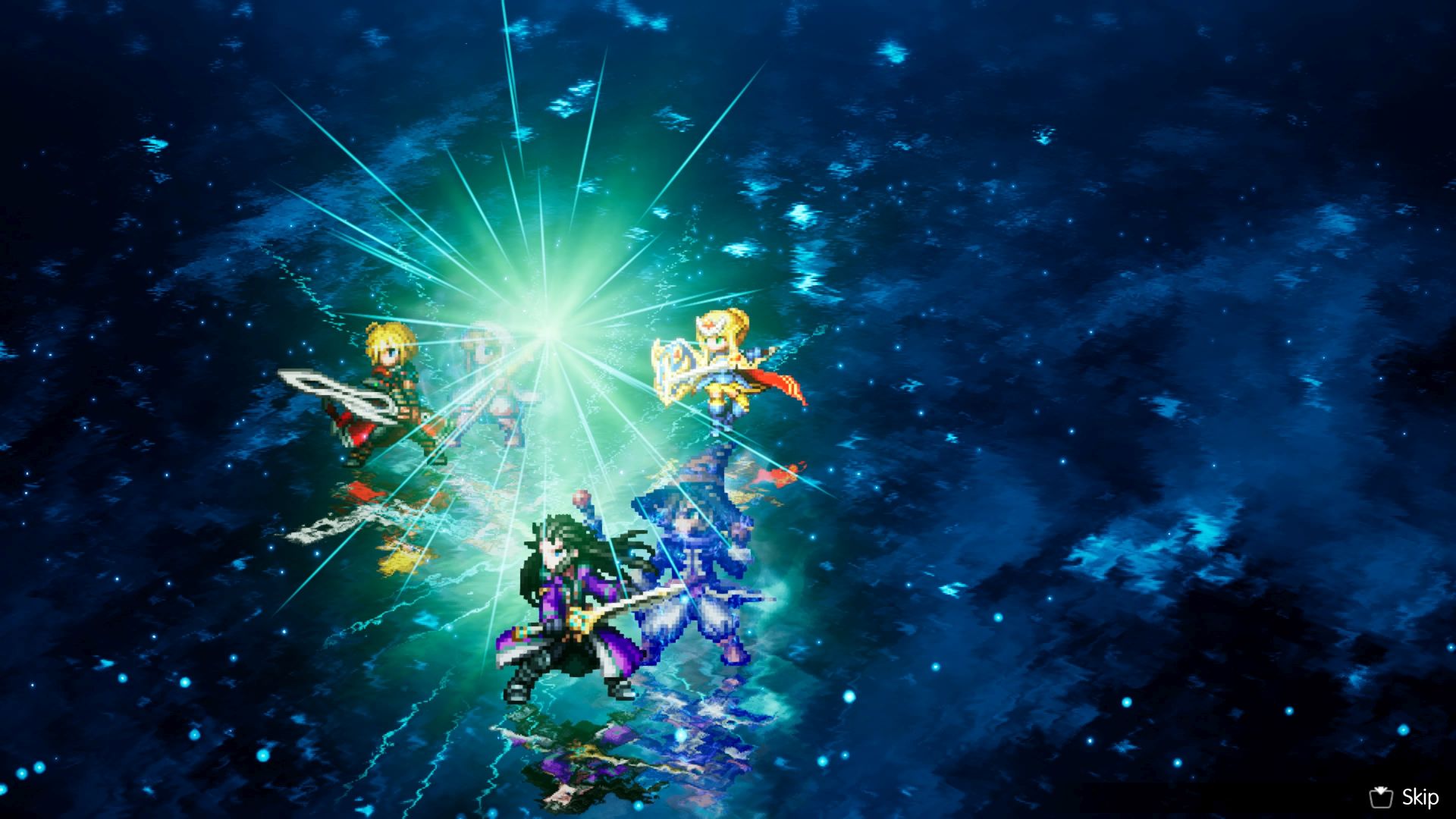
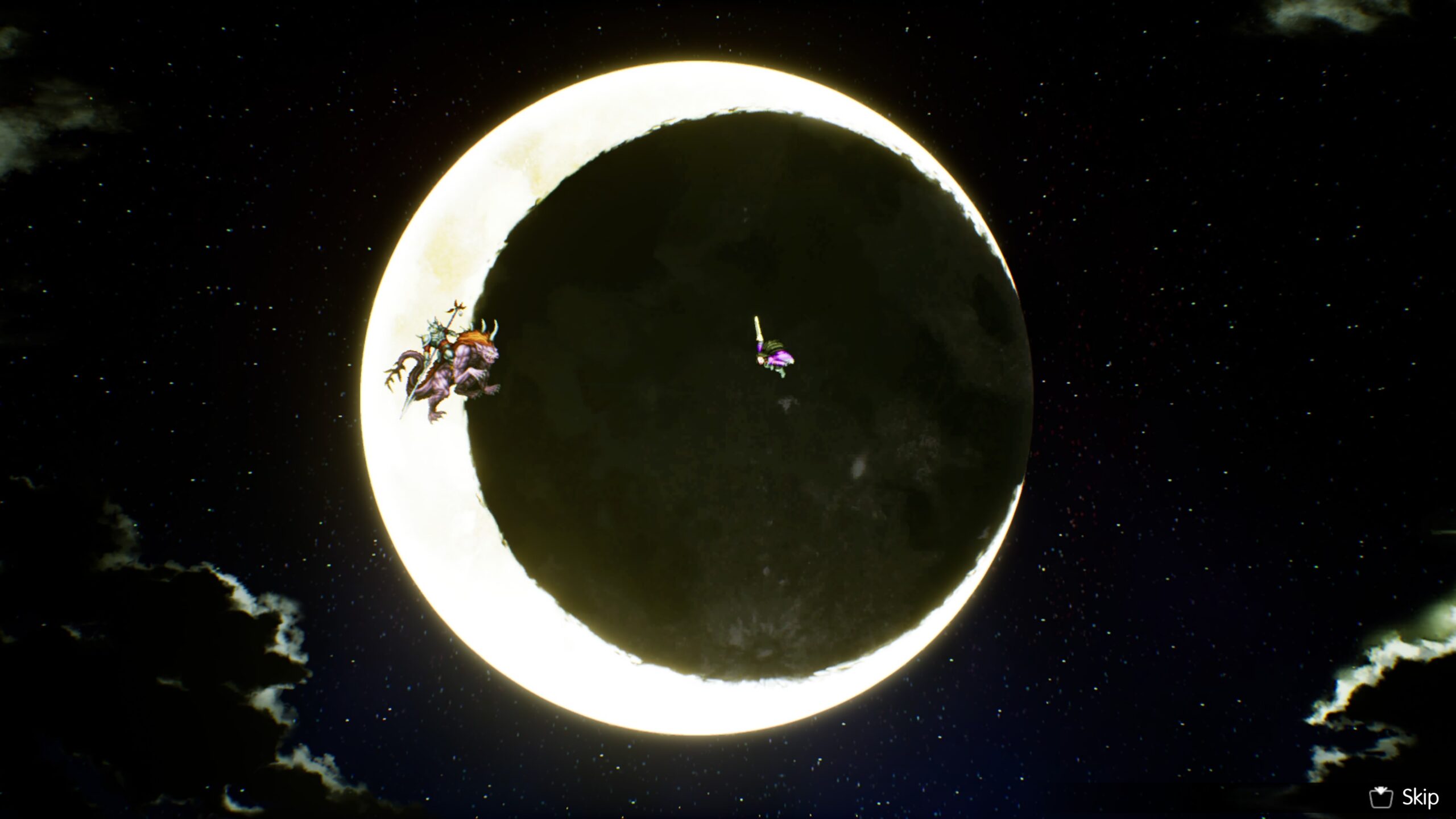
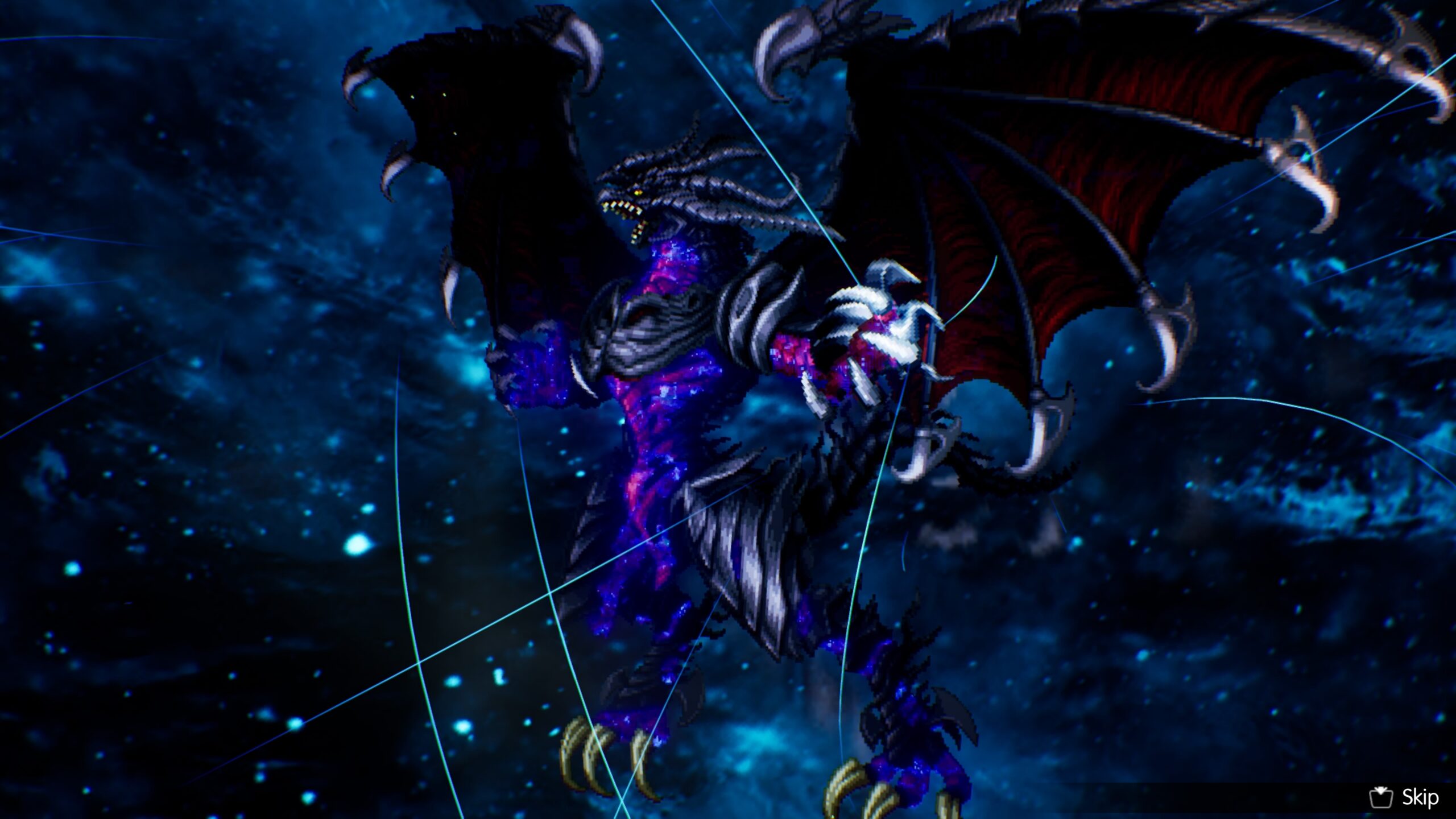
You can also summon the aforementioned Espers, which you unlock through various quests. These are powerful, legendary beings you can call upon in combat, including gigantic elemental forces and creatures such as Ifrit, Shiva, and Bahamut. They temporarily occupy a spot on the battlefield and fight as independent allies for three turns. One minor personal gripe is that Espers are rather static objects on the battlefield. When their turn comes around, their attacks play out in a cutscene that takes place entirely separately from the actual battlefield.
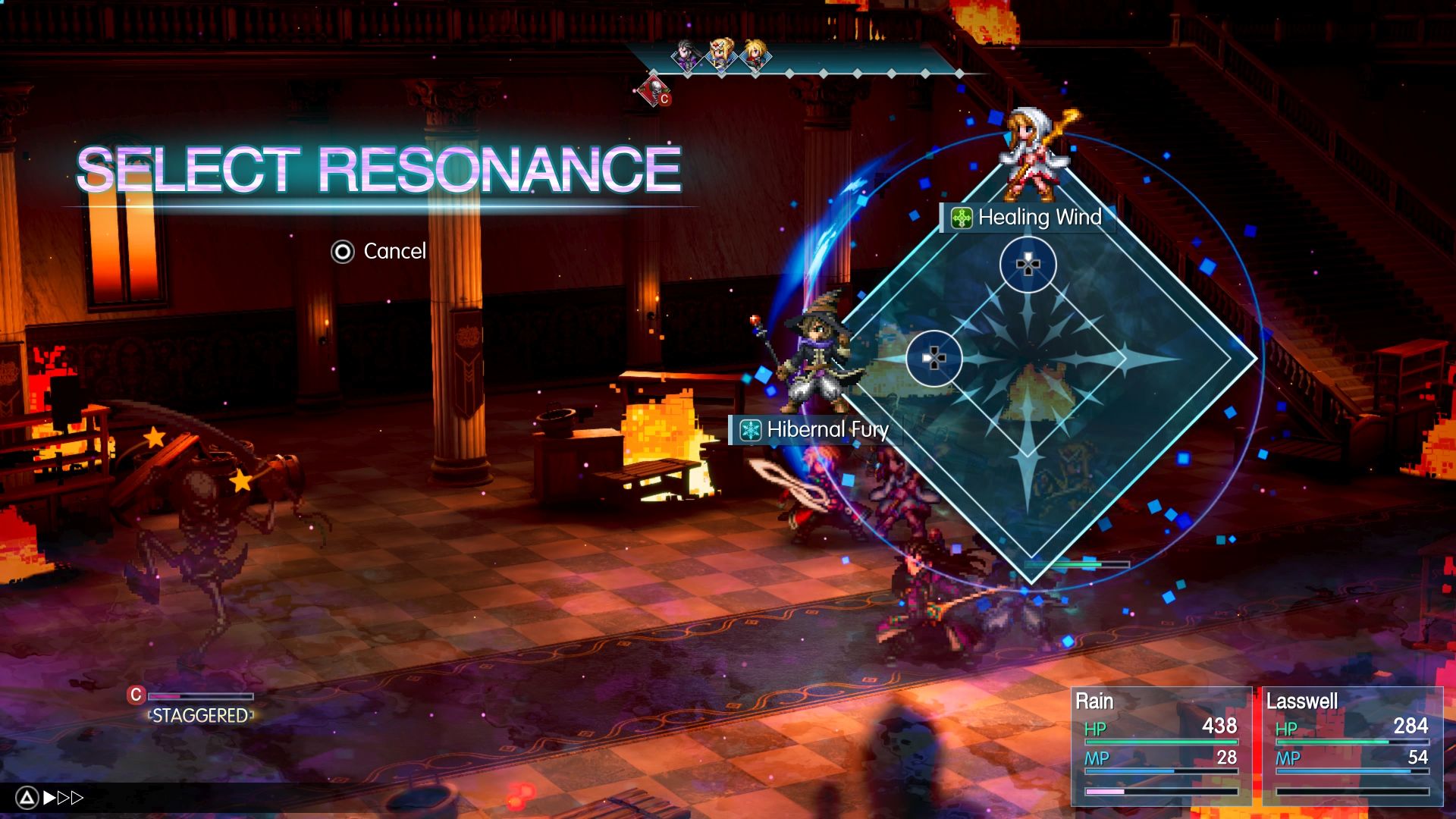
Ultimately, combat revolves around exploiting enemy weaknesses to reduce their Stagger Gauge to zero, leaving them more vulnerable and unable to act during their turn. You can see an estimate of how much Stagger damage an attack will deal beforehand. Successfully staggering an enemy grants you an extra turn called the Bonus Phase. If only one enemy remains and you stagger it, or if you stagger all remaining enemies at once, you trigger a Sweeping Stagger, granting every party member a Bonus Phase.
At the end of this phase, you can unleash a Vision attack called Resonance, which immediately explains the game’s title. After each victorious battle, you earn EXP, additional Gil, the in-game currency, and various items, including Potions, Ethers for restoring MP, and Tents for resting and recovering.
In my opinion, while Resonance falls somewhat short in terms of originality and innovation within the genre, it more than makes up for it with various modern quality-of-life features. These ensure that it never feels like an old-fashioned JRPG weighed down by outdated limitations. Quite the opposite, in fact. Inventory management is intuitively designed, even allowing you to easily transfer items between characters. You can also speed up battles to three times their normal speed, while dialogue features an auto-continue option, a dialogue log, and a skip function. Additionally, the multiple-choice strategy options for each mission are a nice touch, as they determine which stats you gain for your build.
Frequent autosaves are available, along with manual save points that you can set up using Tents. These replenish your HP and MP, and can also be used to teleport. Naturally, fast travel is available as well, using the map to revisit locations you have already discovered.
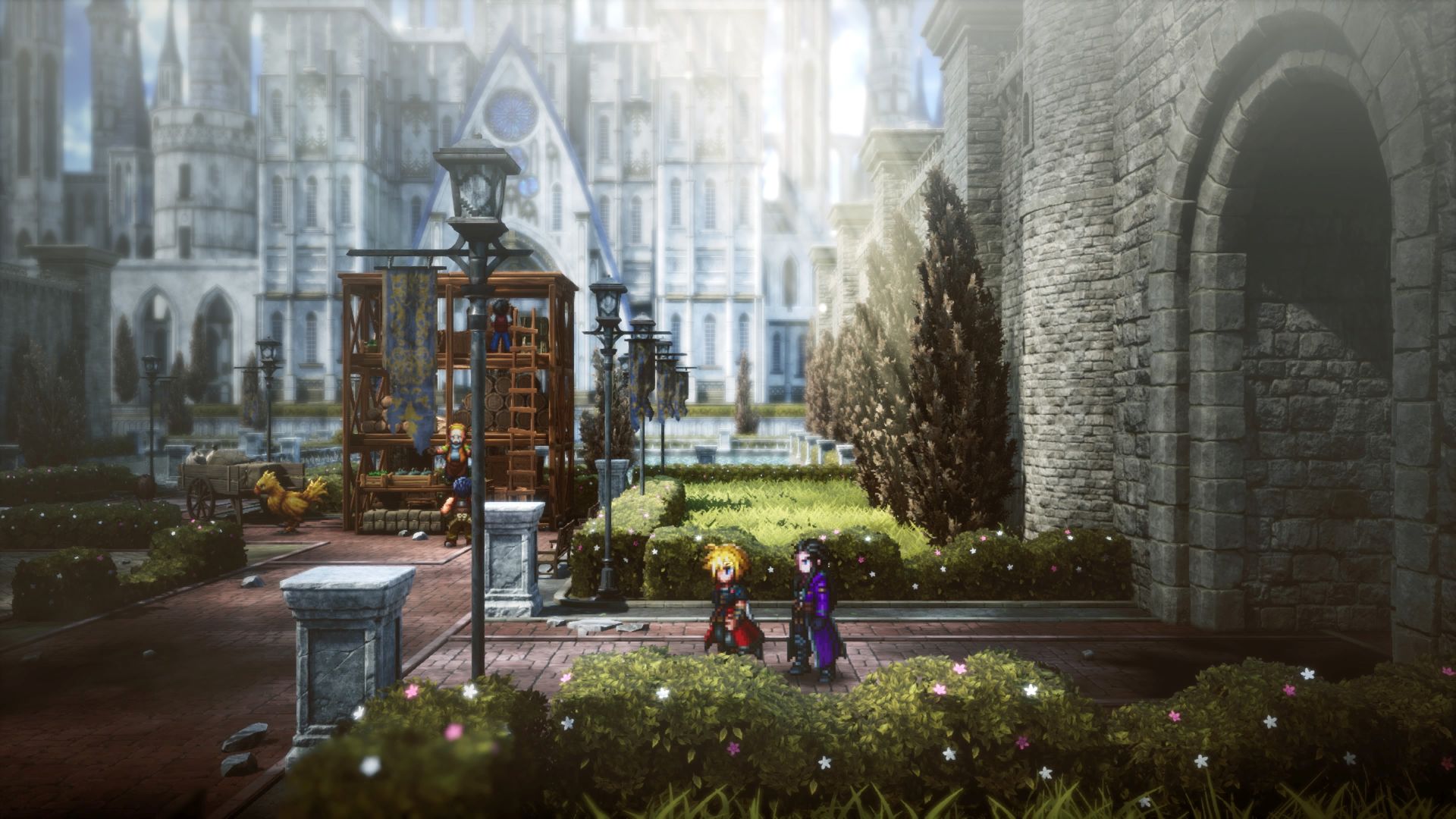
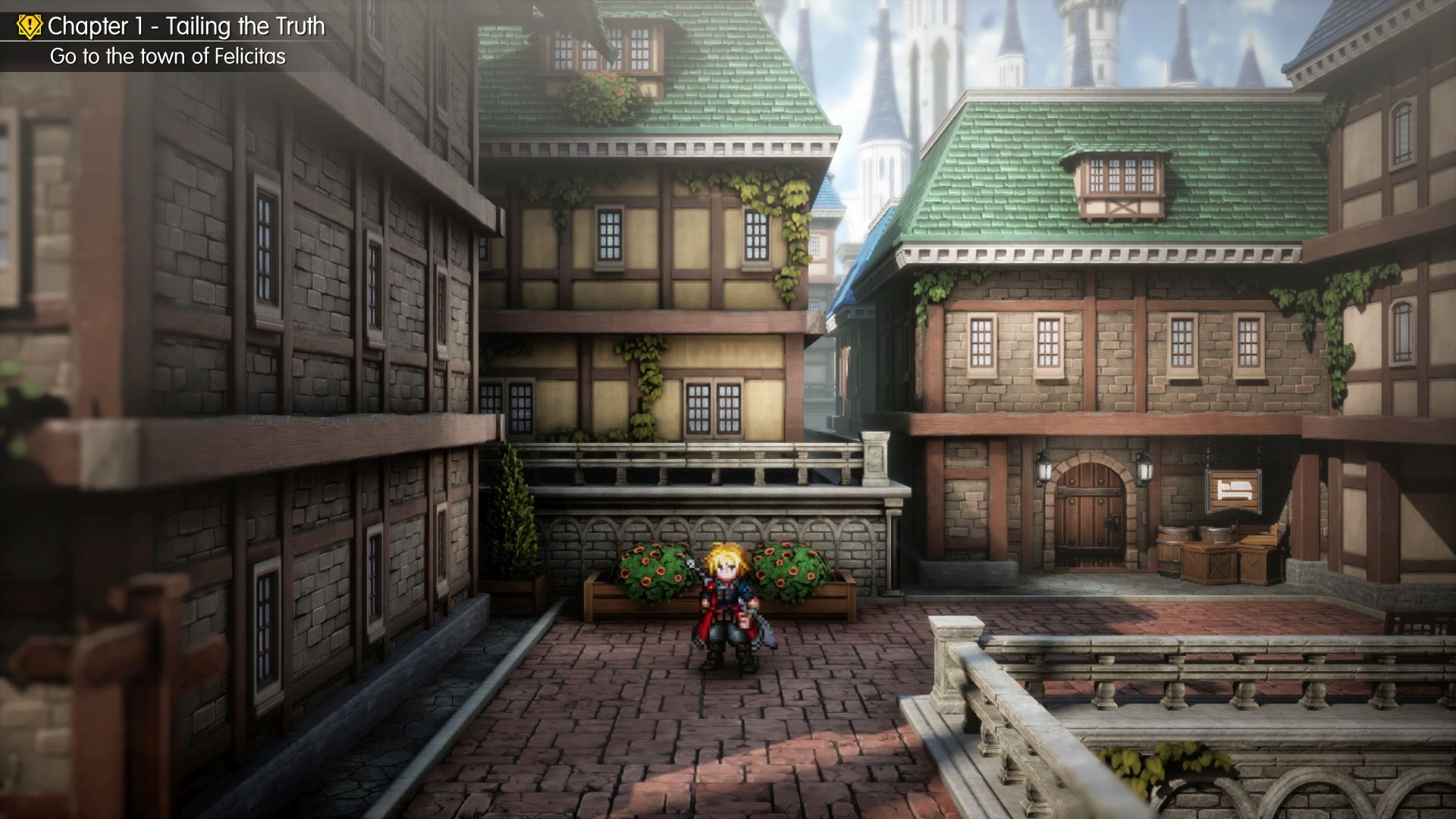
Resonance is all about spectacle, from the colors and shapes in its combat cutscenes to the rousing music, impressive art style, voice acting, setting, and dark atmosphere. Its HD pixel art style truly shines thanks to its gorgeous 2D sprites. The game looks impressive not only while exploring the world and during combat, but also thanks to its unique, spectacular cutscenes, which complete the visual package. That said, some assets and character models still exhibit occasional flickering, something that will hopefully be fixed in a patch. The game’s orchestral, epic soundtrack also deserves a mention. And while not every conversation or line of dialogue is voiced, the voice acting is convincing whenever it is present.
Final Thoughts
Although Final Fantasy Resonance doesn’t surprise with its familiar premise or well-established JRPG combat system, it more than makes up for this with its appealing HD-2D visuals, epic music, and highly addictive gameplay. The Visions, which bring familiar heroes back in different roles, also add to the lore-rich universe and draw you deeper into it. This excellent game is guaranteed to keep you entertained for many hours, with plenty to discover as you work toward finding the most effective build combinations and combat strategies.
Additional Information
Release Date: October 22, 2026
Reviewed On: PlayStation 5 Pro. Download code provided by the publisher and PR agency.
Developer: Square Enix, LANCARSE Ltd.
Publisher: Square Enix
Relevant links: Available on Steam, Microsoft Store, Nintendo eShop, and PlayStation Store.