DaRmaZat
 There is something uniquely unsettling about being stranded aboard a ship in the middle of the ocean. From maritime horror films like Ghost Ship to cult-classic survival horror games like Cold Fear, the sea has long fascinated and terrified us in equal measure, making it a natural backdrop for stories of isolation and the unknown. Senara: The Sacrament taps into that same fear, trapping you aboard a claustrophobic cruise ship where every step deeper into its lower decks feels like another descent into madness.

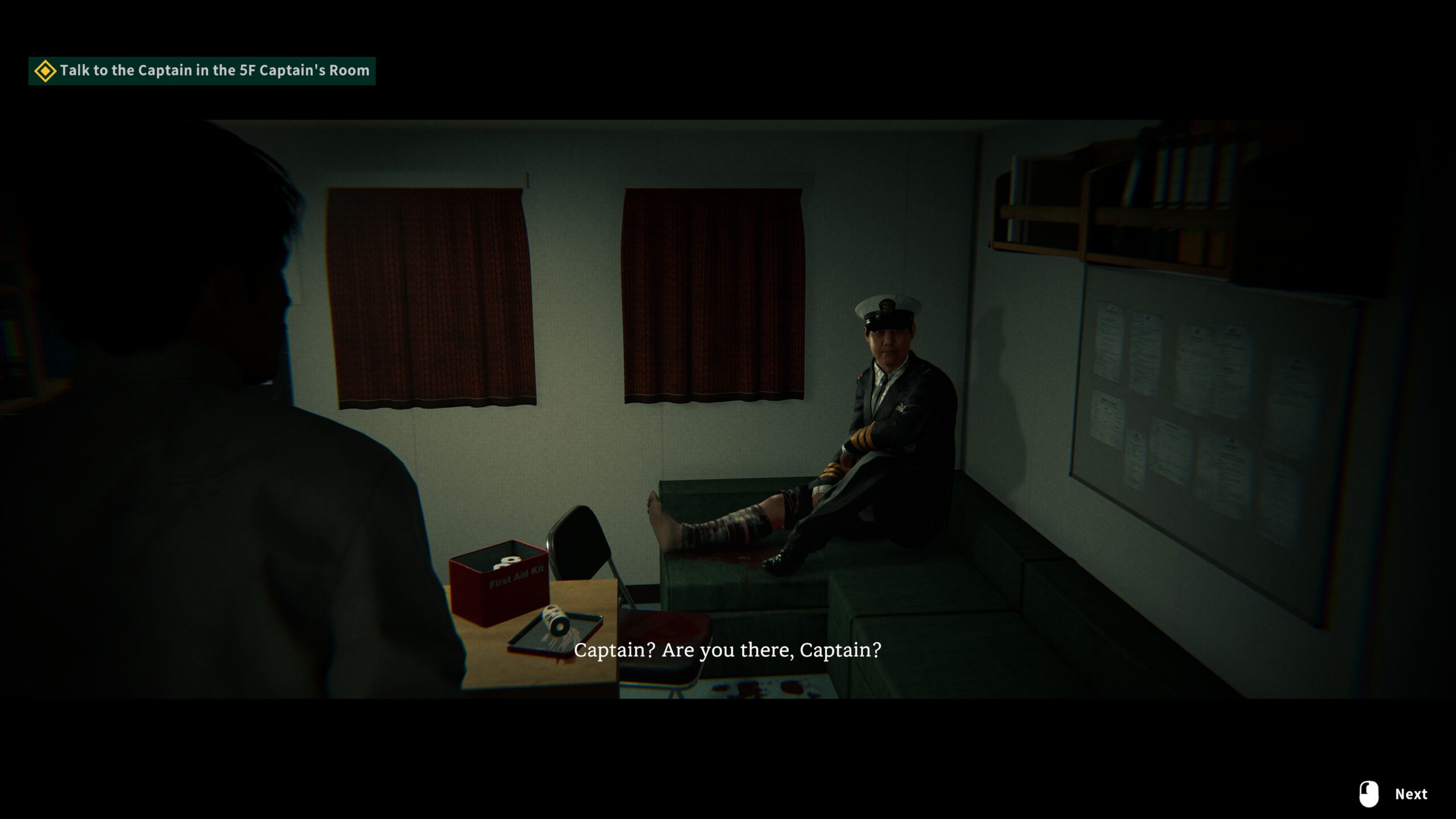
You awaken inside the cargo hold of a cruise ship with no memory of how you arrived. At first, the vessel appears eerily deserted, but it isn’t long before a knife-wielding fanatic forces you to run for your life. After surviving this initial encounter, you cross paths with the ship’s wounded, isolated captain. Through fully voiced Korean dialogue with English subtitles, he lays out the grim reality: a fanatical cult has slaughtered the crew and passengers, turning the liner into a literal floating hell. His advice for surviving this madness is to trigger a distress beacon to call in a rescue helicopter, as the lifeboats have been rendered useless. Curiously, the captain also tips you off about vast amounts of gold left behind on board, leaving it up to you to navigate the ship’s horrors, uncover the mystery, and secure a payday on your way out.
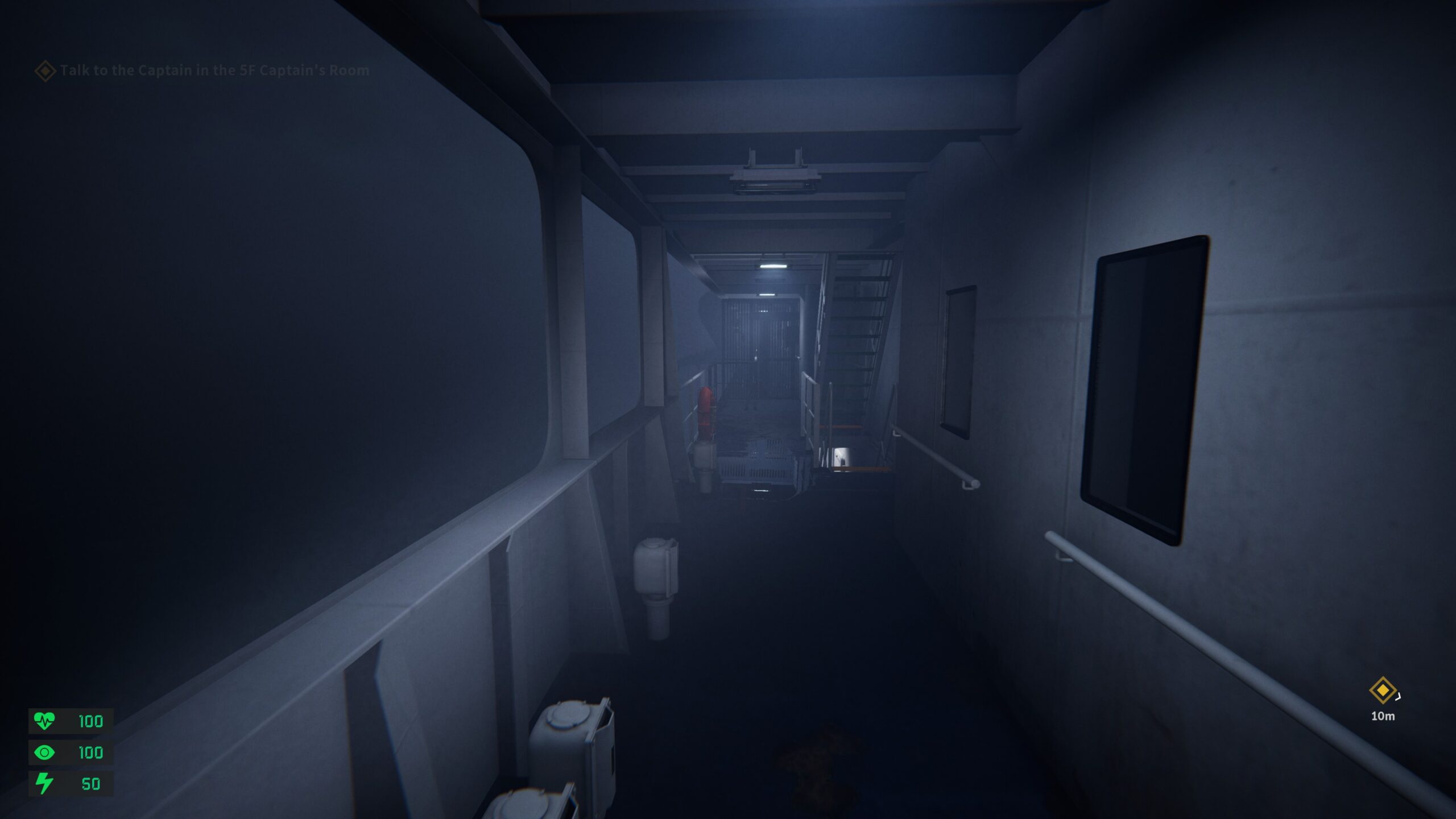
While the premise relies on well-worn genre tropes, Senara: The Sacrament excels at establishing a claustrophobic mood. Tight corridors offer minimal room to maneuver, blood-splattered walls hint at previous atrocities, and mutated monstrosities roam every deck. Ammunition is extremely scarce, making stamina-draining knife combat a clunky last resort used only to deliver a final blow. To complicate matters, strange anomalies actively drain your sanity, forcing you to spend precious bullets to neutralize them before your mind gives out.
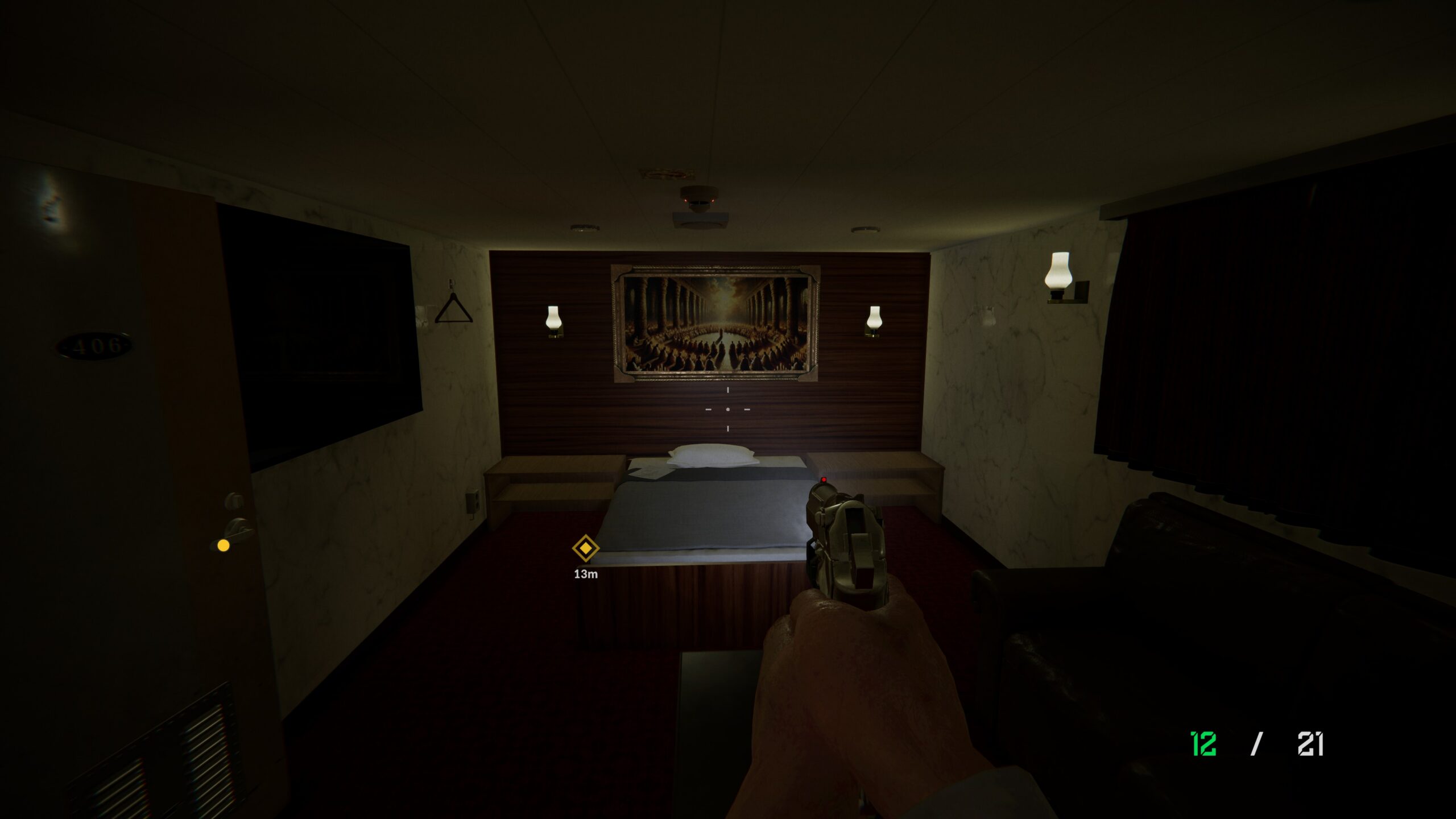
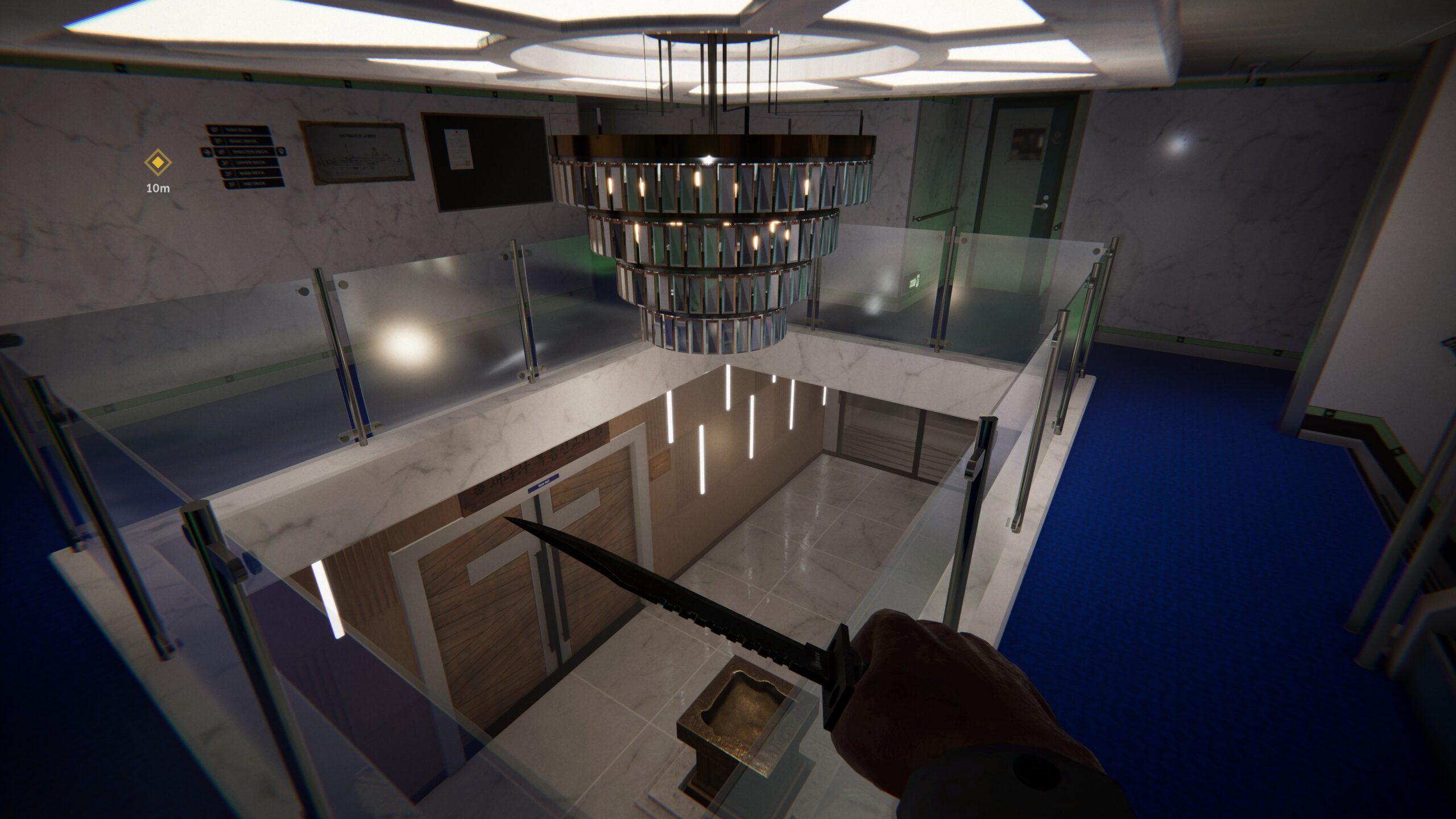
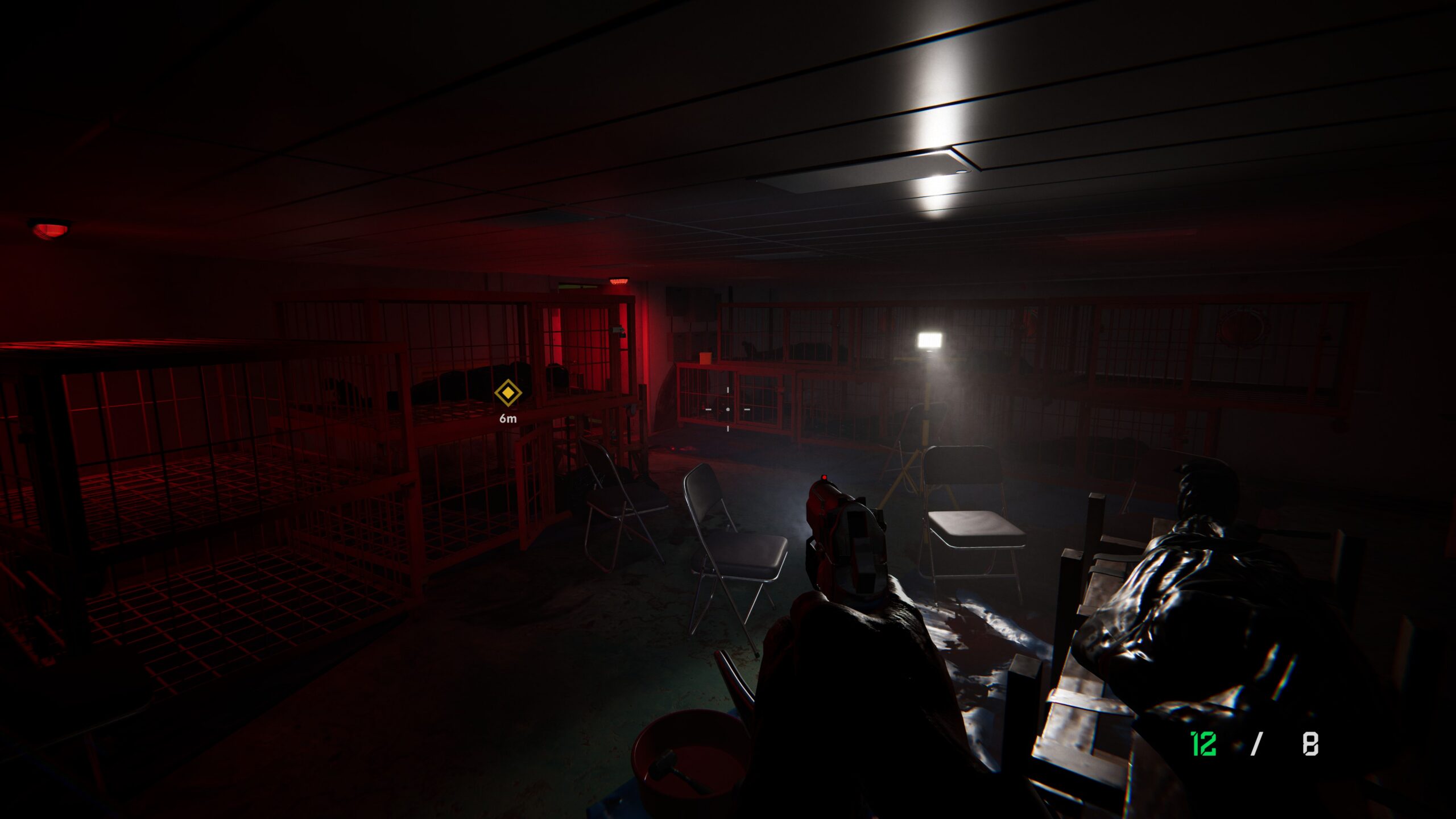
Senara‘s gameplay follows classic survival horror conventions. You will spend plenty of time scanning the map for gray, unexplored rooms, reading logs, hunting down keycards, codes, physical keys, coins, assembling artifacts, flipping switches, replacing blown fuses, and figuring out key locations. However, sharp reflexes are still required when enemies close in. While the game appears generous with ammo in the opening hours, later enemies turn into massive bullet sponges that can drain your entire magazine in seconds, forcing a heavy reliance on stealth.
When a monstrosity or madman spots you, turning tail and making a quick exit is paramount. Failing to do so triggers an unrefined instant-kill cutscene that abruptly ends your run. To avoid detection, you can hide inside lockers scattered across the ship’s multiple decks – a mechanic that strongly reminded me of the indie title Monstrum. Sprinting is practically suicidal in these narrow spaces, meaning a slow, methodical approach significantly increases your chances of surviving this cursed ship.
Because the inventory system features limited slots for items like weapons, healing pills, and syringes, you need to make smart use of the storage boxes scattered around the ship. While you start with only a knife, you eventually unlock a handgun that can be upgraded over time. Truth be told, the inventory interface feels somewhat clumsy when assigning items to specific hotkeys, though it becomes manageable once you adapt to the layout.
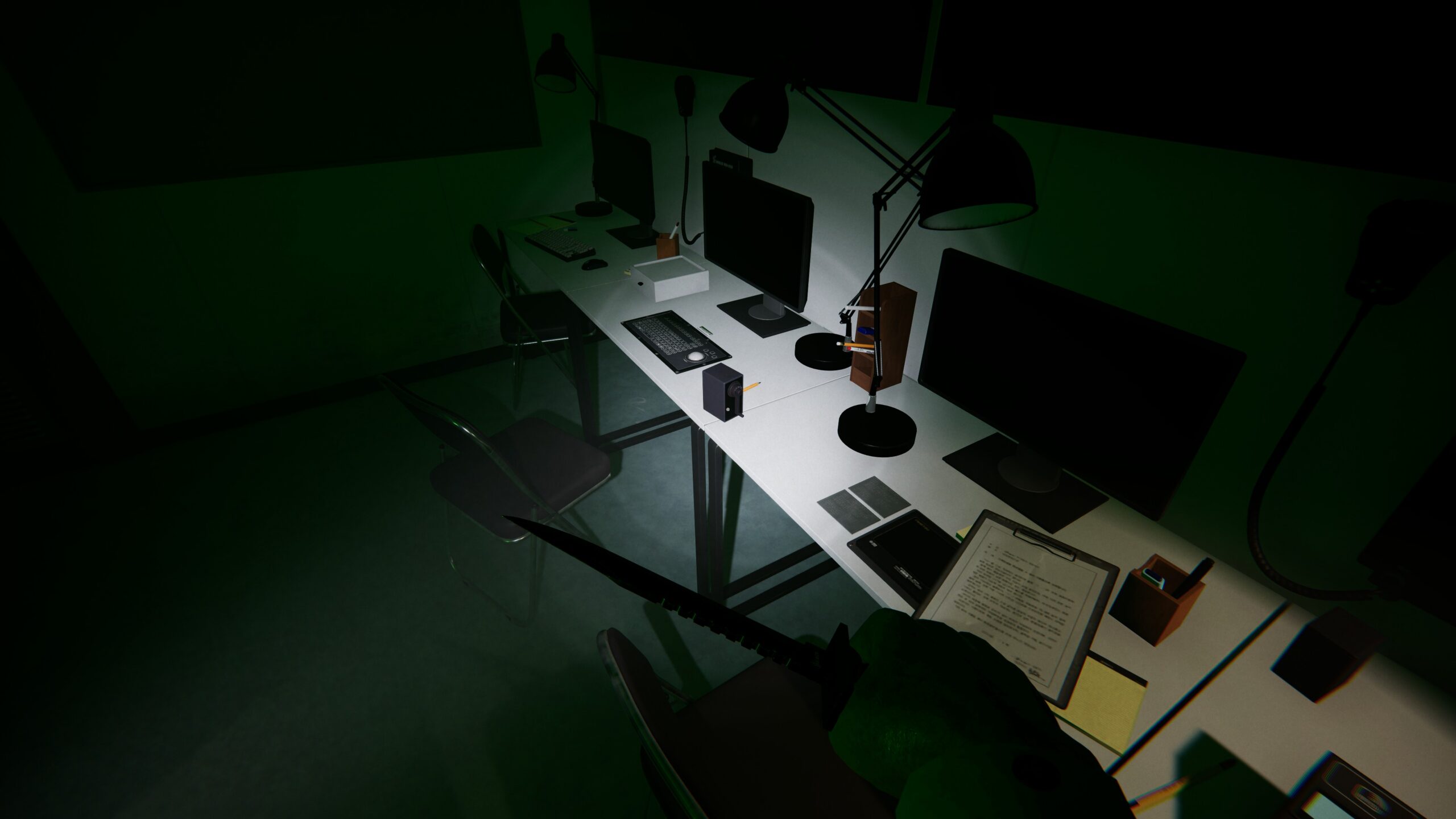
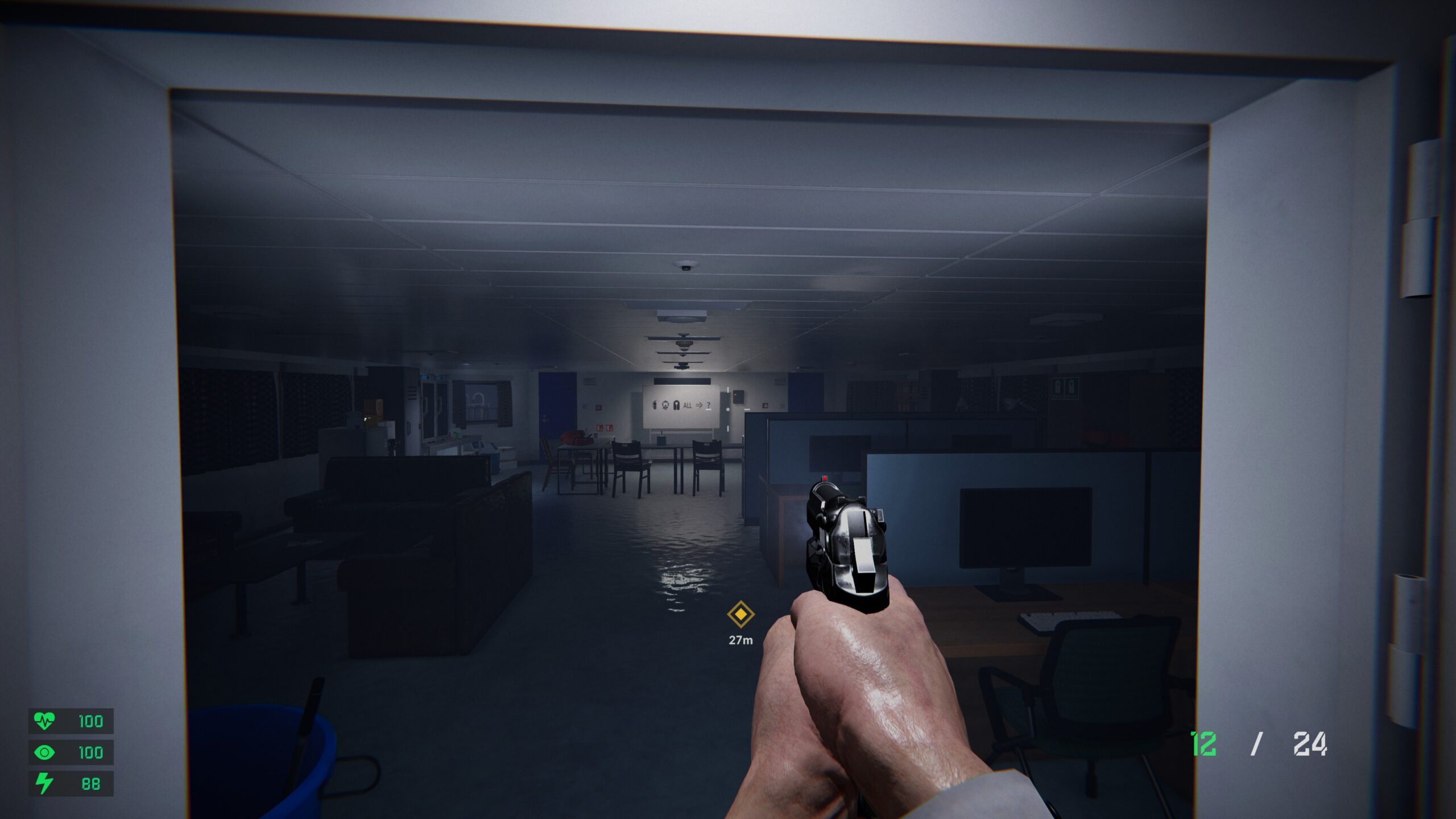
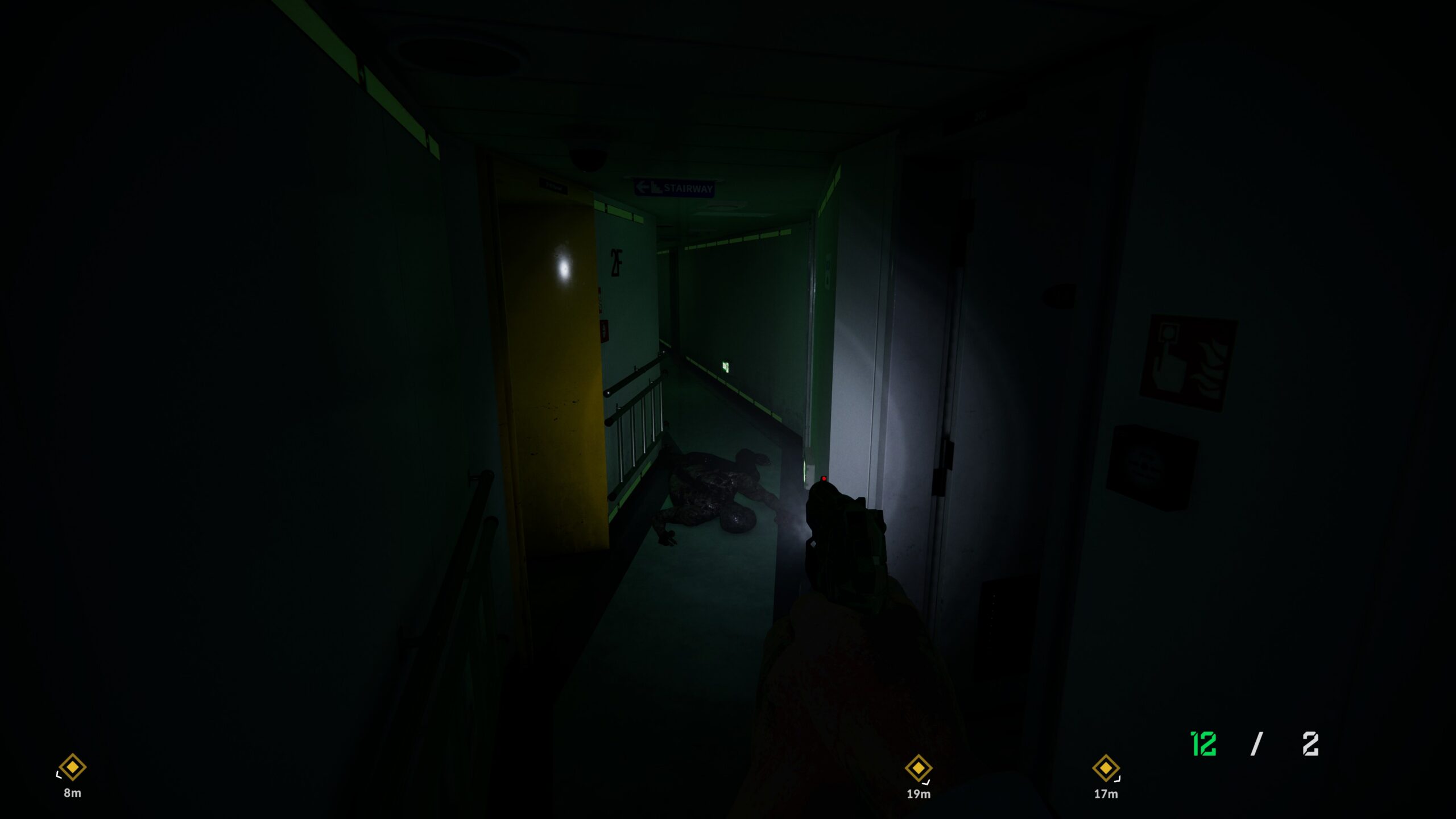
With this release, Influsion clearly learned valuable lessons from the game’s pre-release prologue, Before The Dawn. Where the original demo was almost unbearably dark at times and far too punishing, with rapid sanity deaths, the full release significantly improves those issues. You acquire a flashlight early on, and the in-game map features clear markers showing where you have been and where you need to go next. However, while progress is saved using traditional landline telephones, this comes with a major risk: using a save phone respawns nearby enemies without replenishing any ammo you spent clearing them earlier.
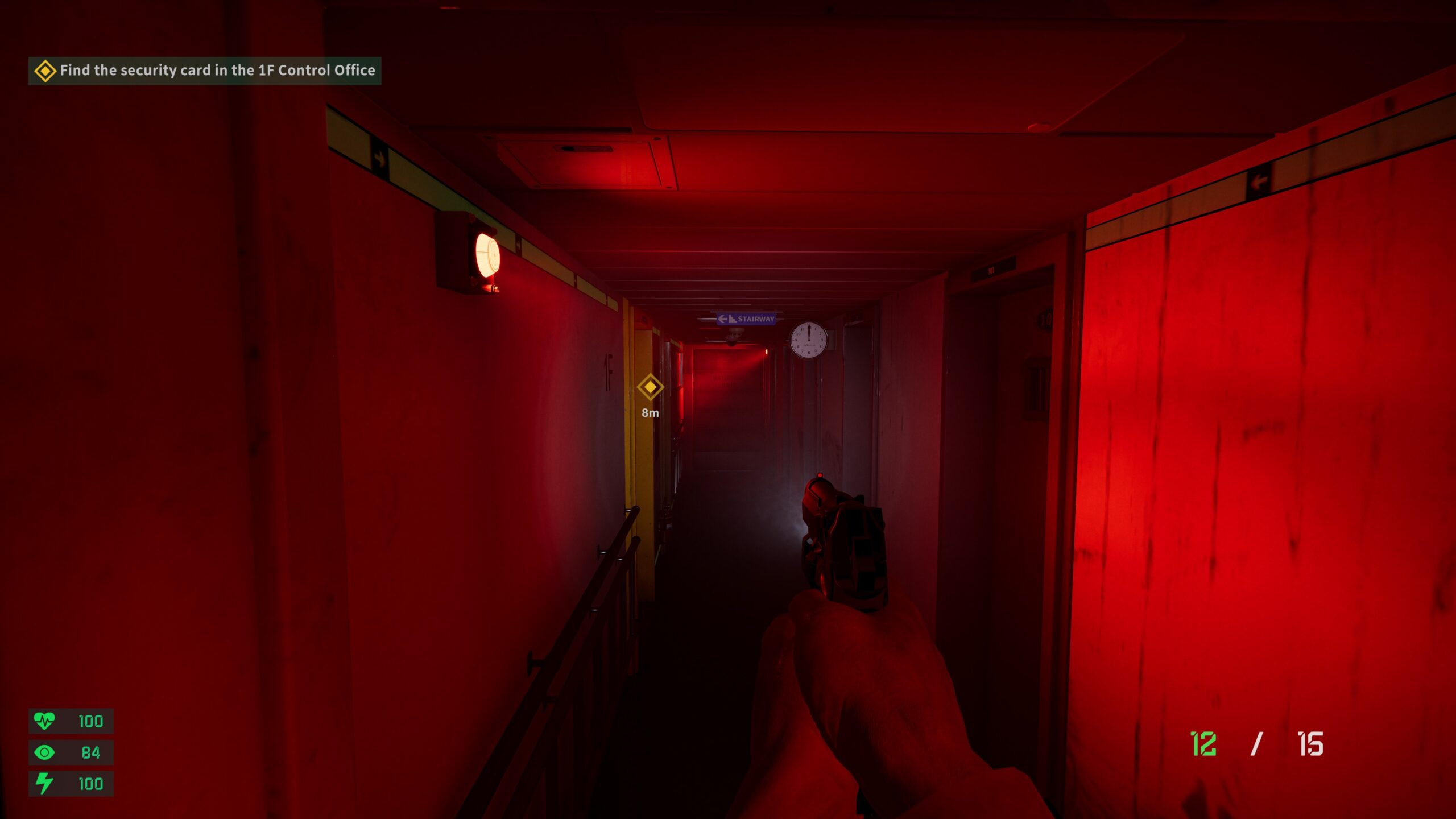
Visually and aurally, Senara: The Sacrament punches above its weight class for an indie title. The moody lighting, realistic reflections, and varied color palettes give the ship an appropriately grim appearance. On a technical level, performance remains rock-solid throughout, and control bindings can be freely remapped to suit your preferences. The sound design is equally impressive, with haunting radio chatter, unnerving voices, and eerie ambient audio combining to create a truly unsettling environment that I found best experienced at night with headphones.
Final Thoughts
While Senara: The Sacrament follows typical survival horror tropes, it also delivers a competent, highly atmospheric homage to nautical horror staples. Although the combat and character animations are undeniably rough around the edges – and the lack of an English voice track might turn off some players – the tense ammo scarcity, rewarding map progression, and claustrophobic setting keep the experience engaging. If you are a fan of indie survival horror built on traditional mechanics and haunting shipboard settings, stepping aboard this cursed vessel is well worth the trip.
Additional Information
Release Date: July 30, 2026
Reviewed On: PC. Download code provided by the publisher and PR agency.
Developer: Influsion Inc.
Publisher: Influsion Inc.
Relevant links: Available via Steam.